
Materials & Construction
8 service pages · design to delivery All services
Get a Quote Everyday & Fashion


Travel, Sport & Outdoor


Home, Gift & Seasonal

Fashion & Retail
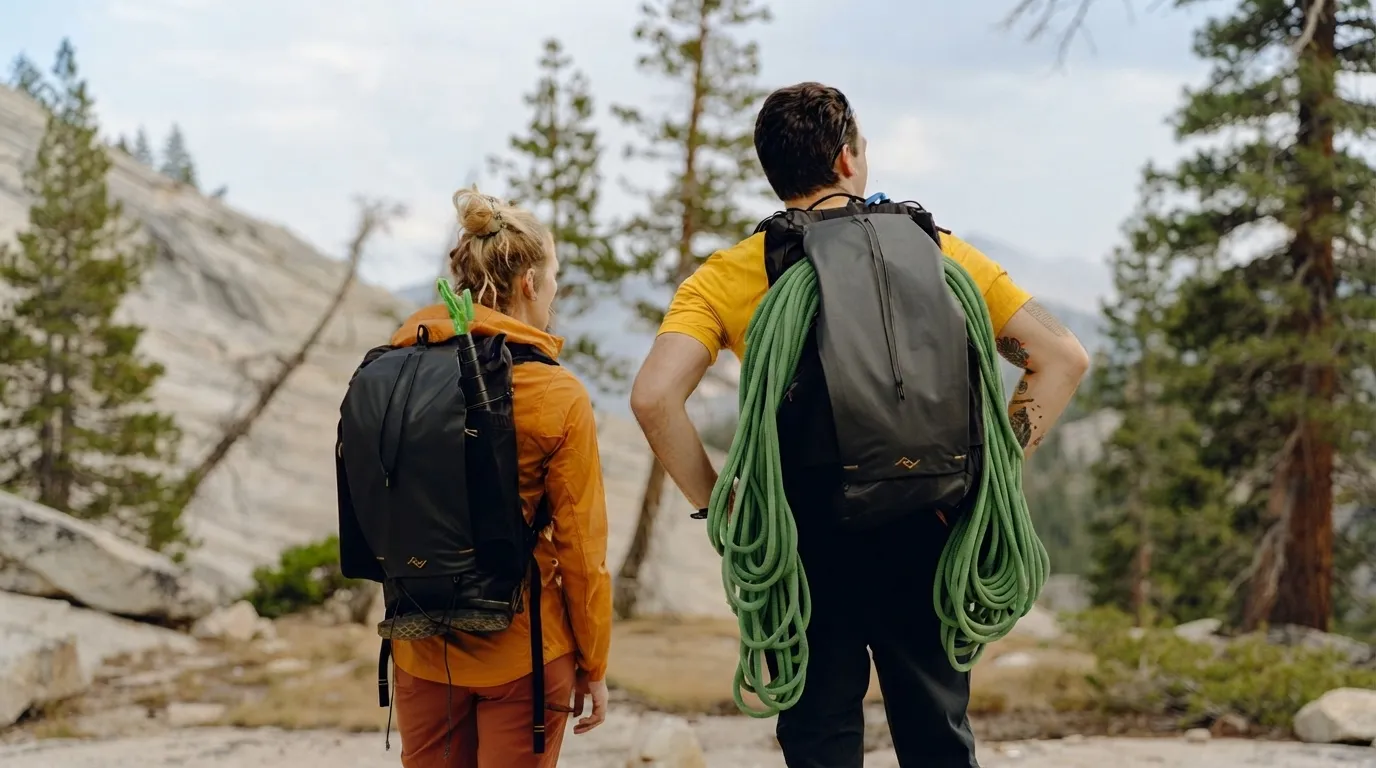
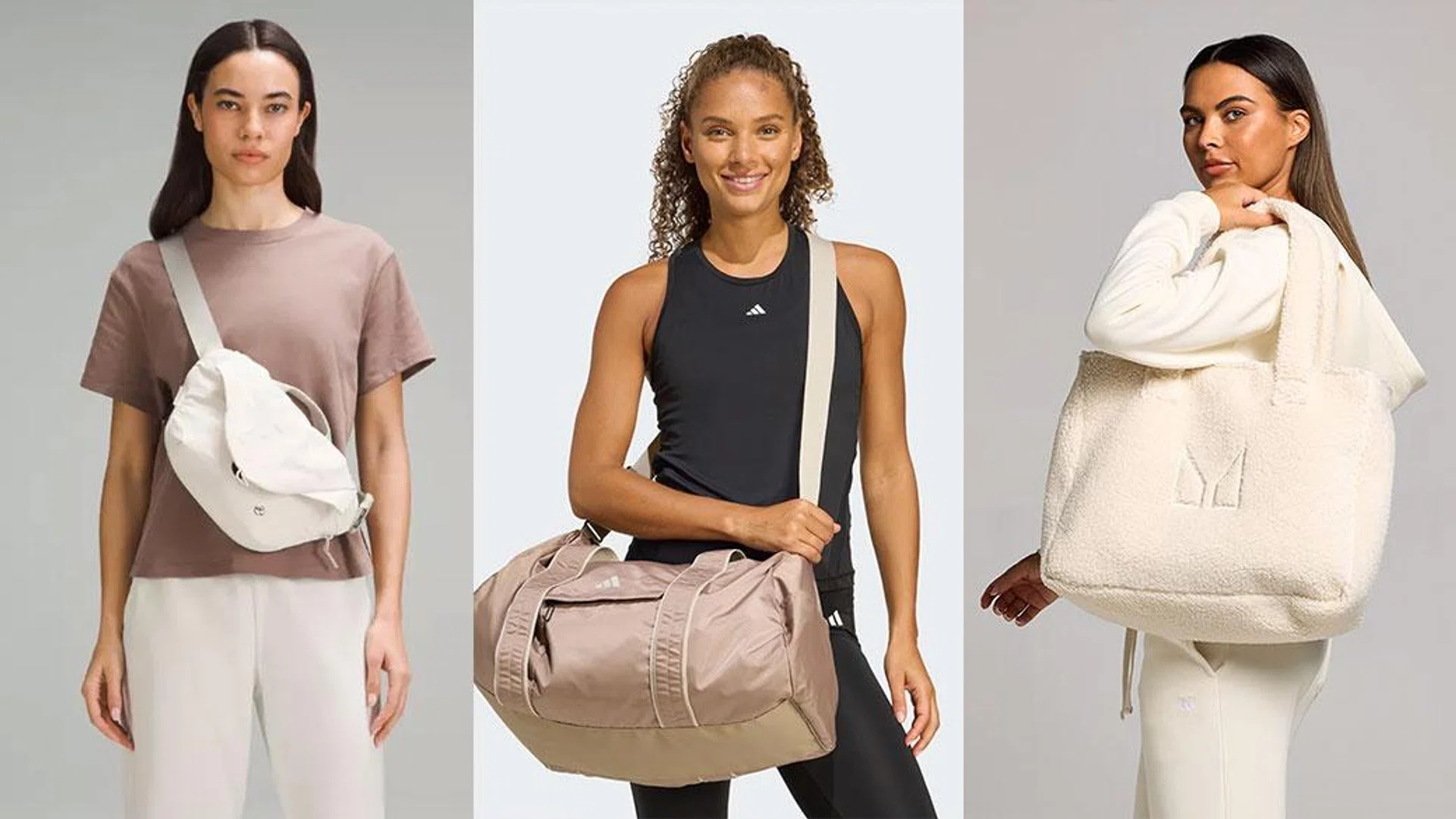

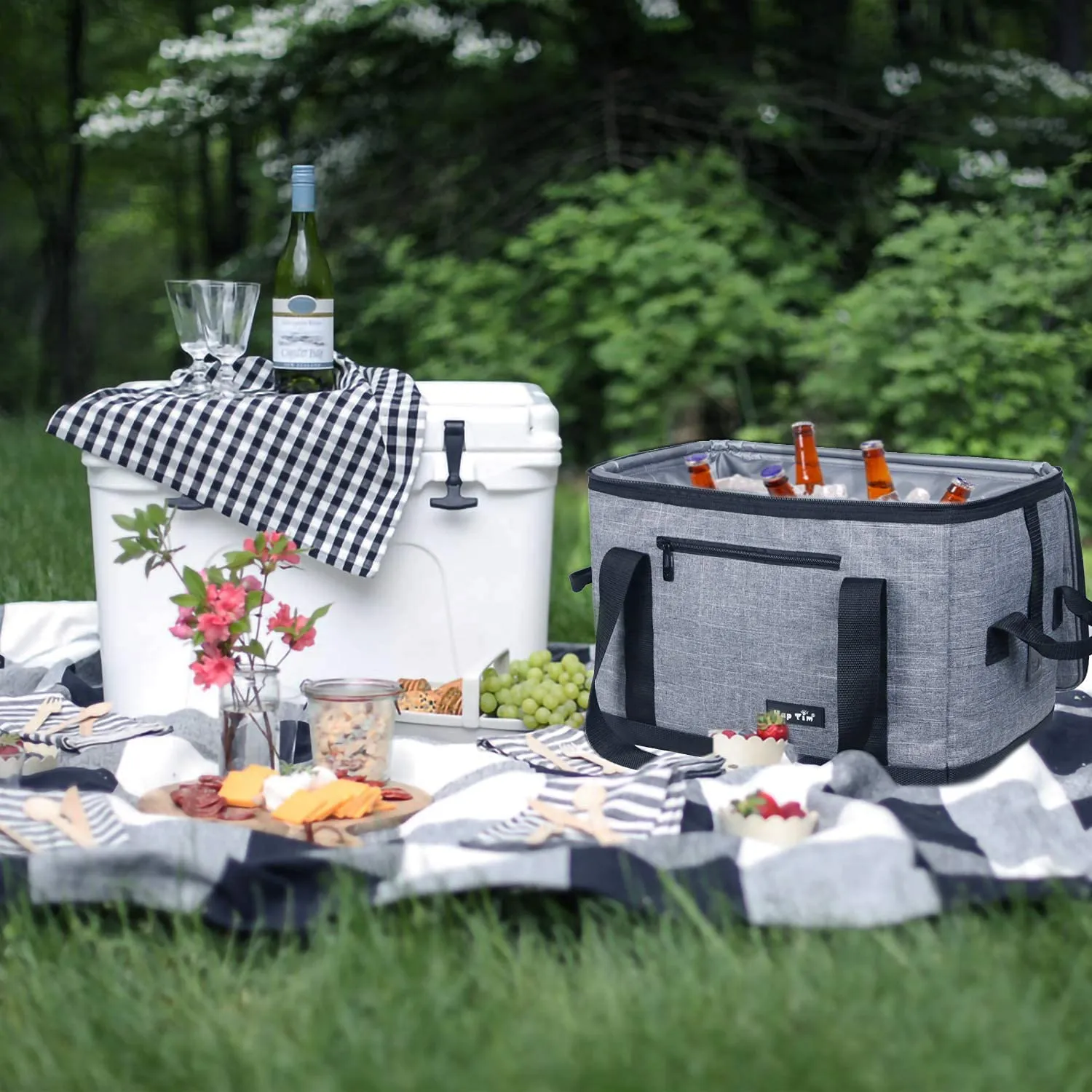
8 industry playbooks · built from real production runs
Get a Quote Your bags are IPX6 waterproof-certified. Zippers pass 10,000+ pull cycles without failure. Stress points hold at 150% of rated load. The result: fewer returns, stronger reviews, and customers who simply never think about quality issues.
Outdoor & Travel Brands Served
Years of Bag Manufacturing
MOQ for Custom Designs
& BSCI Certified Factory
The Real Problems
Not hypotheticals. These are the five most common failure points we hear from outdoor brand owners, compiled from real post-mortems and return-rate data.
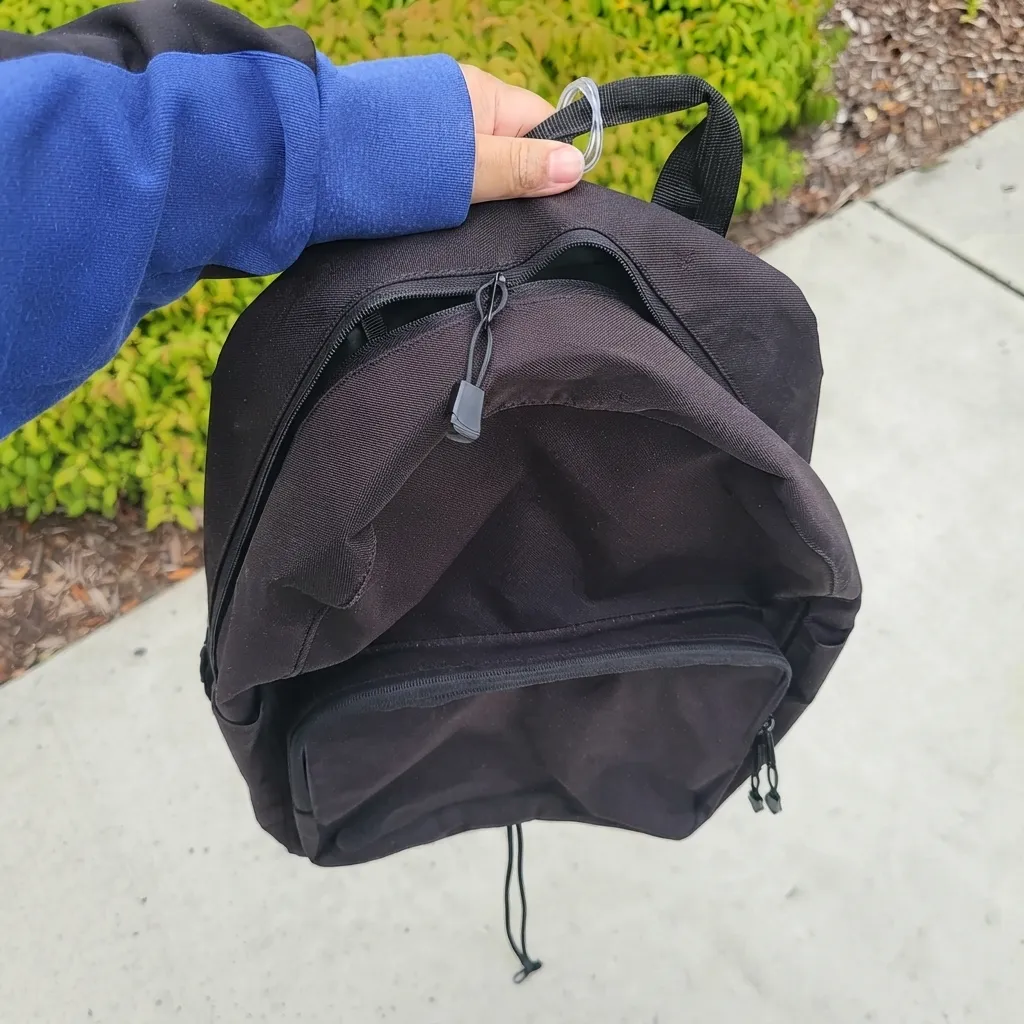
The #5 coil zipper on your 45L travel pack seizes mid-trip. Your customer loses a zipper pull at 4,200m altitude. One-star review: "Zipper broke on first use." Returns spike 22% over a single component.
22% of outdoor bag returns trace to zipper or hardware failure — aggregated from client return data 2024-2025
Our Solution
YKK #8 or #10 RC (Racquet Coil) zippers standard on all load-bearing openings. 10,000-cycle pull-tested. Anti-corrosion coating for salt/freshwater exposure.
Quantified Result
Zipper-related returns drop to <0.3%. YKK-certified installation with documented pull-test results per batch.
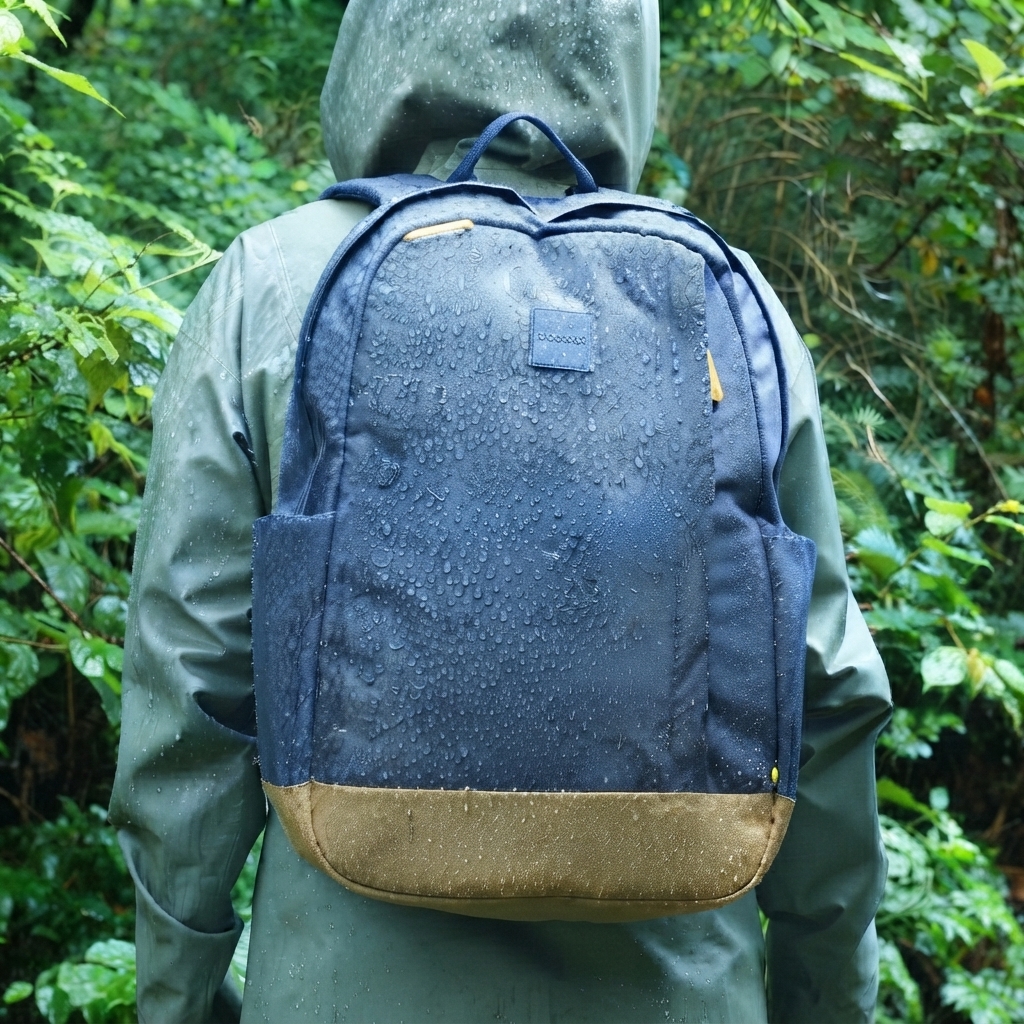
Your "water-resistant" daypack soaks through at the base seams after 40 minutes of moderate rain. The PU coating is fine — the needle holes aren't sealed. Customer's laptop is damaged. Brand trust evaporates.
68% of "water-resistant" bags fail seam-leakage tests at independent labs — based on third-party testing data 2024
Our Solution
RF welded seams with 0.8mm tolerance. Or double-needle flat-felled seams with hot-air tape sealing. IPX3 to IPX6 certified depending on your target rating.
Quantified Result
IPX6-certified seams survive 100L/min water jets for 3+ minutes. Zero seam leakage across our shipment history.
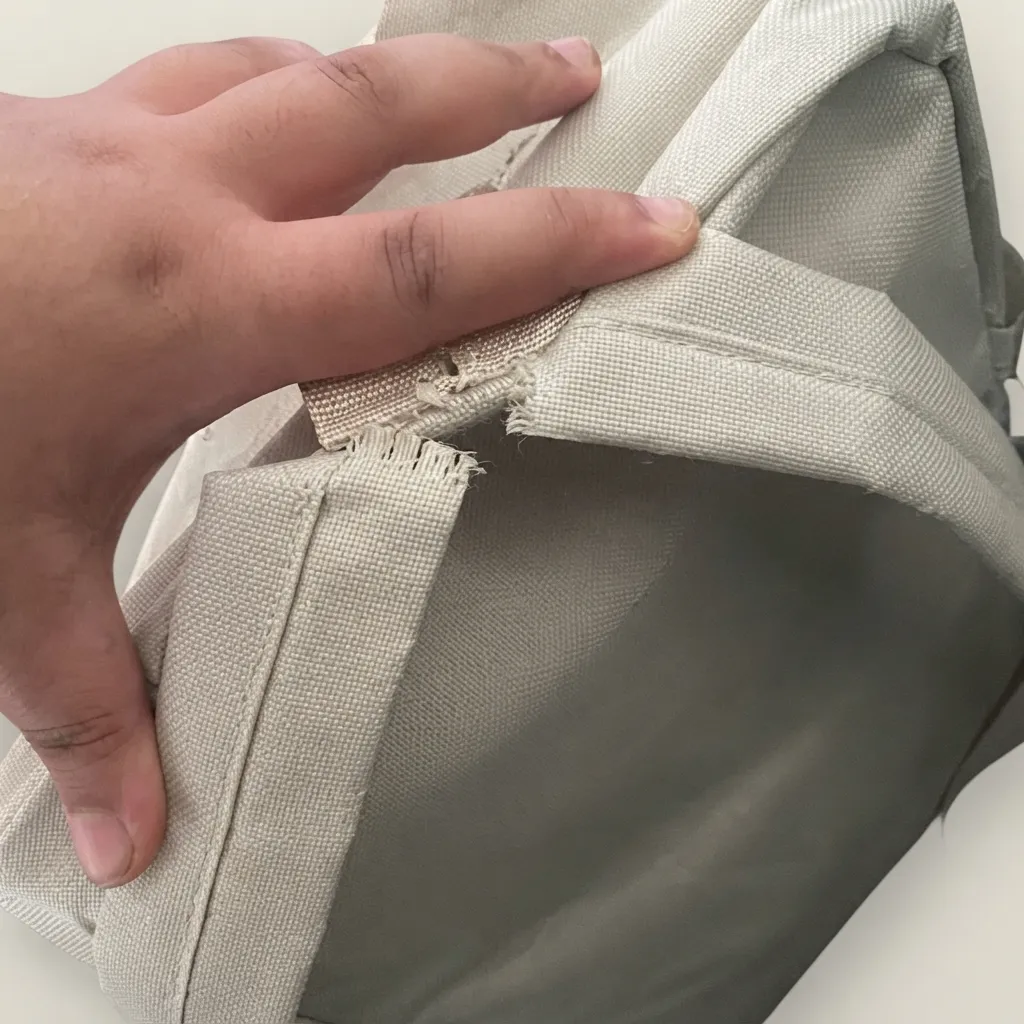
A 28L pack rated for 12kg tears at the shoulder strap anchor when loaded to 9kg. The bartack was there — but the reinforcement patch was too small and the stitch count too low for the fabric's tear strength.
34% of backpacks fail at stress points below their rated load capacity
Our Solution
28-stitch bartack minimum at every load anchor. Double-layer 420D nylon reinforcement patches. Every design load-tested to 150% of rated capacity before production approval.
Quantified Result
Zero load-point failures across our production history. Load-tested with digital force gauge, results documented per batch.
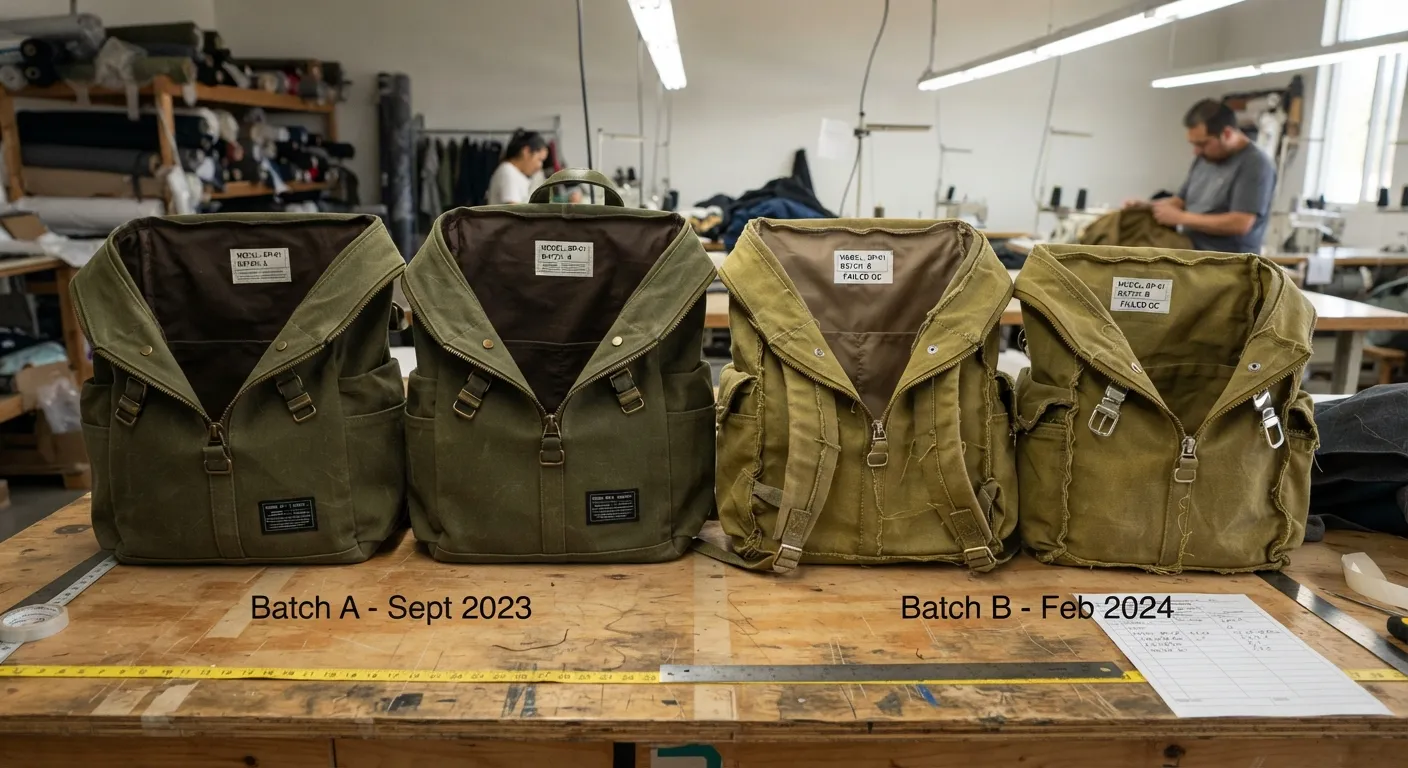
First order: flawless. Second order: minor deviations. Third order: different fabric hand-feel, color shift in the buckles, stitching tension looser. Your customers notice the difference between batches.
41% of brands report quality degradation by the third production batch
Our Solution
Sealed golden sample reference for every SKU. AQL 2.5 inspection at 4 stages: incoming materials, in-line (every 200 units), pre-shipment, and individual check. Batch deviates >2%, it's rejected.
Quantified Result
99.2% AQL pass rate. Batch #10 matches batch #1. Full photo QC documentation with every shipment.
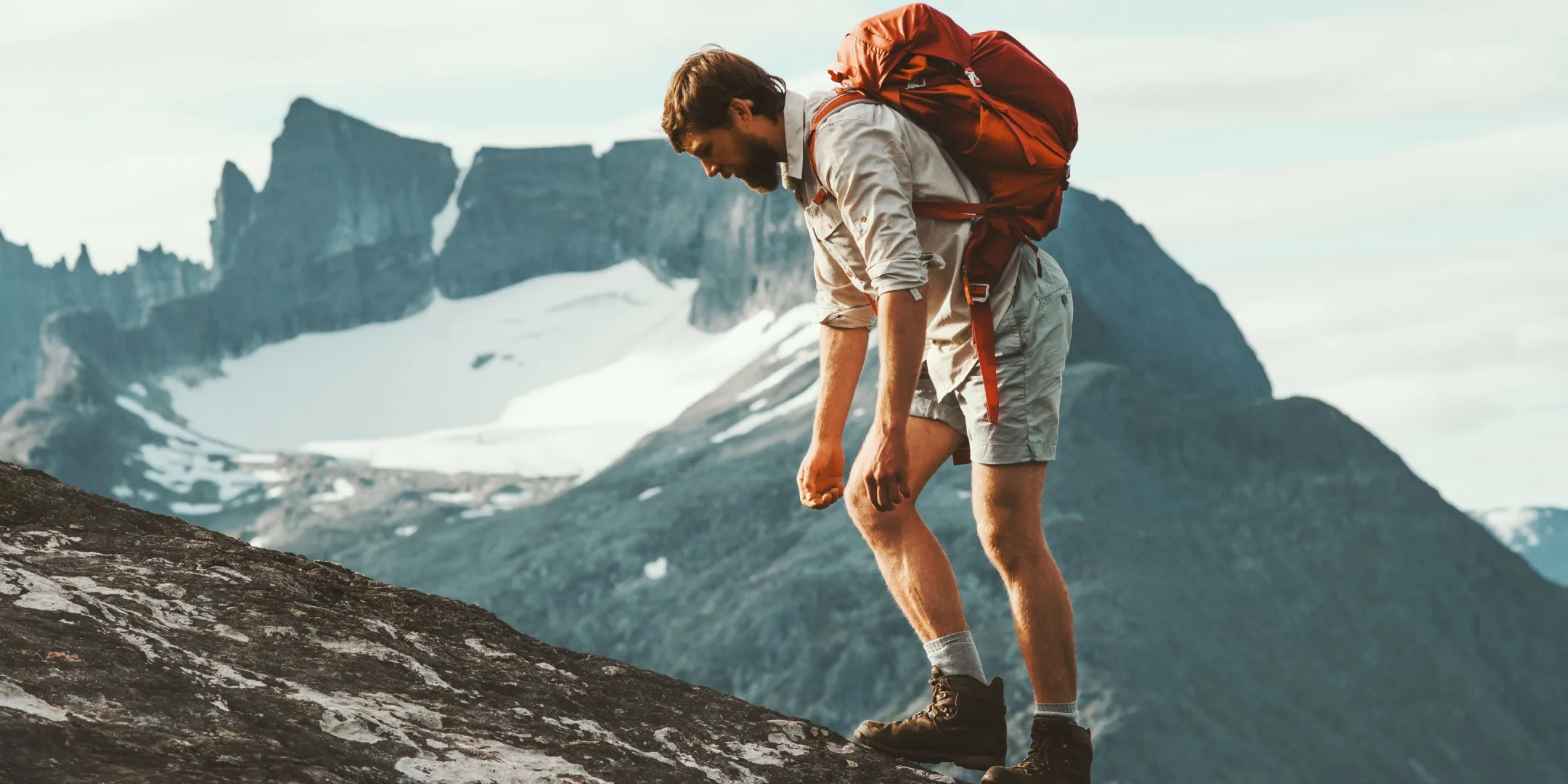
Your pack looks great on the product page. But after two hours on the trail, the straps dig in, the back panel is a sweat-soaked sponge, and the load-lifters are positioned for someone 6'2" — not your actual customer.
47% of negative backpack reviews mention comfort or fit issues
Our Solution
S-shaped shoulder straps with multi-density EVA foam (45/55/65 Shore C). 3D air-mesh back panels with ventilation channels. Adjustable sternum strap and load-lifters engineered for 5'2"–6'4" fit range.
Quantified Result
Wear-test validated across 50+ testers. 4.6+ average comfort rating in third-party wear trials.
How We Build
Each one directly affects what your customer experiences — comfort, durability, waterproofing, and trust in your brand.
Before cutting, we audit every stress point against real trail scenarios: a 12kg load bouncing on singletrack, a 40L pack dragged over granite, a grab handle hoisted 50 times a day at airport carousels. Weak points get caught in CAD, not in customer reviews.
Physical samples in 7-10 days, not 3-4 weeks. In-house sample room with direct engineer feedback — stitch density measured, strap drop dialed to the millimeter, edge finishing checked under three light temperatures. Most designs approved in 1.2 revision rounds.
We simulate what your customers actually do: Martindale abrasion for granite scrambles, UV aging for desert hikers, cold-crack testing for alpine mountaineers, salt-spray for coastal paddlers. Test certificates ship with every order — not a marketing claim, a lab report.
A bag worn for 8 hours on the trail is not the same as one tried on in a living room. We pressure-map straps under load, heat-map back panels on moving bodies, and wear-test across 50+ testers of different builds. Your customers shoulders and spine will thank you at kilometer 20.
Outdoor customers are merciless reviewers — one leaked seam or snapped buckle becomes a permanent one-star rating. You see every QC checkpoint in real time: incoming material lot tests, inline inspection photos, pre-shipment sampling. 340+ batches caught before they could damage a brand reputation in 2024.
Your customers hike through national parks, not shopping malls. They care what their gear is made of. We supply REPREVE rPET, ECONYL regenerated nylon, PFC-free DWR — each with GRS or OEKO-TEX chain-of-custody documents. Your sustainability page gets real paperwork behind every claim.
Manufacturing Technologies Under One Roof
CNC Machining
Sheet Metal
3D Printing
Injection Molding
Die Casting
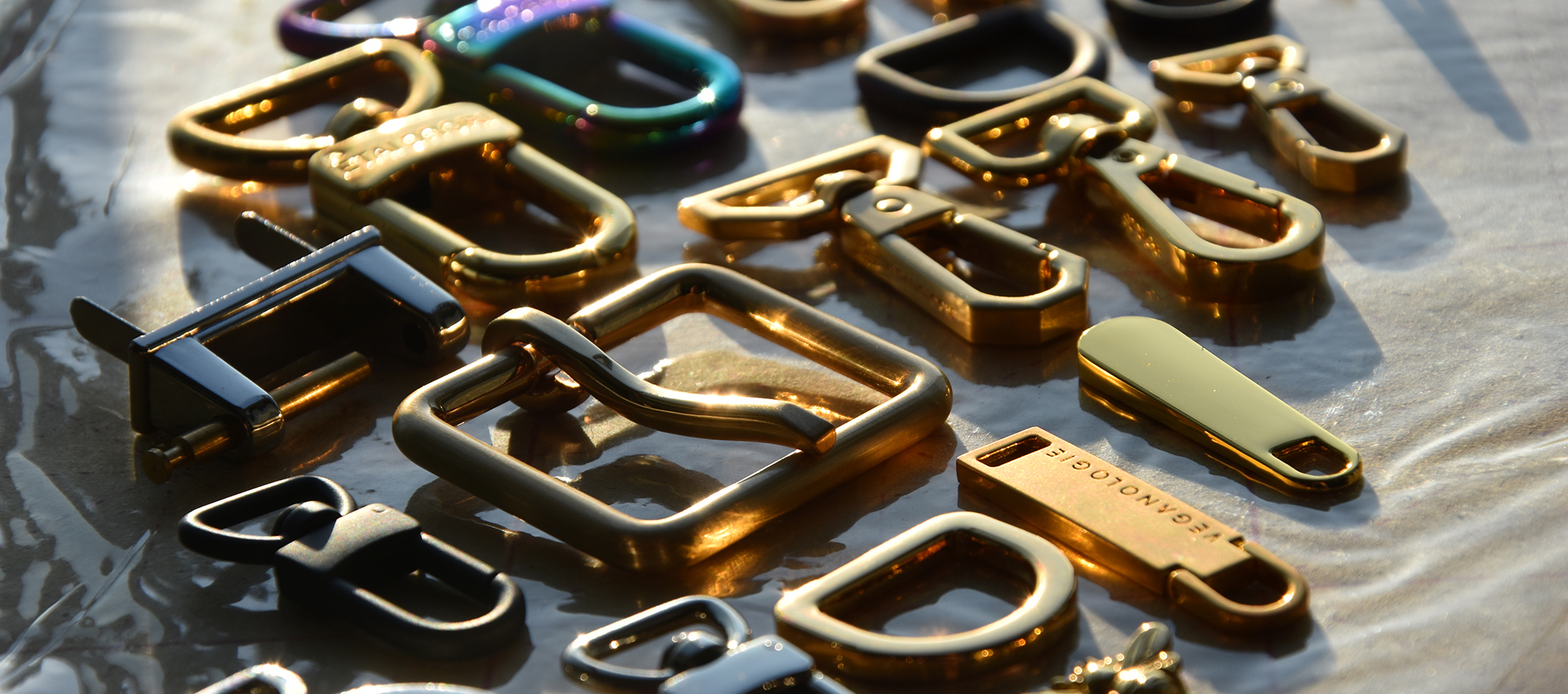
Finishing
Quality Engineering
The six most common failures in outdoor backpack production — and exactly how they get stopped before a single unit leaves the factory.
Root Cause
A daypack on the Pacific Crest Trail goes through 40+ wet-dry cycles in two weeks. Incompatible TPU/fabric pairings or rushed cure times cause layers to separate at the edges first, then spread inward.
Prevention
Adhesive bond tested on sample swatches from every incoming material lot. Cure time locked at 48 hours minimum (industry shortcut: 24). Thermocouple-verified press temperature with ±3°C tolerance. ISO 11644 adhesion certified.
Delamination eliminated at the source — material incompatibility caught at incoming inspection, not on the trail.
Root Cause
On a multi-day trek, a shoulder strap buckle slips 2mm per hour under load. By hour six, the pack sits 12mm lower — enough to shift weight from hips to shoulders. Undersized webbing or low-friction finish is the culprit.
Prevention
Webbing width matched to buckle slot with <1.5mm clearance. High-friction textured polyester webbing at all adjustable load points. Every buckle assembly load-tested at 150% rated capacity. Hardware sourcing specs →
Zero buckle-slippage field failures. Load-test documentation per batch.
Which Construction Method?
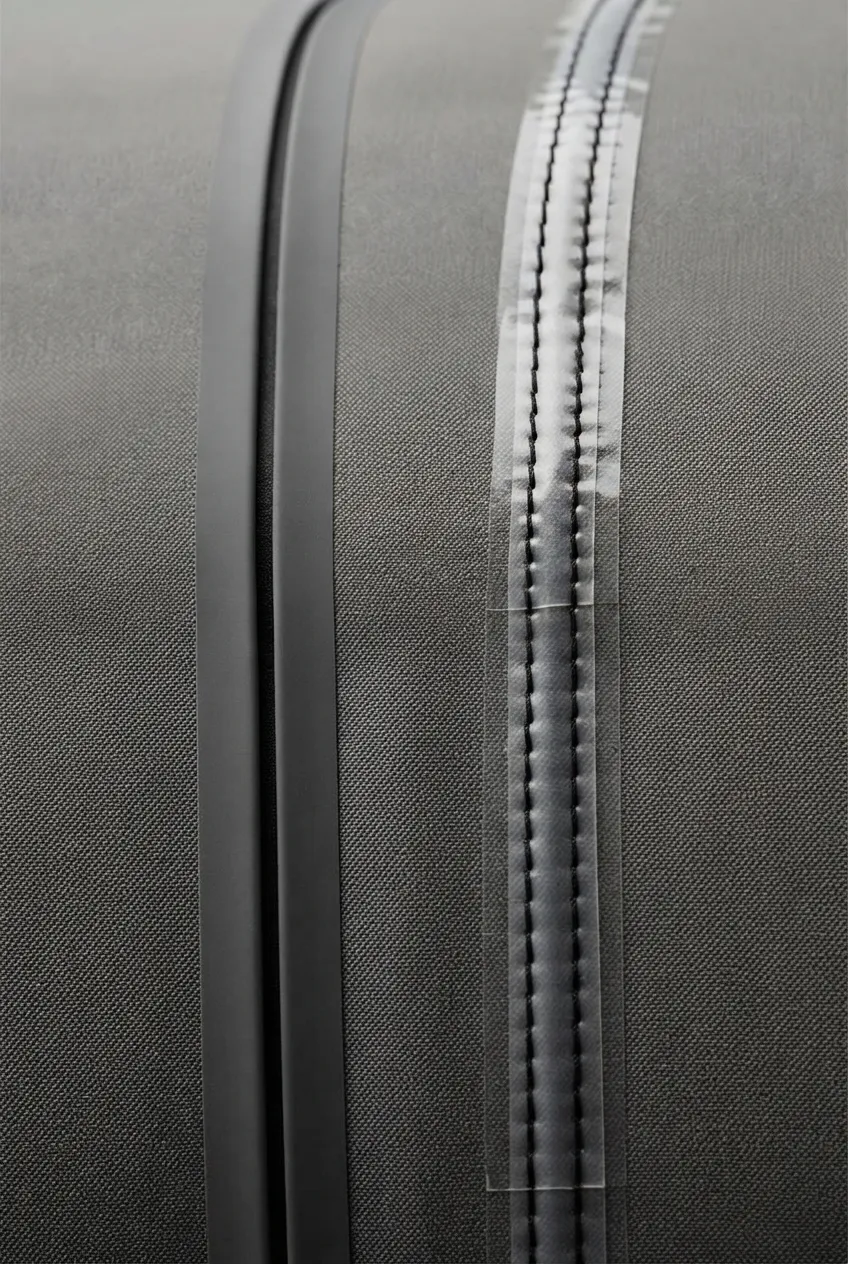
Both methods have their place. Here is a side-by-side comparison to help you decide what is right for your product — no bias, just production reality.
| Metric | RF Welding | Traditional Stitch + Tape |
|---|---|---|
| Waterproof Rating | IPX6 (100L/min jets) | IPX3 (light spray) at best |
| Seam Strength | Stronger than base fabric | Limited by thread strength |
| Production Speed | 8-15 seconds per seam | 25-45 seconds per seam |
| Needle Holes | Zero — no penetration | Every stitch = potential leak path |
| Aesthetic | Clean, minimal, modern | Visible stitching, seam tape edge |
| Material Compatibility | TPU, PVC, coated fabrics | All woven & knit fabrics |
| Best For | Dry bags, waterproof backpacks, bike packs, paddle sports gear | General outdoor, hiking, travel — where IPX3 is sufficient |
The right choice depends on your product's use case, target price point, and waterproofing requirements. We'll help you spec the appropriate construction method — not upsell you to a technology you don't need. Many brands use RF welding for waterproof critical seams and traditional construction for the rest.
Proof in Practice
From 12% rejection rate to 1.2%. From missed deadlines to 98.2% on-time delivery. Here is what happened when a North American outdoor brand moved production to our factory.
In Q3 2024, an outdoor brand needed to scale their flagship Alpine Series backpack from 500 to 2,000 units per quarter while maintaining waterproof certification. Their previous supplier had inconsistent seam weld quality (12% rejection rate), lead times slipping from 8 to 14 weeks, and zero batch-level QC documentation. The brand was losing sales every peak season due to stockouts.
We brought their production into our dedicated welding line with digital pressure monitoring on every seam. YKK AquaGuard zippers on all external openings. AQL 2.5 QC at four checkpoints integrated into the production flow. Material lots pre-tested for TPU coating adhesion before cutting. Every seam pressure-tested with automated pass/fail recording.
Client-signed quarterly performance reports (Q3 2024–Q1 2025). Batch-level QC data from all 6 quarterly shipments. Third-party lab waterproof certification. Client reference available upon request (NDA-protected).
Units/quarter (Q3 2024 → Q1 2025)
Rejection rate (was 12%)
On-time delivery rate
Client Voices

David Okonkwo
Founder, Ridge & River Gear — United States · Q3 2025
"After two years of batch inconsistency with our previous supplier, switching to LantaoBags made an immediate difference — our waterproof daypack's return rate dropped from 4% to under 0.5% within the first quarter. The QC photo reports alone are worth it. Our ops team finally knows exactly what's in every shipment before it lands."

Elena Vasquez
Product Director, Nomad Collective — Germany · Q1 2026
"Eight days. That's how long it took to get samples for our 6-SKU travel bag line — the last factory quoted four weeks. But the real surprise was the engineering feedback: they caught a strap-attachment stress point we would have discovered through customer returns. That alone saved us months of reputation repair."
FAQ
No fluff, no sales pitch — just direct answers from our production floor.
Water-resistant handles light rain and splashes — suitable for commuting and daily use with taped seams. Waterproof means your bag survives sustained exposure: heavy rain, wet environments, even brief submersion for submersible designs. The right choice depends entirely on where your customer uses the bag. A city commuter does not need IPX7 — that is just added cost. A paddle-sports brand does. We spec the protection level to your actual use case, not the highest rating we can bill for.
Yes. IPX7 requires fully welded construction and 100% unit-level inflation testing — not batch sampling. Every single bag is pressurized and checked for leaks before it leaves our facility, plus a random 5% submersion audit. This adds roughly $3.50-5.00 per unit versus a standard taped-seam build. We produce submersible bags for several paddle-sports and marine brands — contact us for a detailed spec breakdown.
Every load-bearing anchor point is bartacked to spec and tested with a digital force gauge on a sample from every production batch. Shoulder strap assemblies are tested to 3x rated load for 60 seconds without deformation. Results are photographed, time-stamped, and included in your batch QC report — the same process whether you order 200 units or 20,000.
Yes — and we provide the paperwork to prove it. Every sustainable material shipment comes with chain-of-custody documentation: GRS for recycled content, OEKO-TEX for chemical safety, or bluesign for responsible production. You get the actual certificates with your shipment, not a supplier promise. We also support PFC-free DWR (C0), recycled hardware finishes, and FSC-certified packaging. If your marketing team needs specific documentation for a claim, we pull it before you ask.
Yes. We produce MOLLE/PALS webbing systems with laser-cut or stitched construction. Key quality controls: webbing spacing must be within 1mm of spec (off-spacing ruins modular compatibility), bar-tack strength on each webbing row, and laser-cut edges must be sealed to prevent fraying (a common failure on cheap MOLLE panels). We can engineer custom modular attachment systems beyond standard MOLLE — magnetic Fidlock interfaces, G-hook lash points, or proprietary rail systems. All modular attachment points are load-tested to your spec.
From travel bags and sport bags to technical outdoor backpacks — factory-direct, one team, one standard. Send us your design. You will get back a production-ready assessment with material recommendations, waterproofing options, and a binding quote.