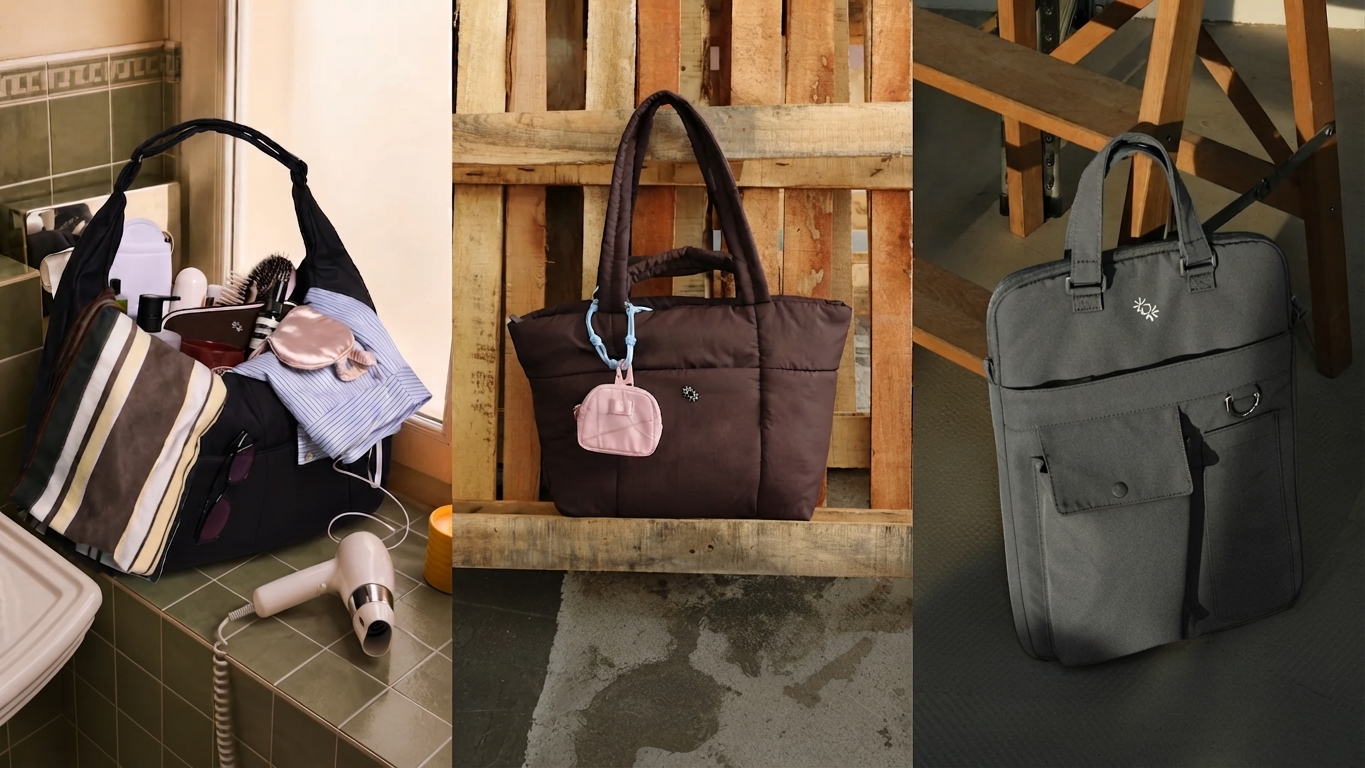
Retail Packaging That Customers Reuse
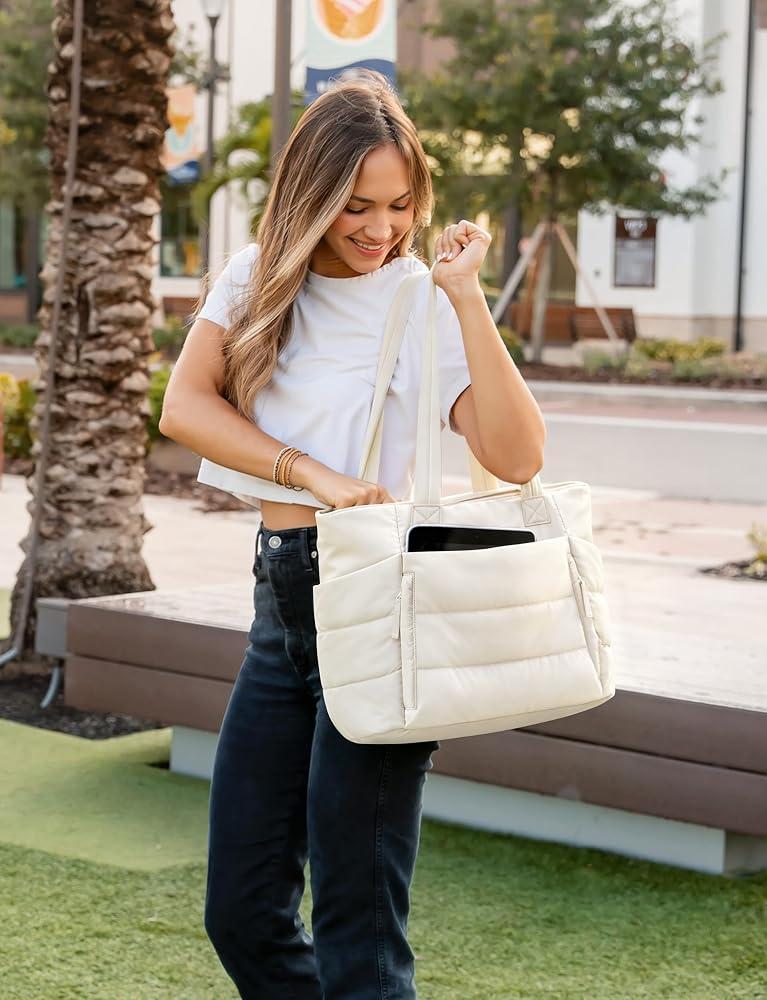
The failure first
We built this page the way we build the bags: list the failure first, then show the system that removes it.
The failure
Stores still handing out bags that are about to be non-compliant — fines and brand risk at the register.
How we fix it
A reusable canvas / rPET tote built to replace the plastic checkout bag, shipped with the compliance documentation your team needs — so the register stays compliant without an urgent reorder.
Result
Checkout stays compliant, and the bag keeps working as a walking ad.
The failure
Poly mailers and courier bags undercut the brand at the moment of delivery — hurting repeat purchase and UGC.
How we fix it
Deploy the tote as a second-layer brand packaging — flat-packed into the box, so the moment of delivery feels designed and the bag gets reused instead of binned.
Result
Unboxing feels designed, and customers photograph it on their own.
The failure
The handle snaps when customers load wine and groceries — negative reviews and in-store complaints.
How we fix it
Load-engineered handles rated to 10–15kg+ with Box-X / bartack reinforcement at each stress point, load-tested and signed off before production — not a promise, a spec.
Result
Fewer breakage complaints; the bag survives real daily carry.
The failure
The first and third reorders don't match — shelves look inconsistent store to store.
How we fix it
A locked golden sample plus four-stage QC on each run — Pantone matched, each batch measured against the reference before it ships, so reorders land indistinguishable.
Result
Each reorder matches the last, batch after batch.
The failure
Low quote, but landed costs blow the packaging budget.
How we fix it
One all-inclusive DDP quote covering freight, customs, and duties — the number you approve is the number you pay, so landed cost never blows the packaging budget.
Result
Predictable margin planning; no invoice surprises.
The failure
Claiming "eco" without GRS / OEKO-TEX paperwork — blocked by channels or audits.
How we fix it
Chain-of-custody documentation ships with each order — GRS / OEKO-TEX certificates and test reports, lot-traceable, so claims pass procurement and audit without a follow-up chase.
Result
Sustainability claims pass procurement and audit checks.
The system
Not a one-off custom job — a repeatable system for tote programs, engineered so the third reorder is as good as the first.
We define the tote from the use case first — in-store carry, ship-with-order, subscription insert, or premium retail gift. Not the other way around.
A checkout tote needs grab-and-go handles and a stable base; a ship-with-order tote needs flat-pack and light weight. Locking the scenario before sampling means we don't design a compromise that fits none of them.
Avoid over-heavy fabric that inflates freight, and under-light fabric that snaps. We spec GSM to the scenario and show you the trade-off.
Dropping from 16oz to high-density 12oz canvas saved 40g per unit and cut shipping cost 15% — the same premium feel at a lower landed cost. We show the freight math before you commit to a fabric weight.
Handle, base, and side-seam load engineering — bartacks, Box-X, and base boards built for daily carry, not showroom photos.
Handles are load-tested to spec (10–15kg+ in retail scenarios), the base holds its shape at 12kg+, and each stress point is bartacked. If it breaks in a customer's hand, it becomes a return — so we engineer the failure out before it ships.
Restrained branding: small logo, interior label, woven tag. A bag that looks like a gift gets reused; a billboard gets tossed.
We advise on logo size and placement so the bag reads as a kept product, not an ad. A tote carried daily multiplies impressions far beyond the unboxing moment — at zero extra media cost.
Golden sample + four-stage AQL 2.5 + Pantone locking, so the third order matches the first.
Each batch is measured against the sealed golden sample — stitch density, material lot, hardware, and color. Deviation beyond tolerance is rejected before shipping, so shelves stay consistent across each reorder.
Delivery to 40+ countries with a restock cadence built for safety stock and store replenishment.
One all-inclusive invoice covers freight, customs, duties, and last-mile delivery to your warehouse, 3PL, or store DC. We plan a restock cadence around your lead time so you never stock out at peak.
Scenario product matrix
Pick the one that matches your channel — each spec (channel, material, load, print) is pre-engineered, not a blank page.
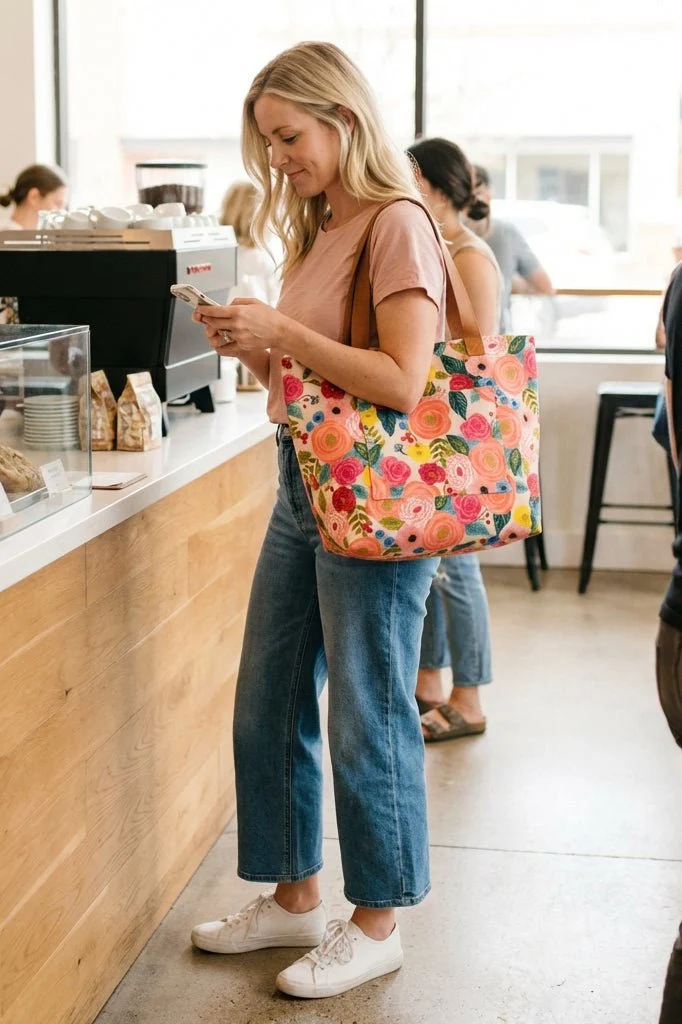
The checkout counter workhorse — easy to grab, fast to bag, built for daily carry.
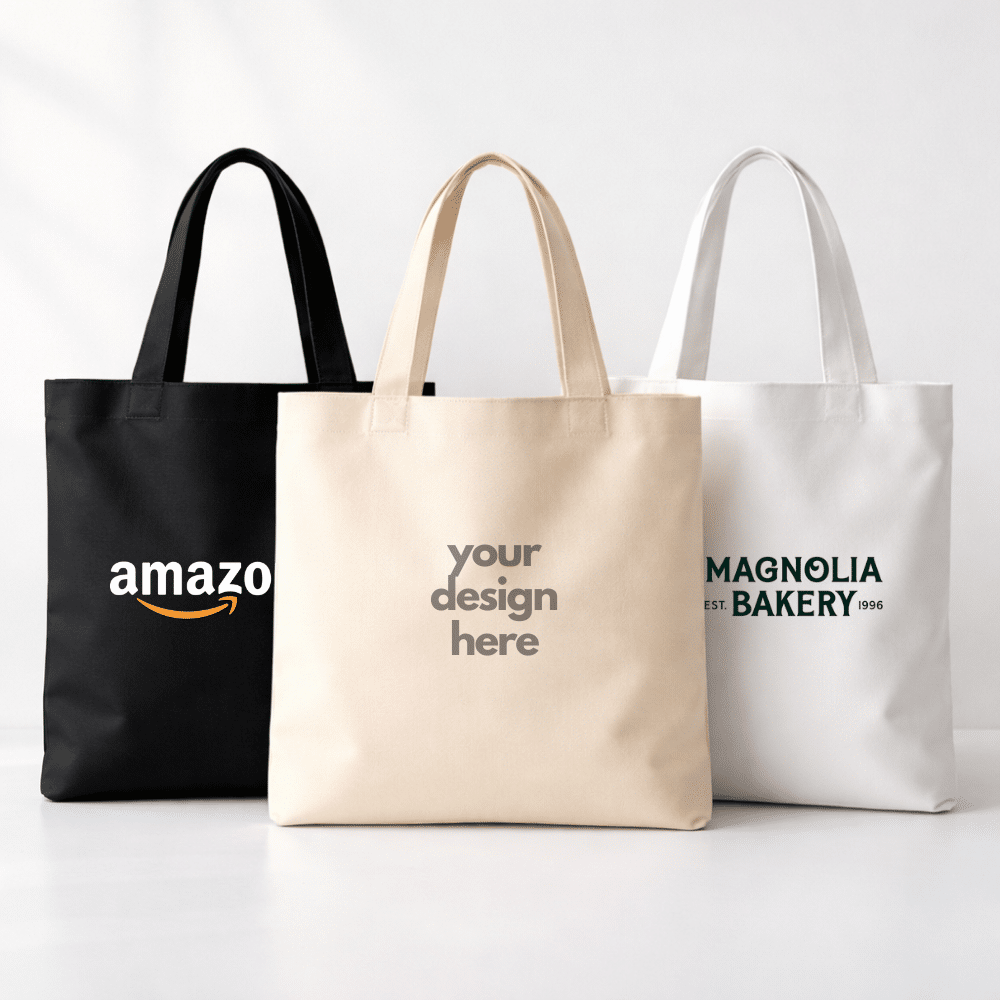
The "second packaging" in the box — flat-packed, lightweight, and good-looking enough that customers keep it.

Folds into a palm-size pouch — a low-cost order insert or member gift that takes almost no storage or freight.
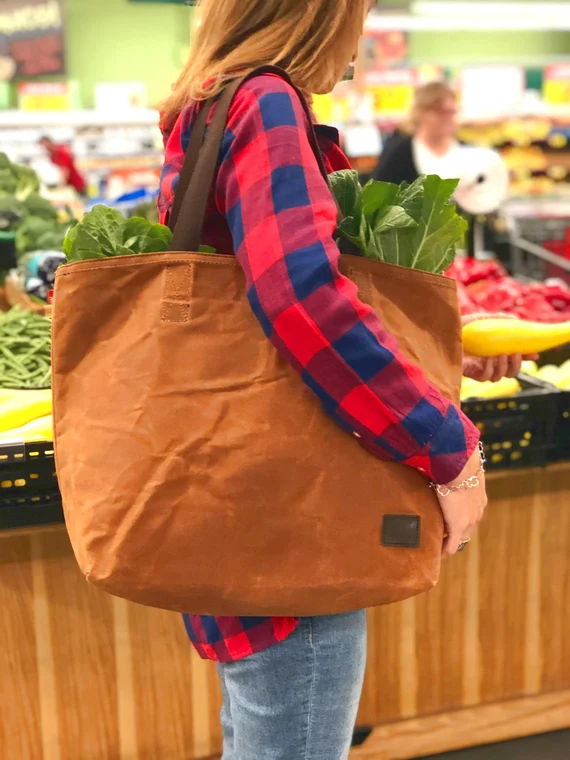
The load-tested workhorse for liquor, general goods, and fresh — rated well above a typical load.

High-AOV retail and buy-with-gift — the one customers keep on the shoulder, not the bottom of a drawer.
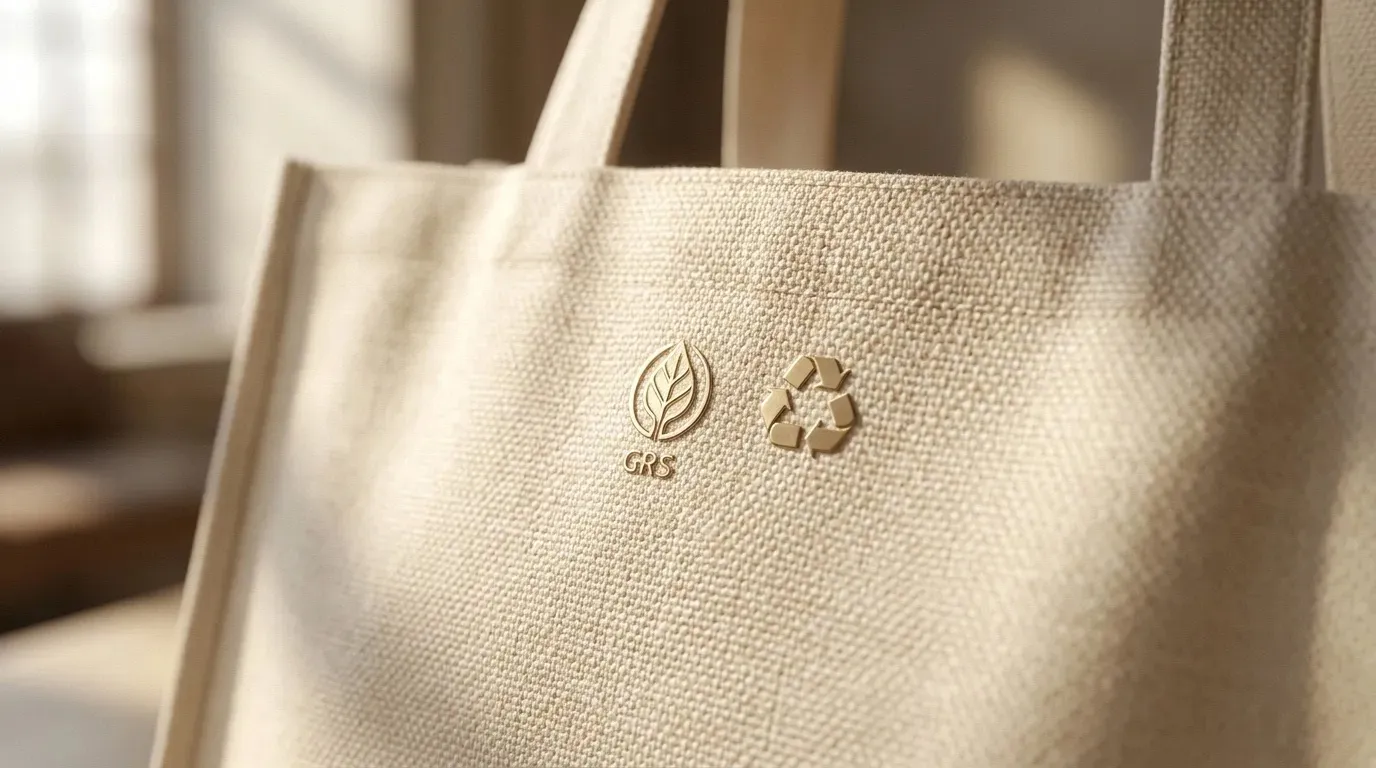
The ESG narrative carrier — certified recycled, lot-traceable, for brands that put the claim on the label.
Material intelligence
| Dimension | Cotton Canvas | rPET 600D | Non-woven PP | Organic Cotton | Nylon Ripstop |
|---|---|---|---|---|---|
| Hand-feel / brand feel | High | Mid-high | Low | High | Mid |
| Load & durability | High | High | Low | High | High |
| Water resistance | Mid (finishable) | Good | Mid | Mid | Good |
| Freight / fold volume | Mid | Good | Best | Mid | Good |
| Verifiable eco | GOTS option | GRS | Weak | GOTS | GRS / rNylon |
| Best fit | Premium retail | E-comm + chains | One-off events | Strong ESG brands | Light outdoor daily |
We recommend by channel + price point + freight structure — we don't default to the most expensive material.
Design engineering
These are the failure points we see most in daily totes. Each one is fixed in engineering before it reaches your customer.
Problem
Handle root tears — the reinforcement patch is undersized and the stitch count too low.
How we fix
Oversized reinforcement patch with 28-stitch bartacks at each load zone, lock-stitched at 5–6 SPI, and load-tested to 2–3x the rated carry weight before any stress shows.
Result
2–3x handle load capacity, no visible design change.
Problem
Bag base sags or collapses when loaded because the base liner or seam type is wrong.
How we fix
Rigid base board bonded into the bottom, double-fold base seams, and side gussets that stop splaying — the bag keeps its silhouette under a full load.
Result
Holds shape at 12kg+ — shelf-ready, not a potato sack.
Problem
Dark prints bleed and wash-fade — and customers do machine-wash these totes.
How we fix
Color-fast inks matched to the fabric, plus a cold-wash and friction test protocol that production must pass — so dark prints survive the washes customers actually do.
Result
Prints hold after repeated cold washes.
Problem
Foldable models crack at the crease and hook-and-loop dies fast.
How we fix
Reinforced crease zones with a flexible spine, and hook-and-loop tested to its rated cycle count — the fold line and closure outlast the bag's life.
Result
Foldables survive 500+ open-close cycles.
Who this is for
The pressure: Needs unboxing differentiation without blowing packaging COGS.
What they get
A tote that lifts unboxing UGC and repeat rate at a packaging line you can defend.
The pressure: Needs multi-store consistency, restock stability, and compliance files on hand.
What they get
One base program, stable reorders, and documentation that clears the check.
The pressure: Needs a bag that goes into the ESG report — not a slogan.
What they get
GRS / GOTS options with chain-of-custody paperwork, lot-traceable.
Client reviews
Feedback from the people who live with the bag each day — procurement, merchandising, and operations.
"Our checkout bag used to snap on customers roughly once a week — usually with a bottle of wine or a heavy shop. Store staff kept spares behind the till, and returns from broken handles were a standing line item in the weekly report. Within a quarter of switching to the daily tote, store managers stopped reporting broken handles entirely. The bag loads and bags faster than the old one, and customers comment on it at the register — it actually looks intentional. We've now rolled it into each door and stopped treating packaging as a cost to shave. Same footprint, far fewer complaints."

"Before, our third reorder never matched the first. Color drifted, print placement shifted, and we were re-doing shelf sets and PDP photography each drop because the bags looked like a different product each time. The fix was having one locked reference and checking each batch against it before shipping. Now what we approve is what lands — the same bag, batch after batch. We made the tote a permanent SKU instead of a one-off campaign item. It simplified replenishment, and our merch team stopped treating each order as a new project."

"Our sustainability claim used to be one sentence on the website with no paperwork behind it. Each audit asked the same question, and we never had a clean answer. The certification documents shipped with the order, lot-traceable, so the chain of custody was documented from day one. Our annual audit closed in one round. The bag is now a line item in the ESG report instead of a footnote — and it's the one packaging decision no one on the team has questioned since."

FAQ
Sampling runs 7–10 business days, production 30–45 days after sample sign-off, then ocean 4–6 weeks or air 5–8 days. We reverse-plan the schedule from your launch date so the first order lands when you need it — not a week after.
Yes. Send a physical sample and we'll reverse-engineer the construction, then spec the upgrades that matter — reinforcement at the stress points, a fabric weight that cuts freight, and a locked color standard. You keep the same footprint with a better bag.
You approve a spec or send a reference, we produce a physical sample in 7–10 business days with annotated engineering feedback, and you approve it with your hands — not just photos. The sample fee is credited toward your bulk order.
Yes. Many teams run one base silhouette with two tiers — a simplified build for GWP and an upgraded trim / packaging version for paid retail or DTC. Sharing the base keeps both consistent and reorderable.
We color-match to Pantone across fabric, thread, zipper tape, and print ink, and confirm it under multiple lighting conditions — retail halogen, office fluorescent, and daylight. A lab-dip approval step lets you see the color before production.
Each shipment includes QC photo documentation. If a defect slips through, send photos within 14 days and we rework or replace the affected units at our cost. Our post-delivery defect claim rate stays under 0.8%.
Zero-risk entry
Send your current bag, a reference photo, or your monthly volume. Within 24 hours you get material recommendations, load-structure feedback, and an all-inclusive quote — no pressure, no obligation.