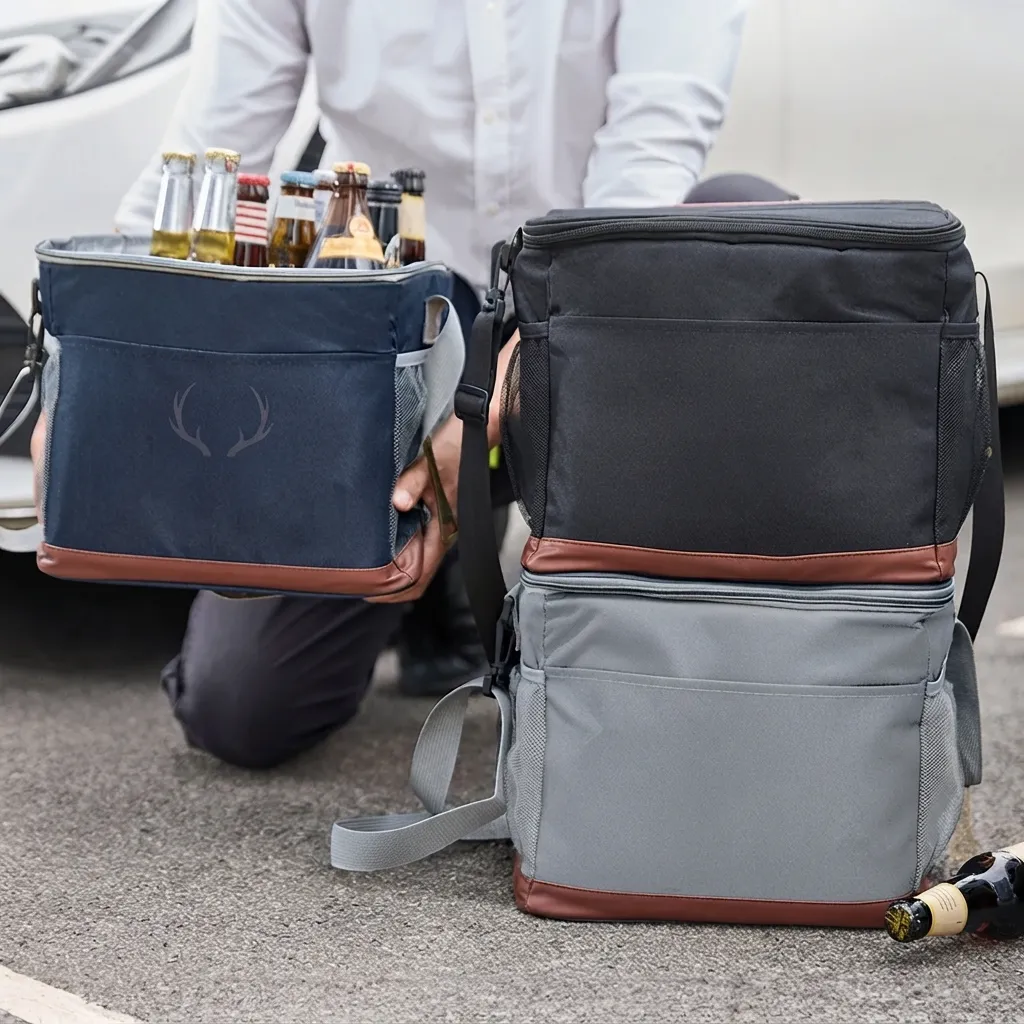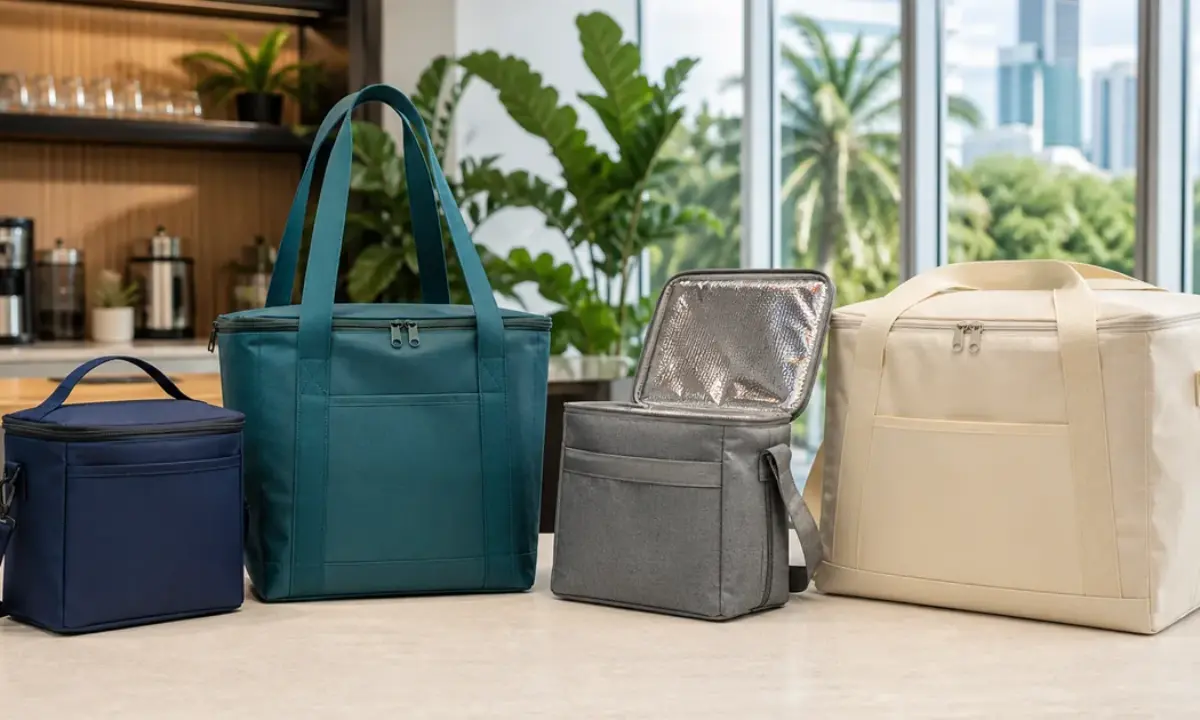
Temperature loss and leaks kill customer trust fast. Our cooler bag solutions combine high-density thermal insulation with laser-welded leakproof linings to eliminate transit loss, ensure food safety compliance, and keep customers coming back.
Configurable hold time
Food-contact documentation
Starting MOQ, mix styles
Door-to-door, 40+ countries
The Moment of Truth
Two ways it goes wrong — and the fix that turns each one into a reason to reorder.
An order lands forty minutes late and lukewarm. The soup has cooled, the fries have gone soft. One bad delivery is a refund — a pattern of them is a lost account.
How we solve it
Liner and insulation matched to the actual route and ambient temperature, then sealed with welded seams. A stated hold time, backed by a test report — not a slogan.
What changes for you: meals arrive in the safe zone, temperature refunds fall, and couriers stop dreading the load-out.
On the first morning out, condensation pools in a new lunch tote and soaks through to a laptop sleeve. One-star review, return requested.
How we solve it
The tote is built around a waterproof, weld-sealed liner, so the outside stays dry while the inside genuinely holds ice. "Really keeps things cold" becomes testable, not a guess.
What changes for you: returns drop, one-star reviews turn into repeat purchases, and the tote becomes the accessory customers photograph.
That's how "the state it arrives in" becomes a repeatable, verifiable standard.
What Changes for You
Each one is written as a business result you can measure, with the engineering that produces it kept short.
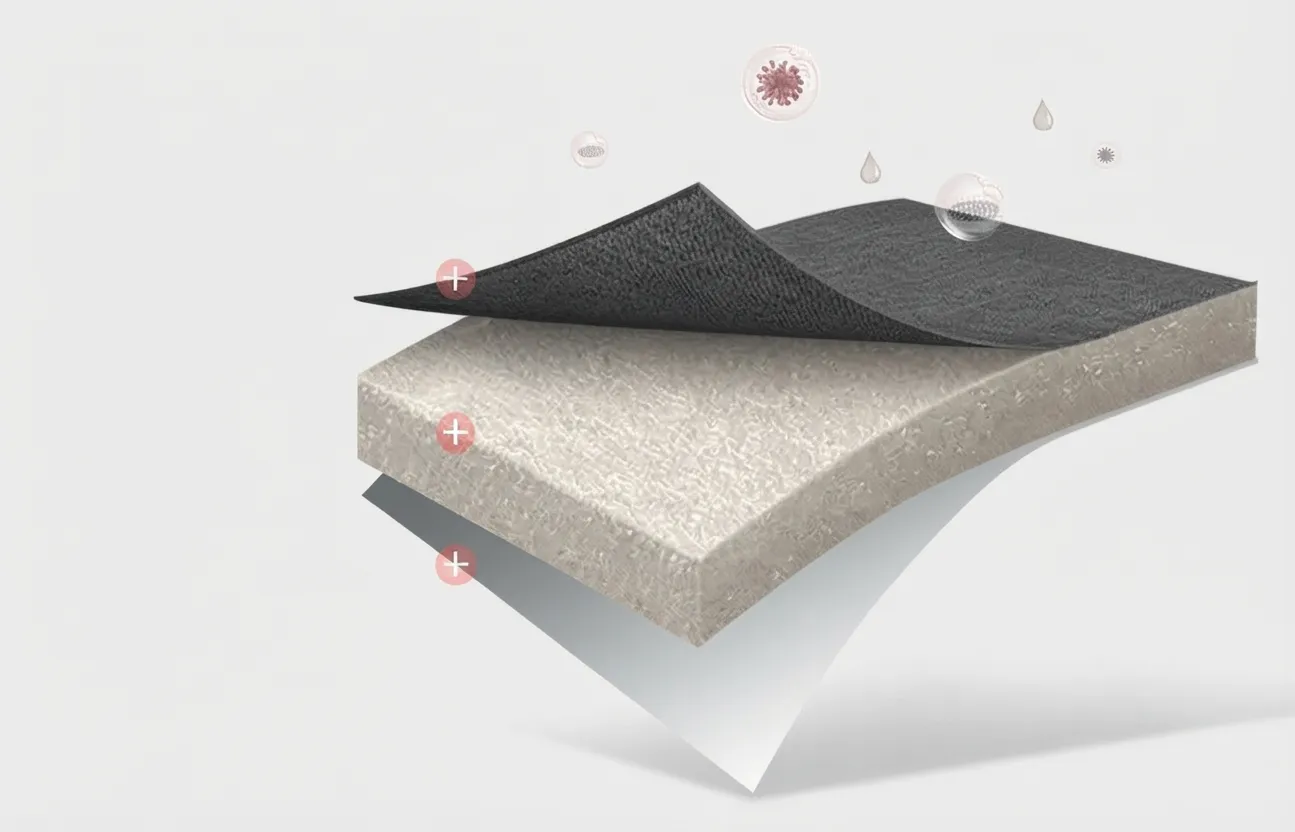
The hold comes from a closed-cell foam core wrapped in reflective film, with a sealed closure that keeps heat out over a long route. The zipper is gasketed so warm air can't slip through, and the foam is layered to hold temperature without stacking extra ice packs.
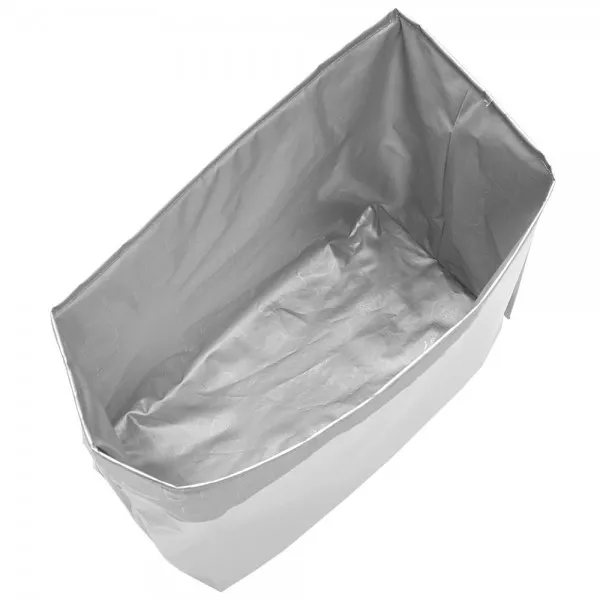
The liner is a single welded food-grade film — no stitch holes to weep through — shaped to wipe clean and drain before odor can settle. The base and corners, where a spill pools first, are formed from that same continuous film rather than stitched, leaving no seam for liquid to find.
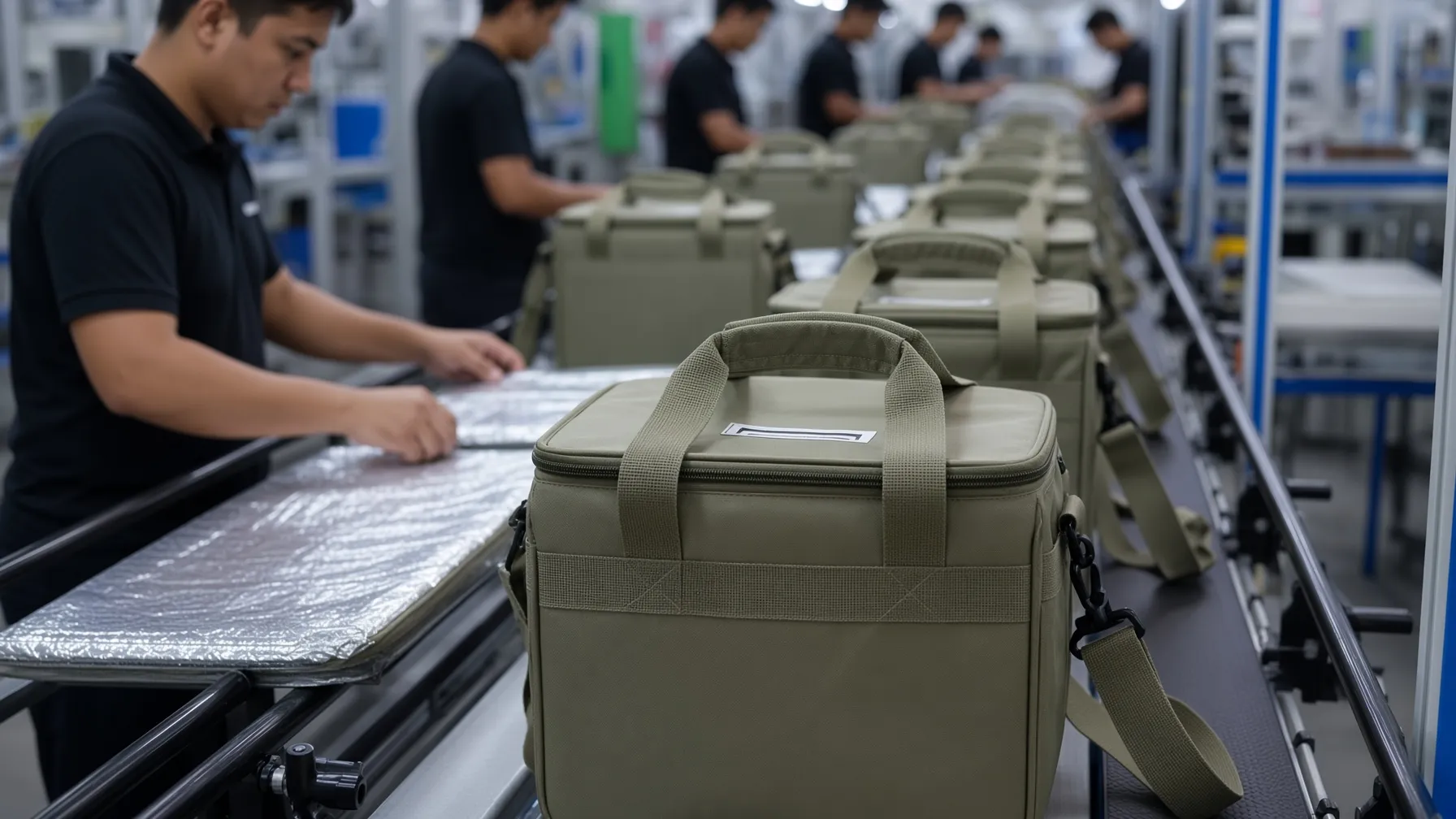
Production is built to the approved sample and checked at the liner, assembly, and finish stages — the bulk order matches what was signed off, batch after batch. A sealed golden sample is the reference each stage is measured against, so a mismatch is caught before it reaches a carton.
Two Tracks, One Standard
The engineering baseline doesn't change. What changes is what you're optimizing for — and how the bag has to read.
A fleet lives or dies by temperature, leaks, and how the bag survives daily load-and-go.
The fix
The result: Fewer lukewarm-meal refunds, dry seats, and a fleet that runs without courier pushback.
A cooler has to read as an accessory and still deliver on the cold promise — or it gets returned.
The fix
The result: Returns stay low and reorders keep coming — the bag earns its place in the lineup.
The Spec Sheet That Matters
What each spec actually means for leakage, hold time, and batch risk — paired with the questions to put to any factory.
A number means nothing without its test condition — ambient temperature, ice-to-product ratio, open or closed. Insist on the report, not the slogan.
Stitching pierces the liner film and becomes a leak path; welded or sealed seams don't. This single choice drives most leakage.
The layer that touches food needs its own certificates, with batch traceability across the full run — not a blanket factory certificate.
In a fleet, the first points to fail are handles, base, and zipper under full weight over repeated cycles. Ask what they're rated for.
Once a sample is approved, the bill of materials is frozen so production can't quietly swap materials. Ask how changes are gated — and who signs off before anything drifts.
Buyer Checklist
How It Moves
We map the delivery window, container size, and compliance market first — the first sample lands close, not a guess.
You feel the bag the way a courier or customer uses it — hold, leak, open-close — no surprises in the field.
Production runs to the approved standard with checkpoints — what ships matches the sample, carton after carton.
One invoice to the warehouse — freight, duties, and last-mile handled, launch never held up by logistics.
Evidence, Not a Certificate Wall
Where a fleet switch or a liner upgrade has shipped, temperature complaints and leakage have fallen — measurable outcomes, not claims. Compliance is documented on request, not framed as decoration — and orders are inspected to AQL 2.5 before they leave the factory.

Further Reading
Custom Cooler Bag Manufacturer
OEM/ODM insulated cooler bag design and production.
Cooler & Insulated Bags: Unlock Business Profits
Where insulated bags turn into high-margin revenue streams.
6 Types of Lunch Bags: Durable Materials
A teardown of liner, foam, and zipper choices by use case.
Leak-Proof Lining Engineering: A QC Plan
How heat-welded seams are tested for a zero-leak guarantee.
Customer Reviews
Three teams running food delivery, meal kits, and lifestyle brands — and what changed after the switch.
Fueling athletes and whole team operations means a leaky or lukewarm bag isn’t an annoyance — it’s a lost result. Before the switch, patching together cooler boxes meant absorbing refunds whenever a route ran long.
The welded liners and a documented hold time changed the load-out completely. Meals land at the right temperature run after run, and the drivers finally trust the gear handed to them.
At roughly fifty staff and a fleet running every day, the right partner needed to scale without tying up cash. It feels like an in-house team, not a factory overseas.
Co-Founder & CEO, FuelHub — UK
Last-mile temperature loss is the problem thermal lockers solve, so the bag carrying a meal to the locker matters as much as the locker itself. A ten-person team can’t afford to babysit a supplier.
Starting small meant validating with construction sites and platform partners before committing to volume. The bags landed in Melbourne matching the approved sample down to the logo placement.
When a route runs late, the insulation holds. Partners in the field stopped hearing cold-meal complaints within a month of the switch.

Co-Founder & CEO, Foodifox — Australia
Kits arrive frozen until the customer cooks them, so cold-chain handling decides everything. Packaging couldn’t crush, leak, or sweat through delivery — with food-safe documentation to back it.
The FDA and LFGB paperwork shipped with the order, which mattered for the Singapore expansion and the B2B channel asking for compliance files overnight.
As a small team, the partner sized samples to the budget and locked the spec after approval. Quality has held across the first three production runs.

Founder & CEO, Meals in Minutes — Malaysia
Common Questions
Face fabrics are matched to Pantone or a printed proof, and logos can be applied by embroidery, screen print, or woven label. We review the brand guidelines before production so the finish reads consistently across the whole run.
Send a sketch, a photo, or a reference bag and we build the tech pack for you — dimensions, materials, and construction notes — then converge through sample rounds until the prototype matches the idea.
RPET face fabrics, recycled insulation, and recyclable packaging are all available. Where a sustainability claim is part of the product, we supply the traceability and certificate documents to back it.
Typically 25–35 days, depending on quantity and construction. The timeline is locked at approval and you receive weekly photo updates, so there are no surprises between sample sign-off and delivery.
If a defect is confirmed against the approved sample, we rework or replace under the agreed terms — through a documented claim process rather than a back-and-forth.
Start With a Photo, Not a Purchase Order
Share the container dimensions, the target hold time, and (if one exists) a photo of a problem sample. We reply within 24 hours with feasibility and a structural direction — no commitment to order.
Typical MOQ 300 · Sample lead ~7 days · FDA / LFGB and REACH support included