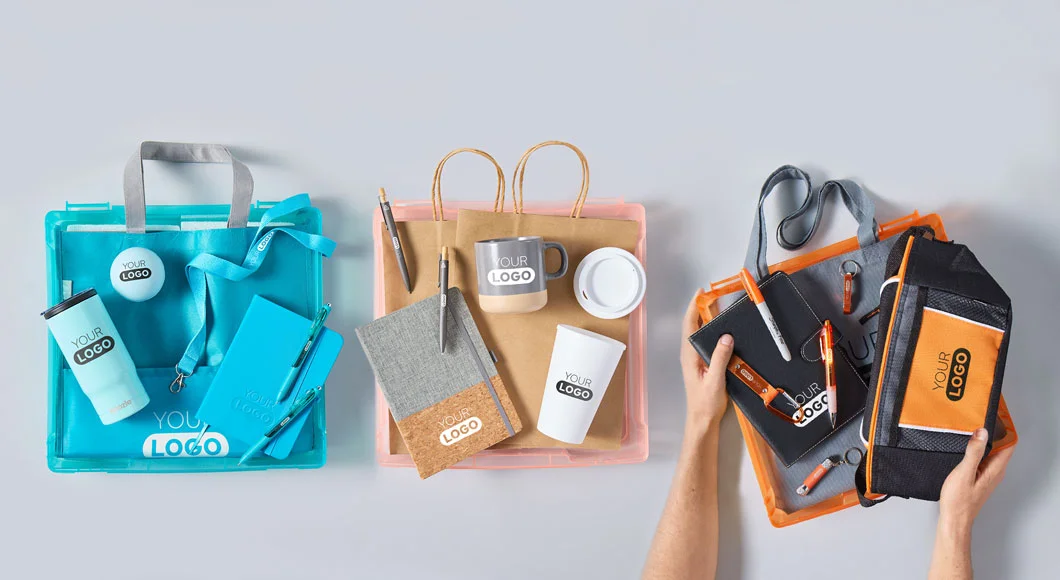
Corporate gifts and custom tote bags aren't "hand out and forget." They're the lowest-cost, longest-lasting mobile advertising you'll ever deploy. We help marketing, event, and procurement teams solve the real problems: quality waste, deadline risk, and ROI that's impossible to measure.
The Reality Check
Compiled from candid conversations with marketing, procurement, and event teams. If any of these sound familiar, the problem isn't the bag — it's treating gifts as disposable expenses instead of long-term marketing tools.
"Ordered 5,000 tote bags for our global summit. Half were left in hotel rooms or tossed at the venue. Our brand didn't travel home — it went straight to the landfill."
Spec 600D+ fabric. A bag that survives daily use for 12+ months keeps your brand visible. Material quality — not unit price — determines retention.
"The quote looked competitive. The final invoice added mold fees, revision charges, rush fees, and split-container logistics. Our "budget-friendly" gift ended up 43% over plan."
Demand an all-inclusive quote upfront. Mold fees, sampling, revisions, and shipping should be one number — not a series of surprises.
"Marketing ordered blue bags. HR ordered "navy." Sales ordered "dark blue." At our annual conference, three departments handed out three visibly different bags with the same logo. It looked amateur."
Centralize procurement under a single brand standard. One Pantone, one logo placement, one supplier — across every department and region.
"My CFO asked what ROI we got from the 3,000 conference bags. Best I could say was "they were all picked up." No data on retention, reuse, or actual impressions generated."
Track impressions like paid media. Build lifetime impression projections per bag and survey attendees post-event for retention data.
"Our brand committed to sustainability. The factory said the bags were "eco-friendly" but couldn't produce a single certificate. One journalist's question nearly became a PR crisis."
Require third-party certification documents with every shipment. GRS, chain-of-custody, and test reports should arrive before the bags do.
"We put our logo huge across the entire bag — we wanted visibility. Instead, people left them in the conference hall. Nobody wants to be a walking billboard for free."
Use restrained branding: small debossed logo, interior label, or custom hardware. When a bag looks like a gift, not an ad, it gets used.
The System
Five interconnected pillars that transform your gift budget from a sunk cost into a measurable, defensible marketing investment.

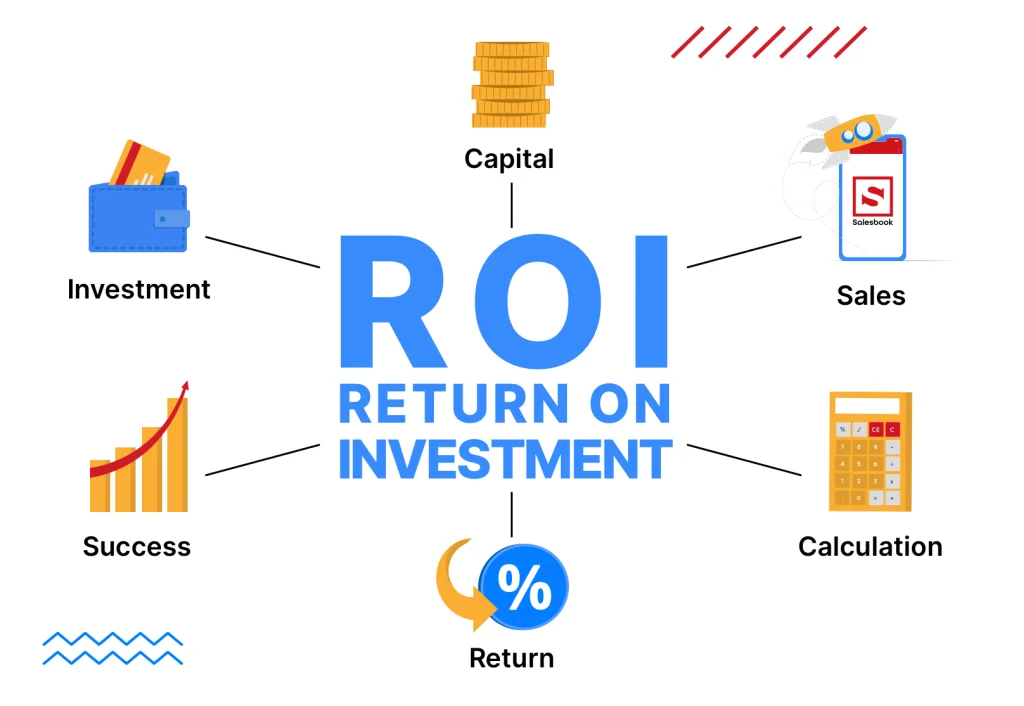
We stop talking about unit price and start calculating real exposure cost. A well-made tote bag in the right hands generates thousands of lifetime impressions — delivering cost-per-impression that beats most digital channels. We provide clear exposure projection logic to help you prove budget value to leadership.
Cost-per-impression often 80-95% lower than paid digital

Corporate gift value is tied to event dates — miss the date and the entire investment resets to zero. We reverse-engineer the timeline from your event: sample approval, bulk production, and DDP global delivery are locked against your non-negotiable deadline. Every batch ships with consistency verification and quality documentation.
98.7% on-time event delivery rate across 200+ brand programs

Over-branding turns a tote bag into a walking billboard — and dramatically reduces daily use. We advise on optimal logo size, placement, and presentation so your brand is remembered without being rejected. We also unify multi-department procurement to eliminate the "three shades of blue" problem before it happens.
Subtly branded bags see 3x higher daily use rates
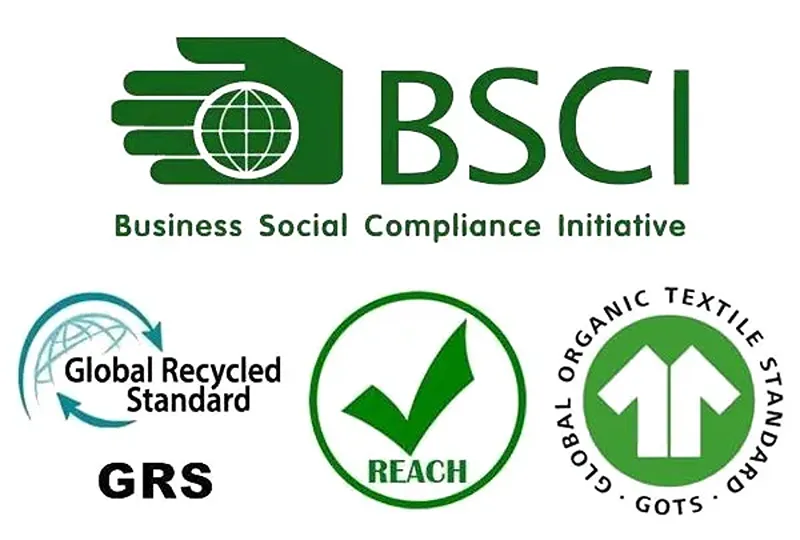
Stop at the slogan and you risk being called out. We provide traceable recycled materials with full chain-of-custody certification — GRS, OEKO-TEX, REACH — so your gift becomes visible proof of your ESG commitment. Let the tote bag tell your sustainability story with documents, not marketing copy.
Traceable material certifications — not marketing claims

From small-batch pilots to large-scale event runs, our cost structure is clear from day one. No mold fees that appear on invoice three, no revision surcharges, no split-container surprises. Start with a pilot run to validate usage rates and feedback, then scale with confidence — same factory, same QC team, same standards.
Start at 300 units pilot, scale to 10,000+ with consistent pricing
Free Resources
Download these ready-to-use resources. Each one is built from 200+ brand programs — no theory, just actionable templates.
Input cost vs. projected lifetime impressions. Comparison logic against digital ad CPM benchmarks. How to measure success by "actually used" instead of "handed out."
Proven Outcomes
The numbers behind our approach — measured across 200+ corporate brand programs and counting.
Average waste-rate reduction when switching from cheapest-bid to quality-retention approach
Higher daily use rate for subtly branded vs. over-branded corporate bags
Lower cost-per-impression vs. equivalent digital advertising spend
Brand programs delivered on time with full batch consistency documentation
Why We're Different
Most promotional product vendors optimize for unit price. We optimize for what happens after the bag leaves your event.
| What You Need | Typical Approach | Our Approach |
|---|---|---|
| Reduce gift waste rate | Cut unit cost → lower quality → higher discard rate | Spec durable materials → 68% still in use at 6 months |
| Prove marketing ROI | Report units distributed, no retention data | Per-bag exposure modeling + post-event retention survey template |
| Multi-location brand consistency | Split across vendors → color and quality drift | Single batch, locked master sample, per-location QC report |
| Scale from pilot to full production | Different factory for different volumes | Same team follows your order from trial run to container loads |
| Avoid "walking billboard" rejection | Fill available space with logo → lower daily use | Restrained branding guidance → measured 3x higher use rate |
What Clients Tell Us
"We used to buy the cheapest bags and treat them as disposable swag. 5,000 units per event, and we'd see maybe 20% of them again after the conference ended. The rest? Hotel trash bins. After switching to their quality-retention approach, our post-event survey showed 68% of attendees still using the bag six months later. Our CFO noticed — for the first time, we had a retention number instead of a distribution number. The budget conversation shifted from "how many did we give out" to "how many impressions did we generate.""

Akiko Yamamoto
VP Brand Marketing, Global Tech Summit — Tokyo
"Before consolidating, we had three departments sourcing bags from three different vendors. Same corporate blue — three completely different shades. At our annual leadership summit, you could tell which bag came from which department just by looking at the logo color. It undermined the entire event's professionalism. They locked everything to one Pantone, one placement spec, and one packaging standard. Now we ship identical bags to Singapore, London, New York, and Dubai. 14 events across 4 continents last year — zero brand inconsistency complaints from any regional lead."

Clara Okonkwo
Global Procurement Lead, Enterprise SaaS — London
"Our ESG report launch was a high-stakes moment. We'd publicly committed to sustainable operations, and the gift bag was supposed to be tangible proof. Our previous supplier told us the bags were "eco-friendly" but couldn't produce a single document when our compliance team asked. They sent the full certification pack — GRS, OEKO-TEX, REACH, chain-of-custody from fiber to finished bag — with the pre-production samples. Before we even placed the order. That transparency let us feature the bags in our annual report as verifiable evidence of our supply chain standards, not just another marketing claim."

Marcus Wei
Sustainability Director, Consumer Electronics — Singapore
"I used to dread the post-event budget review. My CEO would ask what 2,000 conference bags actually achieved, and my answer was always some version of "we handed them all out." No data, no ROI framework, nothing that held up against our digital ad spend metrics. This time I walked in with hard numbers. Estimated 1,900 impressions per bag over 18 months, retention rate of 65% from our follow-up survey, and a cost-per-impression figure that was 92% lower than our LinkedIn campaign average. Marketing finally earned its seat at the budget table — not with opinions, with data."

Elena Vasquez
Event Marketing Director, B2B SaaS — Austin
FAQ
Custom designs start at a few hundred units. For stock designs with logo printing, minimums can go as low as 100 units. Pilot orders are welcome — many of our longest client relationships began with small test runs.
Yes — and it's the smarter way to start. A 300-unit pilot lets you validate usage rates, design preferences, and attendee feedback before committing to 5,000 units. Most of our long-term corporate clients started this way.
Yes. Single production batch locked against a sealed reference sample, then international shipping to each destination with per-location QC documentation. Every shipment matches — same bag in Singapore, London, and New York.
No. Our quotes are all-inclusive: materials, labor, hardware, packaging, and DDP shipping. No post-hoc mold fees, revision surcharges, or rush charges. If your scope changes mid-project, we provide a revised quote for approval before proceeding.
We accept AI, PSD, PDF, EPS, and high-resolution PNG files. If you only have a rough sketch or reference image, our in-house design team can convert it into production-ready artwork at no extra charge. We'll send a digital mockup for your approval before any production begins.
Standard timeline: 5-7 days for artwork and sampling, 15-25 days for bulk production, plus shipping. Ocean freight to US/EU takes 4-6 weeks; air freight takes 5-8 days. A typical 2,000-unit order with ocean shipping lands at your door in 8-10 weeks. Rush service is available for tight event deadlines.
Risk-Controlled Entry
The value of a corporate gift isn't in how many you hand out — it's in whether it keeps working for your brand. Whether you're planning a trade show, onboarding kit, client appreciation, or annual benefit, we'll help you turn budget into calculable, deliverable, provable brand value.