






On this page
Brands ruin margins daily by choosing totes based on trends instead of procurement reality. Last week during a LantaoBags floor audit, I watched a 500-unit run fail. The client printed plastisol on low-GSM RPET instead of canvas, causing severe ink bleed.
To prevent these errors, we stress-tested six types of tote bags using ASTM textile testing standards. Our lab’s testing to failure reveals exact findings on load limits and print risks. We hold every custom tote bag manufacturer order to the same standard.
6 Tote Bag Types Buyers Actually Source
Most “types of tote bags” guides sort by outfit. Buyers lose margin when they copy a silhouette and ignore GSM, stitch, and print substrate — below we group the six types the way factories actually quote them.
| Type | Best channel | Spec to lock | Safe load (our lab, Tuesday protocol) | Print risk | Don’t cheap out on |
|---|---|---|---|---|---|
| 1. Promo canvas | Event / merch | 5–8 oz, big print area | ~10 lb; over 15 lb with no box-stitch, handle snaps | Low GSM + plastisol bleeds | X-box handle, poly-cotton |
| 2. Structured retail | Retail / private-label | Zip top, PE-board base, divider seam | Drop test at laptop-equivalent weight | Hardware and zipper alignment | Divider seam, PE-board base |
| 3. rPET | ESG / GRS programs | GRS transaction certificate, catalyst ink | Abrasion can exceed 12 oz canvas | Ink sits on fiber, peels by ~50 washes | Catalyst plastisol, not water-based |
| 4. Laptop & commuter | Corporate / commuter | Padded 8 mm+ EVA sleeve, zip top, trolley sleeve | Hard-floor drop at laptop weight | Hardware and zipper alignment | Under-8 mm EVA, weak zipper |
| 5. Industrial | Tools / heavy load | Webbing handle, bartack, high-tensile thread | Tested toward 30–50 lb | Straight-seam splitting, seam grin | Juki-style heavy machine + matched needle |
| 6. Grocery jumbo | Supermarket / reuse | Wide base, long handle, foldable | 15–25 lb wet goods | Thin bags burst under wet load | Handle reinforcement, not 5 oz promo |
Martindale figures drawn on in this guide — 12 oz canvas at 15,000 cycles and 600D rPET at 20,000 cycles — are internal lab results under our Tuesday protocol, not third-party certifications.
1. Promotional Canvas Tote Bags
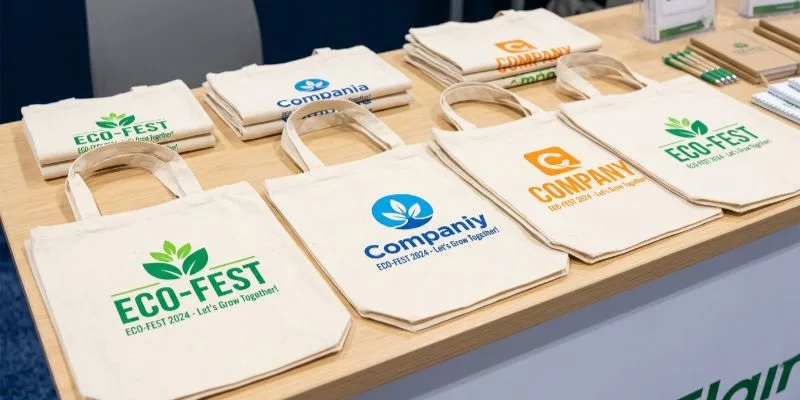
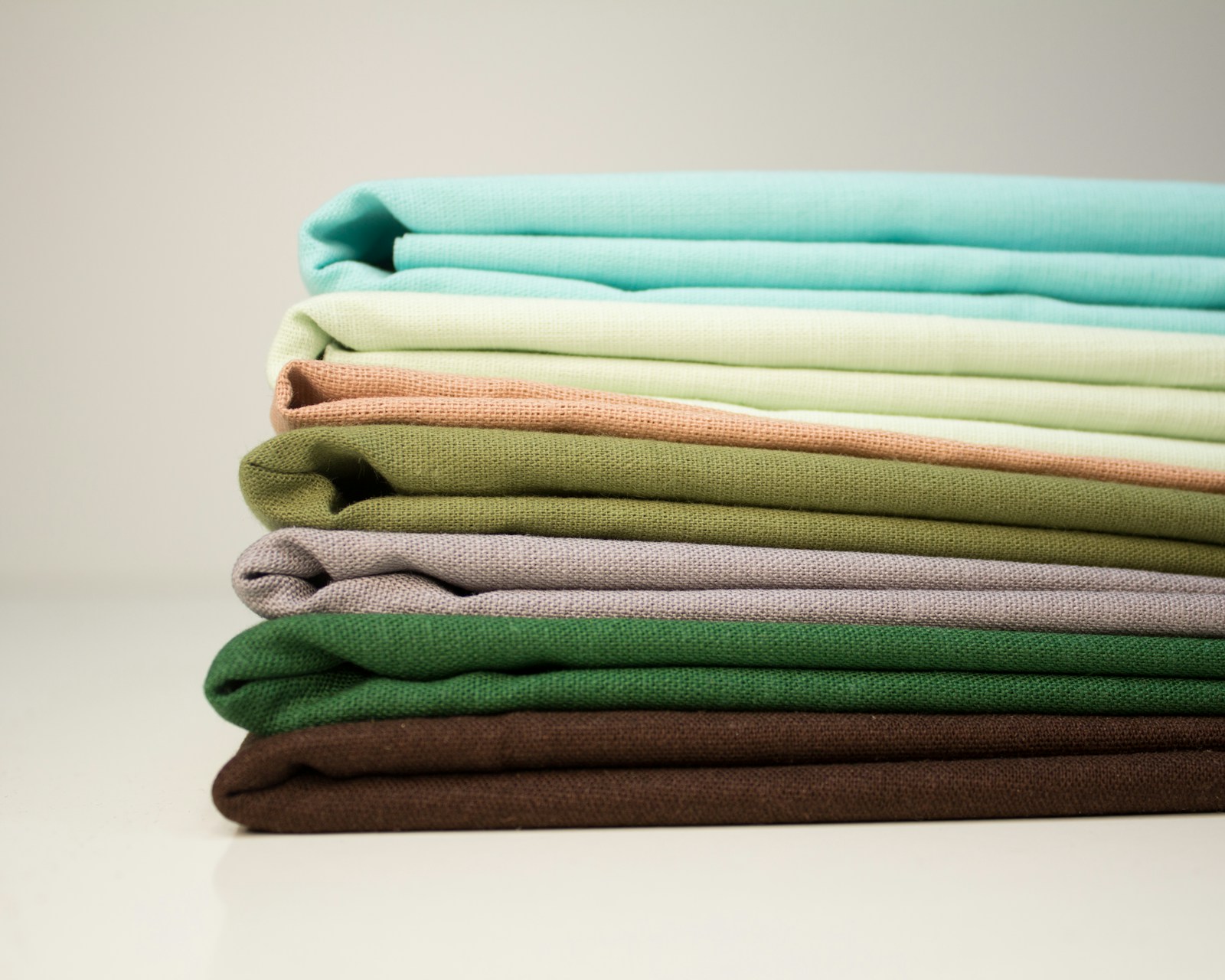
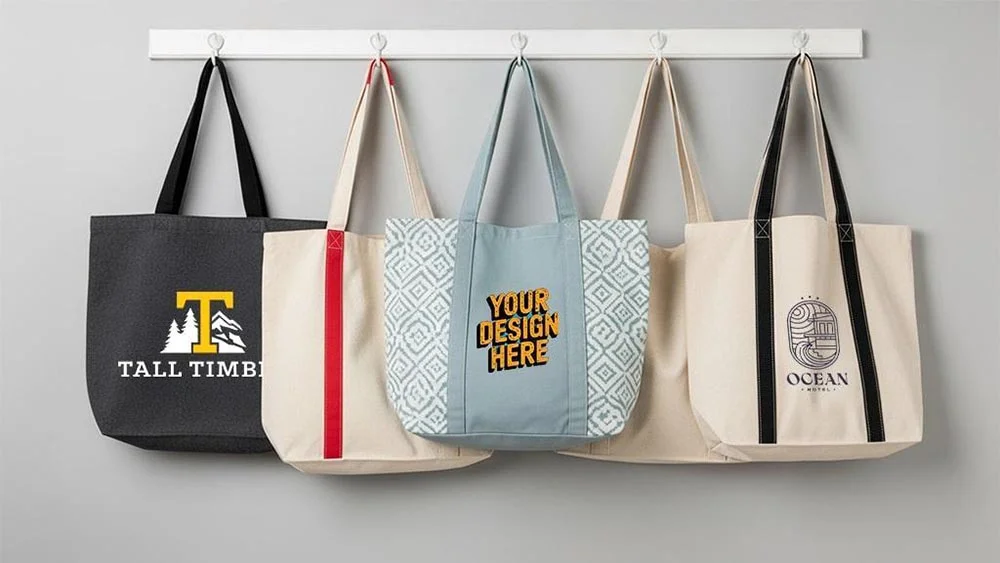
Among all types of tote bags, canvas remains the safest low-friction choice for bulk merch and trade shows. Its familiar silhouette provides a massive print area and holds custom ink without bleeding.
You must understand weight bands before ordering. A five-ounce promo build holds ten pounds and suits light brochures. For retail-entry products, upgrade to a sturdy 12-ounce build.
When I run wash tests on the factory floor, basic dyed cotton shrinks 10% and loses colorfastness. We switch clients to a poly-cotton blend to stop shrinkage and lock in dye.
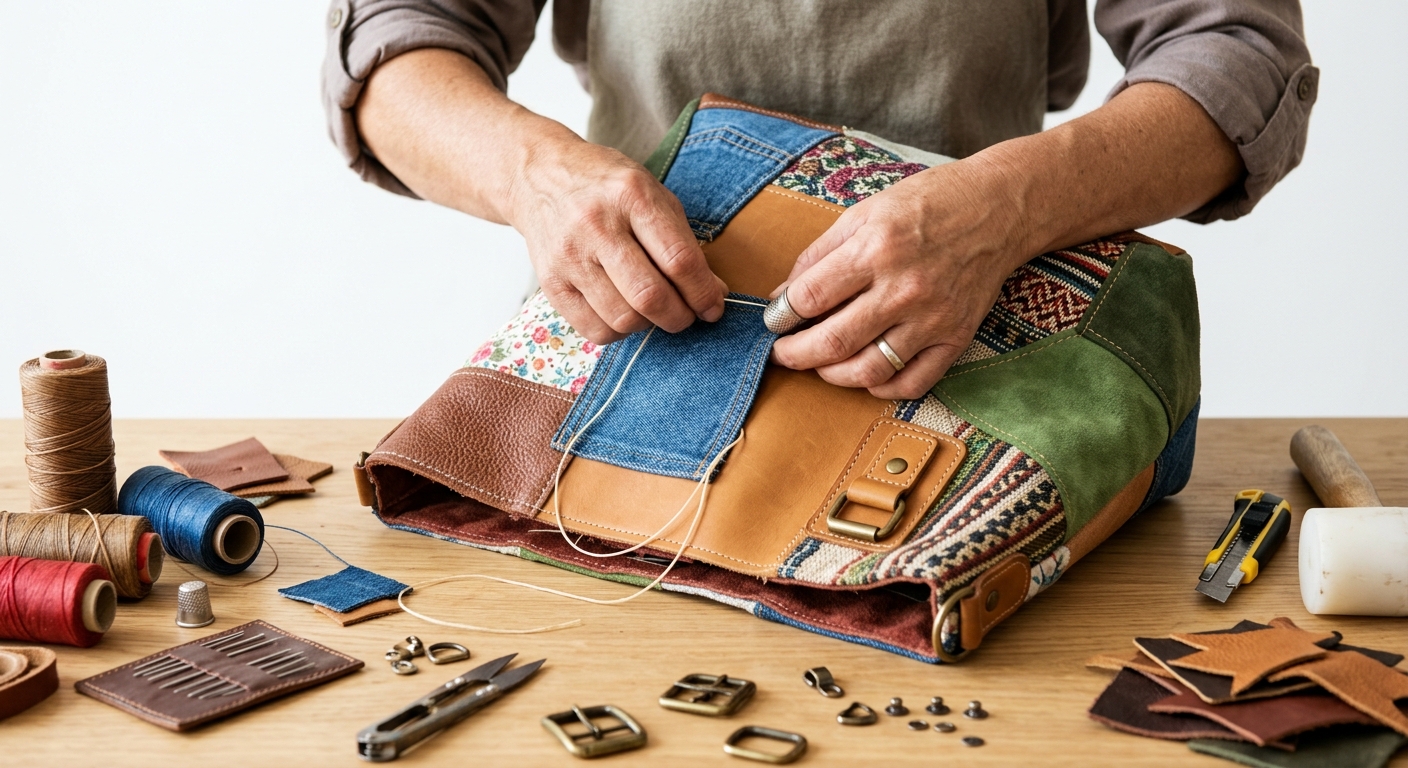
Demand strict quality standards from your custom tote bag manufacturer. Verify handle centering on your first sample. I always inspect seams for back-tacking and basic box-stitch reinforcement.
Poor print registration ruins logos. Review bag sourcing and pricing data to avoid under-specifying the construction.
🛡️ Our Verdict: During our Tuesday tensile test, we loaded a five-ounce promo tote with 15 pounds of gear. The handle snapped in four minutes due to a missing box-stitch.
🚀 Actionable Insight: Specify “X-box handle reinforcement” and “poly-cotton canvas” in your tech pack to prevent bulk run failures.
Arice Huang, Bag Product Manager
2. Structured Retail Private-Label Tote Bags
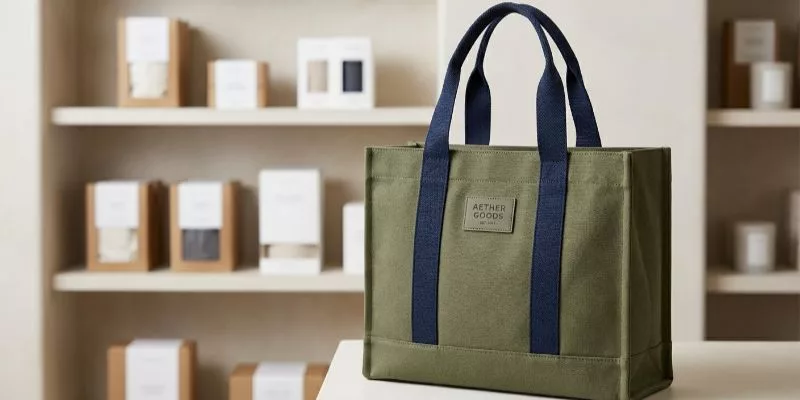
In my experience, basic shopper bags fail as retail merchandise. They lack structure and collapse on a shelf, undercutting the product they carry.
To survive a retail floor and the transit that gets it there, we mandate a strict anatomy: a padded sleeve, an internal bottle pocket, a secure zip top, a trolley sleeve, and comfortable straps.
Standardized sizing ensures a precision fit. While tech packs are often replicated, these exact dimensions are critical — we validate them with rigid drop tests before sign-off.
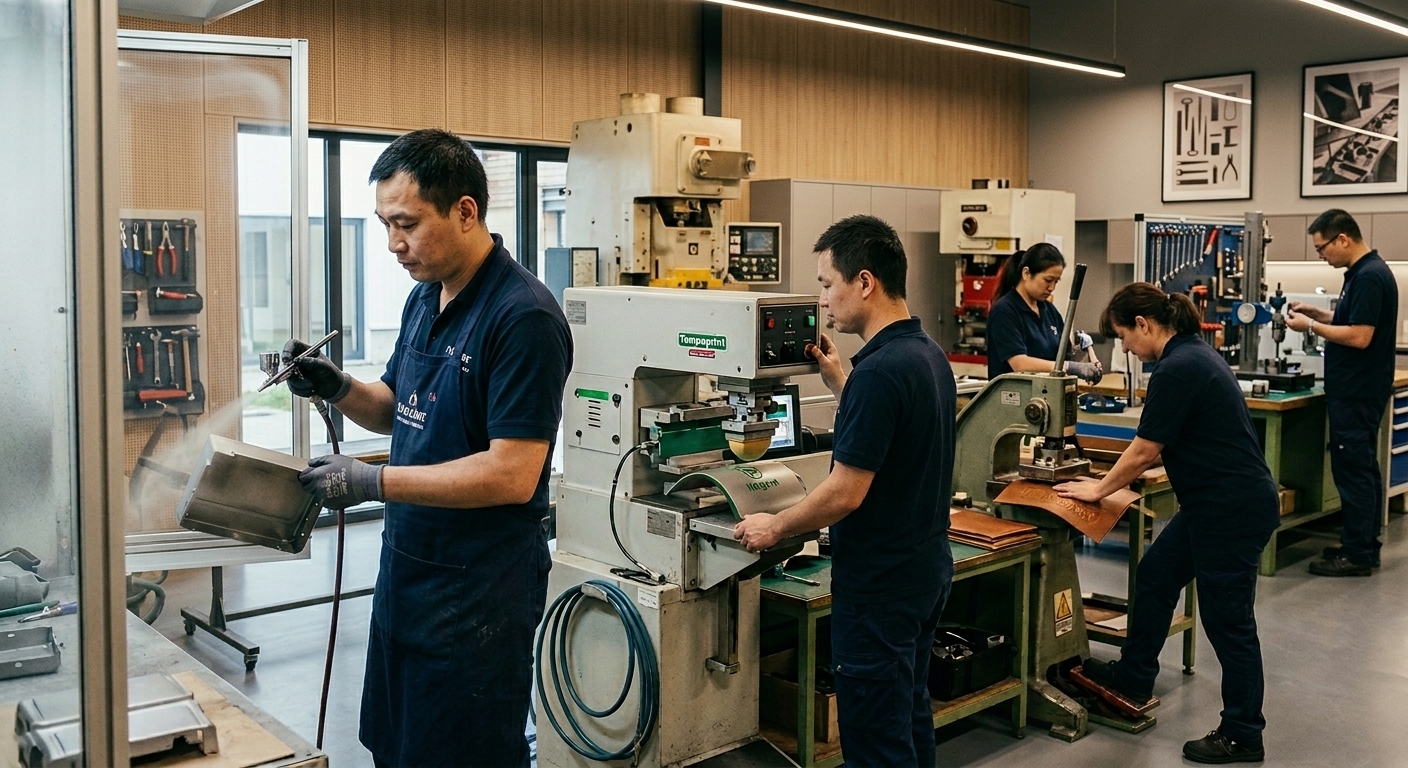
I personally check divider stitching and zipper alignment on the factory floor; weak hardware is the failure you cannot see in a photo. Partner with a verified custom travel bag manufacturer applying ISO 9001 quality standards to guarantee PE-board base support.
🛡️ Our Verdict: Demand drop-tested structure — a bag that stands up on the shelf holds up on the road. Check the base, the zip, and the divider seam on your first sample.
3. Recycled rPET Eco Tote Bags
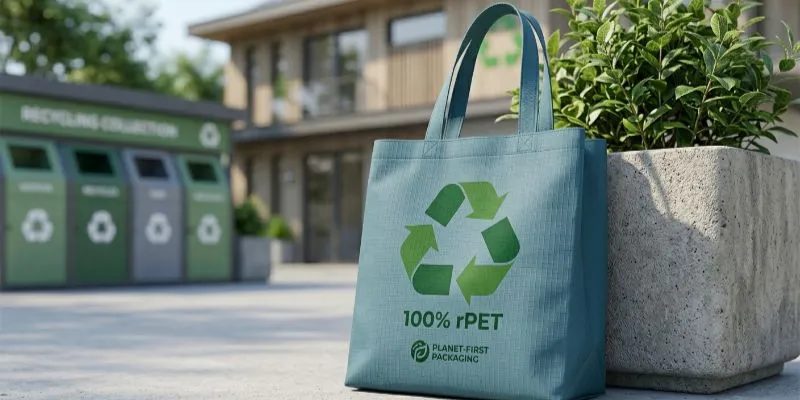
GRS-certified recycled PET totes convert 8-12 post-consumer bottles into a single bag.
For brands with published sustainability targets, rPET provides the documentation trail that organic cotton sometimes cannot — every batch comes with a transaction certificate tracing the recycled content back to source.
The manufacturing reality is that rPET runs 10-15% more expensive than virgin polyester at the raw material stage.
The cost is offset by two factors: rPET requires less water during production (approximately 45% less per yard) and commands a 20-30% retail premium from eco-conscious consumers.
The print surface on rPET differs markedly from cotton. The synthetic fibers sit flat and uniform, producing sharper screen-print edges but lower ink adhesion.
Manager Lin demonstrated: “On cotton, the ink soaks in. On rPET, it sits on top. You need a catalyst additive or the print flakes off within 50 wash cycles.”
🛡️ Our Verdict: Specify catalyst-added plastisol ink for rPET printing. Standard water-based inks fail abrasion testing within 50 wash cycles on synthetic substrates.
4. Laptop and Commuter Work Totes
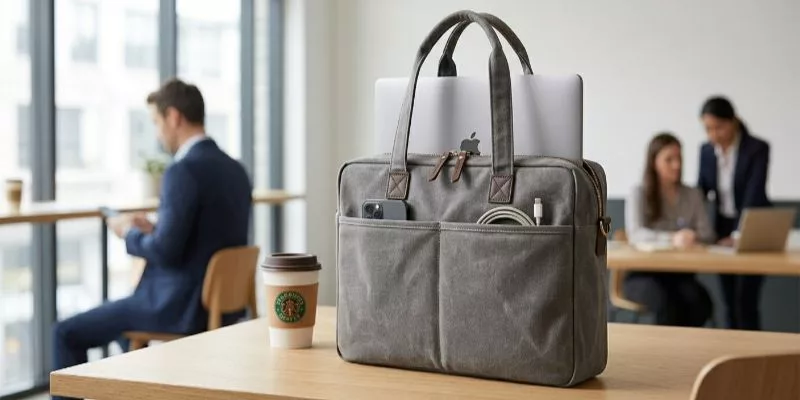
The commuter bag lives or dies on one feature: what happens to a laptop when the bag hits a hard floor.
A basic shopper has no structure to absorb that impact, so the screen takes it. Top tech companies issue these bags to their teams for exactly this reason.
To survive a commute, the workspace anatomy is non-negotiable: a padded laptop sleeve, an internal bottle pocket, a secure zip top, a trolley sleeve, and comfortable straps.
Our lab tests prove anything under 8mm high-density EVA foam fails to protect hardware. Rigorous hard-floor drop tests validate impact resistance, and we recheck divider stitching and zipper alignment on every setup.
Spec the PE-board base and the 8mm+ EVA sleeve to the laptop-equivalent load, and confirm it in the tech pack before the run starts.
🛡️ Our Verdict: Demand loaded-carry testing with laptop-equivalent weight before you approve the run.
5. Heavy-Duty Industrial Utility Totes
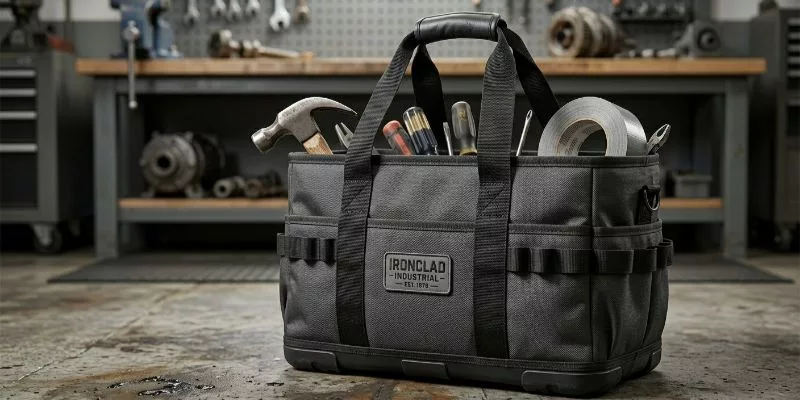
Standard stitches fail under heavy tension. Seams ripping under a 30-pound gear load ruins brand reputation. Handle pull-out happens because factories use basic straight stitching instead of stress-point bartacking and box reinforcement.
To survive rough handling, you must specify heavier body fabrics, webbing handles, and strict seam allowance discipline.
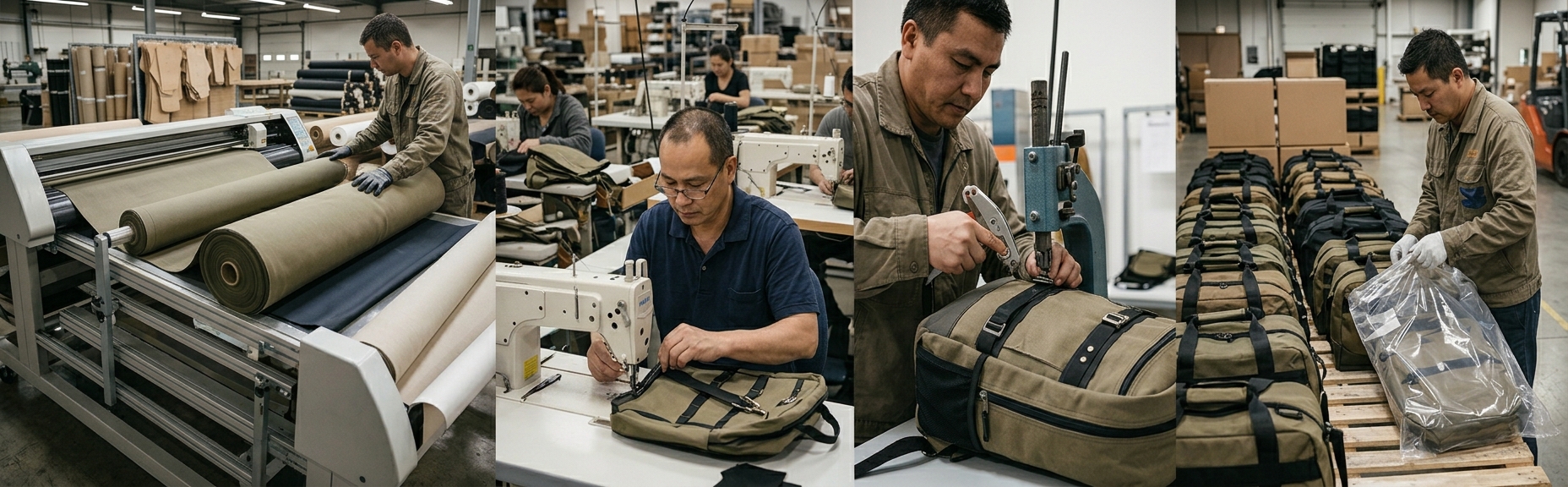
We match high-tensile polyester thread with the exact needle size to stop fabric tearing. Always request close-up factory-floor images of bartacks, handle joints, and stitch density.
During QA inspections across all types of tote bags, Cindy Qin, Product Manager spots recurring mass-production failures. “Without precise machine calibration,” she notes, “you get skipped stitches, asymmetrical handles, seam grin, and weak back-tacking.”
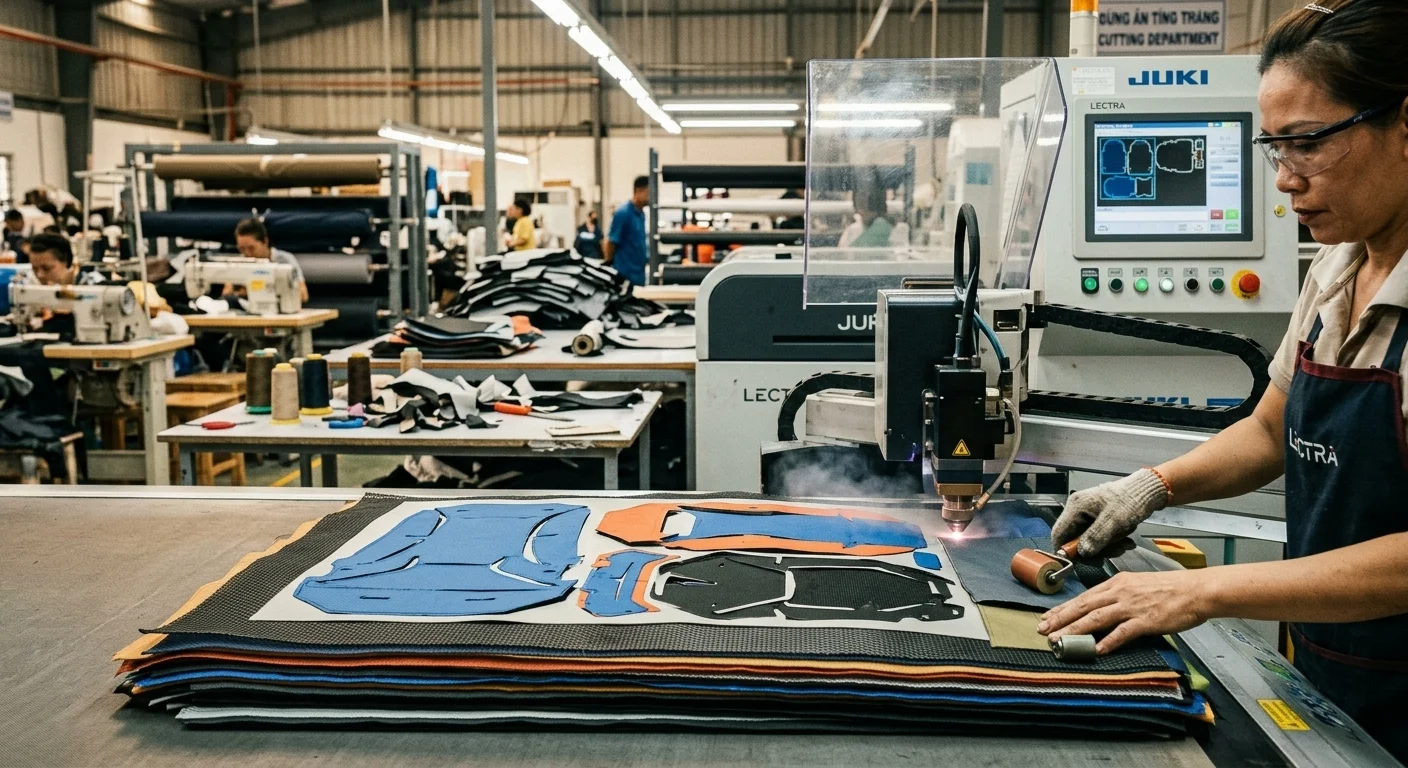
We eliminate these flaws through strict floor protocols. Top custom tote bag manufacturers enforce continuous pull tests, in-line inspection, thread trimming, and AQL 2.5 checks to maintain strict bag quality and standards.
🛡️ Our Verdict: Last month, a client’s prototype failed our 50-pound drop test on seam grin. We switched to high-tenacity nylon thread on our Juki 1541 machines. On that run it removed the seam-grin failures — but we still inspect to AQL 2.5, so do not read this as a zero-defect guarantee.
6. Jumbo Grocery and Reusable Shopper Totes
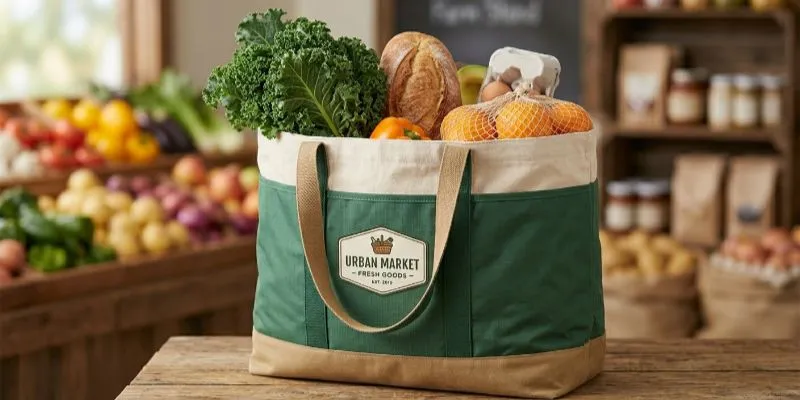
Supermarket and warehouse-club programs buy totes by the pallet on one axis: what happens when the bag is loaded with wet, heavy goods and carried by the handles across a parking lot.
The failure mode is a burst side seam or a handle that rips out under a 20-plus-pound wet load — not a slow fade.
For grocery totes we spec a wide base so the bag stands upright for packing, a long handle that clears a shoulder or cart rail, and a body you can fold flat for return.
Material-wise, jumbo shoppers usually run a lighter canvas or a woven RPET — 5 oz is fine for dry goods, but not for produce or glass.
If you can only fix one thing, reinforce the handle: bartack the stress points and double the seam allowance at the joint.
🛡️ Our Verdict: For grocery, we load the bag at 15-25 lb of wet goods and pull the handles. Thin 5 oz promo bags tear right at the joint — that is the one spec not to reuse from a merch program.
Start building your product today. Submit your tech pack through our Contact Us page to get a direct factory quote.
Disclaimer: No fabric supplier pays me to promote these metrics. My team buys all testing equipment.
People Also Ask About Types of Tote Bags
1. What fabric weight makes a tote bag heavy-duty?
For basic promotions, we use a 5-ounce cotton. True heavy-duty performance requires a 12-ounce poly-cotton blend. In my experience, 5-ounce bags snap at 15 pounds of tension.
We switch clients to 12-ounce blends because they hold 30 pounds without tearing. Review our bag sourcing and pricing data to match weight to your specific use case.
2. How do I choose between canvas and rPET for retail private label?
Canvas provides a rugged texture that premium buyers love. Recycled rPET offers superior water resistance. Last month, a client complained about canvas rotting in humid storage.
We moved them to a 600D PU-coated rPET. It costs more, but it stopped moisture damage.
3. How do I verify eco-friendly textile claims?
You must demand a Global Recycled Standard certificate. In our audits, many suppliers fake these documents. I always request specific transaction certificates.
These documents link your exact batch to raw recycled materials. This provides hard proof recognized by groups like Textile Exchange.
4. What must a factory sample prove before mass production?
Your physical prototype must prove seam strength and print registration. As Manager Chen noted during a recent inspection, skipped stitches happen fast on cheap machines.
We enforce strict bag quality and standards using AQL 2.5 checks. Ensure your sample survives a 30-pound pull test.
5. What are your typical MOQs and prototype lead times?
Physical prototypes ship within seven days, with a standard minimum order quantity of 300 units. However, 100-unit runs are available for new brands looking to test complex designs.