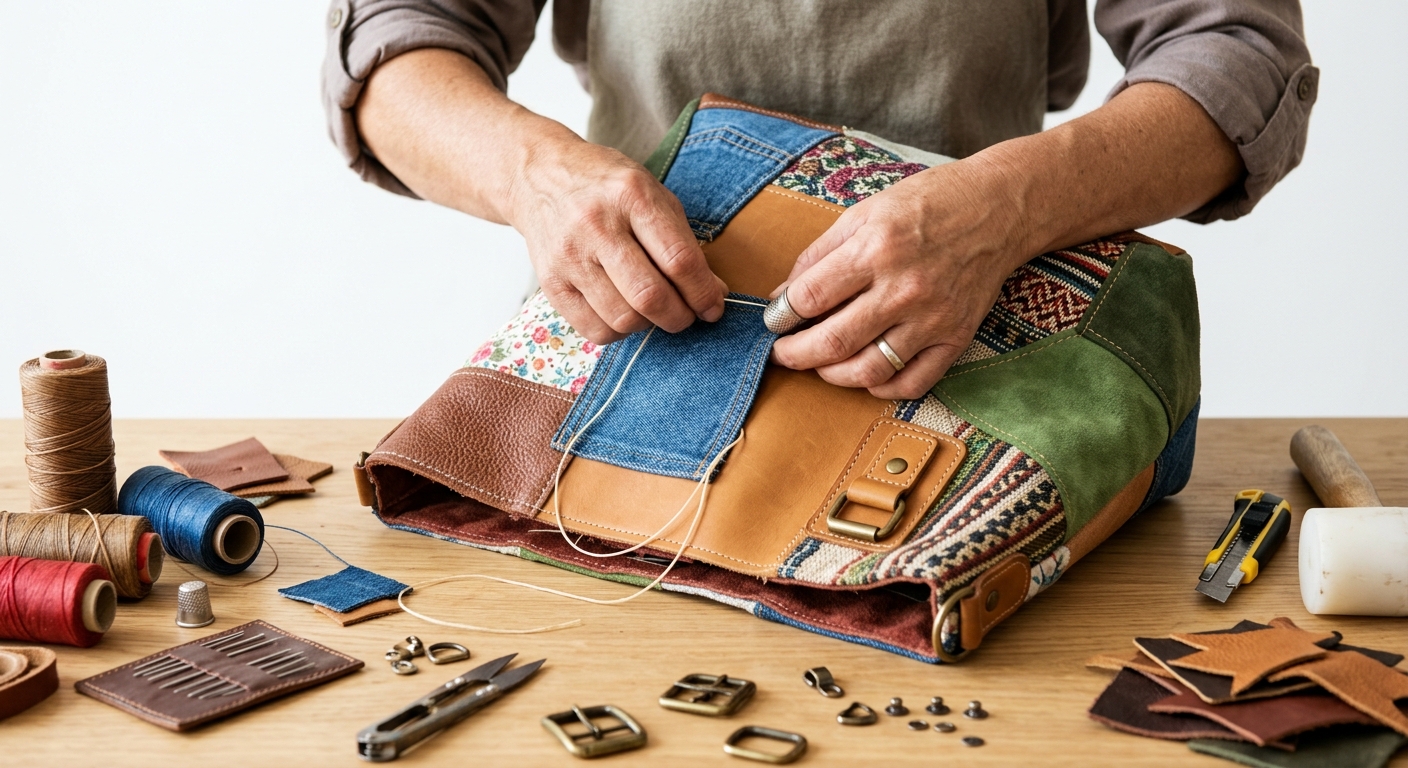
Assembly & Joining
Every seam is an engineering decision — load distribution, water resistance, aesthetic line. From traditional lockstitching to molecular ultrasonic bonding, we apply the right technique at every joint.
Stitching Methods
Three stitching approaches, each chosen for specific performance requirements. Thread selection, stitch density, and seam type specified per panel — never left to guesswork.
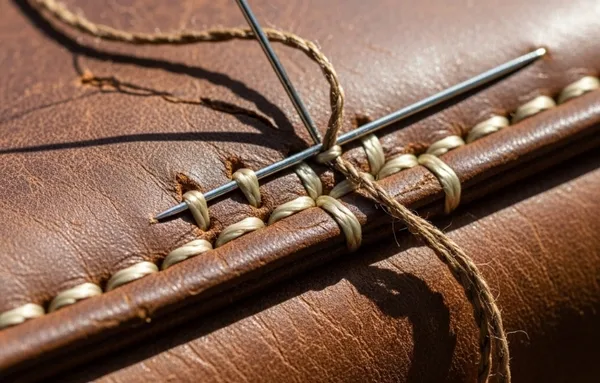
The workhorse of bag construction. Our industrial lockstitch machines use bonded nylon thread with precision tension control — each stitch identical to the last, with 6–8 stitches per centimeter on exterior seams. The lockstitch mechanism interlocks top and bottom threads within the fabric layers, creating a seam that won't unravel if a single stitch breaks.
Thread: Bonded nylon #69 · Stitch density: 6–8/cm · Machine type: Walking-foot industrial
Best for: Exterior panels, main body assembly, pocket attachment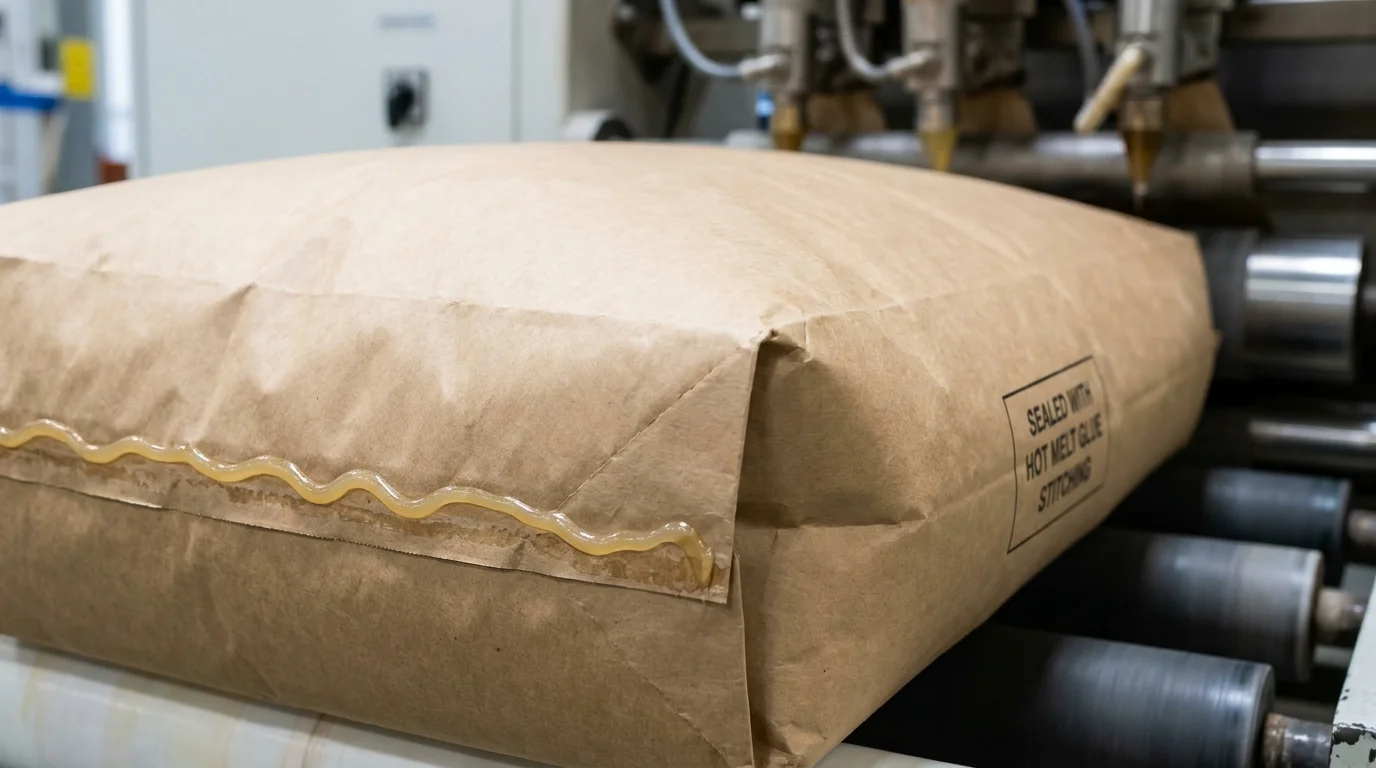
Thermoplastic adhesive thread is heated during the stitching process, bonding the seam from the inside. The result is a seam that combines the mechanical strength of stitching with the waterproofing of adhesive bonding — ideal for outdoor and performance bags that need to withstand rain, snow, and rough handling.
Thread: TPU-coated nylon · Activation temperature: 180–220°C · Bond strength: 3x standard stitch
Best for: Waterproof bags, outdoor gear, marine applications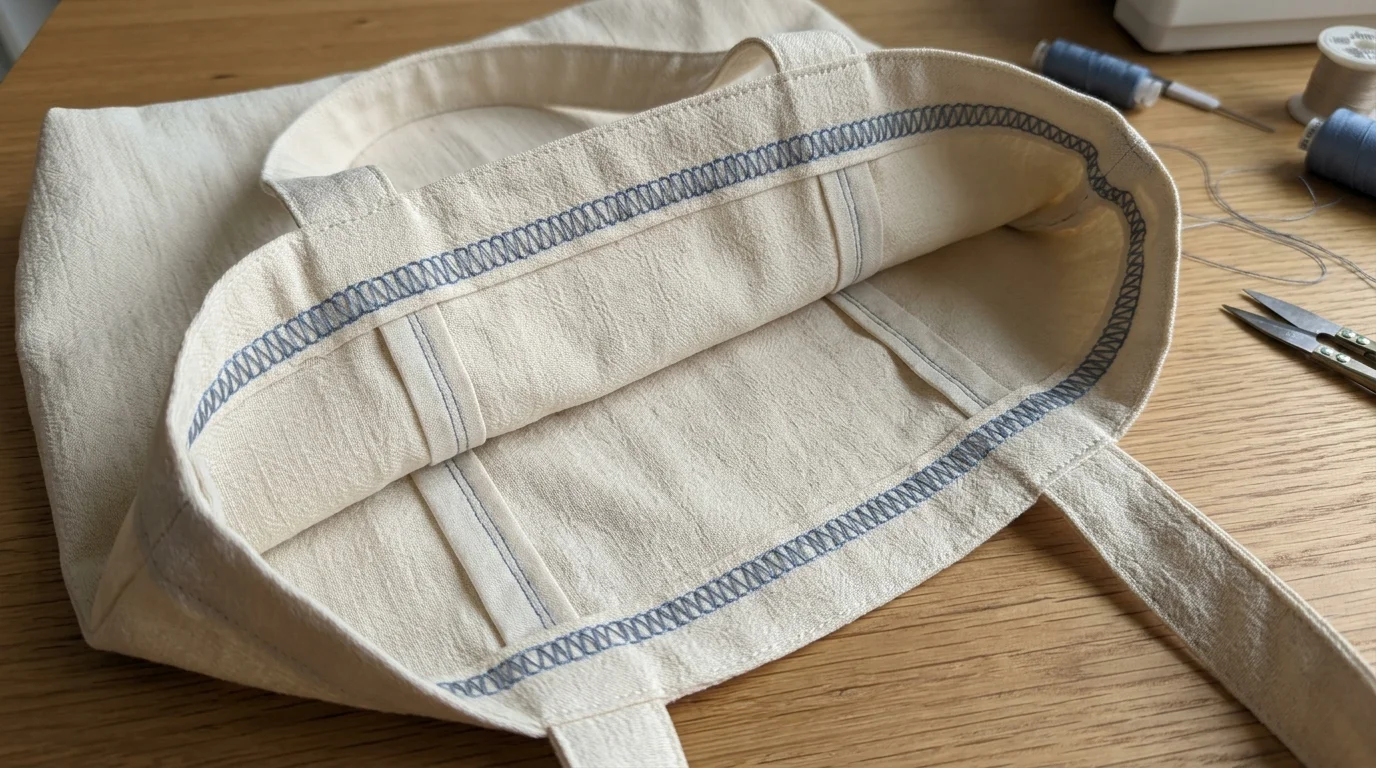
A specialized technique where adhesive is pre-applied along the seam line before stitching, creating a reinforced bond that distributes stress across the entire joint rather than concentrating it at stitch points. This prevents the "zipper effect" where a single broken stitch cascades into seam failure — critical for load-bearing connections like strap anchors.
Adhesive: Solvent-free PU · Cure time: 4 hours · Tear strength increase: 40%
Best for: Strap attachments, handle joints, high-stress load pointsAdvanced Bonding
Three technologies that bond materials without thread — creating stronger, cleaner, and fully waterproof seams for performance applications.
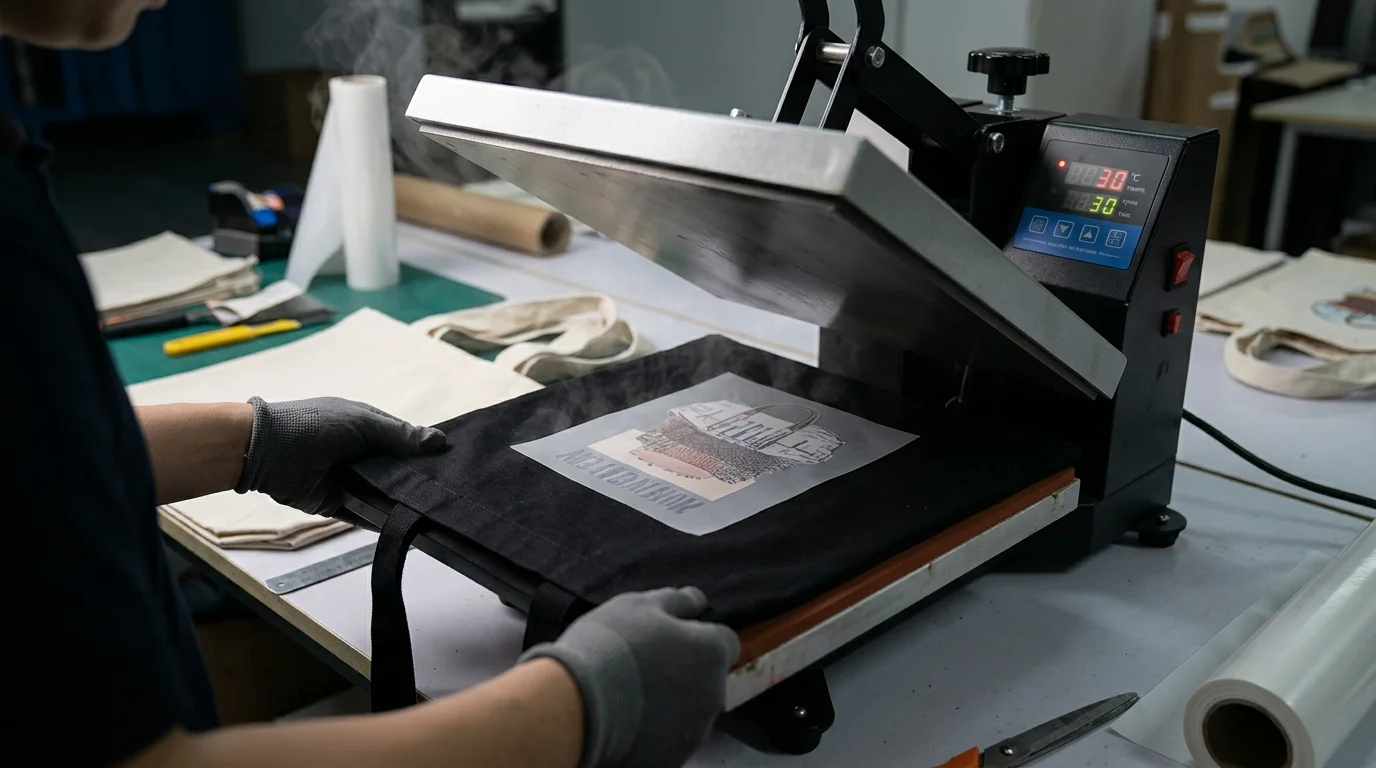
Thermoplastic adhesive films sandwiched between fabric layers activate under precise heat and pressure (120–160°C at 3–5 bar). The resulting bond is molecular — stronger than the surrounding fabric itself. Zero needle holes means zero water penetration points. The go-to method for minimalist designers who want clean, uninterrupted lines.
Temperature: 120–160°C
Pressure: 3–5 bar
Cycle: 15–45 seconds
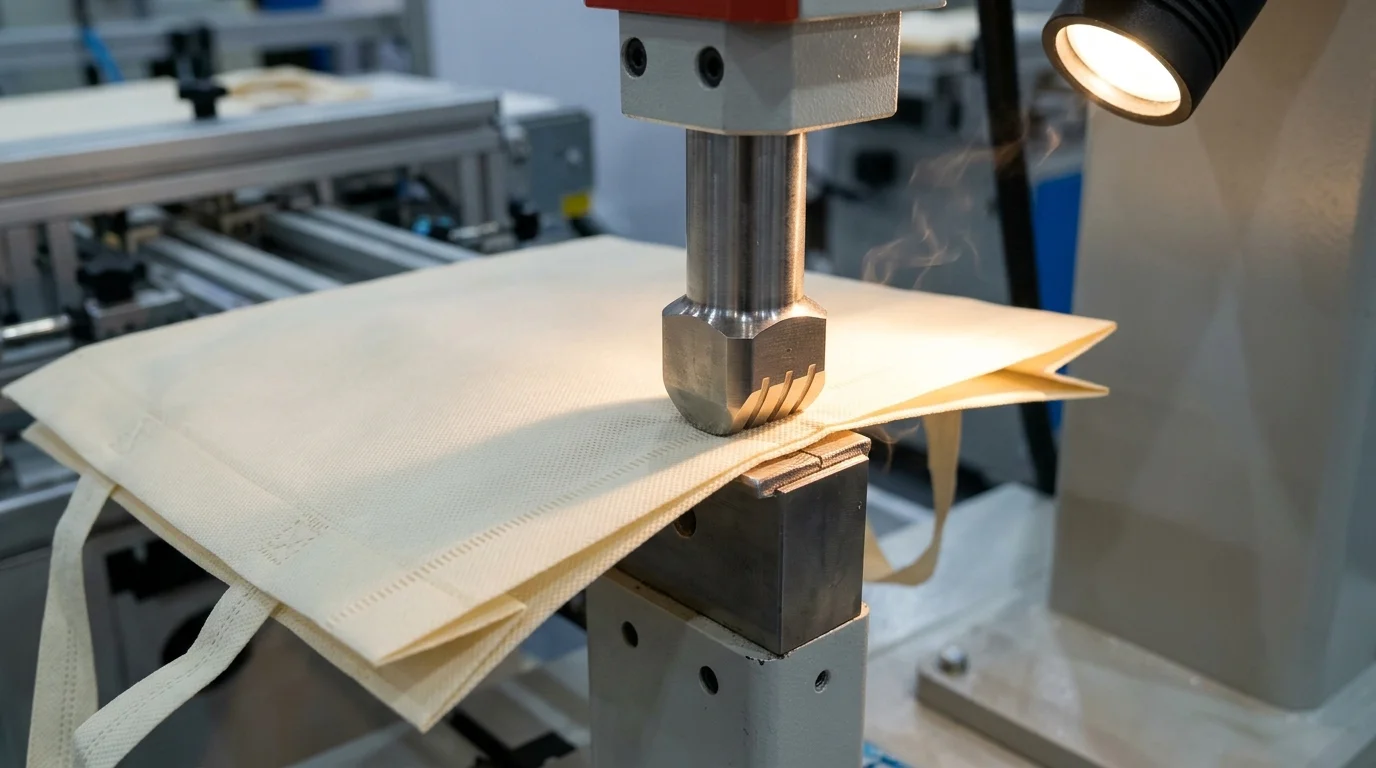
High-frequency mechanical vibration (20–40 kHz) generates localized frictional heat at the fabric interface, melting and fusing synthetic fibers. No thread. No adhesive. No consumables. The weld zone is chemically identical to the base fabric — meaning uniform color, uniform flexibility, uniform aging across the entire bag surface.
Frequency: 20–40 kHz
Materials: Nylon, polyester, PU, TPU
Speed: Up to 20 m/min
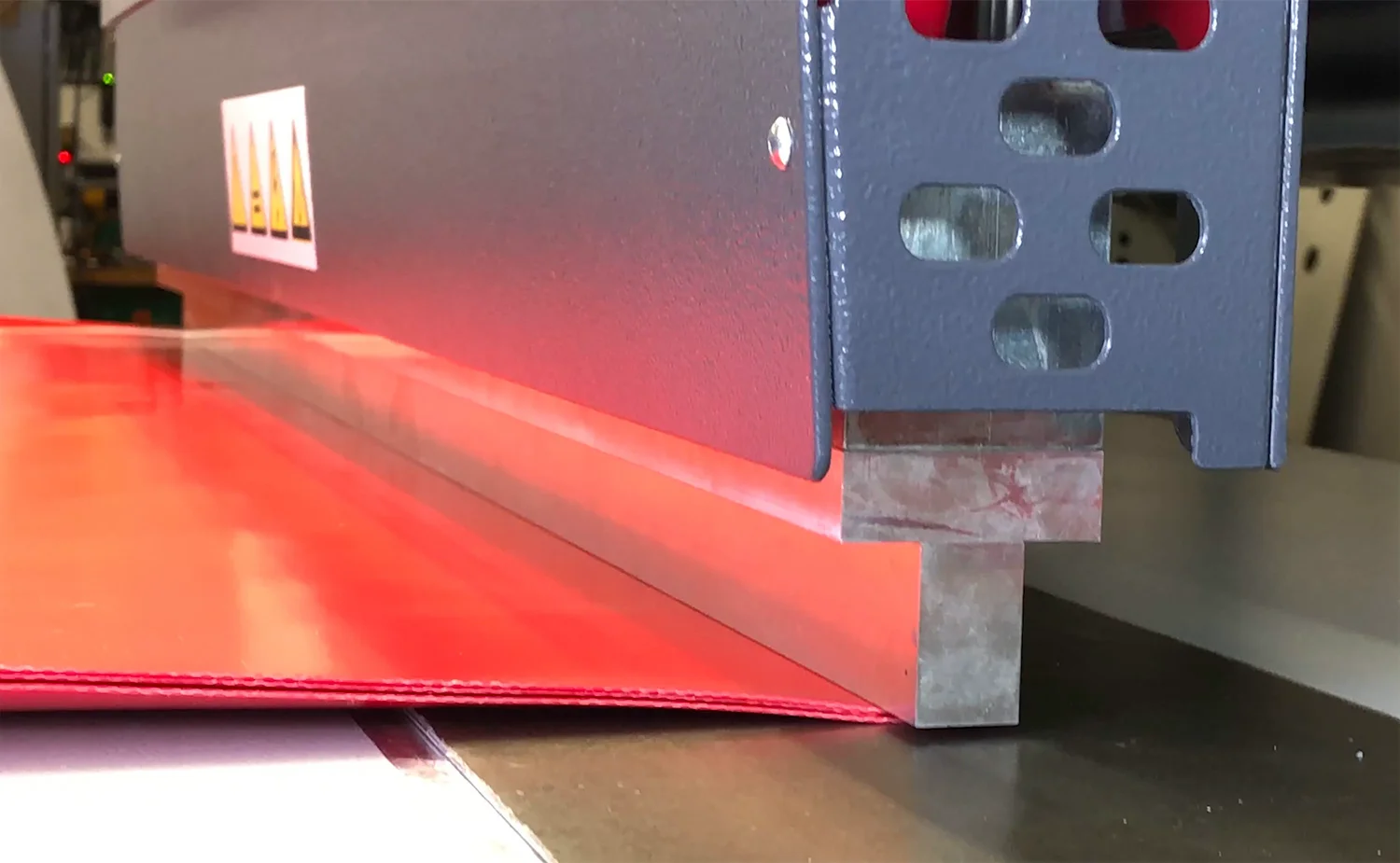
Electromagnetic waves in the 27.12 MHz range penetrate TPU and PVC-coated fabrics, causing polar molecules to oscillate and generate heat from within. Creates airtight, watertight seals that can withstand submersion. Used in medical device cases requiring IP67 rating, inflatable products, and waterproof dry bags.
Frequency: 27.12 MHz
Materials: TPU, PVC-coated
Seal strength: IP67 capable
Stitching Sequence
Bags fail at their weakest seam. We build strength layer by layer — interior first, then main panels, then exterior attachments — so every stitch supports the next. Thread is material-matched: bonded nylon for tensile strength, UV-stabilized polyester for outdoor exposure, waxed cotton for heritage aesthetics.
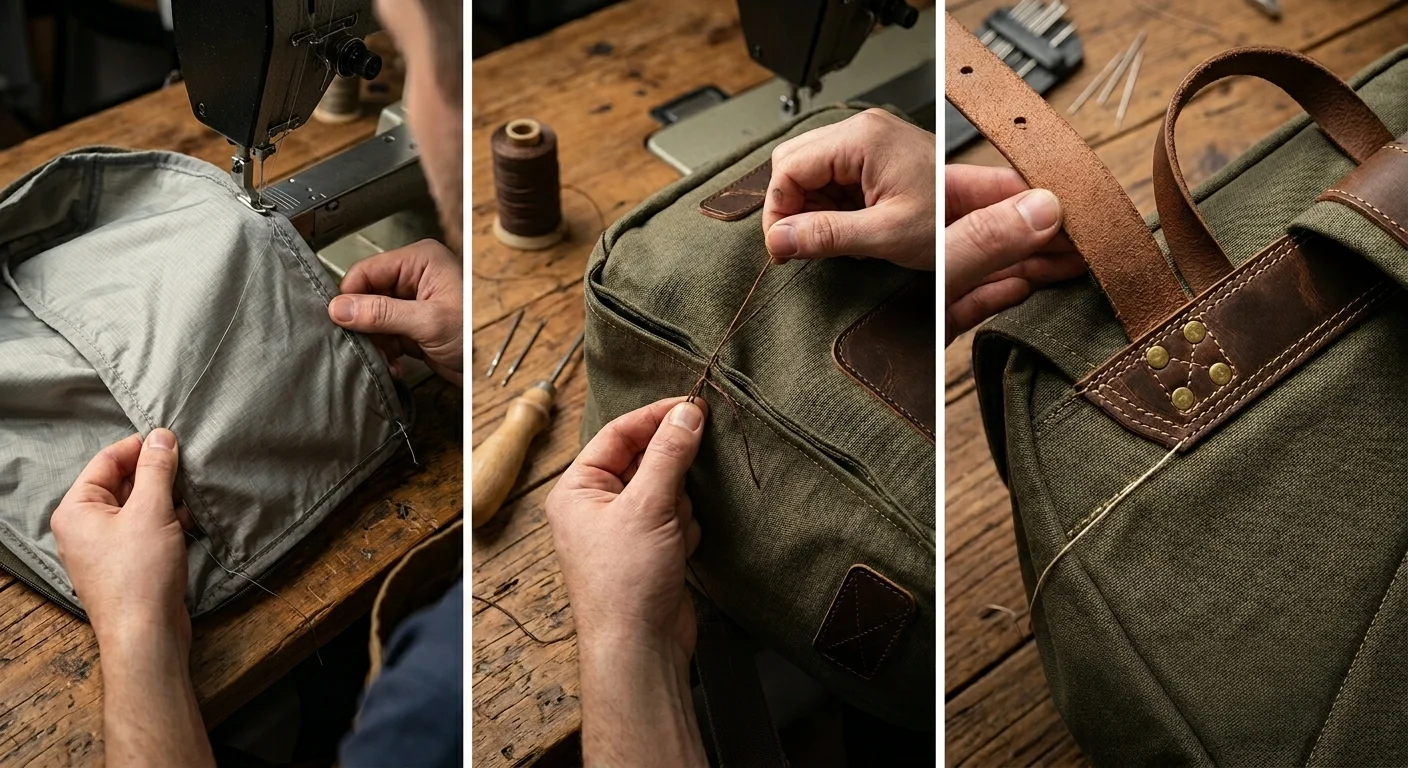
Seams that cross at panel junctions are staggered — never aligned in a single stress line. This distributes load across multiple stitch rows rather than concentrating it at one intersection.
High-density zigzag stitch clusters (28–32 stitches/cm²) at every strap anchor, zipper end, and corner junction. Bar tacks add 80% more tear strength at stress concentration points.
Minimum 10mm seam allowance on all structural seams for handbags and backpacks. 12mm on load-bearing seams. Consistent seam allowance is verified by laser guide and template jig at every workstation.
Every new design undergoes seam tensile testing: load applied at 300mm/min until failure. Pass requirement: seam must withstand 3x the bag's rated capacity without thread breakage or fabric tear.
Engineer Every Seam
Share your design specs — we'll recommend the splicing methods that optimize for strength, waterproofing, and aesthetic for every seam in your bag.
Get Technical Guidance