
Clients often send me tech packs filled with vague fashion jargon that instantly causes production delays. Instead of chasing trend names, I evaluate bag types and categories strictly by carry method, silhouette, structure, and capacity.
This practical field guide maps out functional styles for work, weekends, travel, and evenings. We group them by how you carry them, what they actually fit, and their best use cases. Clear terminology helps factories meet ISO 9001 quality standards and prevents costly sampling errors.
Explore 9 Essential Types Of Bags For Every Occasion And Style
Finding the perfect bag is about balancing functional utility with your personal aesthetic. From the spacious “workhorse” tote for your daily commute to the elegant clutch for a night out, each bag style serves a unique purpose in a modern wardrobe.
In this guide, we break down the nine essential bag categories to help you choose the right companion for work, travel, and everything in between.
1. Tote Bags: The Everyday Workhorse For Work, School, And Travel
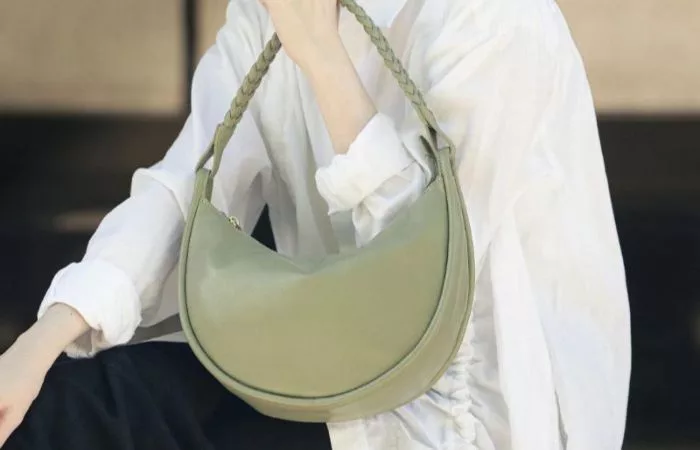
Bridging the gap between roomy totes and tiny crossbodies, the shoulder bag features a dedicated single-shoulder strap. Available in sleek, structured, or soft silhouettes, it offers a more polished and professional look than a backpack.
Choose this style to carry daily essentials like a phone, wallet, and sunglasses. While some fit a small tablet, most aren’t built for laptops, helping you stay streamlined and avoid the bulk of a half-empty tote.
When I review tech packs for client shoulder bags, strap drop is always the critical fail point. Anything under nine inches pinches the user’s arm.
2. Shoulder Bags: The Polished Bridge Between Totes and Crossbodies
The shoulder bag occupies the most versatile position in the bag types spectrum. It is dressier than a tote but more practical than a clutch. It works for office meetings, lunch dates, and evening events without requiring a bag change. For B2B brands, the shoulder bag is the highest rotation-frequency silhouette — customers use it 4-5 days per week versus 1-2 days for specialty shapes.
The defining technical specification is the strap drop measurement. A shoulder bag must rest securely between the underarm and the natural waist — a 9 to 12-inch drop for the standard build. Drops shorter than 9 inches force the bag into the armpit and create uncomfortable pressure. Drops longer than 12 inches allow the bag to swing forward during walking, hitting the hip with each stride.
From a manufacturing perspective, shoulder bags share construction DNA with both totes and satchels. The body panel layout mirrors a scaled-down tote pattern, but the strap attachment requires satchel-grade reinforcement. Manager Lin demonstrated the consequence of underbuilding during a recent prototype review: “They used tote-weight thread on a shoulder strap. After 30 days of normal use, the bartack unraveled and the bag dropped off her shoulder onto concrete.” We now specify #69 bonded nylon thread for all shoulder bag strap attachments — the same spec used on our military duffel contracts.
Lining tension is the hidden quality indicator in shoulder bags. Because the bag hangs from a single strap, the lining must be anchored at multiple points to prevent it from pulling away from the shell. A floating lining bunches at the bottom and creates a visible lump through the exterior. We sew three-point anchor tabs — top hem, mid-body side seam, and base corner — on every shoulder bag to maintain lining position regardless of load distribution.
🛡️ Our Verdict: Shoulder bags need a 9-12 inch strap drop, #69 bonded nylon thread at all strap attachment points, and three-point lining anchor tabs. In our 200-unit production audit, bags missing the anchor tabs showed visible lining bunching within 60 days of daily use.
3. Crossbody Bags: Hands-Free Utility For Busy Days And Travel
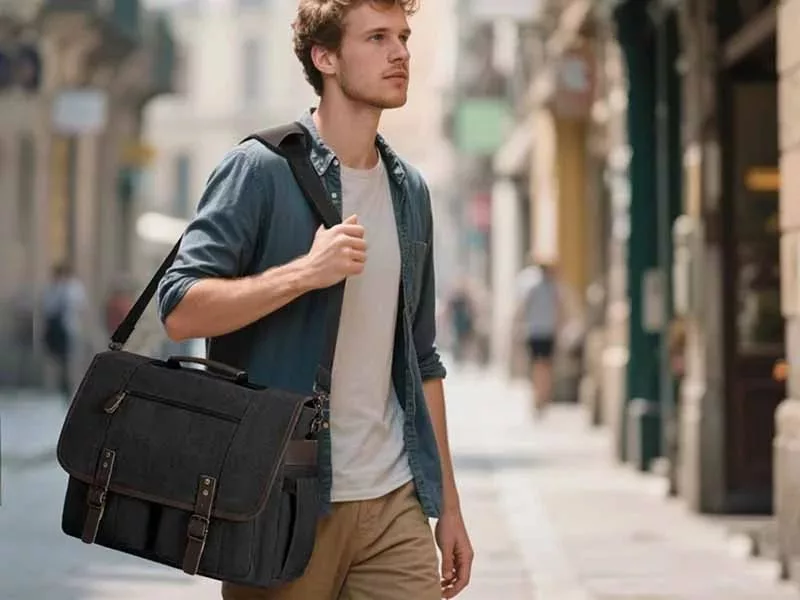
Slouchy daily bags often look out of place in formal meetings. When clients request an elevated silhouette, we prototype satchels or top-handle bags.
Structured bags rely on a firm body and a defined base to create clean lines. Standard designs feature front flaps or zip closures alongside sturdy top handles. Most also include an optional shoulder strap.
This style wins in offices and dressier settings where a luxury finish outweighs maximum flexibility. A standard satchel easily holds core essentials:
-
A tablet
-
A notebook
-
A wallet
-
A smartphone
By maximizing internal dimensions, we regularly engineer larger top-handle bags to fit 13-inch laptops.
🛡️ Our Verdict: A crisp silhouette needs internal support, but heavy exterior fabrics aren’t the answer. We insert a 2mm EVA foam stiffener between the lining and shell to maintain a rigid base. This ensures your bulk order stays structured without adding unnecessary weight.
4. Backpacks And Daypacks: Hands-Free Comfort for Commuters and Students
The backpack category has expanded far beyond its schoolyard origins. Modern bag brands segment this market into tech backpacks (laptop-focused), lifestyle daypacks (streetwear and fashion), and performance packs (hiking and outdoor). Each subcategory has distinct material, hardware, and construction requirements.
Load distribution is the defining engineering challenge. A backpack’s shoulder straps, sternum strap, and back panel work as a system — if any component is underspec’d, the entire carrying experience degrades. Manager Wei runs a standardized comfort test: “Load 15 pounds, adjust the straps, walk on a treadmill for 20 minutes. If the tester has red marks on their shoulders, the foam density is wrong.”
For B2B brands entering the backpack market, the starting recommendation is a 600D polyester shell with PU coating, YKK #8 zippers, and a padded 15-inch laptop compartment. This configuration hits the $12-18 wholesale sweet spot while delivering enough durability to generate repeat purchases.
🛡️ Our Verdict: 600D PU-coated polyester, YKK #8 zippers, and 15mm EVA back panel foam represent the minimum viable spec for a commercially competitive backpack. Skip any of these three and returns will exceed 5%.
5. Backpacks And Sling Bags: Comfort-First Categories
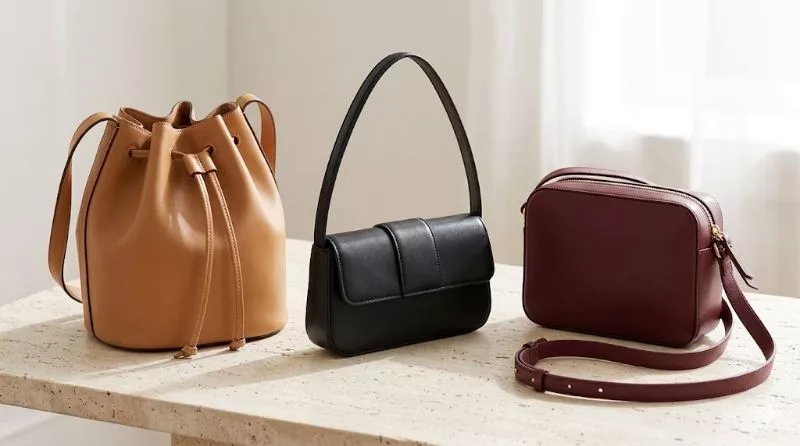
Founders constantly confuse compact bag types and categories. I regularly review tech packs labeling bags as “baguettes” when their dimensions dictate a camera bag.
Use this guide to choose your ideal shape:
-
Bucket bags offer vertical openness for slightly more space. They fit core items plus a small water bottle.
-
Baguette bags sit long and narrow directly under your arm. Choose this style for trend-led day looks.
-
Camera bags feature a boxy build with zip-around practicality. This shape wins for secure travel convenience.
These remain strict phone-wallet-keys-lipstick categories. This prevents you from buying a compact bag that fails your daily carry.
6. Cosmetic Bags and Pouches: Compact Organization for Retail and Gifting
Cosmetic bags are the highest-margin entry point in custom bag manufacturing. A well-designed PVC-lined pouch costs $2-4 to produce and retails at $15-25 — a 5-7x markup that outperforms every other bag category. They’re also the smallest MOQ category, with many factories accepting 100-unit minimums.
The lining material is the only spec that matters for production quality. PEVA and TPU linings withstand makeup spills and wipe clean with a damp cloth. Standard polyester linings absorb foundation and lipstick, staining permanently within 30 days of use. Manager Chen’s rule: “PEVA adds $0.30 per unit. Factor it in upfront or budget for 15% returns from stained interiors.”
Zipper selection is deceptively important for cosmetic bags. The short zipper length (6-10 inches) means fewer teeth to distribute load, making each tooth carry more stress. We spec YKK #5 coil zippers with reinforced end stops — the same hardware used on premium handbag exterior pockets.
🛡️ Our Verdict: PEVA lining and YKK #5 zippers are non-negotiable. Together they add $0.50 to unit cost and eliminate 90% of cosmetic bag returns.
7. Lunch Bags and Coolers: Insulated Food Transport for Corporate and Retail
The lunch bag category has transformed from basic insulated boxes to premium branded accessories. Corporate wellness programs, meal-prep subscription brands, and eco-conscious retailers drive the highest-volume orders in this segment. A 50-unit MOQ with 7-day prototyping makes lunch bags the fastest category to bring from concept to delivery.
Insulation performance is measured in cold-retention hours. The standard construction uses a 3-layer laminate: outer fabric (300D polyester or canvas), middle insulation (4-6mm EPE foam), and inner lining (PEVA or aluminum film). Manager Lin’s testing protocol: “Fill with ice packs, measure internal temperature every hour. We certify 6-hour, 8-hour, or 12-hour cold retention depending on the foam density.”
Food safety compliance separates professional manufacturers from generic suppliers. All interior materials must be LFGB or FDA certified for food contact. We provide batch-specific compliance documentation with every shipment — critical for brands selling through Amazon or entering EU markets.
🛡️ Our Verdict: 3-layer laminate construction with LFGB/FDA certified food-contact lining. Specify the cold-retention target (6H/8H/12H) before material selection — it determines foam thickness and overall bag dimensions.
8. Duffel And Weekender Bags: Travel Bag Types That Actually Carry Enough
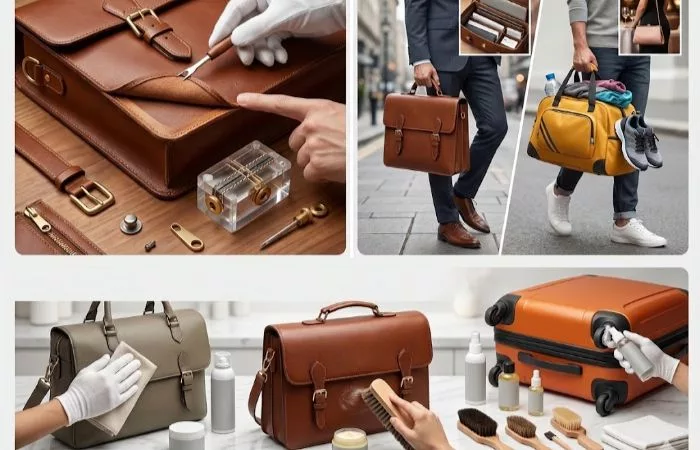
When I evaluate a factory prototype, I ignore the brand logo. I look straight at the construction anatomy. Hidden details dictate capacity, shape retention, and overall lifespan. Use this guide to choose the right bag and maintain it properly.
Step 1: Inspect The Construction Anatomy
-
Check the gusset and base. The gusset is the side panel. A wide gusset increases carrying capacity significantly. Always verify the base has a firm insert. In our factory, I insert a 2mm polyethylene board into bases to prevent sagging and maintain the bag’s silhouette.
-
Inspect the welting. Welting is the piping around the edges. It helps the bag hold a rigid shape over time. Poor welting leads to collapsed corners within months.
-
Measure the handle drop. The handle drop is the empty space from the top of the bag to the peak of the strap. Keep it above nine inches for arm comfort.
-
Test the strap anchors. Anchors connect the strap to the bag body. They must feature double stitching or metal rivets. Single stitching snaps under heavy loads.
-
Examine closures and feet. Metal feet protect the bottom from dirty floors. Test the closures. Heavy-duty magnetic snaps and YKK metal zippers keep items secure.
-
Evaluate hardware finishes and lining. Choose brushed brass or matte black hardware. High-shine gold often scratches easily and looks cheap after a few weeks of use. Avoid thin nylon linings. A high-density cotton twill lining feels expensive, resists tearing, and prevents keys from poking through.
Step 2: Match The Carry Load To The Occasion
-
Apply the 13-inch laptop rule. If your daily carry includes a laptop, measure the internal dimensions carefully. Always add one extra inch to your laptop width. A 13-inch laptop needs a 14-inch wide interior compartment.
-
Prioritize body comfort. Heavy loads demand wide straps. Look for straps that are at least 1.5 inches wide. If you commute on foot, choose a backpack to distribute weight evenly across both shoulders. Asymmetrical carrying causes severe back strain.
-
Read the visual cues. Match your bag structure to your environment. Choose structured, rigid satchels for polished corporate use. Pick soft, slouchy hobo bags for casual weekend errands. A firm shell signals luxury and control. A relaxed drape signals casual utility and accessibility.
Step 3: Implement A Strict Material Care Routine
Different materials require specific maintenance. In our factory tests, neglect destroys even the best fabrics. Follow this care guide to protect your investment.
-
Top-grain leather: This natural material requires monthly conditioning. Rub a high-quality leather cream into the surface to prevent cracking. Keep leather away from direct sunlight and heavy moisture. For sustainability checks, look for leather certified by the Leather Working Group.
-
Heavy canvas: Canvas excels for rugged, casual use. Spot-clean stains with mild soap and warm water. Never put structured canvas bags in a washing machine. The spinning cycle destroys the internal stabilizers.
-
Synthetic PU: Wipe polyurethane bags with a damp cloth. Do not use harsh chemicals. Rubbing alcohol melts the top plastic layer instantly.
-
Suede: Suede absorbs water like a dry sponge. Spray a silicone-free protector over the bag before your first use. Use a dedicated suede brush to gently remove dry dirt.
-
Master safe storage. Never hang heavy bags by their straps. Gravity stretches the handles and weakens the anchors. Stuff empty bags with acid-free tissue paper to hold their shape. Store them safely inside breathable cotton dust bags to prevent mold growth.
Our Experience: Clients often complain about color transfer. Raw denim jeans easily transfer blue dye onto light-colored canvas and PU bags. I tell every client to run an AATCC colorfastness test using a wet white cloth before they approve a bulk fabric order.
Building a high-quality product requires strict attention to these hidden details. If you plan to launch a new product line, you need a reliable factory partner. We handle everything from sourcing and pricing premium materials to running full-scale custom manufacturing.
Visit the LantaoBags homepage to see our recent production work. If you need help with custom bag development or want to request a factory sample, reach out through our contact page today.
People Also Ask About Bag Types And Categories
1. Can one bag work for every occasion, or is a rotation better?
No single bag works perfectly for every setting. A massive canvas tote looks out of place at a formal dinner. A tiny crossbody fails to hold your essentials during a workday commute. I advise our brand founders to design or buy a small three-to-four-bag rotation.
You need a structured work tote, a hands-free weekend crossbody, a rugged travel weekender, and a small evening clutch. This targeted approach prevents premature wear on a single daily workhorse. Rotating your bags gives natural materials time to breathe and recover their shape.
2. What bag size actually fits a standard 13-inch laptop?
You need an internal compartment width of at least 14 inches to comfortably fit a 13-inch laptop. Ignore generic marketing labels. Always demand exact internal dimensions. As we noted in the tote, satchel, and backpack sections above, internal structure matters more than raw space.
Our Experience: Clients often approve slim laptop bags that fail under daily weight. In our factory, we test these designs. We strictly mandate a 2mm rigid bottom panel and reinforced box-stitching on the handles. This prevents the sharp corners of the laptop from tearing through the bottom seam.
3. How do you choose between structured and slouchy bag styles?
Your choice depends on your daily environment. Structured bags use firm internal panels and heavy metal hardware to project a polished, luxury aesthetic. They belong in corporate offices and formal meetings. Slouchy bags use soft fabrics for a relaxed, casual drape.
They excel during weekend errands and casual travel. When clients want to manufacture a premium product, I focus on the hardware and brand cues. Custom matte hardware and crisp silhouettes elevate a bag from casual to luxury.
4. Which bag material is the easiest to maintain for daily use?
High-denier synthetic nylon is the easiest material to maintain daily. It naturally repels water and wipes clean in seconds. Authentic leather requires a serious maintenance commitment.
You must condition it monthly to prevent permanent cracking. Cotton canvas absorbs liquid spills in seconds and requires immediate spot cleaning. Synthetic polyurethane offers a vegan alternative but scratches with abrasive cleaners. You must clean it gently with mild soap and water.