
Many sourcing teams treat the Cordura Backpack Fabric label as a universal guarantee of quality. That assumption causes expensive failures. If you buy a brand name without verifying the underlying denier, coating, and supply-chain traceability, you risk spiking warranty claims and eroding profit margins.
Brands frequently over-spec gear, which needlessly increases freight weight and shipping costs. Conversely, under-specifying materials routinely results in torn seams and severely damaged retail positioning. Cordura is not a single textile. It is a highly engineered family of rugged materials requiring precise technical selection.
My team runs rigorous internal material checks before approving any custom backpack manufacturers. During a recent audit, a supplier substituted a generic PU coating.
We immediately ran a Taber abrasion test, checking the fabric against ASTM D3884 standards to verify actual durability.
These private factory insights reveal how to source genuine Cordura. Daily fabric testing proves exactly why 1000D outperforms 500D in heavy wear environments.
What is Cordura Fabric? The Technical Basics
Cordura backpack fabric is a branded platform of high-performance textiles, not one single cloth. Factory floor experience shows that clients frequently ask for “Cordura” without providing a specific style number.
Think of it like buying a vehicle and just saying, “Give me a Ford.” I still need to know if you want a compact car or a heavy-duty truck.
When discussing military grade nylon fabric sourcing, buyers usually mean high-tenacity nylon 6,6. According to the official INVISTA Cordura guidelines, “high-tenacity” means the fibers resist breaking under extreme tension. We measure yarn thickness in denier (D).
In our lab stress tests, 500D and 1000D hit the exact sweet spot for durable backpack material specs. We spec 500D for lightweight daypacks and 1000D for heavy abrasive loads.
However, a raw nylon shell cannot protect gear. Marcus Ho, Technical Sourcing & Innovation Manager noted while inspecting a recent prototype: “If the buyer ignores the backing, this nylon absorbs water instantly.”
Defining the exact finish is an absolute requirement. A standard application includes a DWR face treatment to ensure water beads up, paired with a PU (Polyurethane) back coating to block moisture.
For total waterproofing, moving up to TPU coatings or testing alternatives like synthetic leather yields the best results. This guide on bag finishes explains exactly how these treatments apply during production.
The Sourcing Reality Check
-
Brand Claim: “Made with durable Cordura.”
-
Specification Sheet: “Cordura Classic 500D, Nylon 6,6, Air-Jet Textured, DWR Face, 2-Pass PU Backing.” (We require this exact detail to pass strict bag industry certifications).
Mini Sourcing Glossary
-
Denier (D): Yarn thickness. Higher numbers equal thicker threads.
-
GSM: Grams per Square Meter. The fabric’s final weight.
-
DWR: Durable Water Repellent. A chemical surface treatment preventing water saturation.
-
Martindale: A machine that rubs fabric in tight circles to test abrasion limits.
-
Elmendorf Tear: A pendulum test measuring how easily a snag becomes a full rip.
-
Authorized Mill: A licensed factory permitted to weave genuine Cordura fibers.
💡 Key Insight: You cannot source “just Cordura.” You must source a specific denier, weave, and coating combination to ensure your bag performs in the real world.
Derek Tan, Head of Technical Fabric Sourcing & Development
This page covers Classic air-jet textured nylon 6,6 in 500D and 1000D—the two constructions most backpack OEM programs actually freeze. Ripstop, ballistic, solution-dyed TrueLock, and CORDURA ECO are different style numbers. If your brief names those, specify them; do not assume Classic test data applies.
Construction Fundamentals Behind Performance
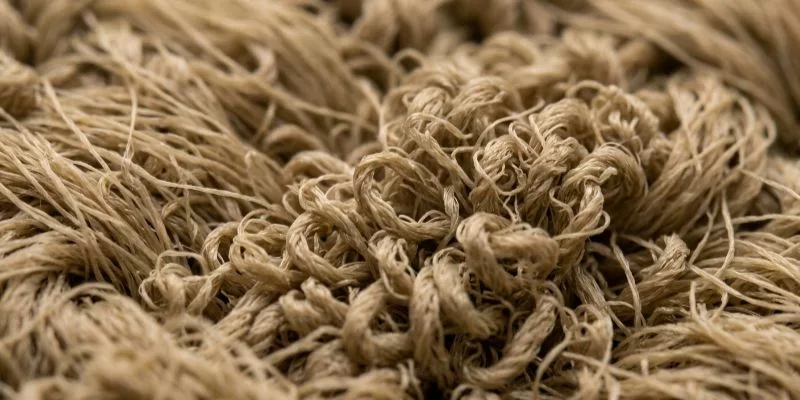
Yarn size, weave density, and air-jet texturing dictate how Cordura Backpack Fabric behaves. Mills manufacture this textile by blasting continuous filament nylon fibers with high-pressure air nozzles.
This process creates microscopic loops along the yarn structure. These loops catch and deflect physical friction. This gives the fabric its famous matte finish and high abrasion resistance.
We constantly choose between 500D and 1000D for production programs. 500D builds a lighter, more flexible pack that forms easily around complex patterns. 1000D feels significantly heavier and stiffer.
However, raw nylon lacks field utility. Exact performance relies entirely on the final weave construction and coating package. This strict matching ensures our custom builds meet rigorous OEM tactical bag material standards. We verify these physical properties against official MIL-DTL-32439A specifications.
Our Lab Snapshot: Cordura 500D vs 1000D
Lab snapshot from incoming lots tested in-house. Abrasion follows ISO 12947 (Martindale, worsted wool). Tear follows Elmendorf. Figures are typical ranges for PU-backed Classic constructions, not a substitute for the mill TDS of the exact style number you buy.
| Metric | 500D | 1000D |
|---|---|---|
| Fabric Weight | ~220–260 GSM | ~350–400 GSM |
| Martindale Abrasion | high 5-figure to ~1.5×10⁵ cycles* | commonly ~2× the 500D lot in the same protocol* |
| Tear Strength | ~40 lbs (warp) | ~85 lbs (warp) |
| Tensile Strength | ~350 lbs | ~600 lbs |
*Endpoint = visible yarn breakdown. Coating package changes results more than denier alone.
Finishes and Backing Systems
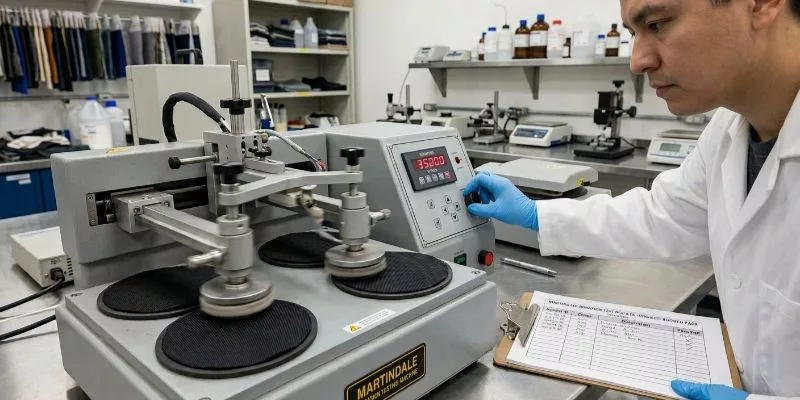
I personally oversee our material intake workflow on the factory floor.
Methodology Box: Quarantine Protocol
-
Who checks: Material Tech.
-
When sampled: Immediately upon roll arrival.
-
Quarantine trigger: Any variance in coating adhesion, GSM, or color matching instantly halts production.
Here is our exact lab sequence:
-
Sourcing Lead verifies the purchase order, mill paperwork, style number, and lot traceability.
-
Inspection protocols cover roll width, GSM, coating consistency, color match, odor, and face defects.
-
Clara Wu, Senior Material Engineer & Fabric Specialist tests the fabric on our in-house Martindale abrasion tester. Using a worsted wool cloth rubbed in a geometric pattern until yarn breakdown, Martindale testing generates the independent data needed to verify Cordura 500D versus 1000D abrasion resistance.
-
Evaluating structural integrity requires running an Elmendorf tear-strength test and a dead-weight tensile test. Clamping the fabric in the tester jaws allows a weighted pendulum to rip the swatch and measure real-world performance.
-
Scraping the PU backing tests adhesion strength, while further evaluation checks for hydrolysis risk and monitors seam behavior under high-tension stitching.
-
Comparing the results against target specs and prior approved lots dictates whether the roll is approved, downgraded, or quarantined.
Our abrasion methods follow strict ISO 12947 protocols.
Sourcing Lead’s Notebook: How We Spot Fake or Risky ‘Cordura’
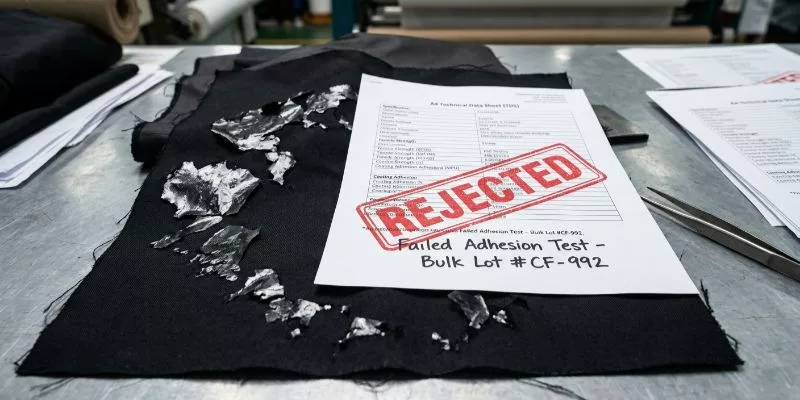
During my factory audits reviewing bag sourcing by region, I routinely encounter counterfeit textiles. Last year, a supplier tried to pass off generic calendared nylon as genuine Cordura. We caught the failure instantly.
Red flags appear quickly if you know where to look. Vague style descriptions on mill invoices indicate high risk. Suspiciously soft or glossy hand-feel proves the mill skipped the air-jet texturing process. Inconsistent backing application usually signals a secondary, unauthorized coating facility.
Paper hangtags hold zero weight, as anyone can print them. Enforcing a strict verification trail for every roll requires mapping the exact style number directly to the mill’s Technical Data Sheet (TDS). Fabric is then traced through the official CORDURA® Fabric Finder, ensuring the lot paperwork matches the invoice perfectly.
Finally, permanent woven labels are attached only after goods are completely finished. Ensuring that custom backpack manufacturers adhere strictly to this audit trail is vital to maintaining bag industry certifications.
Why Cordura Matters? Translating Specs into Business ROI
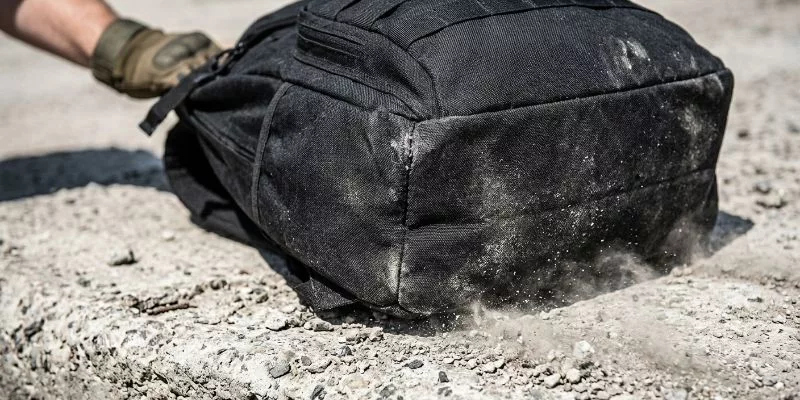
1. Secures Premium Pricing and Eliminates Warranty Drain
Air-jet textured nylon loops physically deflect friction, drastically extending service life. In my experience reviewing field failures, brands lose massive profits to warranty claims from generic nylon blowouts.
On one outdoor line that moved from generic coated nylon to a verified Classic construction, fabric-rip warranty claims fell to a negligible level over the following two seasons. That result does not transfer automatically if the coating or stitch package changes.
Buyers actively look for the Cordura tag to justify premium retail prices. Textile-school and mill data consistently show high-tenacity nylon 6,6 outlasts commodity polyester in abrasion protocols.
Treat that as directional; lock your own TDS. We verified this on heavy-duty panels for travel and outdoor backpack programs.
2. Optimizes Margin Through Spec Flexibility
Using maximum thickness everywhere ruins profit margins and spikes freight costs. We constantly test durable backpack material specs to prevent brands from over-engineering daily bags.
The Decision Matrix:
-
Choose 500D when: Building lightweight commuter lines with a sport bag manufacturer. You secure a softer hand-feel and cut shipping weight.
-
Choose 1000D when: Meeting strict OEM tactical bag material standards. It dominates high-wear environments.
📈 ROI Check: We frequently deploy mixed constructions. Combining a 500D body with a 1000D base cuts overall unit weight by 15% while maximizing bottom ruggedness.
3. Accelerates Approvals with Auditable Credibility
Authentic sourcing, paired with a mill Technical Data Sheet (TDS), gives your buyers absolute leverage. You avoid counterfeit liability and instantly build trust.
During a recent audit, Manager Chen noted: “When we handed the buyer our verified lot records, they approved the production run in 24 hours instead of three weeks.” Even premium custom handbag manufacturers require this traceability to defend retail pricing.
Before finalizing your bill of materials, let us schedule a technical review to match your design with physical samples.
Cordura Backpack Fabric: Avoiding Scams and Failures
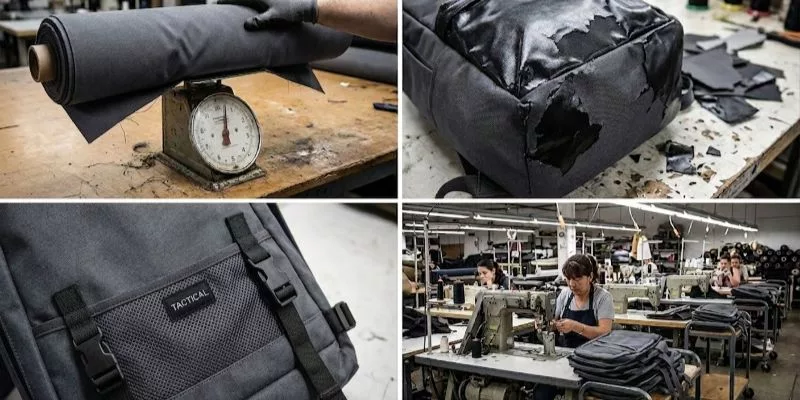
We vet Cordura Backpack Fabric by running 40 hours of destructive testing. You cannot simply specify this material and expect a flawless product. Here is where it creates friction on the factory floor.
1) Weight and Stiffness Penalties
Thicker yarn increases fabric weight and rigidity. Startups frequently overbuild commuter bags with 1000D nylon. High denier adds unnecessary bulk.
Dedicated wear tests revealed that a 1000D daypack chafed testers’ clothing. For a premium aesthetic without abrasive stiffness, we redirect clients to leather goods manufacturers.
⚖️ The Trade-off: You gain maximum abrasion resistance but sacrifice everyday user comfort.
2) Coating Failures and Counterfeit Scams
The raw nylon rarely fails. The chemical coating fails. Counterfeits remain a massive risk in bag sourcing by region. Last year, during a bag finishes inspection, I noticed a glossy, uneven backing on a client-provided roll.
Placed in a humidity chamber at 90% relative humidity, the material failed within four days as the cheap polyurethane (PU) coating peeled off completely.
🛡️ Mitigation: We strictly source from authorized mills using verified 2-pass PU systems.
3) Misleading Tactical Marketing Claims
Marketing departments frequently misuse military buzzwords. True military grade nylon fabric sourcing requires exact infrared (IR) reflection compliance.
We routinely reject fabrics claiming to meet OEM tactical bag material standards because the dye reflects night-vision light. The FTC warns against deceptive product claims.
⚠️ Critical Warning: To maintain bag industry certifications, demand the official technical data sheet from the mill.
4) Fabrication Bottlenecks on the Floor
Thick Cordura fights back during assembly. Dense fabrics complicate turning a bag inside out after stitching. Heat creates hazards.
As Floor Manager Chen notes: “Cutting 1000D with a laser melts the edges and creates toxic fumes.” Mechanical die-cutting provides the necessary alternative to avoid scorching.
Because thicker fabrics easily snap standard needles, slowing the Juki 1541 machines by 20% remains essential to prevent breakage. This directly increases the production quote.
Cordura Backpack Fabric FAQ
1. Is Cordura waterproof?
No. Classic Cordura is water-resistant when it has a DWR face and a PU or TPU back coating. Uncoated nylon wets out. Waterproof packs need a specified hydrostatic head and sealed seams, not the brand name alone.
2. How do I verify genuine Cordura?
Require the mill style number, lot, and TDS. Match them in the official CORDURA Fabric Finder. Hangtags are not proof. Reject lots with a glossy, untextured hand or patchy backing.
3. 500D or 1000D for a backpack?
500D for daypacks and commuters (lighter, easier to sew). 1000D for bases, duffels, and high-abrasion tactical panels. Mixed builds—500D body + 1000D base—usually beat “1000D everywhere.”
4. Cordura vs ballistic nylon?
Both can be high-tenacity nylon. Ballistic typically uses a tighter basket weave and a smoother face. Cordura Classic is air-jet textured, so it abrades by fuzzing rather than shearing. Specify weave and denier; do not treat the names as interchangeable.
5. Can we laser-cut 1000D Cordura?
Poor default. Melted edges and fumes are common. Mechanical die-cutting is the safer production path unless the factory has a documented fume and edge-quality protocol.
6. Does “military grade Cordura” mean IR-compliant?
No. NIR/IR reflectance is a separate dye and finish requirement. Ask for the relevant spec (for example MIL-related shade/IR notes) on the TDS, not in the marketing copy.
Final Thoughts on Cordura Sourcing
Ultimately, specifying a fabric name without verifying the underlying weave and chemical coating guarantees production failure. Cordura is a branded performance fabric family, not a complete, standalone specification.
While genuine air-jet textured nylon commands premium retail pricing, its manufacturing bottlenecks and extreme weight penalties actively punish poorly planned designs. Choosing between 500D and 1000D remains a strict use-case decision shaped by your target weight, desired stiffness, abrasion needs, and total program cost.
If you build heavy tactical loadouts, 1000D is mandatory. If you design lightweight commuter gear, 1000D will chafe your users and needlessly spike your freight costs. Drop to 500D.
As global supply chains tighten, counterfeit coatings will only increase. Real sourcing confidence comes exclusively from raw test data, direct mill verification, and rigorous production-fit evaluation. Regional bag sourcing audits consistently show that paper tags mean absolutely nothing.
We strongly advise treating material selection as a cross-functional decision. Demand total alignment between your product designers, R&D engineers, sourcing teams, and factory QA managers before you approve a bill of materials.
Specify denier, weave, and coating as one package, then verify the mill lot against the TDS. 500D and 1000D are use-case choices, not prestige tiers. Paper tags do not survive a coating audit.
If you want a second pair of eyes on a style number or incoming roll, use the contact page and send the mill invoice plus TDS.
Disclosure: I am not paid by any fabric mill to promote a specific result. My team evaluates all material lots strictly against internal lab acceptance criteria, ensuring you receive the exact, authentic Cordura Backpack Fabric you paid for.