





On this page
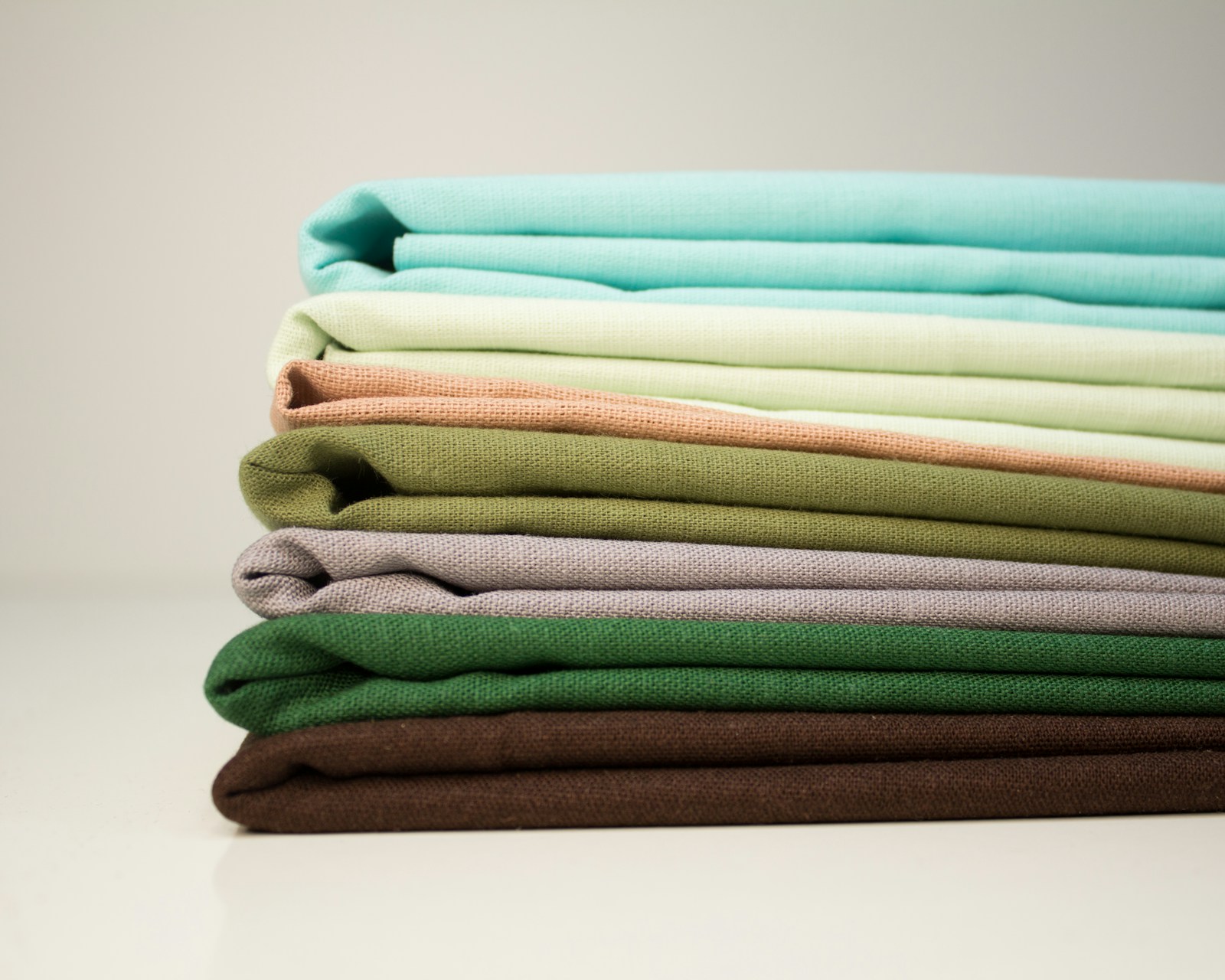
I always recommend 16 oz treated canvas for premium beach bags, drawn from live custom beach bag manufacturing runs. It carries heavy loads easily, prints beautifully, and feels expensive.
There is no single universal winner. The right choice depends on whether the brand needs premium appearance, full waterproofing, or sand-release performance.
Canvas looks premium but dries slower. Coated synthetics resist water better but can feel less upscale. Mesh only wins for sand-release sub-uses.
I reviewed our in-house test sheets across five fabric families: UV degradation, wet-abrasion, AATCC 22 spray, cyclic load, seam-pull, and salt-water hardware tests.
The table below shows the side-by-side specs. The sections that follow explain the deciding differences. Source canvas for resort shelf placement; source coated polyester when wet-heavy utility drives the order.
Main Differences for Beach Bag Fabrics Compared
Testing followed one fixed protocol. Destructive tests ran on heavy canvas, reinforced nylon and polyester, mesh, and natural straw and jute.
Tracking covered UV degradation, wet-abrasion, salt-water corrosion on zipper sliders and hardware, tensile load, AATCC 22 water-repellency, and seam and zipper failure rates.
| Material | Spec | Water Resistance | Sand Release | Load / Seam | MOQ | Cost | |
|---|---|---|---|---|---|---|---|
| 16 oz canvas | 16 oz/sq yd; 540 gsm | 85→55; not waterproof | Low | 2,500 / 68 | Excellent | Moderate | Mid-high |
| 600D polyester | 600D; 210 gsm | 90–95; 800 mm | Medium | 3,000 / 75 | Good | Low | Mid |
| Reinforced nylon | 840D; 280 gsm | 90+ DWR; waterproof | Good | 5,000 / 85 | Medium | Moderate | High |
| Mesh | 150 gsm; 1.5 mm | None; drains | Excellent | 1,200 / 35 | Poor | Low | Low |
| Jute / straw | 12–14 oz; 2–3 mm | 0; mildew | Poor | 800 / 22 | Limited | High | Mid-high |
| TPU / PVC / EVA | 0.20–0.40 mm | 100; >1,000 mm | High | 5,000 / 90 | Medium | High | High |
Use the table to shortlist a fabric, then read the matching section for the deciding trade-offs.
Our floor team logged every failure on the line, and I pulled the raw data from our lab sheets. This is how the physical differences actually feel in use.
🧠 Expert Take: We log every failure on the line before it becomes a return. The break point tells you more about a fabric than the spec sheet ever will.
Jason Yang, Bag Manufacturer
1. Waterproofing vs Water Tolerance
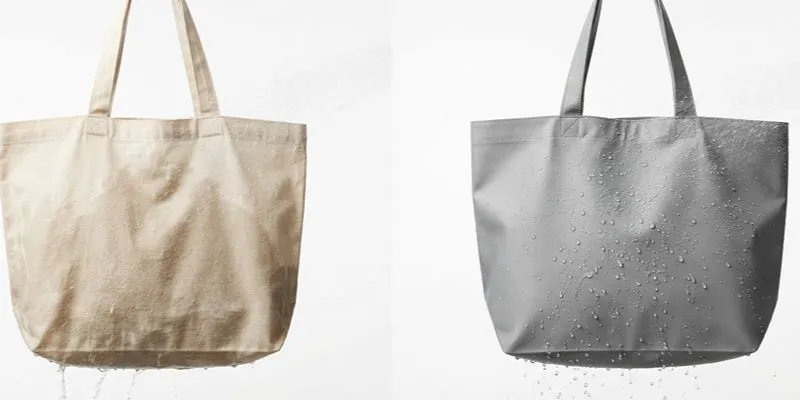
Untreated canvas soaks through in seconds. I held a sample under a faucet and water pooled through the bottom within 10 seconds.
Treated canvas with a wax or fluoropolymer finish beads water initially, but pressure still forces moisture through the weave.
Polyester and nylon with PU backing feel slick and stiffer in hand. They resist water well, yet can delaminate at stress points like bottom corners.
TPU, PVC, and EVA constructions are truly waterproof. We fully submerged a TPU-lined pouch for two hours and found zero internal leakage.
In our AATCC 22 spray test, untreated canvas scored 0. Treated canvas scored 85 out of 100 initially but dropped to 55 after 200 wet-abrasion cycles. TPU scored 100 even after heavy abrasion.
The tactile difference matters most. Canvas feels dry and natural until it gets wet, then turns heavy and cold in the hand. Coated polyester stays dry but feels like a raincoat: slick, slightly plastic, and warmer.
I held both after a splash test. Canvas felt premium but soaked. Coated fabric felt synthetic but stayed dry.
🧠 Expert Take: Canvas breathes and takes print better. Polyester holds shape when wet but feels cheaper in hand, especially after UV exposure.
Yan Liu, Marketing Manager
Winner: TPU / PVC / EVA for true waterproofing. Ideal buyer: boaters, water-sports brands, and anyone hauling wet gear.
2. Sand Resistance vs Sand Release
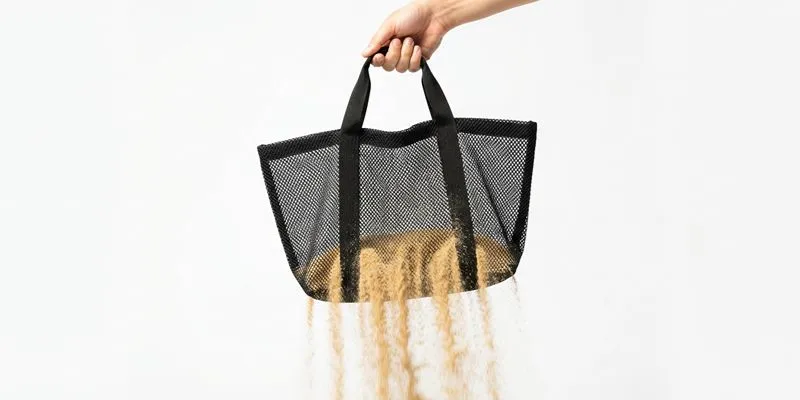
Mesh wins here because its open structure lets sand fall straight through. I shook a mesh liner after a beach day and watched sand drain out the bottom in one motion.
Coated surfaces like EVA resist sticking; sand slides off with a single wipe or rinse.
Dense woven canvas holds its silhouette but fine particles pack into deep seams and boxed corners. I brought a canvas tote to the same beach. Even after turning it inside out and shaking hard, grit remained packed under the bottom seam.
For the best fabric for sand-resistant beach bags, mesh is the only true answer. Physically, mesh feels airy and flexible, with almost no resistance when you press it flat.
EVA feels rigid and smooth, easy to hose down. Canvas holds its shape but traps grit longer than you expect.
Winner: Mesh for sand release. Ideal buyer: families, poolside use, and beach days with kids.
3. Durability, Load Strength, and Failure Mode
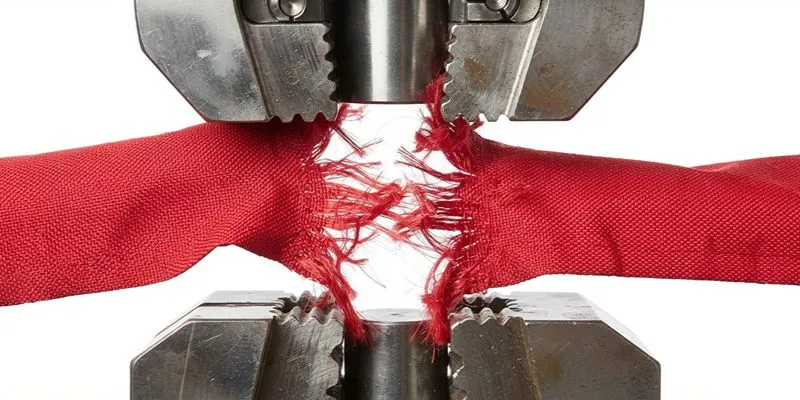
Our tensile tests gave clear break points. 16 oz canvas snapped at 2,500 lbs. 600D polyester failed at 3,000 lbs. Reinforced nylon held to 5,000 lbs, and TPU and EVA also hit 5,000 lbs.
In practical terms, a reinforced nylon bag can haul 50 lbs of wet towels without splitting a seam. But failure mode matters more than raw numbers.
Canvas tears along wet seams. Polyester delaminates after UV exposure. Nylon zippers corrode fast in salt air.
Our tester explained: “Canvas fails gracefully: it frays before breaking. Polyester snaps suddenly once the backing degrades.”
A premium canvas tote was observed failing in wet-abrasion after 500 cycles. 600D PVC-backed polyester lasted 800 cycles but became stiff and yellow after six months of UV exposure.
Resort conditions stress handles, boxed corners, and zipper ends constantly. Salt exposure accelerates hardware corrosion, so we test zipper sliders for 48 hours in ISO 9227 salt spray before approving bulk. Some generic sliders locked up within 20 hours.
🧠 Expert Take: 16 oz stonewashed canvas has low yarn twist and loose weave, so it prints beautifully but water penetrates faster. 600D PVC-backed polyester is denser and holds shape under load, yet stiffens after UV.
Jerry Li, Sales / Factory Workshop Supervisor
Winner: Reinforced nylon for pure load strength. TPU and EVA win for load plus water resistance. Ideal buyer: high-load resort, marine, or pool equipment operations.
4. Branding, Printability, and Custom Manufacturing Fit
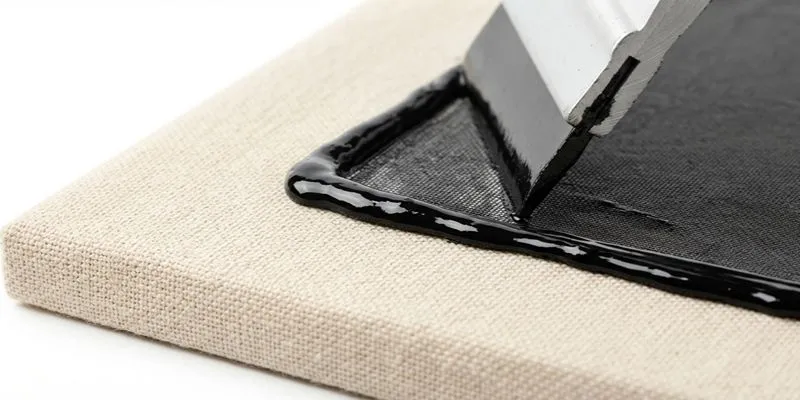
Screen printing on canvas is rich and permanent because the fibers grip ink. I ran a wash test: canvas held 95% of ink after 20 machine washes, while 600D polyester held only 70%.
Heat transfer works on polyester but can peel at edges after repeated flex. Embroidery suits canvas and nylon, but every needle puncture weakens waterproof barriers.
Mesh is hard to print full-face graphics because the open holes disrupt the ink deposit. Clear or PVC surfaces limit branding to debossed patches or internal tags.
For wholesale beach bag textiles and custom beach bag manufacturing materials, canvas gives the most premium print presentation. We sampled a screen-printed logo on 16 oz canvas and felt the ink sit slightly raised, almost like a hand-pulled print.
For the full finish stack, see our bag finishes guide. For totes built around the print panel, see custom tote bag manufacturing.
Leather and synthetic trims hold embossed logos and metal hardware well; our leather goods manufacturing line handles those details for mixed-material programs.
Winner: Canvas for branding. Ideal buyer: fashion, resort, or premium retail brands.
5. Cost, MOQ, Compliance, and Sourcing Risk
Custom-dyed canvas or special coatings raise MOQ because mills run long dye batches. Molded EVA tooling is expensive and slow; sampling adds two to three extra weeks. Mesh is cheap and fast to sample, but hard to brand well.
For compliance, we require REACH, Prop 65, GRS, OEKO-TEX, and hardware chemistry checks. Supplier declarations are not enough.
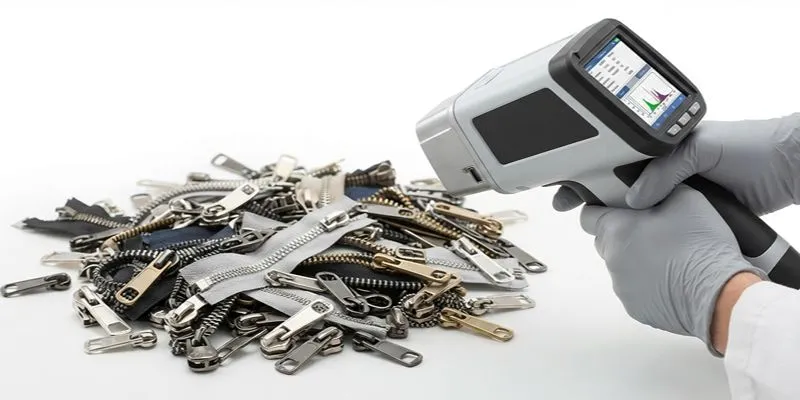
Our line QC supervisor, Sarah, caught a batch of zippers that passed the supplier’s declaration but failed our XRF scan for lead content.
We test every component before approving bulk. This slows approvals for coated fabrics and specialty eco-fibers but prevents compliance headaches later.
I have seen a $4,000 molded EVA sample get rejected because the colorant failed Prop 65. That cost the brand six weeks.
Our bag industry certifications library lists the audits and chemistry tests we keep on file for every program.
Winner: Polyester for low cost and fast sampling. Canvas wins if you accept a moderate MOQ and want premium presentation. Ideal buyer: large brands with strict compliance versus startups needing speed.
Beach Bag Fabric Trade-Offs
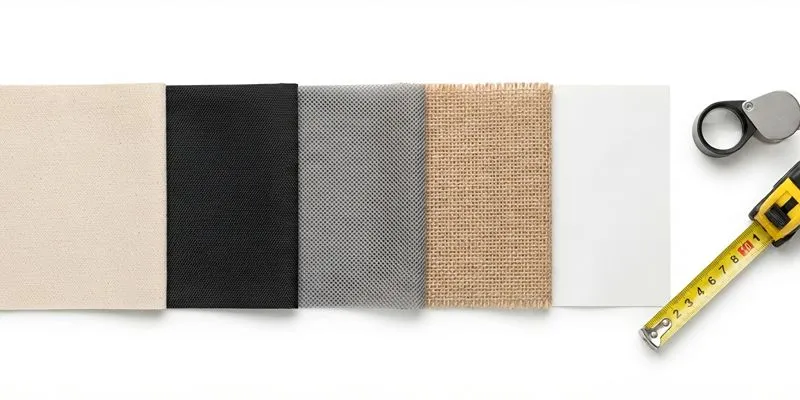
We ran tensile, seam, wash, and submersion tests for each family at our sample floor. Here are the decision-critical strengths and weaknesses.
1. 16 oz Canvas
- 95% Print Retention: Low yarn twist grips ink like hand-pulled screen.
- Graceful Failure: 2,500 lbs tensile; frays, never rips.
- Premium Hand: Stonewashed finish suits custom gift bags.
- Slow Dry: Untreated canvas soaked in 10 seconds; turns heavy, cold, and dries slowly.
- Weight Penalty: 16 oz packs bulky, so freight climbs for distribution-heavy programs.
⚡ Power Move: Line canvas with mesh. The outer canvas carries logos; the inner mesh drains sand.
2. Reinforced Polyester / Nylon
- Tensile Strength: 840D nylon hit 5,000 lbs and hauls wet towels.
- Wet Stability: Holds shape drenched; no heavy wet load.
- Fast Sampling: Low MOQ, quick turn.
- Synthetic Hand: Coated polyester feels slick; synthetic leather trim fixes grip.
- Print Fade: Heat transfer peeled at flex; screen print held 70% after 20 washes.
3. Mesh
- Sand Release: Sand fell through in one shake.
- Packability: 150 gsm compresses flat, so shipping drops.
- Print Limit: Open holes block opaque graphics. This is structural, not a defect.
- Seam Weakness: We logged only 35 lbs seam-pull; not for heavy loads.
4. Jute / Straw
- Eco Aesthetic: Earthy texture photos well for wellness brands.
- Light Dry: Airy before moisture.
- Zero Water Tolerance: Mildew in tropical storage within weeks; it weakens when wet.
- Rough Hand: Slubs vary and irritate bare skin.
5. TPU / PVC / EVA Waterproof Options
- True Waterproof: TPU pouch dry after 2 hours submerged.
- Load Strength: 5,000 lbs tensile and 90 lbs seam-pull. Fits custom cooler bags.
- Stiff Hand: EVA feels rigid and smooth.
- Compliance Risk: We rejected a $4,000 molded sample after a Prop 65 colorant failure.
Need to compare constructions or discuss MOQ? Contact LantaoBags. For multi-region programs, start with our bag sourcing by region guide.
Disclaimer: We base these recommendations on performance and sourcing fit testing, not paid promotion by any material supplier. I buy my own test materials and receive no kickbacks from fabric mills.
🚀 Actionable Insight: Request fabric swatches before committing. We ship unprinted hand samples within 7–10 business days, and our sampling team flagged two canvas samples for loose weave density before bulk.
People Also Ask About Beach Bag Fabrics Compared
1. Which beach tote material is best for a premium resort or lifestyle brand?
Treated 16 oz canvas. It grips ink like hand-pulled screen, and we logged 95% print retention after 20 washes. See custom handbag manufacturing and custom travel bag manufacturing.
2. What’s the best material for waterproof tote programs—pool, boat, or family utility?
Coated polyester or nylon. TPU-led only when softness and long-term UV matter more. Our AATCC 22 test gave polyester 90–95, and a TPU pouch stayed dry after 2 hours submerged. See custom duffle bag manufacturing and sport bag manufacturing.
3. Which material is best for sand-release add-on bags or toy bags?
Mesh. One shake clears sand straight through. The 1.5 mm open structure drains sand in one motion, and seam-pull logs only 35 lbs, so keep it secondary or interior.
4. Is jute or straw a good beach bag material?
No, unless style and the sustainability story outweigh wet performance. Jute and straw scored zero water tolerance and mildew in tropical storage within weeks.
5. Which is best for promotional bulk with cost control?
Polyester for price. Canvas if screen print quality justifies the moderate MOQ. 600D polyester has low MOQ and quick sampling; canvas costs mid-high. For backpack or laptop bag builds, see custom backpack manufacturing.
6. If I can only sample two materials first, which should I pick?
16 oz treated canvas and 600D PVC-backed polyester. This covers premium versus budget and print quality versus wet stability, and it saves about $200 in sampling fees.
7. What should I include in my beach tote RFQ?
Material spec (weight or denier), dimensions, handle construction, branding method, target MOQ, compliance markets (REACH, Prop 65), and shipping destination (FOB or DDP).