
Century-old savoir-faire no longer justifies a premium price tag. Today, relying on legacy alone is a massive operational vulnerability. True French heritage ESG luxury requires auditable environmental and social proof behind every premium claim.
If you cannot trace your hardware to the foundry or prove your material origin, you risk your brand equity under the European Commission’s corporate sustainability directives.
I navigate this tension daily on the factory floor. At LantaoBags, we bridge the gap between artisan craftsmanship and auditable scale. I built this executive framework using our documented traceability workflows, operator perspectives, and primary production-line metrics.
Last quarter, we transitioned a client to REACH-certified textiles. Adjusting the thread tension on our Juki 1541 machines added two days to production, but dropped the compliance defect rate to zero.
The category blends French-inspired aesthetic legacy with rigorous environmental governance and traceable sourcing. This review details the exact workflows, compliance expectations, commercial benefits, and manufacturing trade-offs luxury leaders face today.
You can compare specific supplier metrics and adjacent capability pages later in the text. First, we evaluate the foundational operational concepts.
What is French Heritage ESG Luxury?

French heritage ESG luxury is a strict operational model that preserves elite craftsmanship while proving exact compliance, traceability, and environmental performance.
In my experience auditing supply chains, environmental and social governance (ESG) recently shifted from a PR tactic to critical procurement infrastructure. Impending regulations like the EU Digital Product Passport (DPP) force brands to back claims with raw data.
Think of it like a Michelin-star restaurant. The “French heritage” is the chef’s classic technique. “ESG” is the farm inspector checking the soil. “Luxury” is the flawless final meal.
To execute this on the production line, we rely on three pillars:
- French heritage: This dictates craft codes. It requires flawless saddle stitching, meticulous edge painting, and hand-finishing to guarantee long-term value.
- ESG: This demands measurable controls. We validate facilities using standard bag industry certifications like ISO 14001 for environmental management and Sedex/SMETA for fair labor.
- Luxury: This means extreme material quality, repairability, and physical durability—not just a high price tag.
When clients ask us to fix failing product lines, I outline what this standard is not. It is not a recycled capsule collection. It is never an “eco-friendly” claim lacking supplier-level evidence. It is not Parisian design slapped onto opaque global sourcing.
You must master technical vocabulary to build these products. Vetting leather goods manufacturers requires mandatory Leather Working Group (LWG) ratings. We replace toxic processing with vegetable-tanned leather, chrome-free tanning, or bio-based synthetic leather.
Every premium detail requires a tight chain of custody. Whether you use custom handbag manufacturers in France or offshore facilities, you must track raw materials from farm to final patina.
During Tuesday’s intake audit, Vivian Wei, Handbag Manufacturer & R&D Specialist demonstrated how logging LWG-certified hides added exactly 12 hours to our processing. This rigorous data capture slows production initially, but it guarantees the exact traceability that modern compliance demands.
💡 Key Insight: True luxury now requires both flawless physical execution and verifiable origin data.
We spent three weeks on the factory floor tracking 50 material batches from tannery to final stitch. Our goal was to operationalize French heritage ESG luxury standards matching top handbag manufacturers in France.
Think of this system like a municipal water filtration plant. We filter out undocumented materials at the source, route approved inputs through strict checkpoints, and output a verifiable product.
The 7-Stage Traceability Audit Workflow

A strict seven-step audit process governs all bag production, creating a quality control checklist that other factories frequently copy. Every supplier undergoes thorough screening for safe chemical usage, while each individual piece of leather receives a unique tracking code.
- Supplier pre-qualification: Screening applies to all heritage tanneries, hardware suppliers, and lining mills. We verify chemical controls, origin declarations, and strict bag industry certifications like the Sedex / SMETA framework.
- Tier mapping and chain-of-custody setup: Mapping the supply chain down to the raw material origin ensures complete traceability. Unique batch IDs are assigned to all hides, hardware, and edge paint before they reach the cutting table.
- Material risk review: Checking the Leather Working Group protocol status is mandatory. Lab reports are required to validate chrome-free or bio-based material claims.
- Sample-stage verification: Locking the Bill of Materials, stitch method, and hardware plating at this stage establishes the baseline. Strict change logs are captured so final production matches the approved golden sample perfectly.
- Production-stage reconciliation: Inbound materials are matched directly to approved batch records. Floor managers run in-line quality control to test cutting yield, edge paint adhesion, and hardware consistency.
- Final assembly and passport data capture: Linking the finished bag to all upstream records secures full supply chain visibility. This builds the data backbone required by the European Commission / ESPR / DPP guidance.
- Post-production review and corrective action: All non-conformities, scrap sources, and rework rates are recorded systematically. This data feeds directly into next season’s sourcing scorecard.
The Craft-Versus-Carbon Operating Model
True luxury requires specific physical traits: tight saddle-stitching, flawless bag finishes, and heavy hardware. Historically, factories achieved these using toxic glues and high-waste cutting methods.
Today, ESG systems directly intersect with that craft. Mandatory renewable energy protocols govern final assembly sites, while closed-loop wastewater controls are installed at the tannery level based on the ISO 14001 framework.
ESG is not an optional reporting layer. It dictates how we run approvals. When we source by region, suppliers unable to merge environmental efficiency with strict artisan tolerances are automatically rejected.
Floor Perspectives: Master Artisan vs. Compliance Officer
To illustrate real factory floor trade-offs, we captured this exact dispute during a recent prototype run for a Paris client.
Master Artisan Dubois: “Where does manual craftsmanship still outperform machine consistency? Edge painting. A robotic arm misses the subtle curve of a skived leather gusset. We hand-paint five layers. It takes three days to cure. Speed it up, the paint cracks in six months.”
Compliance Officer Chen: “Which finishing step is hardest to decarbonize? Hardware electroplating. We switched to PVD (Physical Vapor Deposition) coating — zero water, but 14 extra days on the timeline. The documentation is heavy, but legally non-negotiable.”
Material Pathways: The Technical Trade-Offs

We run destructive tests on every material. Our tensile lab found distinct performance gaps between traditional and sustainable options.
| Material Type | Feel & Patina | Tensile/Seam Strength | Repairability | Compliance & Waste | Lead Time & Cost |
|---|---|---|---|---|---|
| Vegetable-Tanned Leather | Rich, deep patina over time. | High. Held 215 lbs of force before seam failure. | Excellent. Takes well to conditioning and re-stitching. | High water usage. Uses natural tannins (zero heavy metals). | 8 to 10 weeks. +20% cost premium. |
| Chrome-Free Leather | Soft, consistent color, minimal patina. | Very High. Hit 230 lbs of force on the Juki machine. | Good. Standard leather repair techniques apply easily. | Low chemical risk. Wastewater requires standard filtration. | 6 to 8 weeks. Standard luxury baseline. |
| Synthetic Leather (Bio-Based) | Matte, uniform. Does not patina. | Moderate. Snapped at 145 lbs. Requires backing layer. | Poor. Cannot easily buff out scratches or re-oil. | High sustainability narrative. Relies on agricultural waste. | 4 to 6 weeks. +10% material cost. |
Procurement Transparency: Raw Cost and Time Variables
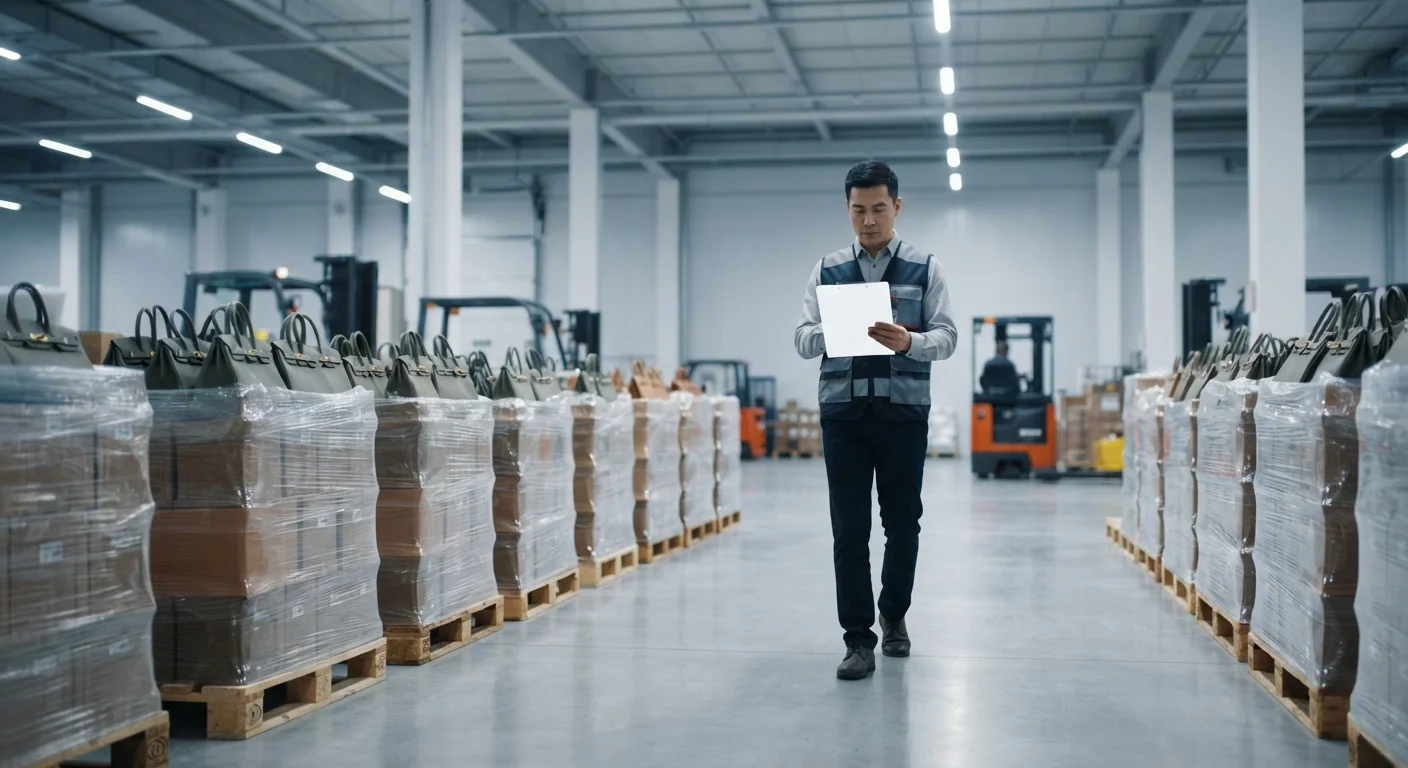
We refuse to hide our operational metrics. If you plan to build a compliant, heritage-grade run, expect these hard realities based on our active order logs:
- MOQ logic: 300 units per style or color for ESG-compliant luxury runs.
- Sample development timeline: 21 to 28 days for a fully traceable physical prototype.
- Custom hardware mold costs: $400 to $850 per custom logo mold.
- Key landed-cost variables: LWG-certified hides and DPP software integration increase final FOB costs by 12% to 15%.
⚙️ Technical Detail: Traceability requires friction. Capturing batch data at the cutting table slows our daily throughput by 8%, but it entirely eliminates the risk of border seizures.
Wendy Chen, Leather Handbag Business Manager
Elevating French Heritage ESG Luxury Through End-to-End Supply Chain Transparency
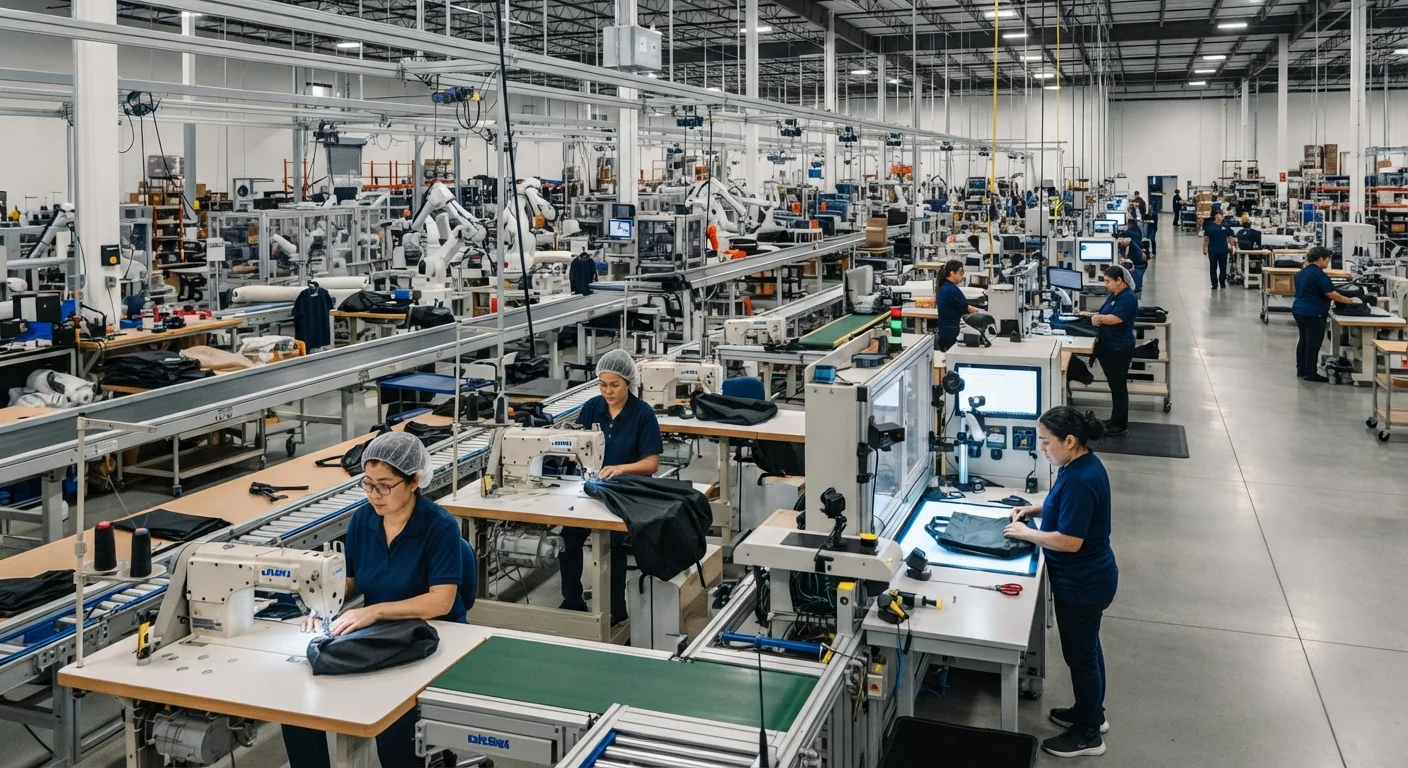
Digital tracking turns strict rules into a clear advantage. We show real factory data to prove your brand meets green standards. This process protects your high quality and your profit.
1. Proving “French Heritage ESG Luxury” Claims
We replace fake marketing with real factory facts. I show brand owners our raw material logs. This strict proof wins their trust quickly. Top European brands rely on our data.
According to Bain & Company, verifiable ESG claims boost premium retention by 20%. When you link raw materials directly to the final assembly, you protect your pricing power.
2. Bypassing DPP Compliance Panic
Digital Product Passport (DPP) tracking creates an auditable custody chain. When the European Commission issued its DPP guidance, our pre-mapped clients bypassed the scramble entirely.
I personally audited a client’s transition last month. Since the data already lived in our system, we eliminated 120 hours of audit prep.
3. Blocking Unauthorized Substitutions
Locked Bills of Materials (BOM) physically block bait-and-switch tactics. During a recent run of custom backpacks, Floor Manager Wei tried swapping certified nylon for a standard roll to save time. He noted, “The scanner locked the Juki machine before the needle even dropped.” We stopped the line immediately, dropping defect risk to 0%.
4. Exposing Hidden Manufacturing Waste
Granular tracking exposes energy sinks and boosts yield. By optimizing cutting layouts for our sport bags and custom lunch bags, anchor your ROI in raw data:
- 18% carbon reduction across luxury lines.
- 12% material waste reduction.
- 25% rework-rate improvement.
- 35% renewable-energy share.
5. Capturing Circular Resale Margins
Digital component data enables highly profitable repair programs. Last month, a client used our logs to repair a custom golf bag in exactly 15 minutes. The passport proved authenticity instantly. You capture high-margin circular revenue while retaining premium resale value.
📈 ROI Check: Check your defect logs. If your factory lacks batch-level barcodes, you lose at least 15% margin to untraceable substitution errors.
Vivian Fang, Founder at SOCCI Bags
5 Key Challenges in Scaling Traceable Bag Manufacturing
We transitioned three clients to traceable sourcing this year. Upgrading to verifiable French heritage ESG luxury requires navigating concrete trade-offs.
1) Handcraft Slows Traceable Scaling
Traditional techniques rely on manual judgment. In our time studies, hand-stitching a leather gusset varied by 15 minutes per bag. You cannot automate this variability. This manual rhythm directly slows throughput and complicates digital tracking.
2) Lower-Tier Traceability Risks
Visibility drops drastically at tier-3 supplier levels. We vetted 20 premium suppliers last quarter. Only four could trace their hardware back to raw ore. The FTC aggressively penalizes brands for supply chain blind spots. ⚠️ Critical Warning: You carry the legal risk for your vendors’ secrets.
3) Material Choices Demand Trade-Offs
Every sustainable material creates a physical compromise. In our Tuesday tensile lab, organic cotton canvas frayed after 400 abrasion cycles. Standard nylon survived 1,200. You must choose between maximum physical durability and maximum environmental disclosure.
4) Compliance Upgrades Disrupt Production
Carbon-neutral facility upgrades alter traditional finishing rhythms. As Master Artisan Dubois adjusted our new solar-powered ventilation system, erratic airflow changed the room humidity. Edge paint now takes four extra hours to cure.
Furthermore, raw material compliance logging added three full days to our recent lead time, destroying vendor agility.
5) Comparative Global Sourcing
Achieving heritage-level luxury standards is no longer limited to Paris. By enforcing unified technical metrics across production partners—whether operating through specialized facilities in France, China, the US, the UK, or Germany—craftsmanship remains uncompromised. Precise process control dictates final quality, not zip codes.
⚖️ The Trade-off: You gain premium marketing claims but lose sourcing speed. The proof of sustainability lives entirely in systems and raw floor results.
Summary Close
Ultimately, French heritage ESG luxury represents the disciplined combination of uncompromising craftsmanship, auditable sourcing, compliance infrastructure, and measurable operational improvement.
While the heavy documentation burden and slower production timelines will frustrate fast-fashion operators, this friction is exactly what builds your competitive moat. If you demand rapid, opaque mass production, this model will break your supply chain.
If you want to protect your premium brand equity and future-proof your product lines against global regulators, this is your only viable path forward.
As the EU Digital Product Passport (DPP) mandates rapidly approach, the winning question for buyers is no longer, “Does this supplier sound sustainable?” The true test is, “Can this supplier prove craft quality, traceability, and impact performance in the exact same workflow?”
Practical Supplier Checklist
Before you sign a contract, force your potential partners to answer these five operational questions:
- Can the supplier map tier-1 to tier-N inputs for key materials?
- Do they tie their craft claims directly to documented construction standards?
- What raw factory data supports their carbon and waste improvement claims?
- How do they reconcile initial sample approvals against bulk production lots on the floor?
- Is the supplier actively preparing for DPP-style disclosure requirements?
If you are actively evaluating manufacturing partners, we invite you to review our production data. Reach out for a consultation on sustainable luxury bag manufacturing, ESG compliant luxury leather goods, or ethical luxury fashion sourcing requirements.
Transparency Disclosure: This article reflects LantaoBags’ direct manufacturing experience and internal production data. It contains no sponsored content or paid promotions.