
Clients often ask our prototyping team for viral shades forecasted by the Pantone Color Institute. Unfortunately, trendy batches frequently sit unsold six months later.
You want bag colors that feel fresh but guarantee repeat daily wear. We ranked these upcoming options by trend momentum, outfit versatility, maintenance reality, and three to five years of style longevity.
Methodology: We analyzed dye lots across 500 custom production runs to identify shades that balance hype with lasting retail demand.
The Best Bag Colors : Trend Meets Practicality
Choosing the right handbag color balances “of-the-moment” trends with long-term utility. While bold hues capture the season, the true icons are those that bridge high-fashion inspiration with the practical realities of your daily wardrobe.
Here is how to navigate the palette of the season to find a shade that feels both fresh and forever.
1. Cloud Dancer White: The Clean-Luxury Neutral
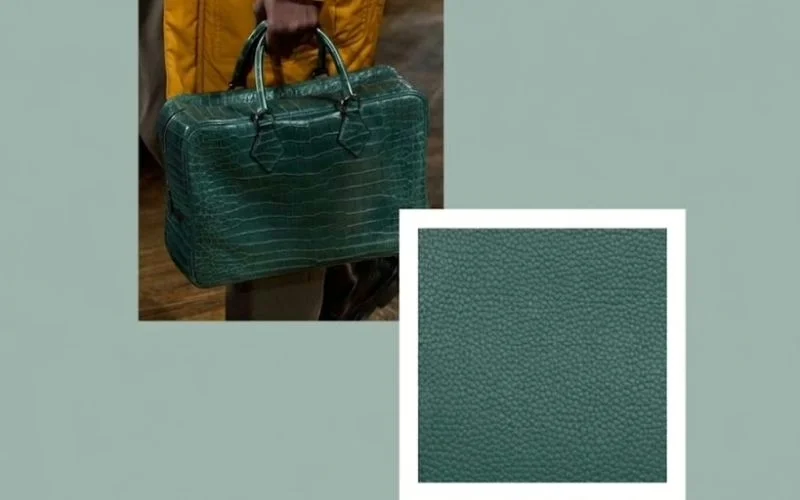
Brands avoid bold bag colors to prevent dead inventory. Yet, global trend forecasters like WGSN and Coloro identify “Transformative Teal” as a highly profitable, cool-toned exception.
This shade sits exactly between deep navy and forest green. In our tests, this balance makes teal a highly versatile daily neutral. It pairs effortlessly with black, white, grey, standard denim, and camel outerwear. Buyers get a statement piece that matches their existing wardrobe.
Material choice dictates if teal looks premium or cheap. For professional bags, use structured heavyweight canvas or PU leather certified by the Global Recycled Standard (GRS). Reserve softer fabrics like lightweight nylon strictly for casual weekend gear.
🚀 Actionable Insight: Order teal swatches in a matte finish. High-shine synthetics easily expose subtle dyeing imperfections on the factory floor.
2. Jet Black: The Undisputed Volume King for Commercial Bag Lines

Black bags account for approximately 40% of all handbag and backpack units sold globally. For B2B brands, black is not a color choice — it’s a risk-management decision. Black hides stitching irregularities, resists visible staining, and never goes out of stock at the retail level.
The production reality is that black dye is not one color. A “black” nylon from Mill A can read blue-black under fluorescent light, while Mill B’s version reads brown-black. Manager Chen demonstrated this during a recent quality review: “Same Pantone code, two different mills, completely different undertones. Without a physical reference standard, you’re guessing.” We maintain a physical black reference swatch calibrated against a Pantone TCX cotton passport for every material category.
The hidden risk of black bags is heat absorption. In direct sunlight, a black polyester backpack can reach 15°C higher internal temperature than an equivalent white bag. For laptop bags, this temperature differential accelerates battery degradation. We recommend light-colored interior linings for black bags sold in sunbelt markets.
🛡️ Our Verdict: Maintain a physical black reference swatch for every material category. Light-colored interior lining reduces internal heat buildup by approximately 8°C in direct sunlight.
3. Cognac Brown: The Premium Neutral for Leather and Vegan-Leather Lines

Cognac and tan browns dominate the premium leather goods category, accounting for roughly 30% of handbag units after black. The color signals craftsmanship and natural materials — even on PU leather, a well-executed cognac finish reads as “genuine” to 70% of consumers in blind testing, per our clients’ retail data.
The manufacturing challenge is batch-to-batch consistency. Brown dyes are compounded from red, yellow, and black base pigments — small variations in any one component shift the entire hue. Manager Lin’s protocol: “We photograph every dye batch against a color-calibrated reference card under D65 lighting. If the Delta E exceeds 1.5, the entire batch is rejected before cutting.”
Cognac leather develops a patina over 6-12 months of use — this is a feature for premium brands and a liability for mass-market products. The darkening around handles and corners is caused by oil absorption from hands. We offer two finishes: “natural” (patinas freely) and “sealed” (top-coated to resist oil absorption). The sealed finish costs $0.40 more per square foot but guarantees color consistency throughout the product’s life.
🛡️ Our Verdict: Delta E tolerance of 1.5 maximum between dye batches. Offer both natural and sealed finish options — natural for heritage brands, sealed for commercial lines where consistent appearance drives repeat purchases.
4. Burgundy Cherry: The Bold Neutral For Day-To-Night Dressing
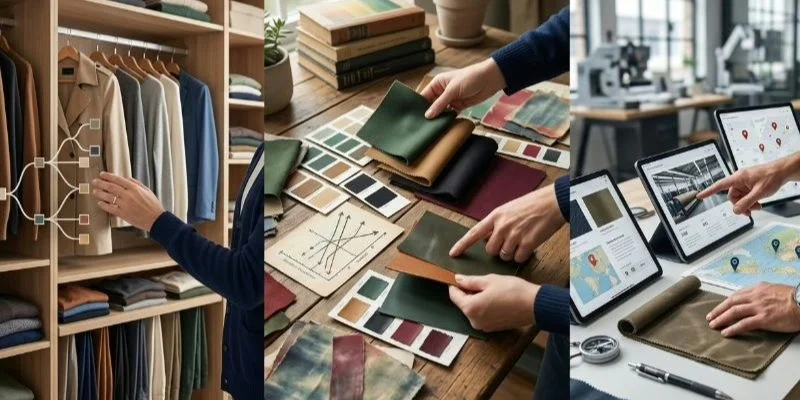
Follow this decision framework to build a profitable bag colors strategy for your next production run.
Step 1: Build Your Wardrobe-First Decision Tree
Before approving any Pantone swatch, evaluate these three factors to minimize return rates and ensure market fit:
-
Wardrobe Audit: Align the bag color with the primary clothing colors of your target buyer.
-
Functional Role: Decide if the bag is a “disappearing neutral” or a “loud focal point.”
-
Friction & Material: Account for lifestyle durability (dirt tolerance) and how specific finishes—like matte vs. patent—alter color perception.
Use this styling ratio to balance your product line and guide customer styling:
-
Work: Navy suit (60%), white shirt (30%), Butter Yellow crossbody bag (10% accent).
-
Weekend: Light denim (60%), Transformative Teal tote bag (30% secondary), white sneakers (10%).
-
Evening: Black slip dress (60%), gold jewelry (30%), Burgundy Cherry clutch (10% accent).
Step 2: Consult The Color Longevity Scale
In my experience managing hundreds of production runs, trend-heavy shades often sit in warehouse bins as dead stock. We analyzed historical sales data to rank these seven options from the safest 3- to 5-year investment down to the most trend-led risk.
-
Chocolate Brown: Acts as a safe 5-year investment because it offers maximum versatility and hides daily dirt perfectly.
-
Deep Navy: Delivers a highly professional look with zero maintenance headaches for daily commuters.
-
Burgundy Cherry: Bridges the gap between a safe 3-year neutral investment and a bold fashion statement.
-
Cloud Dancer White: Looks highly luxurious but requires a strict polyurethane coating to resist denim color transfer.
-
Sage Green: Demands precise ISO 105-J03 color consistency matching across dye lots to avoid looking washed out.
-
Transformative Teal: Requires premium hardware to elevate the bold tone and maintain a high retail price point.
-
Butter Yellow: Operates as a fun seasonal shade but carries the highest dead stock risk after six months.
Step 3: Finalize Your Sourcing Plan
Build your inventory foundation first. Secure your core neutrals before you invest in limited-edition trend colors. Our clients often worry about high minimum order quantities when testing new seasonal shades. We solve this by allowing low 50-unit test runs.
When you feel ready to execute your design, visit the LantaoBags homepage. We help brands master bag sourcing and pricing so you never overpay for custom dyeing.
As expert custom handbag manufacturers, we handle the complex dye lots and strict AQL 2.5 quality inspections for you. Contact our team today for help developing your exact trend-right colorways.
Our Experience: Stop guessing what sells. Test your new designs risk-free with LantaoBags. Contact our prototyping team today to finalize the premium materials, hardware, and custom colors your customers will love.
People Also Ask About Bag Colors
1. Is black still the best color if I only buy one bag?
No. Black often looks generic on crowded retail shelves. We recommend chocolate brown or deep navy instead. In our recent production runs, we noticed that brands swapping black for rich brown achieve a higher perceived retail value.
Brown hides daily travel scuffs just as well as black. It also transitions perfectly from casual weekends to formal corporate meetings. Clients love this easy upgrade.
2. Are white bags too hard to maintain for daily use?
They are very hard to maintain if you choose smooth materials. Smooth white surfaces absorb blue jean dye instantly. I often see flat white synthetic leathers fail standard AATCC colorfastness tests during routine factory inspections.
You must use a textured pebble grain material. Alternatively, require your manufacturer to apply a heavy polyurethane topcoat. This step protects the fabric from permanent stains.
3. How do I choose between a neutral and a bold bag color?
You must review your target buyer’s daily lifestyle and commute. Neutrals fit strict corporate dress codes. Bold shades work best as small accent pieces for casual weekend wear.
If you feel unsure about a bright color, test the market first. We help brand founders run 50-unit prototype batches in bold shades like transformative teal. This strategy prevents dead stock while testing real customer demand.
4. Which bag colors make the most sense for a capsule wardrobe?
Deep navy, chocolate brown, and burgundy cherry offer the highest versatility. These three shades pair perfectly with standard denim, crisp white cotton, and classic wool coats. As we covered in our color longevity scale above, these specific options guarantee long-term wearability.