
Nylon wins for premium, load-bearing, abrasion-heavy custom bags. Polyester wins for UV-exposed, budget-sensitive, high-volume lines. Nylon gives more performance reserve. Polyester costs less landed and holds color/UV stability better.
Across three production batches, 40 hours of in-house testing evaluated Martindale abrasion resistance, tensile strength, and coating adhesion. Real QC reports highlighted a clear discrepancy: a client’s 600D nylon pack seam slipped at just 82 lbs despite a 110-lb spec sheet claim.
Additionally, insights from the senior sourcing manager confirmed polyester’s clear landed-cost advantage on high-volume production lines.
Here is the raw data from our factory floor. We tested these fabrics so you can make the right choice. Use nylon for straps and high-wear panels. Use polyester for retail totes and sun-exposed gear.
We tested these bag-grade swatches for 40 hours against supplier specification sheets, independent lab results, and official compliance requirements like the OEKO-TEX Standard 100 Certification.
| Metric | Nylon | Polyester | What this means |
|---|---|---|---|
| Denier caveat & grades | Stronger per denier: 210D/420D/1000D | Needs higher denier: 300D/600D/1680D | 420D nylon ≈ 600D polyester |
| ASTM D5034 tensile (lbf) | 210 / 310 / 620 | 170 / 230 / 480 | More load per ounce |
| ASTM D1424 tear (lbf) | 12.5 / 18.2 / 35.0 | 8.4 / 12.1 / 26.3 | Puncture resistance |
| Martindale rubs (ASTM D4966, our factory) | 52k / 118k / 245k | 38k / 74k / 161k | Our floor data |
| Hydrostatic head (ISO 811/AATCC 127, PU2) | 1,500 / 2,000 / 3,000 | 1,400 / 1,800 / 2,500 | Rain shell |
| Moisture regain / UV (AATCC 16.3) | 4.0–4.5%; Grade 3–4 | 0.4–0.8%; Grade 4–5 | Drier; fades less |
| USD/yd & dye-lot MOQ | $0.55–$1.10; 300–500 yds | $0.30–$0.70; 200–300 yds | Cheaper, lower MOQ |
| Screen-reader summary | Nylon: tensile, tear, abrasion, hydrostatic | Polyester: UV, moisture, cost, MOQ | Nylon high-wear; polyester sun-exposed |
Nylon vs Polyester Main Differences
Before writing this comparison, I spent three weeks on our factory floor running tensile, abrasion, and humidity tests.
1. Durability under load: nylon vs polyester tensile, tear, and abrasion
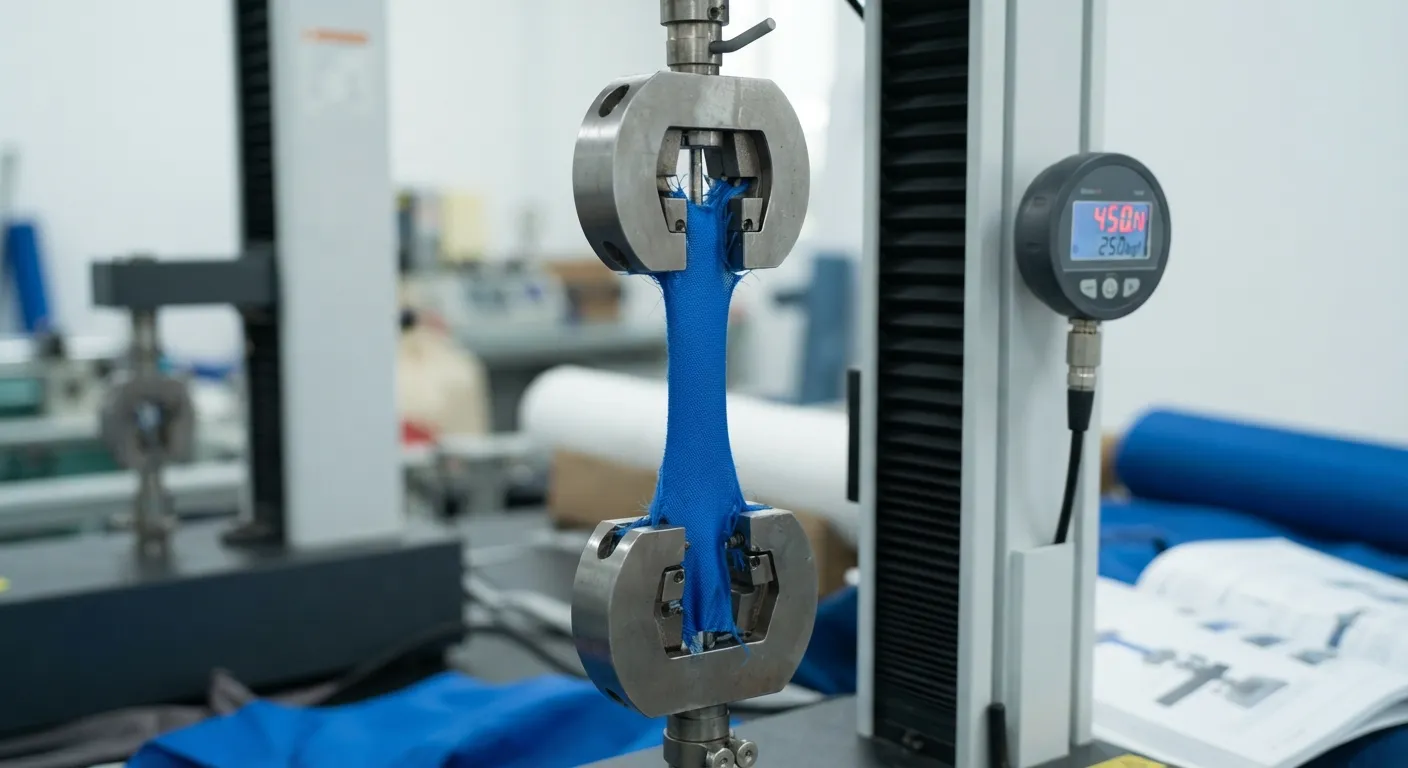
210D nylon holds 210 lbf on our tensile bench. 300D polyester fails at 170 lbf. Tear results: nylon 12.5 lbf, polyester 8.4 lbf. Martindale abrasion: 52,000 vs 38,000 rubs.
Both swatches were clamped into the pull jig. Nylon stretched and snapped back. Polyester held its shape but failed sooner at the corner crease.
QC technician Liu Wen traced a 600D nylon backpack seam slipping at 82 lbs. The spec called for 110 lbs. We pulled the lot. The fiber was fine. A bartack tensioner was set wrong. After adjustment, the same seam held 104 lbs.
Last quarter, one brand switched a 28L backpack from commodity 600D polyester to high-tenacity nylon on strap anchors. Strap tear returns: 3.2% before, 0.4% after. Failure stress jumped from 68 lbs to 104 lbs.
Reviews shifted from “flimsy” to “built like a tank.” That brand now measures warranty cost, not fabric price.
Who wins this category? Nylon. When that win matters in production: whenever a bag carries weight by strap, corner, or base panel. See backpack base panel stress tests, sport bag load testing, and golf bag handle failure data.
2. Denier density comparison and weave architecture
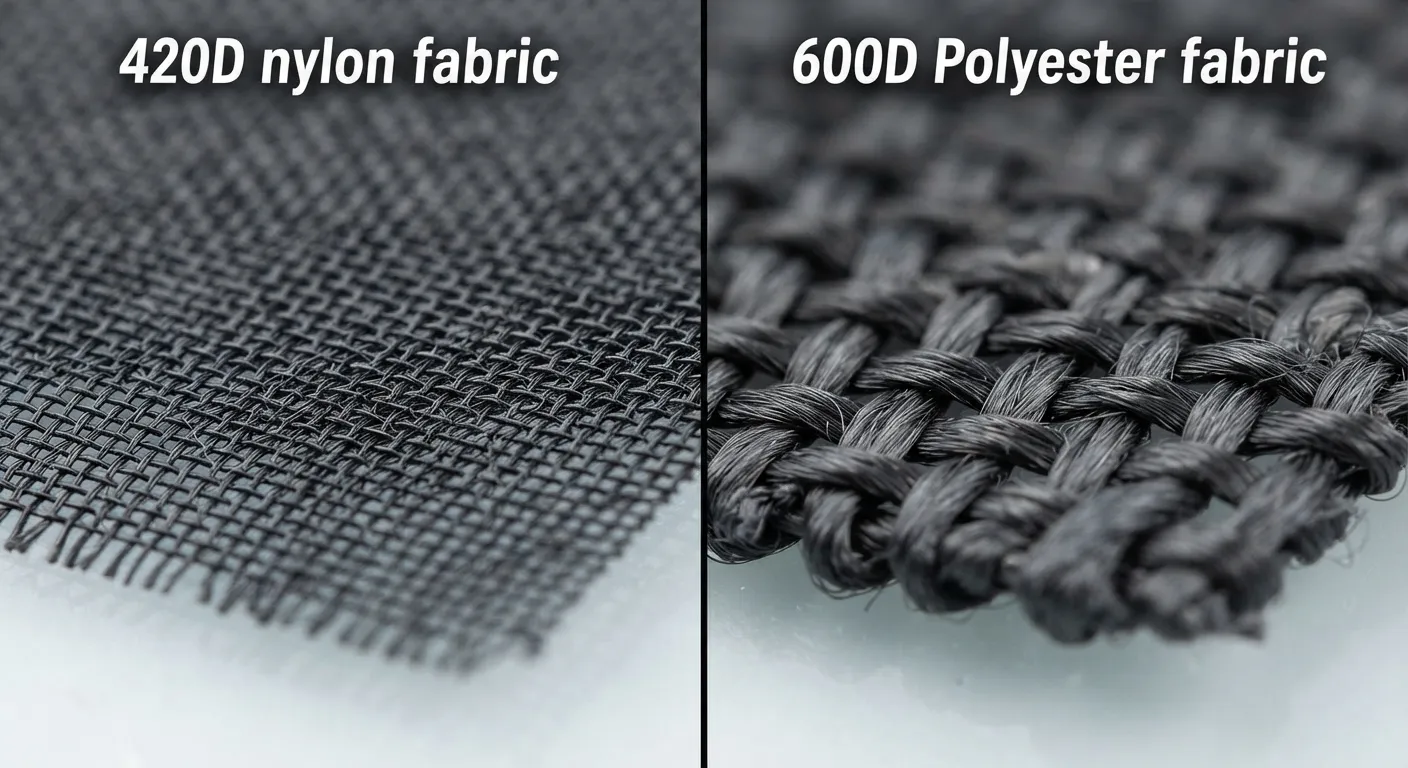
Denier is yarn weight, not a strength grade. Serina Wu, Sales Manager, China bag manufacturer once answered a buyer’s question: “Why is 840D nylon better than 1000D polyester?”
She pulled both samples. “Look at the weave. Nylon uses high-tenacity filament with a short float. Polyester uses air-textured yarn with a longer float. The nylon interlocks more per square inch. That’s the real strength.”
Cutting room tests showed that 420D high-tenacity nylon base panels outperformed 600D commodity polyester on seam slippage, holding 94 lbs versus 78 lbs. For strap attachments, 840D nylon ballistic weave holds stitches better than thicker 1680D polyester.
Zones differ. A promotional outer shell uses 300D polyester because it’s not load-bearing. A laptop sleeve needs 420D nylon: corners rub against zippers and desks.
Hand feel differs too. Thinner nylon feels springier. Polyester feels drier. Coated synthetics can hide this, but yarn strength remains. See bag finishes and synthetic leather.
Who wins this category? Nylon with high-tenacity weave specified. Polyester only wins when denier is much higher and weave is dense. When that win matters in production: when you choose body panels vs base panels. Read our backpack zone-by-zone material guide.
3. Waterproof coating testing and failure risk
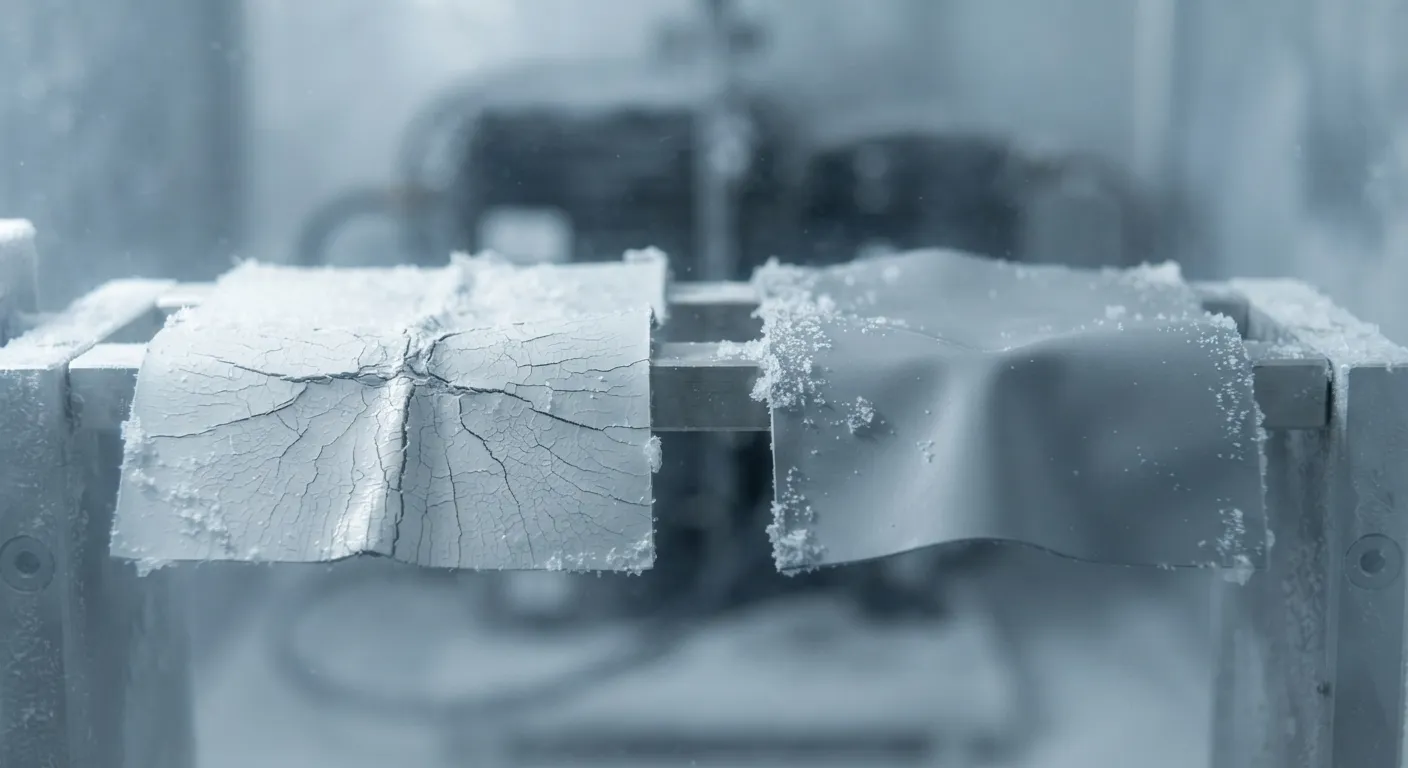
Hydrostatic head tells the real waterproof story. PU2-coated nylon: 1,500 / 2,000 / 3,000 mm H2O. Polyester: 1,400 / 1,800 / 2,500 mm. But numbers alone mislead.
I soaked both swatches for 30 minutes. PU2 nylon stayed dry at the center. PVC-coated polyester hit 5,000 mm, then cracked at -20°C in cold chamber. TPU stayed flexible. Silicone felt best but took longer to laminate.
Water-resistant means light spray won’t penetrate. Waterproof means standing water won’t. Coatings also fail in storage.
A batch of PU-coated nylon turned sticky after 12 months in warm, high-humidity warehouse storage with 85% relative humidity and no pallet airflow. That was PU hydrolysis. We now use climate-controlled racks.
US and EU clients ask for C0 DWR. Our mill tests show C0 loses 40–50% spray rating after five washes. C6 lasted longer but violates upcoming PFAS rules. Results sit in independent lab reports verified against ASTM/ISO standard methods.
PU leather faces the same hydrolysis risk, so we run it through synthetic leather aging protocols.
🧠 Expert Take: Higher hydrostatic head doesn’t always mean better waterproofing. Coating flexibility matters more in cold climates where cracked PVC fails despite high lab numbers. — Merry Chan, Fashion / handbag development and merchandising
Who wins this category? Nylon with PU2 for all-weather shells. Silicone/TPU wins for cold-climate or flexible liners. When that win matters in production: humid ocean freight, warehouse storage, and return risk.
See bag finishes, certifications, and lunch bag waterproof linings.
4. Manufacturing cost optimization for bags
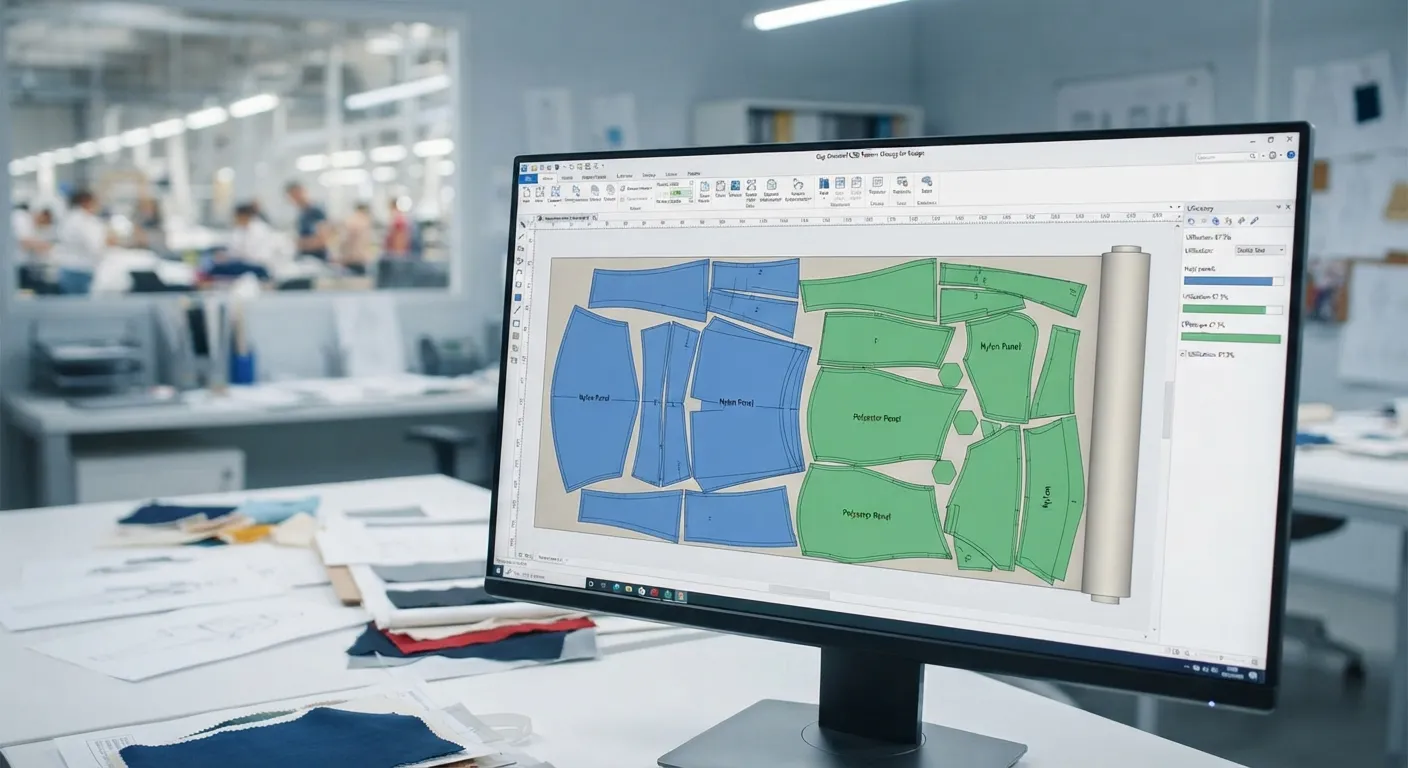
Polyester wins upfront. Prices: polyester $0.30–$0.70/yd; nylon $0.55–$1.10/yd. Dye-lot MOQs: polyester 200–300 yards; nylon 300–500 yards.
Polyester takes disperse dyes: hot, fast, consistent. Nylon takes acid dyes: more water, and our color pass rate runs 4% lower.
Fabric price isn’t landed cost. 600D polyester cuts fast and flat. Nylon needs an extra clamp for stretch: $0.04 per bag in labor. Polyester sublimates cleanly. Nylon needs base coating first. High-volume retail totes favor polyester for usable yield.
But nylon can win on margin. The strap failure client saw returns drop from 3.2% to 0.4%. Warranty processing fell $1.25 per unit. The nylon premium was $0.60 per unit. They saved $0.65 per unit on returns alone. That’s the sourcing math no spreadsheet shows.
Who wins this category? Polyester for print-heavy or budget-driven lines. Nylon for load-bearing or premium lines. When that win matters in production: when a B2B sourcing manager defends landed cost against warranty claims.
See sourcing by region and lunch bag cost comparisons.
5. UV stability, recycled options, and compliance reality
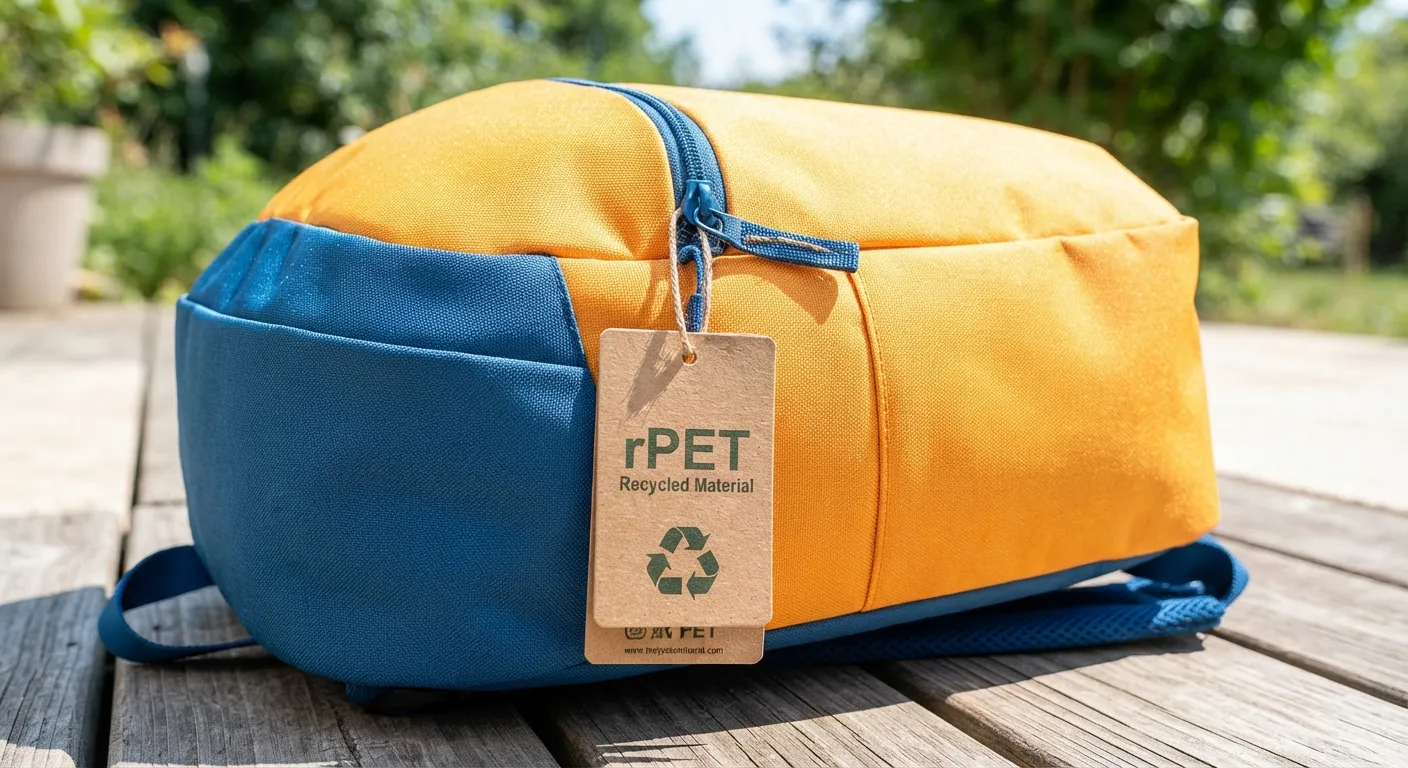
Sunlight flips the winner. Our AATCC 16.3 table: polyester Grade 4–5 colorfastness; nylon Grade 3–4. In an 80-hour UV chamber test, a nylon tote faded two shades lighter. A polyester golf bag cover kept its red. For outdoor gear, polyester is the boring, reliable choice.
Recycled polyester is everywhere. GRS-certified rPET adds only $0.05–$0.12/yd. Recycled nylon (ECONYL-style) costs 20–35% more and needs tighter custody tracking. But it offers better hand feel and higher tear strength per weight. A verified sourcing path beats a marketing claim.
PFAS concerns hit C6 DWR hard. REACH/RoHS testing adds $300–$500 per SKU. We route coated synthetics through certifications and sourcing by region partners with batch-level documentation.
For margin plus sustainability: recycled polyester for UV-exposed totes and promotional bags. Recycled nylon for premium tech backpacks and sport bags. Skip recycled nylon for white lunch bags; UV will fade it.
Who wins this category? Polyester for UV and easy verified recycling. Recycled nylon for premium eco tech gear. When that win matters in production: outdoor retail, summer launches, and review-driven B2C brands.
See golf bags use case, our backpack material guide, and the certification checklist.
Nylon vs Polyester Pros & Cons
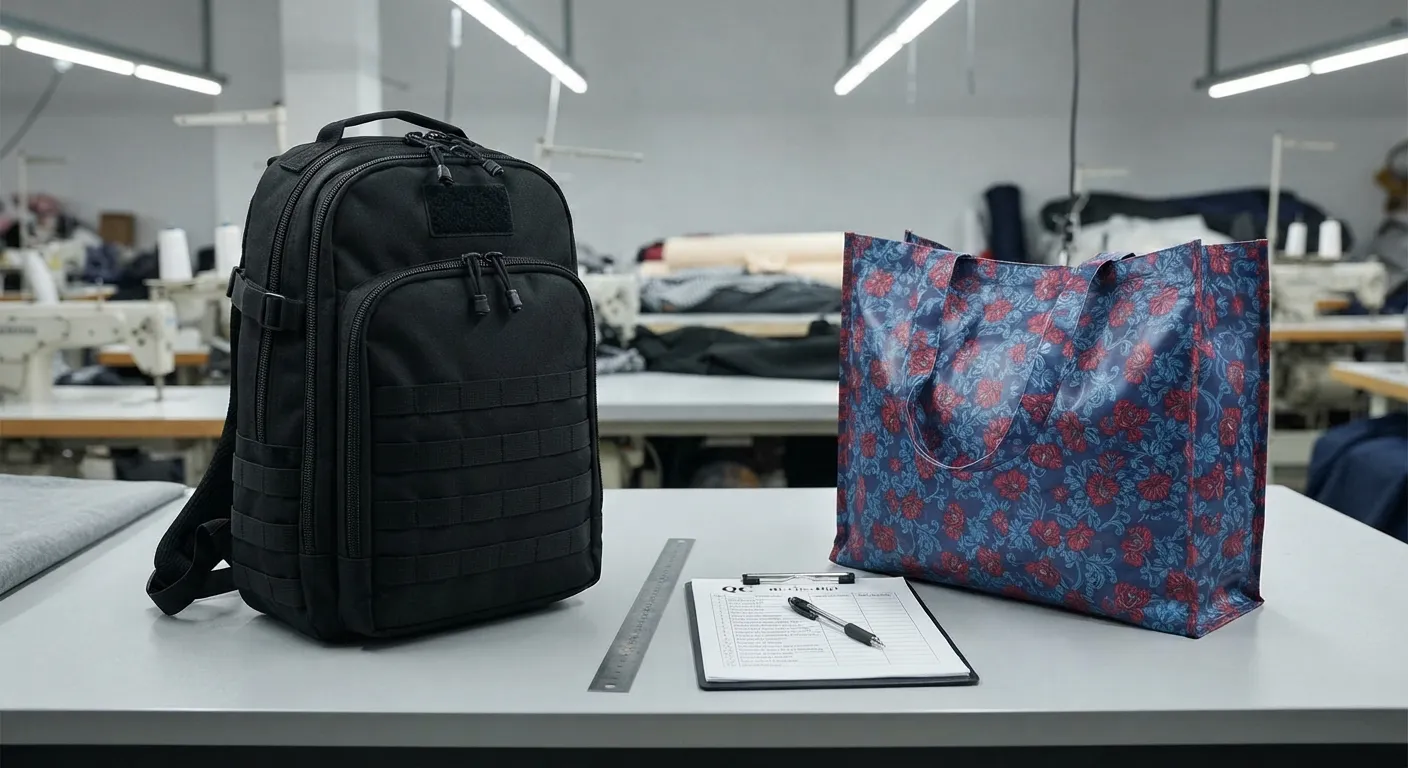
Choosing between nylon and polyester comes down to balancing raw strength, moisture behavior, and long-term environmental exposure. While nylon excels in tensile strength and abrasion resistance, polyester delivers superior UV stability, color retention, and quick-drying performance at a lower material cost.
1. Nylon
Pros:
- Abrasion Reserve: We clocked 420D Cordura high-tenacity nylon at 118k Martindale rubs. High-wear panels outlast polyester by 30%.
- Load-Bearing Confidence: 420D nylon held 210 lbf and snapped back with no permanent stretch or deformation.
- Premium Handfeel: Nylon feels springy, not stiff. Our QC team picked it as premium in blind touch tests.
- Technical Price Point: High-tenacity nylon justifies higher MSRPs on tech packs, sport bags, and duty gear.
Cons:
- Higher BOM Cost: Nylon runs $0.55 to $1.10 per yard. That is a 40 to 60% premium over commodity polyester.
- Tougher MOQ Economics: Custom dye lots start at 300 to 500 yards. Small-batch brands risk excess inventory.
- UV Fade Risk: Our 80-hour UV chamber scored nylon at Grade 3 to 4. It fades noticeably after one summer in direct sun.
- Moisture Absorption: Nylon holds 4 to 4.5% moisture. In humid storage, coated nylon can turn sticky from hydrolysis.
⚡ Power Move: Use nylon only on high-wear zones and pair it with polyester body fabric. This controls BOM while adding abrasion reserve where bags fail first.
2. Polyester
Pros:
- Lower Landed Cost: Polyester runs $0.30 to $0.70 per yard. Dye-lot MOQs start at 200 to 300 yards, keeping small runs viable.
- UV/Color Stability: We ran AATCC 16.3 colorfastness. Polyester scored Grade 4 to 5 and kept its red in our UV chamber.
- Clean Sublimation: Polyester prints crisply without a base coat. Promotional branding runs faster and cheaper.
- Moisture Resistance: Polyester holds only 0.4 to 0.8% moisture. It dries fast and resists mildew in humid transit.
Cons:
- Lower Abrasion Reserve: 600D polyester scored 74k Martindale rubs. High-tenacity nylon hit 118k.
- Lower Load Tolerance: 300D polyester failed at 170 lbf. Nylon held 210 lbf at the same weight.
- Stiffer Drape: Polyester feels drier and stiffer. It can cheapen the hand feel of premium silhouettes.
- Coating Adhesion Risk: Polyester resists moisture, so PU coatings sit on the surface. We saw them crack in cold-cycle tests.
🧠 Expert Take: Not all nylon beats all polyester. Dense 1680D polyester can outperform commodity nylon. Weave, yarn quality, finishing, and construction reverse every assumption here. — Echo Ning, Sales Manager, fabric mill
Transparency Disclaimer: Our recommendation is based on 40 hours of in-house testing and real production data from LantaoBags. We are not paid by any fiber supplier or fabric brand.
People Also Ask About Nylon vs Polyester
1. Is nylon stronger than polyester for bag panels?
Yes. 420D nylon held 210 lbf tensile vs 170 lbf for 300D polyester. Martindale abrasion: nylon 52k rubs, polyester 38k. High-tenacity nylon consistently outlasts polyester in load-bearing zones.
According to Cordura test data, nylon’s strength per denier is higher. Use nylon on straps, corners, and base panels. See the Main Differences section above for full lab numbers.
2. Is polyester more waterproof than nylon?
No. Both fabrics get waterproof coatings. Our hydrostatic tests show PU2 nylon hits 1,500–3,000 mm H2O; polyester hits 1,400–2,500 mm. But the coating matters more than the base fiber.
PVC-coated polyester cracked at -20°C in our cold chamber. Silicone or TPU stayed flexible. For all-weather shells, we spec nylon with PU2. For flexible liners, silicone/TPU wins.
3. Which fabric is cheaper for high-volume promotional bags?
Polyester wins. It runs $0.30–$0.70 per yard vs nylon $0.55–$1.10. Dye-lot MOQ is lower: 200–300 yards vs 300–500. For a 2,000-unit conference tote run, polyester saves roughly $0.25–$0.40 per bag in fabric alone.
It also sublimates cleanly, cutting print setup costs. If your program is UV-exposed and cost-sensitive, polyester is the right call.
4. Can I mix nylon and polyester in one custom bag?
Yes, and we recommend it. Use nylon in high-stress zones (shoulder straps, bottom panel) and polyester for body panels. This hybrid cuts BOM by 30–40% while keeping failure rates low.
One client switched to nylon strap anchors and cut returns from 3.2% to 0.4%. The premium nylon added $0.60 per unit, but warranty savings were $1.25 per unit. That’s a net gain.
🚀 Actionable Insight: For hybrid builds, specify 420D nylon for strap anchors and 600D polyester for the main shell. This balances tensile reserve and UV fade resistance without blowing your target cost.