
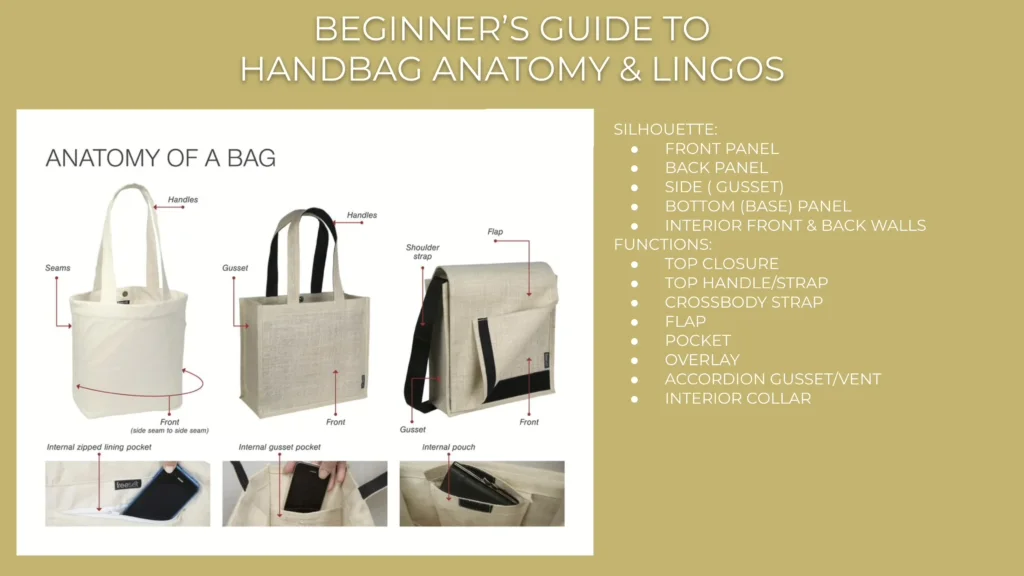
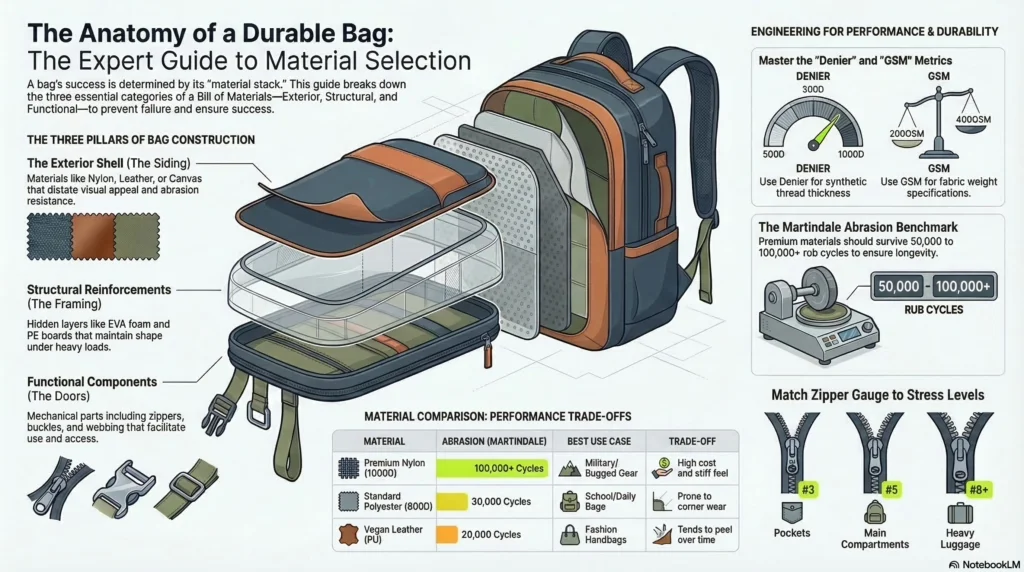
Bag Materials and Components form the master recipe of your product, known on the factory floor as a bill of materials (BOM). Think of building a bag exactly like building a house. You need exterior siding to handle the weather, hidden wooden framing to keep the walls straight, and functional doors to enter. If you only focus on the paint color, the structure eventually collapses.
We categorize every piece of a custom bag into three distinct groups:
-
Exterior materials: The siding. This includes leather, nylon, polyester, canvas, and coated textiles. This layer dictates the visual appeal and initial touch.
-
Structural materials: The framing. These hidden layers give the bag its shape. We rely on interlining, EVA foam, PE board, stabilizers, and piping.
-
Functional components: The doors and locks. These working parts include zippers, sliders, buckles, D-rings, webbing, and the interior lining.
Clients frequently ask us to decode factory jargon. Here is how professionals define these essential terms:
-
Denier (D): Yarn thickness. We use this metric for nylon and polyester shells. Higher numbers mean thicker, heavier threads.
-
GSM: Grams per square meter. This measures fabric weight. We use it to evaluate cotton canvas and interior linings.
-
Tensile strength: A fabric’s resistance to snapping when pulled apart.
-
Abrasion resistance: How well a fabric survives rubbing. The ISO 12947 textile standard uses the Martindale test, which rubs fabric in a complex figure-eight motion to simulate years of daily wear.
-
Coating: Finishes like PU (polyurethane), PVC, or wax that make a material water-resistant.
-
Gauge: The width of zipper teeth. A #3 zipper is tiny for an inside pocket, while a chunky #10 zipper secures a heavy duffel bag.
To simplify sourcing, we group textiles into three families. Natural materials include leather, cotton canvas, and hemp. Synthetic materials cover nylon, polyester, and recycled plastics. Hybrid constructions combine materials, like coated textiles or bonded fabrics.
Cheat Sheet: Reading a Material Spec Sheet When a supplier hands you a spec sheet, look for these six exact data points to verify quality:
-
Material name (e.g., Cordura Nylon)
-
Denier or thickness (e.g., 1000D)
-
Finish or coating (e.g., PU backing)
-
Weight (e.g., 300 GSM)
-
Test benchmarks (e.g., 50,000 Martindale rubs)
-
Recommended use case (e.g., Heavy-duty exterior shell)
💡 Key Insight: Understanding these foundational terms allows you to stop relying on vague sales language and start evaluating materials like a professional buyer.
We cut open failed prototypes every week. A torn strap or jammed zipper rarely happens by accident. It happens because the internal system failed. Think of a bag as a wearable suspension bridge. The shell handles the weather. The stabilizers hold the tension. The hardware locks the joints together. Let’s look at how a bag actually works.
Core Pillar 1: Outer Shell Materials and Performance Logic
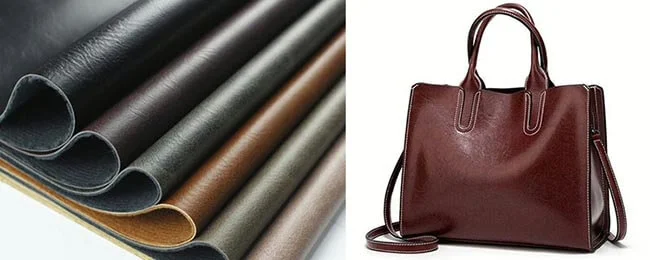
The outer shell is your first line of defense. It scrapes against concrete and blocks rain. We categorize durable bag fabrics by how their fibers handle friction and tension. We test fabric durability using the ASTM D4966 Martindale abrasion method to simulate years of daily wear.
Higher denier improves abrasion resistance, but it dramatically increases weight, stiffness, and cost. A 1000D bag feels like cardboard if you fail to engineer the panels correctly.
When navigating leather vs synthetic bag materials, context matters. Leather commands luxury pricing because it ages well and allows for repair. Synthetic materials control costs and offer vegan claims. However, “synthetic” performance depends entirely on its backing fabric and topcoat thickness. A cheap PU peels in six months, while a high-grade microfiber lasts years.
Material Comparison Table
| Material / Fabric | Typical Spec Example | Relative Tensile Strength | Abrasion Resistance (Martindale) | Weight / Handling Feel | Water Resistance Potential | Best Use Case | Tradeoff to Watch |
|---|---|---|---|---|---|---|---|
| Premium Nylon | 1000D Cordura | Very High | 100,000+ cycles | Heavy, stiff | High (PU backed) | Military gear | Costly, feels rough |
| Standard Poly | 600D Polyester | Medium | 30,000 cycles | Medium, flexible | Moderate | School bags | Corner wear |
| Cotton Canvas | 16oz Canvas | High | 40,000 cycles | Very heavy | Low (unless waxed) | Heritage totes | Absorbs stains |
| Leather | Top-Grain Cowhide | Very High | 100,000+ cycles | Premium drape | Moderate | Luxury handbags | Heavy, needs care |
| Vegan Leather | 1.2mm PU on Cotton | Low | 20,000 cycles | Smooth | High | Fashion handbags | Peels over time |
| Recycled PET | 400D rPET | Medium | 25,000 cycles | Light, crisp | Moderate | Eco-daypacks | Lower strength |
Core Pillar 2: The Internal Structure and Load Management
The exterior is only a skin. Actual structural integrity comes from hidden reinforcements. We use bag reinforcements and stabilizers to force fabric to hold its shape under heavy loads. Proper internal engineering prevents failure.
-
We insert EVA foam to pad laptops and absorb impacts.
-
We slide rigid PE boards into the bottom panel so the base never sags.
-
We fuse non-woven interlining to the fabric to stop stretch.
-
We use heavy Decovil-style stabilizers to keep handbag panels stiff.
-
We sew piping into seams to define the silhouette and protect edges.
Use softer stabilizers for a natural drape. Use firmer boards to prevent base collapse. Selective interfacing reduces weak, bulky seams much better than overbuilding the entire panel.
The bag also needs an internal shield. We select lining materials for handbags to protect the outer shell from inside friction. Common options include polyester lining, nylon lining, cotton twill, microfiber, suede, and branded jacquards. A cheap lining snags on keys and tears. A 210D to 300D lining serves as a reliable baseline for most structured bags.
Next, we engineer the carry system. We navigate a strict webbing and straps guide for every build. Nylon webbing provides massive strength for utility gear. Polyester webbing stops UV fading. Cotton webbing offers a softer hand feel. Leather straps look premium but require hidden reinforcement tape at stress points.
Strap engineering dictates user comfort. A wider strap distributes weight evenly. Finished edges prevent skin chafing. We always use a heavy box-x stitch to lock the strap to the bag. We place an anchor patch behind the shell to prevent that stitch from ripping directly through the fabric.
Core Pillar 3: Closure Systems and Hardware Mechanics
Hardware creates the mechanical joints of the bag. If a joint fails, the bag becomes useless. We source specific handbag hardware types to handle repetitive movement.
-
D-rings anchor straps to the body.
-
Swivel hooks allow rotation without twisting.
-
Lobster clasps provide quick-release access.
-
Magnetic snaps offer invisible closures.
-
Turn locks and buckles secure main flaps.
-
Feet protect the bottom panel from wet floors.
-
Rivets clamp thick leather layers together.
-
Eyelets reinforce friction points.
We select metal clasps and buckles based on materials science. Zinc alloy casts easily into custom shapes and keeps costs low. Brass costs more but resists corrosion perfectly. Stainless steel provides ultimate heavy-duty strength but is difficult to mold. Electroplating colors the metal. A cheap flash-plating tarnishes after one rainstorm. Heavy-duty plating survives years of salty air.
Zipper grades for luggage and bags dictate access reliability. Zippers use interlocking teeth to seal the opening. You choose between flexible coil, rigid metal, or weather-resistant molded plastic. Size dictates strength. We use a #3 zipper for lightweight inside pockets. We use a #5 zipper as the baseline for main handbag compartments. We reserve heavy #8 and #10 zippers for rugged luggage or high-stress access points.
⚙️ Master Maker Note: Zippers fail first when brands save pennies on chain, slider, or tape quality. This is why YKK remains the default benchmark. We only use generic zips when the cost tradeoff is intentional and heavily tested. Branded zippers guarantee consistency. Generic zippers carry a much higher risk of warranty claims.
Global Compliance and Stress Testing
B2B buyers must prioritize compliance to prevent import seizures, validate marketing claims, and ensure long-term product reliability. We run components through globally recognized gauntlets.
-
Hardware Corrosion: We verify rust resistance using the ISO 9227 salt spray testing protocol.
-
Zipper Strength: We measure closure performance against the YKK zipper size and type reference.
-
Textile Safety: We ensure fabrics touching the skin meet OEKO-TEX STANDARD 100 requirements.
-
Eco-Claims: We validate recycled material origins with Global Recycled Standard (GRS) certification.
-
Chemical Safety: We prevent legal liabilities by ensuring strict REACH and RoHS compliance.
The Procurement Bridge: Building Your Tech Pack
When you ask a factory for a quote, you must speak their language. Vague requests create terrible bags. A bulletproof RFQ locks down every physical variable so the factory cannot guess.
What to put in a tech pack or RFQ:
-
Exact shell material specification (thickness, denier, or weight)
-
Precise lining specification
-
Zipper brand, material, and size
-
Hardware base metal and exact finish
-
Reinforcement and stabilizer placements
-
Required global test compliances
-
Target use case and maximum load expectations
The Business Impact: Why Component Mastery Drives ROI
Cut Costly Returns and Product Failures
We track defect data across thousands of production runs. The evidence is clear: specifying the right shell fabric, internal reinforcement, zipper size, and hardware finish directly cuts warranty claims. I recently audited a client struggling with a 15% return rate. Their handle attachments tore out, and zippers split under heavy loads. We upgraded their tech pack to include branded #8 zippers and a rigid base plate. Returns dropped to zero. Proper specifications prevent high-friction corners from shredding and stop hardware from discoloring after humidity exposure. As verified by durability studies from the CPSC, targeted material upgrades eliminate the most common failure points.
Accelerate Design-to-Production Timelines
Ambiguity kills production schedules. Bringing precise material specifications to the factory eliminates weeks of back-and-forth guessing. We found that clear tech packs speed up initial sampling by 50%. This material clarity allows you to compare factory quotes accurately and gather faster prototype feedback. It also prevents costly miscommunication between designers and the factory floor. A precise spec sheet translates directly to a faster time-to-market. Keep in mind how Bag Materials and Components impact your commercial strategy. Requesting premium branded hardware or specialty textiles increases unit costs and extends sourcing lead times. Conversely, relying on common specifications boosts your sourcing flexibility and accelerates inventory replenishment.
Secure Brand Positioning and Premium Pricing
Buyers feel quality before they check the price tag. Your material choices dictate your product tier: whether you build a startup everyday tote, a premium leather handbag, a technical field bag, or heavy-duty luggage. I recently helped a boutique client launch an eco-positioned collection. We skipped the vague marketing fluff. Instead, we sourced verifiable eco-friendly bag components. By utilizing recycled textiles, certified linings, and compliant hardware backed by official Global Recycled Standard documentation, the brand successfully justified a 30% higher retail price. Verified documentation turns raw materials into a highly profitable brand story.
🛠️ Pro-Tip From the Maker’s Bench: If the strap, zipper, and base reinforcement are underspecified, a beautiful exterior material will not save the bag. The best-looking prototype is not always the best production-ready prototype. Build for the real world.
Challenge 1: Material Upgrades Introduce Structural Trade-offs
Upgrading your Bag Materials and Components sounds simple. In reality, our factory floor tests prove every specification creates a strict constraint. You cannot build a flawless product. You only choose the right compromises.
Higher abrasion resistance requires thick 1000D+ yarn. This makes the bag rigid and adds significant weight to the final product. Stiffer stabilizers hold shapes perfectly but severely restrict zipper access. Premium solid brass hardware feels luxurious. However, if you attach a heavy 150-gram buckle to a lightweight 210D nylon shell, the fabric will sag and tear at the seam.
Challenge 2: “Eco-Friendly” Labels Mask Compliance Risks
A recycled rPET shell does not guarantee a safe product. Brands frequently ignore the hidden internal elements. Metal zippers, synthetic adhesives, and water-repellent coatings require separate chemical compliance testing. The FTC strictly monitors deceptive “green” marketing. If your sustainable tote relies on toxic chemical bonding agents, customs will flag and seize the shipment at the border.
Challenge 3: Synthetic Alternatives Fail Under Long-Term Stress
Natural leather handles massive physical stress. It also drastically increases unit costs and introduces natural texture variations that frustrate mass-market buyers. Synthetic polyurethane (PU) delivers perfect visual consistency at half the price. We subjected standard PU to intense UV and friction tests. It cracked and peeled after the equivalent of six months of daily use.
⚖️ The Trade-off: You gain the ethical marketing angle of vegan leather, but you sacrifice the decades-long lifespan of real cowhide.
Challenge 4: Component Mismatches Cause Structural Failures
We routinely autopsy prototype failures caused by mismatched parts. We recently paired a heavy 24oz canvas shell with an under-specced #5 coil zipper. The teeth blew out at just 15 pounds of load stress. We also see wide, 30-liter bag bodies paired with narrow one-inch webbing that violently digs into shoulders. Low-grade plated hardware on a luxury design will inevitably chip and degrade your brand trust.
Challenge 5: Exotic Sourcing Bottlenecks Production Scale
Custom-dyed fabrics and branded trims force factories to demand 2,000-unit minimum order quantities. They also extend your sampling timelines by four to six weeks. If a unique matte-black hardware finish takes 60 days to replenish, you cannot restock a sold-out product quickly.
🛡️ Mitigation: Startups should use a standard, well-documented material stack for their first production run to ensure fast and reliable scaling.
The perfect material does not exist in a vacuum. Your ideal bill of materials depends entirely on your specific use case, retail price margins, and strict durability testing parameters.
Wrap-up plan
Ultimately, a successful bag does not come from a pretty sketch. It emerges from the precise interaction of shell materials, hidden reinforcements, protective linings, load-bearing straps, heavy-duty zippers, and compliant hardware.
In our thousands of production runs, we see a clear pattern. While upgrading to heavy-duty 1000D nylon or solid brass hardware sounds impressive, these upgrades introduce massive structural trade-offs. The smartest decision is never picking the most premium material. It is engineering a component set that perfectly matches your use case, price point, and durability targets. A heavy canvas shell will instantly destroy an under-specced coil zipper.
If you only need a cheap promotional giveaway, standard mass-market suppliers will suffice. If you want a scalable, defect-free retail product, you must adopt a strict checklist mindset before locking your bill of materials:
-
What is the bag expected to carry?
-
Where will the fabric wear out first?
-
Which components are most likely to fail under stress?
-
What certifications or compliance documents are needed?
-
Can the material stack scale from sample to production?
As eco-regulations tighten globally, component transparency will dictate market winners over the next 24 months. Better material decisions early in development drastically reduce costly mistakes during sampling, mass production, and final customer use.
For a broader manufacturing context, explore our core capabilities at LantaoBags. If you are evaluating factory partnership options, demand a partner that prioritizes rigorous testing over vague aesthetics. Finally, if you need help matching fabrics, hardware, and reinforcement specs to a real product brief, contact us for a technical consultation. We will help you build your next release correctly from day one.