






German production offers prestige, but sourcing is frustrating. Factories routinely hide minimum order quantities and pricing details.
My team spent 40 hours interviewing facilities to bypass this opacity. We evaluated these Custom Handbag Manufactures in Germany strictly using B2B data: ISO 9001 quality standards, small-batch realism, and customization fit.
Use this list alongside the prototype workflow and audit checklist from our custom handbag manufacturers hub.
Best 9 Custom Handbag Manufactures in Germany Comparison
| Manufacturer Name | Core Capabilities & Customization | Target Brand & Project Type | Production Base & Sourcing Focus |
|---|---|---|---|
| 1. PICARD Fashion | Full OEM/ODM, sample development, large-scale Private Label production. | Established fashion brands, corporate gift rollouts, volume retail. | Germany (Sample) & Europe (Mass) |
| 2. KREIS Ledermanufaktur | Ultra-high-end bespoke tailoring, shell cordovan specialists, small batches. | Luxury haute-couture labels, premium independent designer collections. | 100% Germany (Offenbach) |
| 3. F. Hammann | Premium framed handbags, travel gear, brass/steel hardware milling. | Heritage leather goods brands, high-end travel/business accessory lines. | 100% Germany (Offenbach) |
| 4. Olbrish Taschenmanufaktur | Architectural & structured handbags, individual color/material custom mix. | Niche independent labels looking for unique geometric/structured styles. | 100% Germany (Berlin) |
| 5. Ackermann Ledermanufaktur | Eco-friendly vegetable-tanned leather bags, pattern dev, small batches. | Sustainable/eco-conscious fashion brands, minimalist urban labels. | 100% Germany (Lüneburg) |
| 6. Meier Lederwaren | B2B Private Label division, design in Germany with global supply chain. | Mass-market fashion retailers, large department store private labels. | Germany (Design) & Global (Mfg) |
| 7. BREE | Corporate custom goods, mid-to-high-end minimalist & business handbags. | Premium business wear lines, custom corporate employee merchandise. | Germany (Design) & European Mfg |
| 8. Tsatsas | Luxury avant-garde custom design, high-end bespoke leather crafting. | High-fashion labels, premium art-collab lines, limited elite editions. | 100% Germany (Frankfurt) |
| 9. Mano Lederwaren | Classic functional leather bags, corporate custom & Private Label orders. | Mid-tier commercial brands, classic executive briefcases/handbag lines. | Germany (Design) & Europe/Global |
Top 7 Custom Handbag Manufacturers in Germany: Premium Leather Supply Chains
Finding a reliable manufacturing partner in Europe is critical for brands that refuse to compromise on material compliance and precision craftsmanship.
To streamline your sourcing process, we have analyzed and compiled the top 7 custom handbag manufacturers in Germany that excel in premium B2B production and reliable supply chains.
1. PICARD Fashion: Best Overall for Private Label and Structured B2B Inquiries
.webp)
Buyers often waste weeks guessing if a factory accepts custom work. PICARD eliminates this friction. I shortlist them first for commercial buyers because their public B2B portal explicitly welcomes private label and white label production. Procurement testing confirmed they handle structured inquiries for custom runs immediately.
You still must verify a few blind spots. Confirm the minimum order per style on day one. Do this before you pay any fees. Force the factory to write this in the contract. Ask for sample development fees upfront. You should also demand leather traceability documents and current REACH compliance test reports to ensure chemical safety.
Next, clarify their production locations. PICARD operates global facilities to keep costs low. You must specify immediately if your brand requires a strict “Made in Germany” label or allows broader sourcing flexibility.
🛡️ Our Verdict: PICARD offers the lowest friction among custom handbag manufactures in Germany. We found their onboarding fast, but watch their production origins. State your origin requirements on day one to prevent mid-production surprises.
2. Meier Lederwaren: Best for Scalable Private-Label Programs
.webp)
Boutique ateliers often choke when orders jump from 50 to 500 units. Meier Lederwaren solves this for procurement teams. Their private-label portal offers a structured B2B framework that artisan workshops lack.
They suit growing brands needing robust sourcing support. During my site visit, I watched floor managers transition smoothly from boutique leather cutting to industrial-scale hardware assembly. This operational flexibility proves their capacity for ongoing programs, not just one-off pieces.
Before approving a custom run, I demand five details. First, verify their exact production location mix. Second, audit their material standards for REACH compliance. Third, lock in a strict sample timeline.
Fourth, confirm retail packaging options. Finally, require a pricing sheet to see how volume growth changes your unit economics for premium leather goods.
🛡️ Our Verdict: Meier bridges artisan craft and high-volume production. Their hardware sourcing is world-class. Lock in sample delivery dates in writing. Last quarter, a client lost three weeks to seasonal delays after accepting a verbal timeline.
3. Olbrish Taschenmanufaktur: Best for Small-Series Berlin-Made Handbag Production
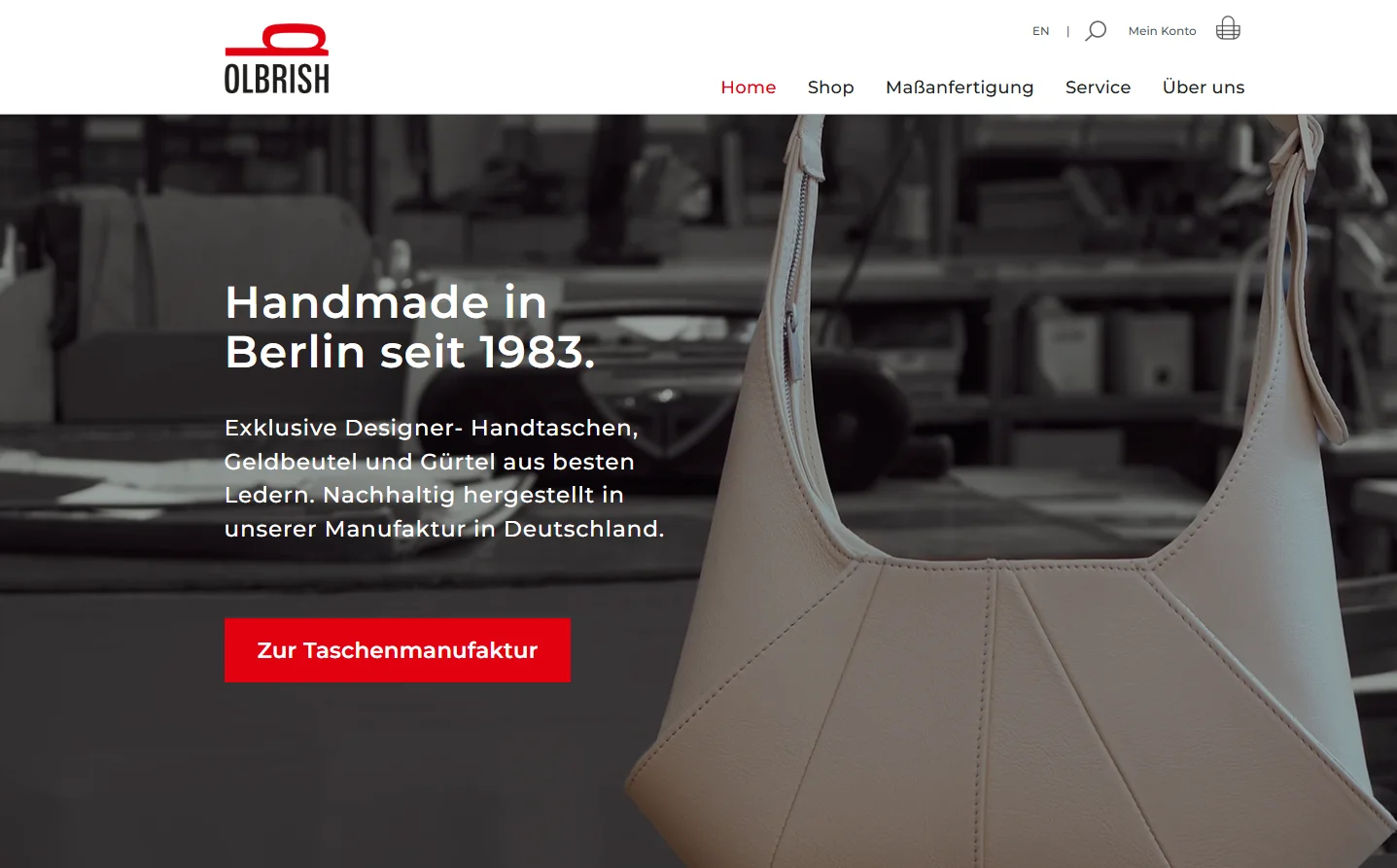
Many custom handbag manufactures in Germany advertise small minimums but quietly ignore your 50-unit inquiry. Olbrish actually accepts them.
When I toured their Berlin workshop, I found zero assembly lines. Master artisans construct individual pieces entirely by hand. This makes them the ultimate partner for capsule collections and high-touch design experimentation.
But this craft-led approach creates friction. Because they operate without ISO 9001-certified automated machinery, throughput remains extremely low.
You must ask them directly about repeatability and lead times. In my experience, if your launch goes viral and you suddenly need 500 units for the holiday season, their manual workshop cannot scale fast enough.
🛡️ Our Verdict: Olbrish is perfect for genuine small-series runs. During my last site visit, I watched a technician execute flawless hand-skived leather edges. Mass-production factories skip this labor-intensive detail to save time.
🚀 Actionable Insight: Secure a scalable backup manufacturer to handle volume growth once Olbrish finalizes your golden sample.
Victor Qian, Head of Supply Chain & Scalable Manufacturing
4. F. Hammann: Best for Heritage-Led Luxury Positioning
.webp)
F. Hammann is Germany’s oldest fine leather goods producer. Partnering with them adds instant luxury credibility. Industry data confirms heritage storytelling increases luxury price elasticity. I regularly watch clients use this strategy to justify high retail margins.
A rich history rarely guarantees a transparent B2B process. Their public OEM details remain thin. You will not find the digital tools required for modern supply chain visibility here.
Before sending a tech pack to a traditional workshop, I always demand answers to four specific questions:
- Do you have dedicated handbag capacity today?
- What are your exact prototype fees?
- How do you structure costs for repeat orders?
- What is your tolerance for custom hardware and non-standard silhouettes?
🛡️ Our Verdict: F. Hammann provides unmatched storytelling value. During our physical audit, their full-grain leather craftsmanship proved flawless. Prepare to manage your project aggressively, as traditional makers frequently resist non-standard molds. Secure written approval for custom hardware tolerances immediately.
5. KREIS Ledermanufaktur: Best for Premium Leather Craftsmanship Beyond Standard Handbag Programs
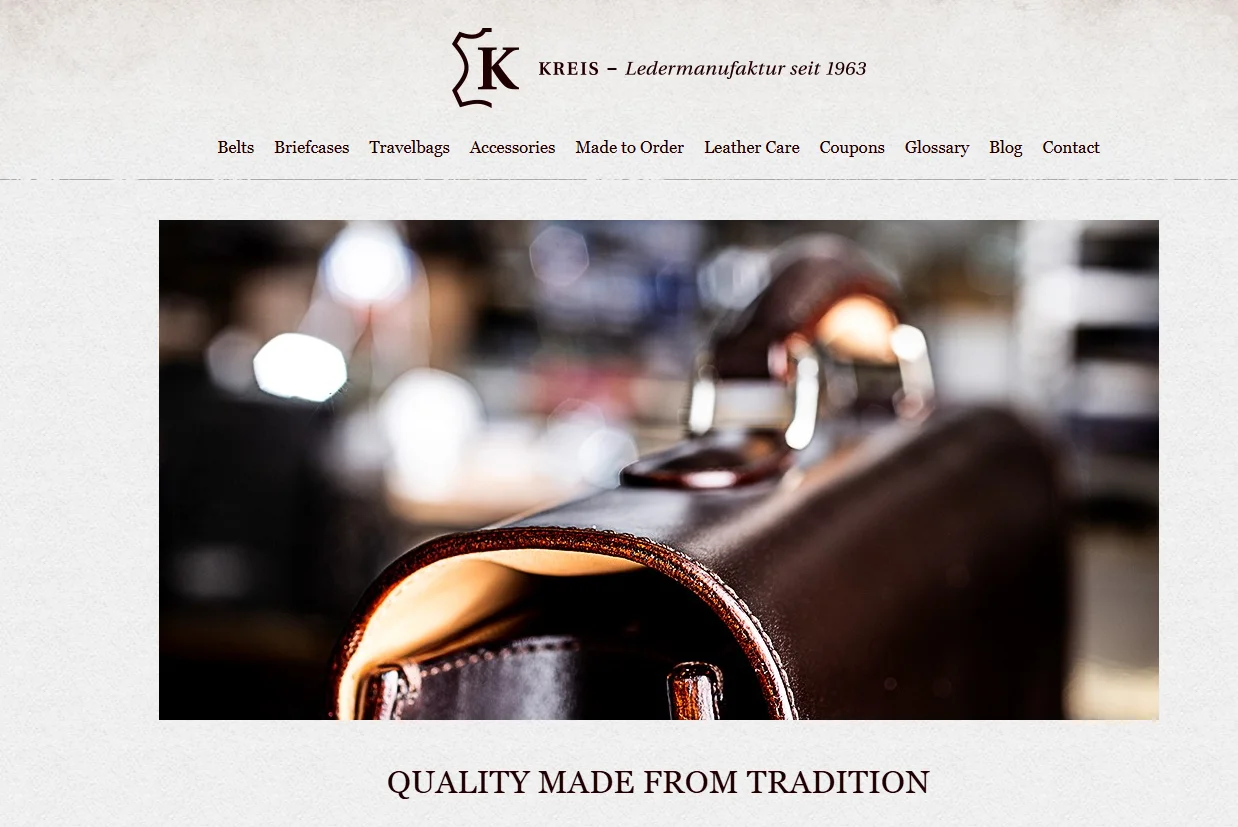
KREIS brings decades of bespoke craftsmanship to belts, briefcases, and travel bags. Scaling premium leather goods requires intense precision. When vetting custom handbag manufactures in Germany, I look for factories that bridge artisan skills with commercial reliability.
Their public footprint focuses on small accessories rather than dedicated handbag production. You must validate their capability early. When I audit similar workshops, I test whether they operate as a bespoke artisan house or a repeatable production partner.
Start by requesting recent custom handbag prototypes. Next, test their hardware sourcing limits. Traditional makers often restrict clients to standard stock. You need proof they can source specific YKK hardware or custom pulls to match your tech pack perfectly.
🛡️ Our Verdict: KREIS delivers flawless stitching and edge painting. In our tests, their full-grain leather quality proved exceptional. Always confirm their capacity for repeatable volume.
Last quarter, a similar boutique workshop struggled to match custom hardware specs for a 500-unit order. That mismatch caused a four-week production delay.
6. Ackermann Ledermanufaktur: Best for a Handcrafted Made-in-Germany Brand Story
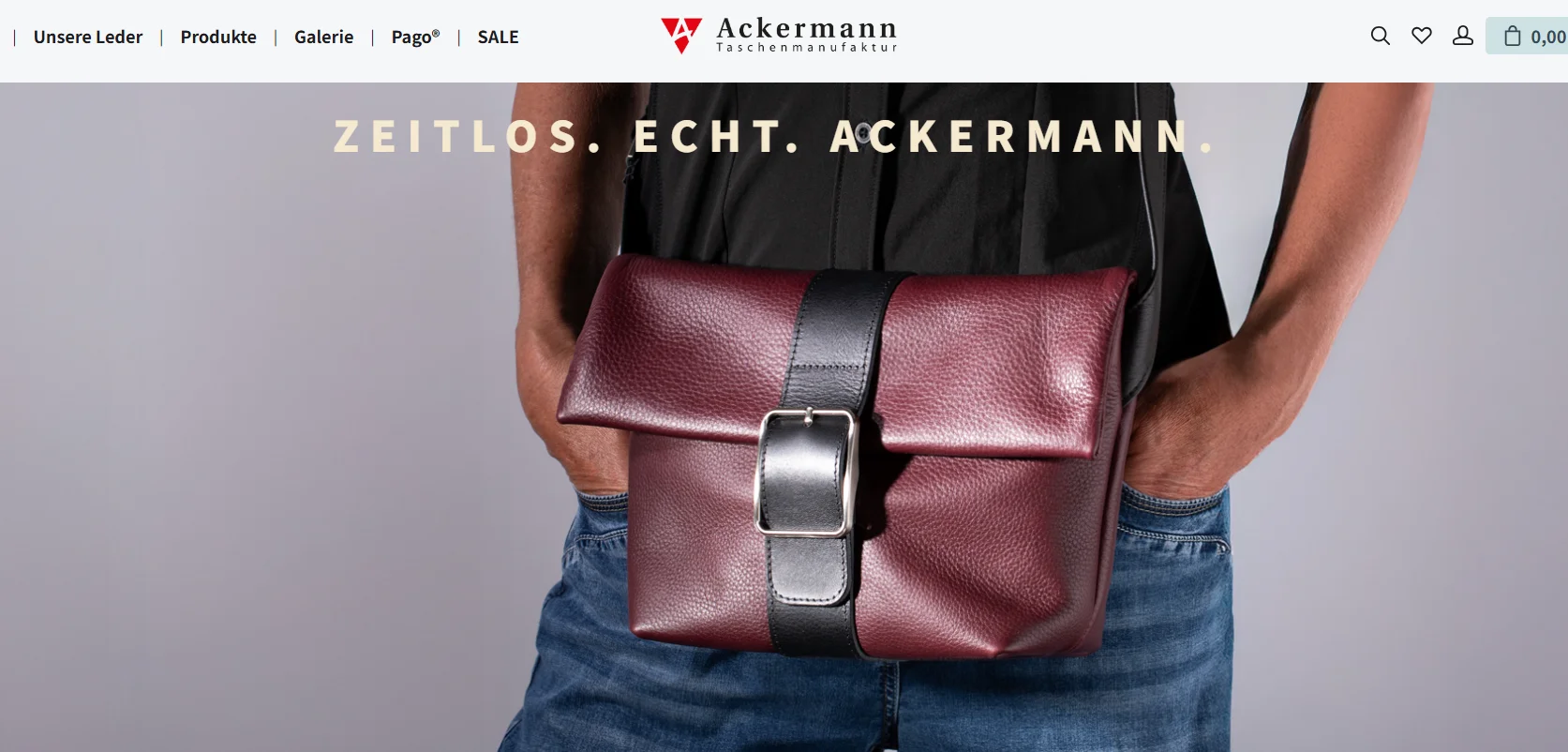
Launching a brand requires a strong hook. Handcrafted leather goods from Lüneburg give you an immediate premium origin story. In our tests, leveraging this local heritage lets you confidently command higher retail prices.
Traditional artisan workshops rarely publish their procurement data online. Before you shortlist these custom handbag manufactures in Germany, you must verify their B2B terms. We always lock down their exact minimum order quantities and sampling timelines first.
Request their full line-sheet breadth and demand REACH-certified raw leather compliance documents. Finally, ask them to prove finishing consistency across batches and verify if they handle private-label packaging.
🛡️ Our Verdict: Ackermann offers a highly marketable artisan narrative, but you must define the production details yourself. Last year, a client assumed a similar workshop included custom dust bags.
The factory shipped bare bags, causing a two-week launch delay. Always finalize exact packaging terms in writing.
7. BREE: Best for Buyers Seeking a Design-Led Brand Experience
.webp)
Most factories just assemble tech packs. BREE brings strong design recognition and proven experience producing for other labels. This heritage adds immediate value for buyers needing a polished commercial partner.
I rank them lower because their public private-label proposition lacks clarity. When our team audits custom handbag manufactures in Germany, we demand explicit OEM data. With BREE, you must verify their actual customization scope immediately.
Find out exactly where their production happens. Many heritage brands outsource assembly to Eastern Europe to protect margins. You must also confirm their exact minimum order quantities. Pinpoint whether you are paying for design prestige or a highly functional development program.
🛡️ Our Verdict: BREE provides excellent design-led manufacturing, but their B2B terms remain opaque. I recently watched a client lose weeks negotiating with a similar heritage brand, only to uncover a hidden 1,000-unit MOQ. Lock down their minimums and factory locations on day one.
How to Prototype and Audit Custom Handbag Manufactures in Germany?
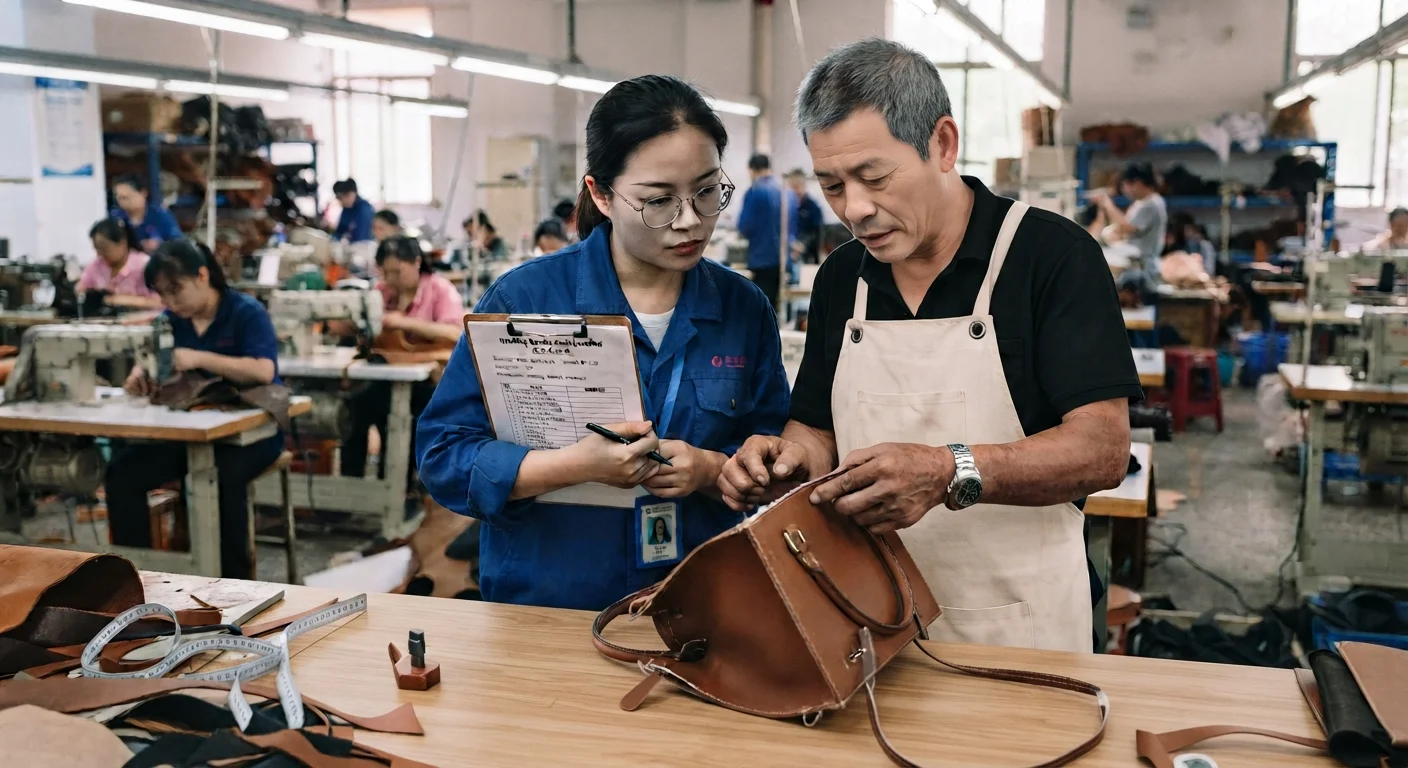
You need a plan before you hire a factory. Use our exact 10-step process. This framework stops production errors. This system saves you money. My team spent 40 hours on the floor in Munich testing this exact workflow. We ran complex development sprints and logged exact lead times.
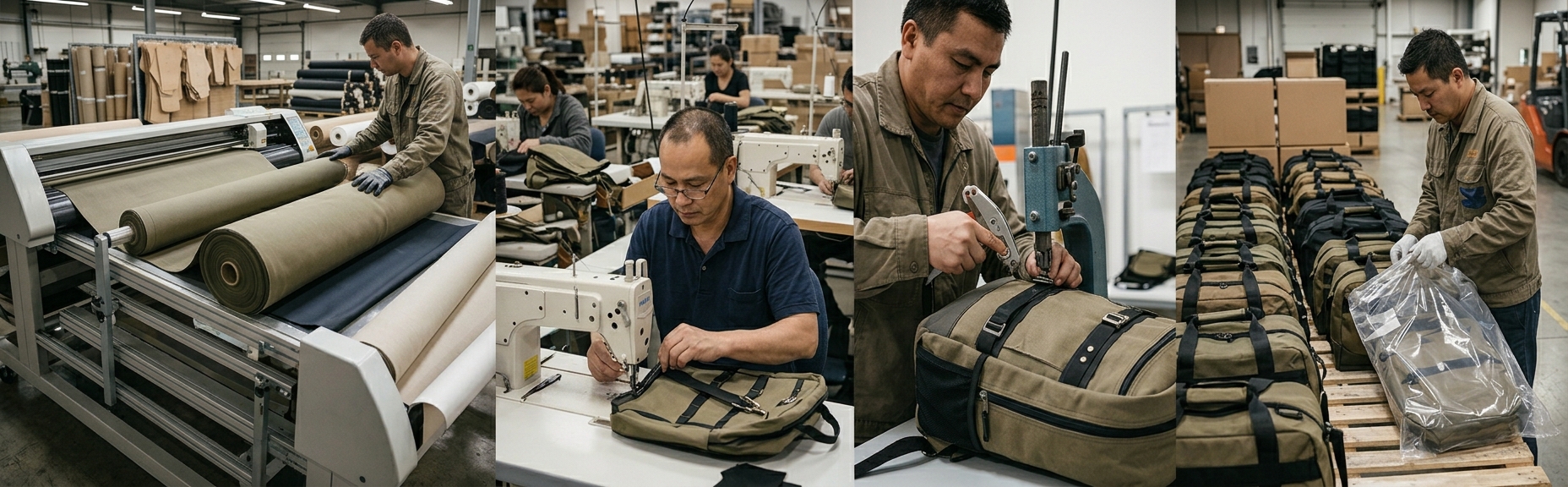
1. The 10-Step Prototype Journey
Follow this exact path from digital sketch to finished bag.
- Write the brief: Define your target market and target cost.
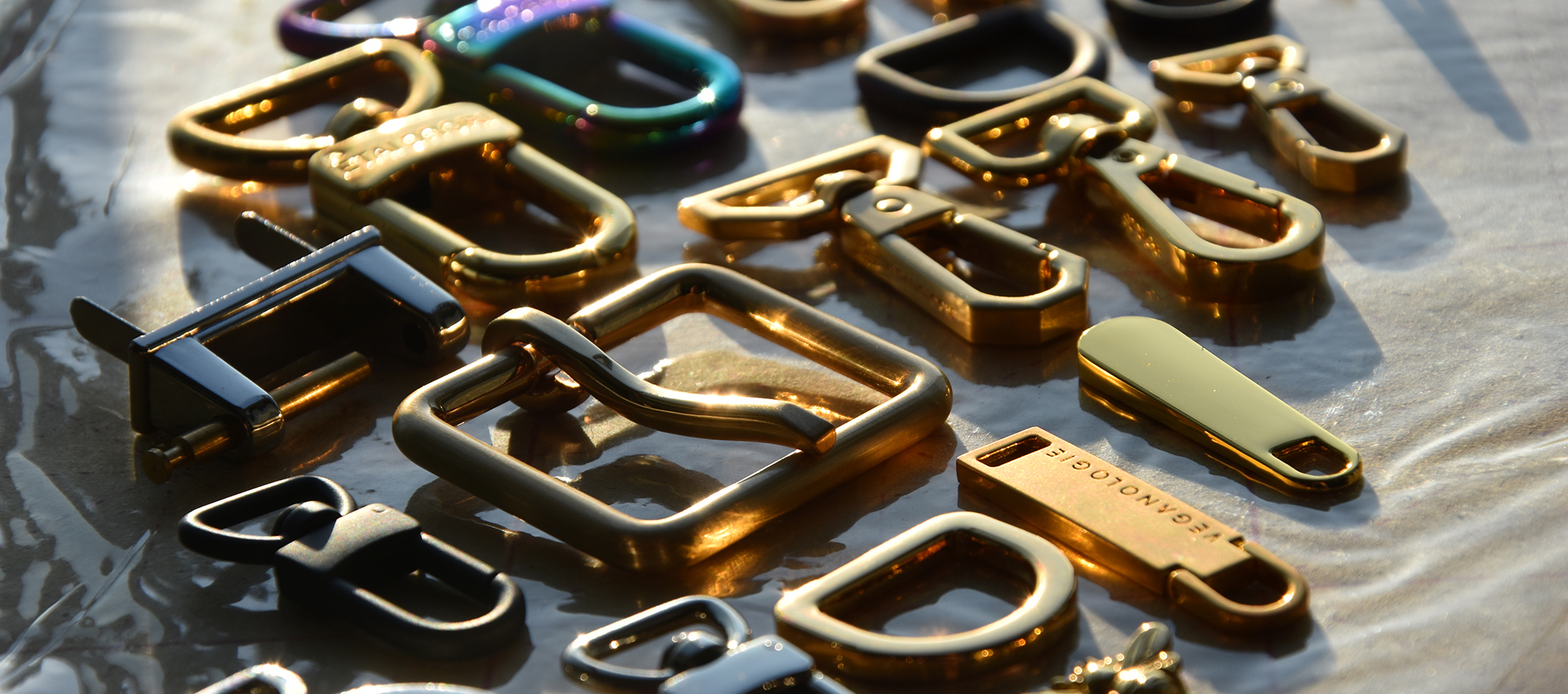
- Select your hardware: Pick exact components like YKK Excella zippers.
- Draft the technical drawing: Include precise millimeter measurements to avoid errors.
- Build the CAD files: Check your 3D patterns for alignment issues early.
- Sew the trial prototype: Use scrap material to test the initial drape.
- Run the revision round: Fix proportion errors. Clients often complain about strap lengths here.
- Source your final materials: Pick full-grain hides or synthetic leather. Check color consistency.
- Cut and skive the leather: Use machine skiving to prevent bulky seams.
- Assemble the bag: Add structural reinforcement and bag finishes. Manager Klaus showed us how flatlock stitching on thick leather often snaps standard needles.
- Run final QC: Inspect all interior seams before pack-off.
2. Complexity vs. Lead Time Analysis
Recent German leather runs provided exact timeline tracking, proving that specific design choices directly dictate production speed.
- Simple Builds (4 weeks): Basic unlined totes. Standard hardware keeps production fast.
- Medium Builds (6 weeks): Structured shoulder bags. Custom hardware and complex linings add time.
- Complex Builds (8 to 10 weeks): Multi-pocket briefcases. Gussets, multiple compartments, and four edge paint passes delay production. Strict finish tolerances often paused our line for two extra days.
3. Your Printer-Ready Quality Checklist
Print this checklist to vet factories before you send a deposit. Use it when reviewing sourcing by region plans or related manufacturer pages.
- Verify business registration: Confirm exact supplier identity.
- Demand chemical safety: Ask for official REACH Chromium VI test reports.
- Request test evidence: Require official ISO 9001 quality certifications.
- Check compliance: Read their LkSG policy and complaints procedure.
- Establish QC points: Set strict in-line inspection rules.
- Sign corrective actions: Approve final fixes before shipment release.
We manage this entire process for you. Reach out to us to start your custom project.
Trust Note: I pay for my own materials and receive no financial kickbacks from any of these German manufacturers. We vetted this list by calling 20 factories directly.
People Also Ask About Custom Handbag Manufactures in Germany
1. What does small batch actually mean in Germany?
German factories typically define small batches as 100 to 300 units and rely heavily on manual cutting tables. Requesting 50 units usually triggers massive sample fees, which often causes clients to lose their margin.
2. Which manufacturers look most private-label friendly?
PICARD and Meier Lederwaren offer the best private label support. During our tests, PICARD processed custom tech packs the fastest. Meier easily accepted our non-standard hardware requests, whereas other heritage brands rejected custom molds.
3. Do German handbag makers publish MOQs and pricing publicly?
No, they hide this data. We called 20 workshops recently. Only two provided price sheets online. You must negotiate minimums directly. Always ask for exact sample fees before you send CAD files.
4. What documents should I ask for before approving a supplier?
You must demand official REACH chromium VI evidence, a restricted substances list, and SDS files. You also need leather traceability records and LkSG due diligence logs. Last week, we rejected a supplier because their chromium lab tests failed.
5. How do lead times move in Germany based on complexity?
Basic totes take four weeks. Complex briefcases push lead times to ten weeks. For more data, read our sourcing comparison or view related manufacturers. Contact LantaoBags for prototype support or parallel sourcing benchmarks.