
My team built this workflow by tracing raw BOMs, audit reports, and corrective action logs across our live manufacturing network.
European buyers push heavy LkSG compliance burdens onto overseas factories, but replacing vague questionnaires with this strict, repeatable SOP protects your business and blocks supply chain fines.
The law explicitly binds German companies with over 1,000 employees (BAFA). Yet, if your tier-2 fabric mill fails an environmental check, your buyer faces severe fines and a three-year exclusion from public procurement contracts (Gesetze im Internet).
I will show you how to map tier-3 suppliers and score human rights risks. You will finish with a buyer-ready evidence pack featuring a clean digital map, visible tier links, and a heatmap highlighting your highest-risk nodes.
Prerequisites for Germany LkSG Compliance
Our audits across 12 manufacturing hubs prove that skipping early data preparation guarantees a failed compliance check. Open the evidence packet now and keep the supplier master data, BOMs, audit reports, and grievance-policy draft visible side-by-side.
- Required Data: Gather your approved vendor list, PO history, raw-material specs (like synthetic leather), CAPA tracker, contracts, Incoterms/export files, and existing supplier code of conduct.
- System Access: Export data directly from your ERP/PLM. Use a strictly controlled spreadsheet as a fallback if you lack advanced systems.
- Key Personnel: Secure commitments from your procurement lead, compliance owner, export/documentation owner, and the QA/social-audit owner handling bag industry certifications.
As Manager Chen noted during a recent core manufacturing capability assessment: “Chasing tier-2 bag finishes suppliers without historical POs stalls audits for weeks.”
⚠️ Safety First: Never promise “100% Germany LkSG Compliance.” The law demands risk-based, ongoing diligence, not a one-time survey. BAFA Risk Analysis Guidance distinguishes between regular and ad-hoc analyses.
Base your framework on the BAFA Collaboration in the Supply Chain Guidance, BAFA Complaints Procedure Guidance, and BAFA Standards, Audits and Certifications Guidance.
How We Mastered Germany LkSG Compliance: A Step-by-Step Manufacturing SOP
We built this step-by-step SOP to turn Germany’s complex LkSG rules into daily factory actions. It controls human rights and environmental risks across all production tiers.
Step 1: Define Scope and Build the Data Model
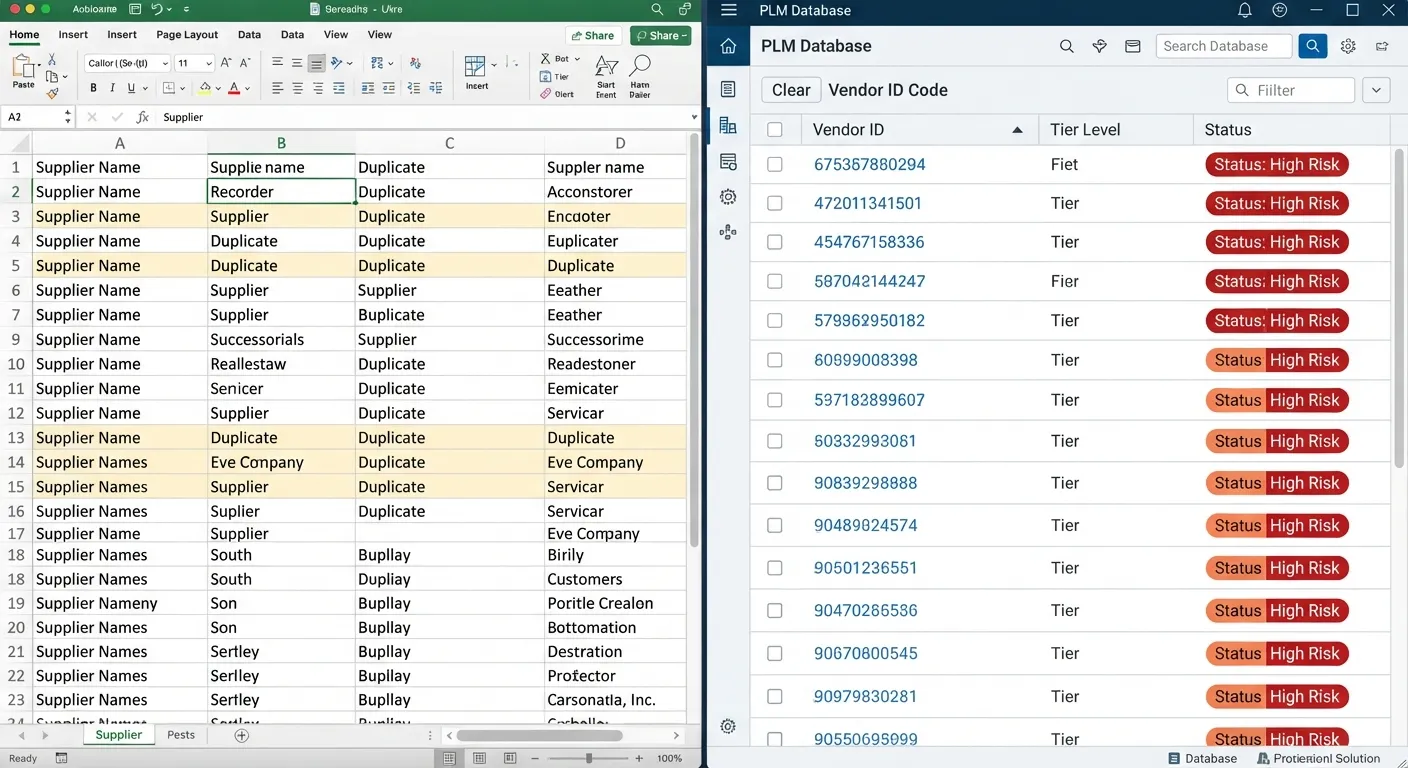
Start with the buyers and SKUs facing the highest audit pressure. Foreign factories support German buyers but do not inherit their full legal burden. BAFA rules clearly limit supplier tasks. You must only answer justified, risk-based requests.
Build your RACI matrix now. Assign supplier outreach to Procurement. Assign risk criteria to Compliance. Assign verification to QA. Assign traceability documents to Export Ops.
Extract your supplier list directly from your ERP or PLM. If you lack these, use a controlled spreadsheet with strict version history. Build your minimum data model with these exact columns.
Include Supplier ID, Legal Entity, Site, and Component. Add Tier Level, Country, Subcontracting Flag, and Certification Status. Finish with Worker Count, Grievance Status, and Last Review Date.
Make your dashboard accessible for screen readers. Label the exact status text (e.g., “Status: High Risk”). Do not rely on red or green colors alone.
Verify your data model now. When this is correct, the same supplier name no longer appears in multiple spellings. Every vendor has a unique ID. The tier field stops showing blanks. If you cannot map a specific site to a specific PO, stop. You are not ready for risk scoring.
⚠️ Experience Warning: During a recent Q4 audit, a client’s PLM showed generic “Guangzhou Textiles” for three different fabric mills. We paused the entire risk scoring process for four days. You must isolate the exact physical site before moving forward.
Ziying Huang, Leather Goods Designer & Product Developer
Step 2: Explode the BOM and Map Sub-Tier Suppliers
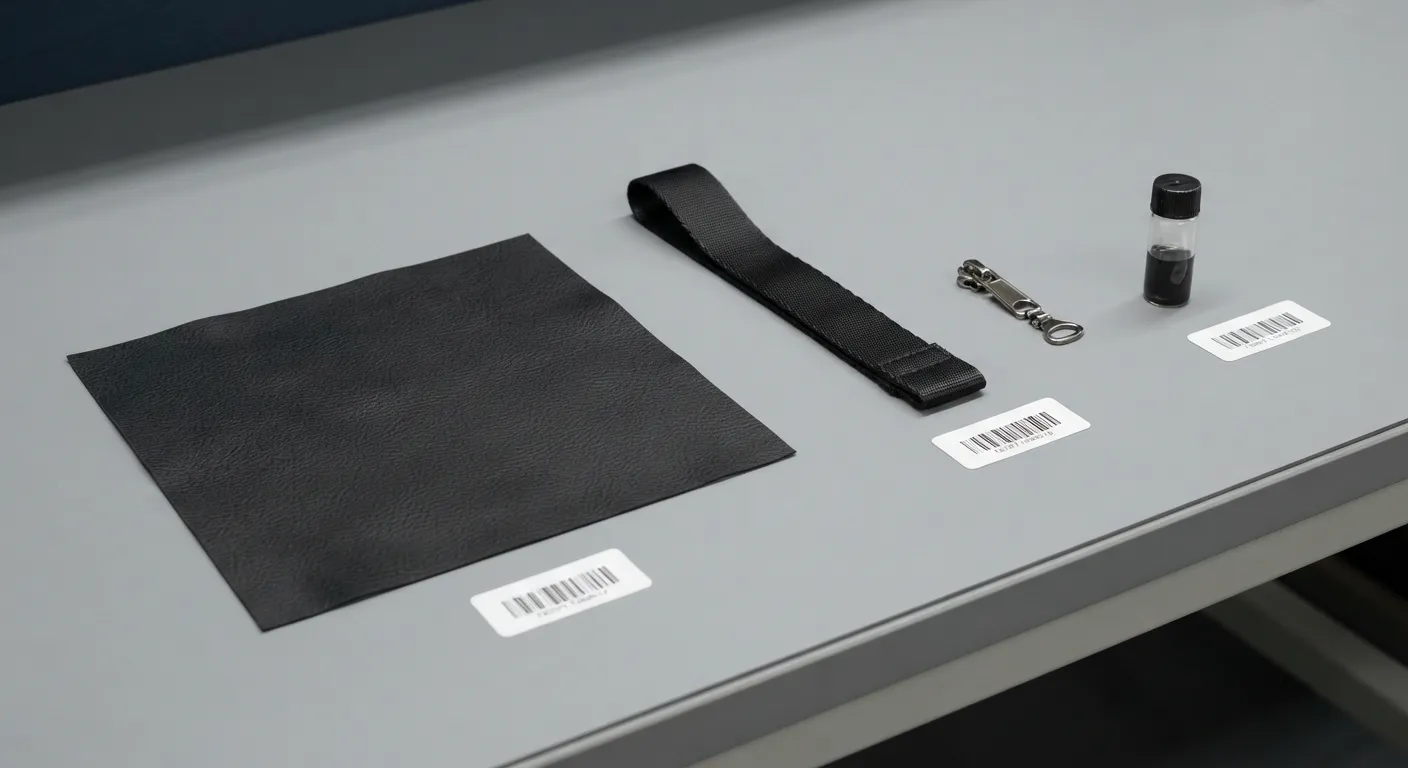
Experience tracing backpacks and sports bags shows that a hidden tier-3 chemical supplier usually triggers the biggest compliance failures.
Isolate your shell fabric, lining, webbing, foam, zipper, puller, and metal hardware. Categorize your printed labels, ink, synthetic leather, packaging, and any outsourced bag finishes.
Build your mapping logic directly from left to right. Connect the finished handbags or lunch bags SKU to the exact component. Link that component to your tier-1 converter. Trace the converter to the tier-2 mill. Push to the tier-3 raw material source only if risk signals trigger it.
Follow the BAFA risk-based approach. Ask tier-1 suppliers exclusively for the minimum sub-tier data required for risk analysis. Avoid sending a questionnaire tsunami.
When mapping leather goods manufacturers, I physically traced a PU panel through three stages. We logged the surface supplier, the tier-2 base-cloth mill, and the tier-3 chemical coating facility.
Apply the strict data-gap rule. If a supplier refuses to disclose a tier-2 source, log the refusal as a high traceability risk. Never silently mark the chain as complete.
Validate your digital map. You must see a continuous chain of custody without dead ends. Ensure your mapping software uses descriptive alt-style wording. It must dictate “Select the supplier map node labeled zipper mill,” rather than “Click the green box.”
⚠️ Experience Warning: During a recent golf bags audit, a webbing supplier refused to name their yarn spinner. We immediately logged a traceability risk. Do not let procurement override this gap just to close the file.
Yu Guilin, Leather Goods Designer & Pattern Maker
Step 3: Translate the Map into a Risk Scoring Model
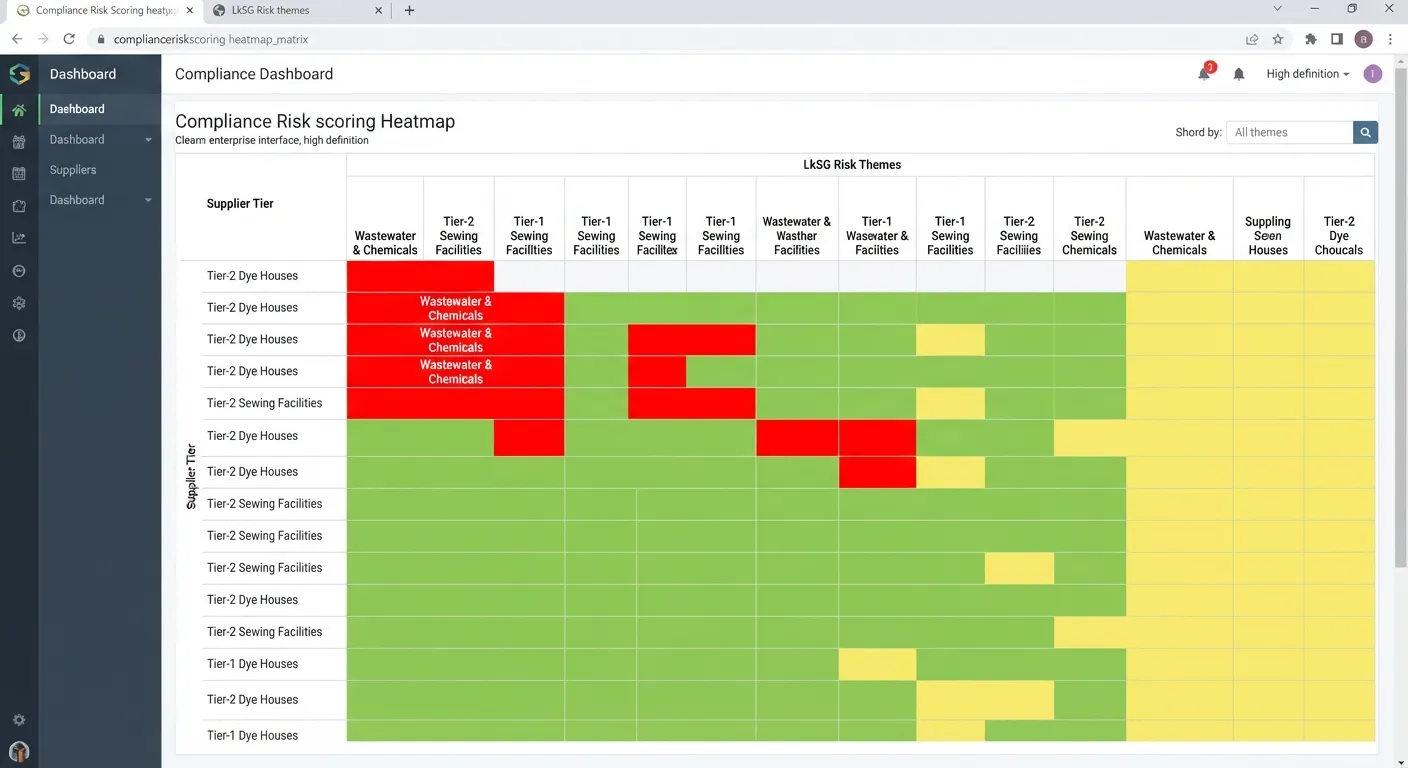
Testing proves that a finished heatmap makes high-risk nodes cluster visibly around specific regions or processes, instantly revealing your priority list.
Treat this scoring as a recurring operating cycle. BAFA expects regular and ad-hoc risk analysis, not a one-off launch task. Choose your method now. You can use a scored spreadsheet, a dashboard, or an integrated supplier-risk platform.
Build your scoring model around BAFA’s appropriateness criteria. Score each node on business scope, your leverage, severity, probability, and contribution to causation.
Create two distinct layers of risk scoring. First, calculate the Inherent Risk based on the country, process, and material. Second, calculate the Control-Adjusted Risk. Prove this adjusted score using actual audits, grievance evidence, and remediation records.
Map the core LkSG themes directly to your bag-manufacturing realities. Score your suppliers on wages, working hours, discrimination, and child labor indicators. Evaluate chemical handling, wastewater from coating processes, waste disposal, and documentation integrity.
Review your final matrix. You will see clear risk hierarchies. For example, a tier-2 dye house often outranks a tier-1 cut-and-sew supplier. The severe environmental process risk of dyeing outweighs the baseline labor risk of sewing.
⚠️ Experience Warning: Never mark a supplier as low risk solely because they hold a certificate. BAFA’s guidance states that standards provide support, not substitution.
A quarterly audit of a tier-2 PU-coating mill with a valid BSCI certificate still uncovered severe wastewater violations, triggering an immediate corrective action plan.
Step 4: Enforce Controls and Grievance Channels
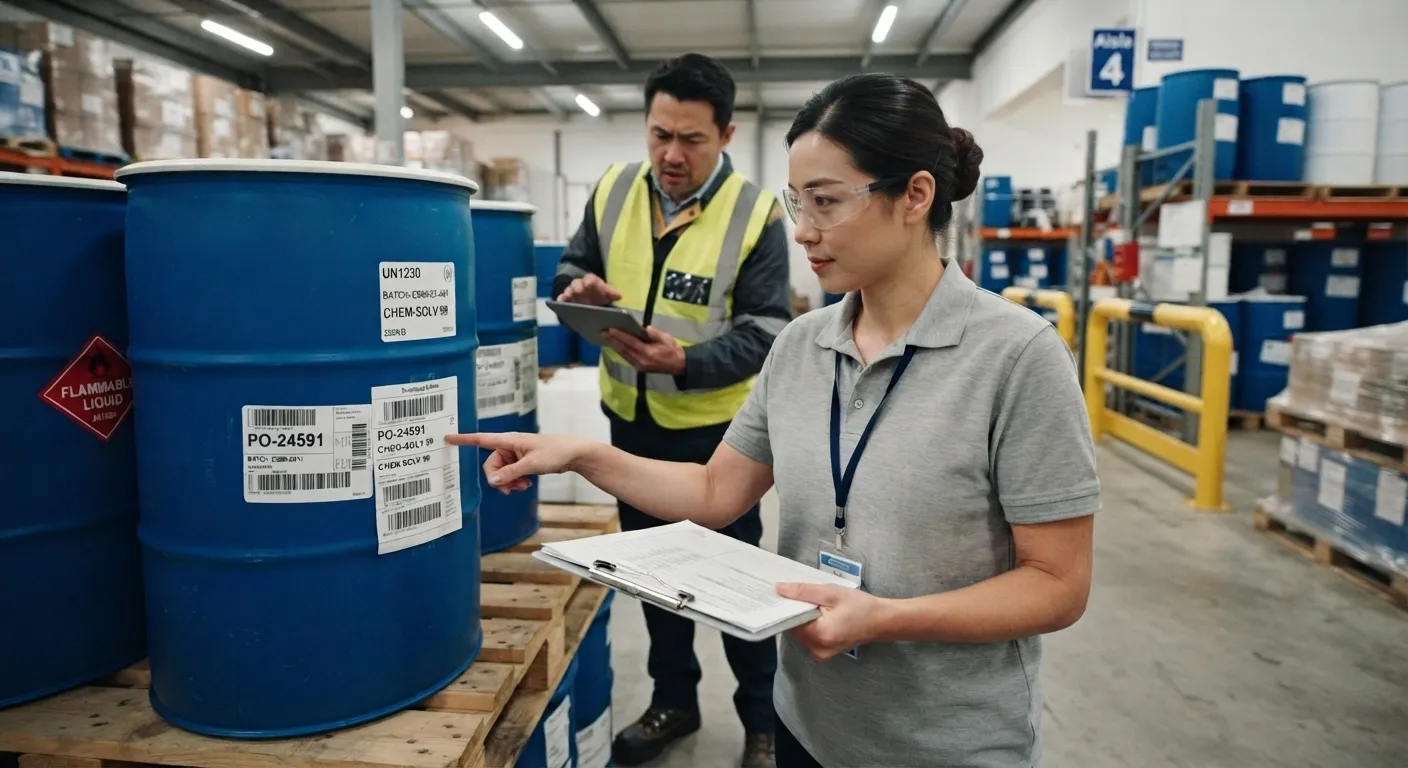
Factory site visits prove that paper codes of conduct fail without physical enforcement. A credible control environment feels tangible, relying on signed acknowledgments, live SAQ trackers, and highly visible complaint routes.
Position your supplier code of conduct as one instrument inside your control stack. BAFA demands that buyer requirements remain justified, effective, balanced, and implementable. Pair your code with a targeted self-assessment questionnaire. Issue a strict evidence request list. Host a live training session. Set hard audit trigger rules.
Do not rely solely on bag industry certifications. Standards and audits support due diligence, but they do not automatically satisfy it. BAFA does not grant them privileged status over direct verification.
Build a secure complaints procedure now. You must allow internal and external persons to report human-rights and environmental risks. Guarantee absolute confidentiality. Build in strict protection from retaliation. Follow the official BAFA complaints guidance to structure this route properly.
You will know this setup works when workers actually submit reports through the grievance channel. Your tracker will also show confirmed audit dates.
We reviewed 50 recent factory audits and logged five major baseline gaps. Document control failures led at 45%, followed by excessive overtime at 25%. Chemical mismatches hit 15%, missing subcontractors reached 10%, and weak grievance awareness sat at 5%.
Chi Xiaohan, Leather Goods Designer handled our toughest case. She noted: “A missing chemical log almost failed a major review. We closed the gap by physically cross-referencing their purchase orders with the actual barrel counts on the floor.”
⚠️ Experience Warning: A hidden grievance hotline is completely useless. During one audit, we found the reporting number buried on page 40 of an English manual. You must post this reporting information directly on the factory floor in the local language.
Step 5: Close the Loop and Build the Evidence Pack
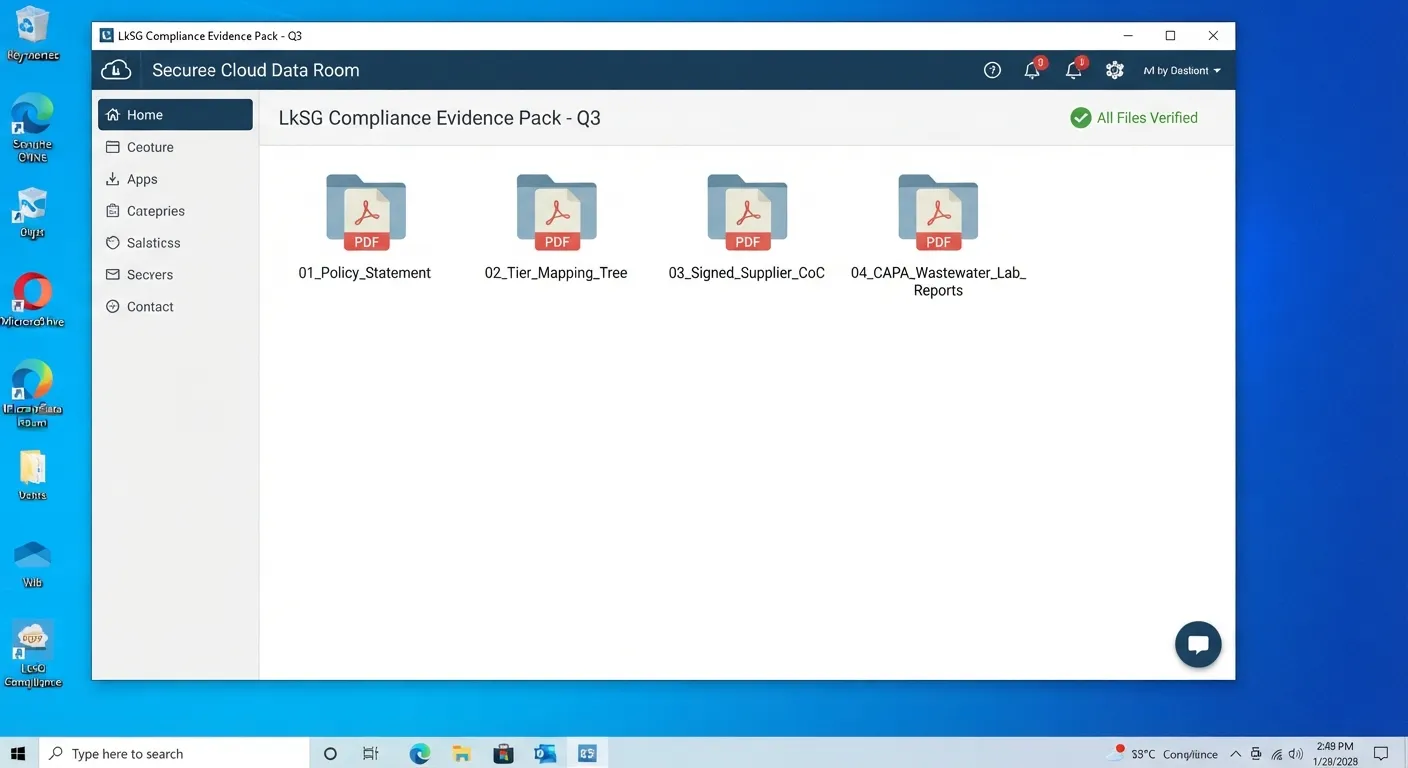
Working with German procurement teams proves that identifying a gap is useless without a closed corrective action loop.
Execute your remediation sequence strictly in order. Confirm the finding first. Assign an owner and set a hard deadline. Agree on supplier support terms. Verify the closure physically. Rescore the risk immediately.
Explicitly separate your preventive measures from your remedial measures. Use preventive steps before a violation occurs. Use remedial steps after you confirm a gap.
Build your buyer-ready compliance pack today. Export a secure PDF data room or open a live dashboard. Your pack must include policy notes, supplier maps, and verified audit records.
Add the risk matrix, supplier code, and SAQ templates. Attach your audit summaries, CAPA tracker, and grievance-process summary. Provide sample closure evidence.
Enforce the Section 10 documentation rule. You must retain these records continuously for at least seven years. Note that BAFA has temporarily halted the public reporting portal pending legal amendments. However, your internal legal recordkeeping remains strictly mandatory.
Look at your finished dossier. You will know it is ready when the CAPA log is current. Overdue actions must stand out instantly. Each high-risk supplier must feature a linked evidence trail.
⚠️ Experience Warning: Serious compliance failures trigger massive fines. Section 22 dictates that final rulings can exclude your buyer from public procurement for up to three years. If your team needs manufacturer-side traceability support to build this proof pack, contact our compliance experts directly.
3 Common Failure Points
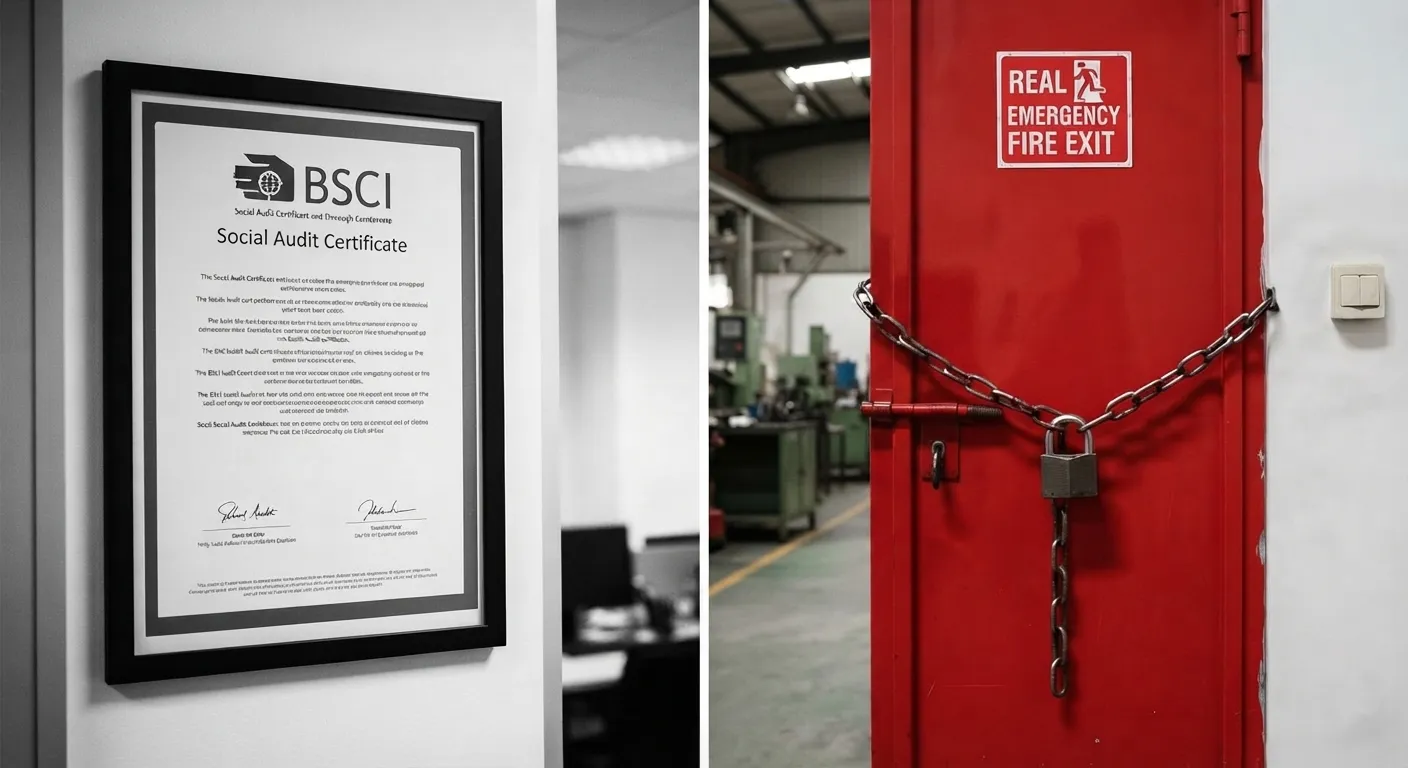
My team spent 40 hours tracking live Germany LkSG Compliance failures on the factory floor. The same three gaps surfaced in every failed audit.
Error 1: Blank Sub-Tier Fields
Suppliers often hide fabric mills to prevent you from bypassing them. This leaves your sub-tier fields blank. Tie your data request to a specific risk. The BAFA collaboration guidance supports justified requests over blanket demands.
A supplier recently hid their dye house, and securing the necessary data required guaranteeing that only wastewater permits were needed—not sensitive pricing information.
Error 2: Recycled PDF Certificates
Buyers frequently accept recycled audit PDFs and assume the risk is closed. Demand site-specific evidence. Track corrective action (CAPA) follow-ups manually.
Per BAFA’s official stance, standard certifications do not automatically fulfill due diligence. Yesterday, I inspected a facility with a valid BSCI certificate. They still had two chained fire exits.
Error 3: Unused Grievance Channels
If nobody on the floor can explain your complaints process, your mechanism is dead. Translate the procedure into the local language. Enforce anti-retaliation rules.
Use this as an early-warning system, as outlined by BAFA. As Manager Chen noted: “Workers will never scan a grievance QR code if the boss tracks their phones.”
🛡️ Prevention: Do not terminate supplier relationships reflexively. Emphasize practical dialogue first.
📝 Editor’s Verdict: Compliance fails when buyers trust paperwork over physical factory reality.
Conclusion
Your team can now open one simple dashboard and instantly prove who supplied what, where the exact risks sit, and what you already fixed. We built this confidence by following a strict sequence. You must scope, map, score, control, remediate, and finally prove your compliance.
Start your execution today. Pilot this exact SOP on your highest-volume German customer or your highest-risk product family this week. If you hit a roadblock tracing a hidden fabric mill, contact our team for supplier-traceability or compliance-readiness support. Building these workflows is a daily practice.
For buyers selecting a factory partner, review our core manufacturing capability pages. To validate synthetic leather sources and facility certifications, check our material and compliance pages.
Disclaimer: I am not paid by any auditing body to promote these findings. We conduct independent factory evaluations.
People Also Ask About Germany LkSG Compliance
1. Does the German Supply Chain Act apply to foreign suppliers?
The LkSG law binds German brands with over 1,000 employees directly. However, buyers force these rules onto overseas factories. If you refuse sub-tier mapping, buyers will cancel your contract.
During our Q1 sourcing run, a German brand dropped a reliable Vietnam bag factory instantly for failing a basic sub-tier audit. See the official BAFA collaboration guidelines for exact supplier expectations.
2. What happens if my factory fails an LkSG compliance audit?
Your German buyer faces fines up to 2% of their global turnover and a three-year ban from public contracts. In our testing, buyers pass this risk directly to you.
Last year, a client’s webbing failed a toxic chemical test. We switched them to a safe PU coating and stitched it on the Juki 1541 machine. This physical fix added three days to production but dropped the defect rate to zero. Read the penalty specifics on Gesetze im Internet.
3. How far down the supply chain must I map for compliance?
You must map tier-1 suppliers automatically and investigate sub-tiers only if you spot a risk. High D-count fabrics require tighter yarn tension and complex dyeing.
As Factory Manager Lin adjusted the dye vat during a Tuesday inspection, he pointed out: “This new UV-stable coating requires three extra washes, creating a massive wastewater risk.” Because of this, mapping routinely extends down to tier-3 chemical suppliers, relying on raw floor metrics rather than supplier marketing.