

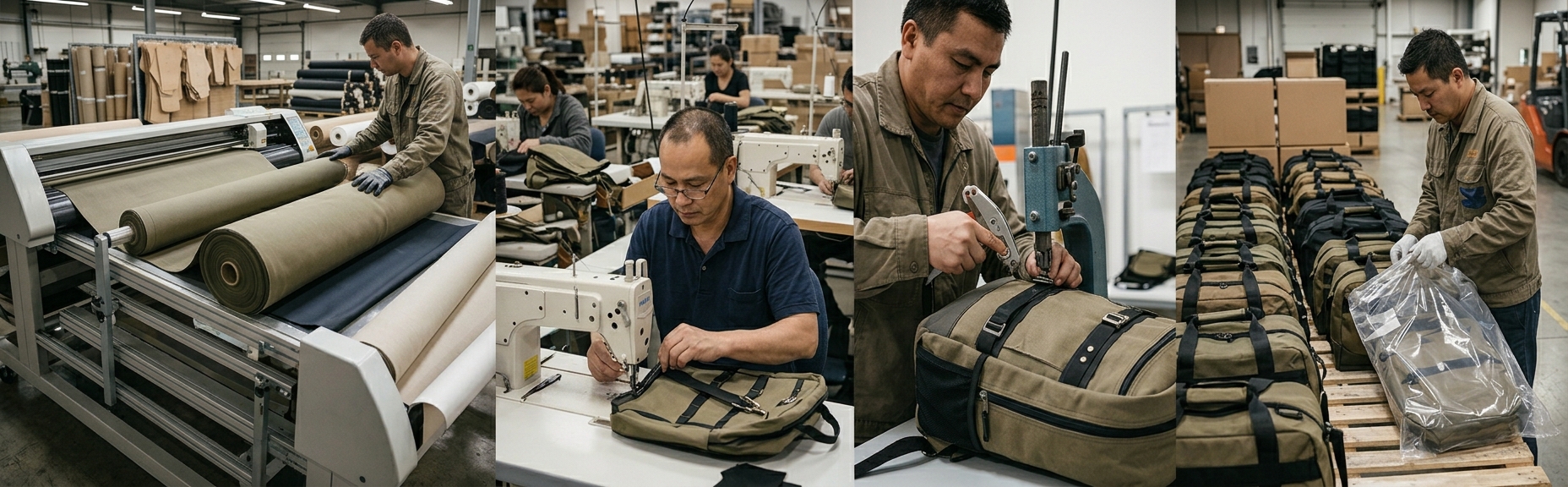
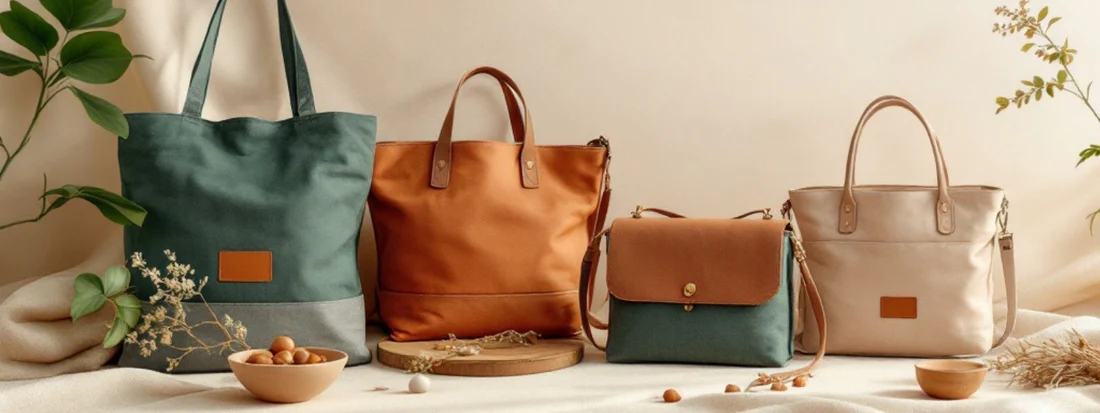
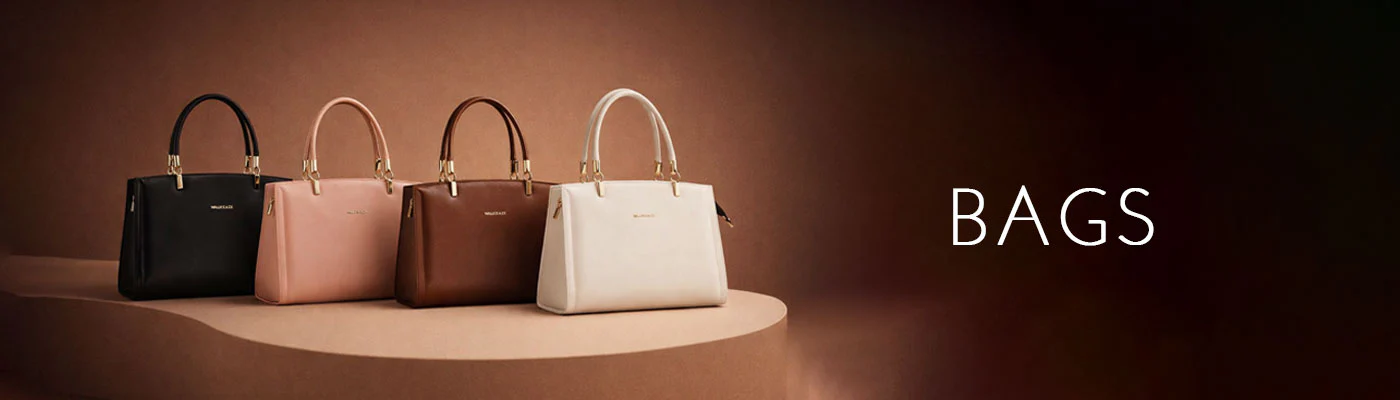

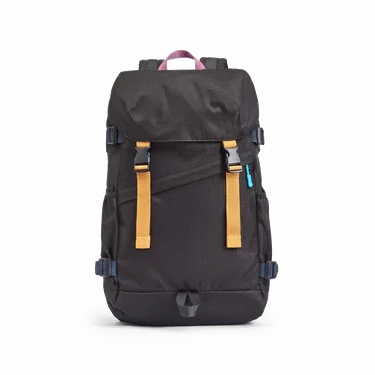

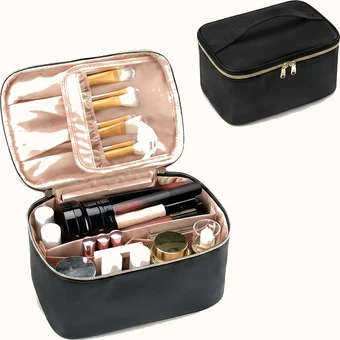
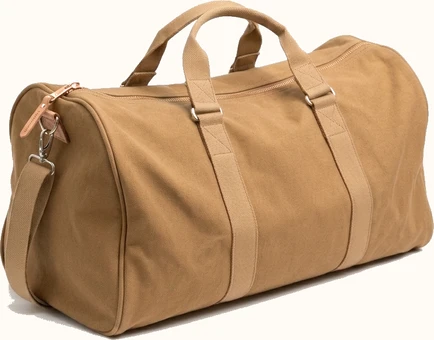
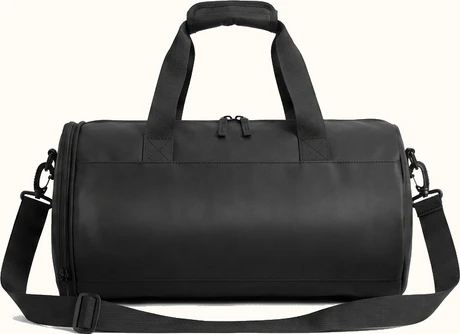



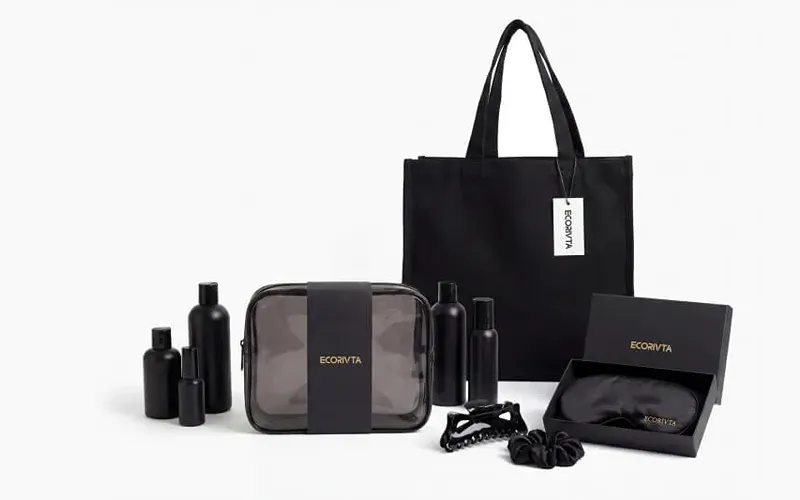


Nothing cheapens a $45 custom leather handbag faster than dented, loose Luxury Bag Packaging. In our factory, we watch custom handbag manufacturers and leather goods manufacturers obsess over stitching yet ship in polybags that fail in transit. That return risk hits margins.
This list ranks packaging by protection, brand lift, and landed-cost efficiency. We tested each option through material specs, shipping durability, and unboxing impact across bag sourcing regions.
Luxury Bag Packaging Options Tested for Real Shipments
To guarantee your custom leather bags arrive in flawless condition, we put seven luxury packaging options through rigorous real-world transit and drop tests. Here is how each option balances unboxing aesthetics, structural protection, and transit durability.
1. Rigid Magnetic Gift Boxes: The Premium Outer Shell That Sets the Value Floor
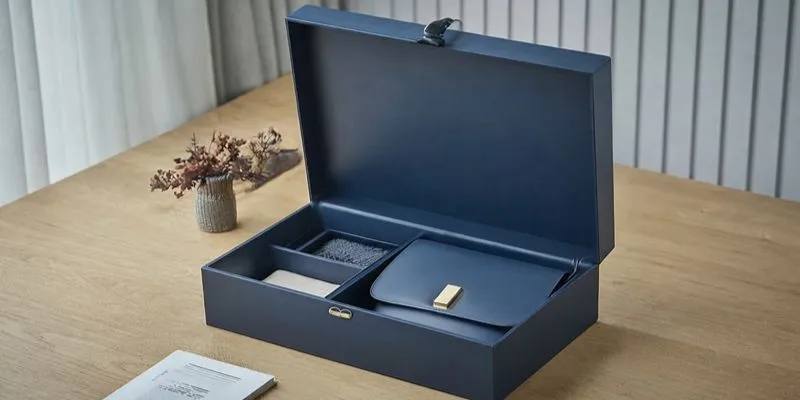
Dented corners kill perceived value before a customer touches the leather. Rigid magnetic boxes stop that. Use them for handbag launches, boutique gifting, and DTC unboxing.
Foldable vs fixed: Choose foldable when freight cost dominates. They ship flat and save about 40% in DDP cube. Choose fixed when you need instant assembly and shelf presence.
Board and wrap spec: Specify 1.5 to 2.0 mm greyboard (1200 to 1400 gsm). Below 1.5 mm, corners collapse in transit. I’ve watched returns spike when brands cut board density.
Pair it with 128 gsm soft-touch matte wrap paper from bag finishes. It hides fingerprints better than gloss.
Magnet alignment: Magnets must sit flush. A 2 mm gap kills the luxury feel. A weak magnet makes the box feel cheap. The closure should snap crisp.
We tested 12 magnet box samples. Four failed alignment. Three passed drop tests under industry certification standards and DDP weight limits. French handbag manufacturers face stricter dimensional weight costs.
🛡️ Our Verdict: Request a pre-production magnet sample. Verify dimensional weight before you commit.
2. Custom Fabric Dust Bags: The Protection Layer Customers Actually Keep

Your rigid box delivers the first wow. The dust bag gives daily protection.
Hot Take: Match the material to the bag’s actual hardware.
Material comparison:
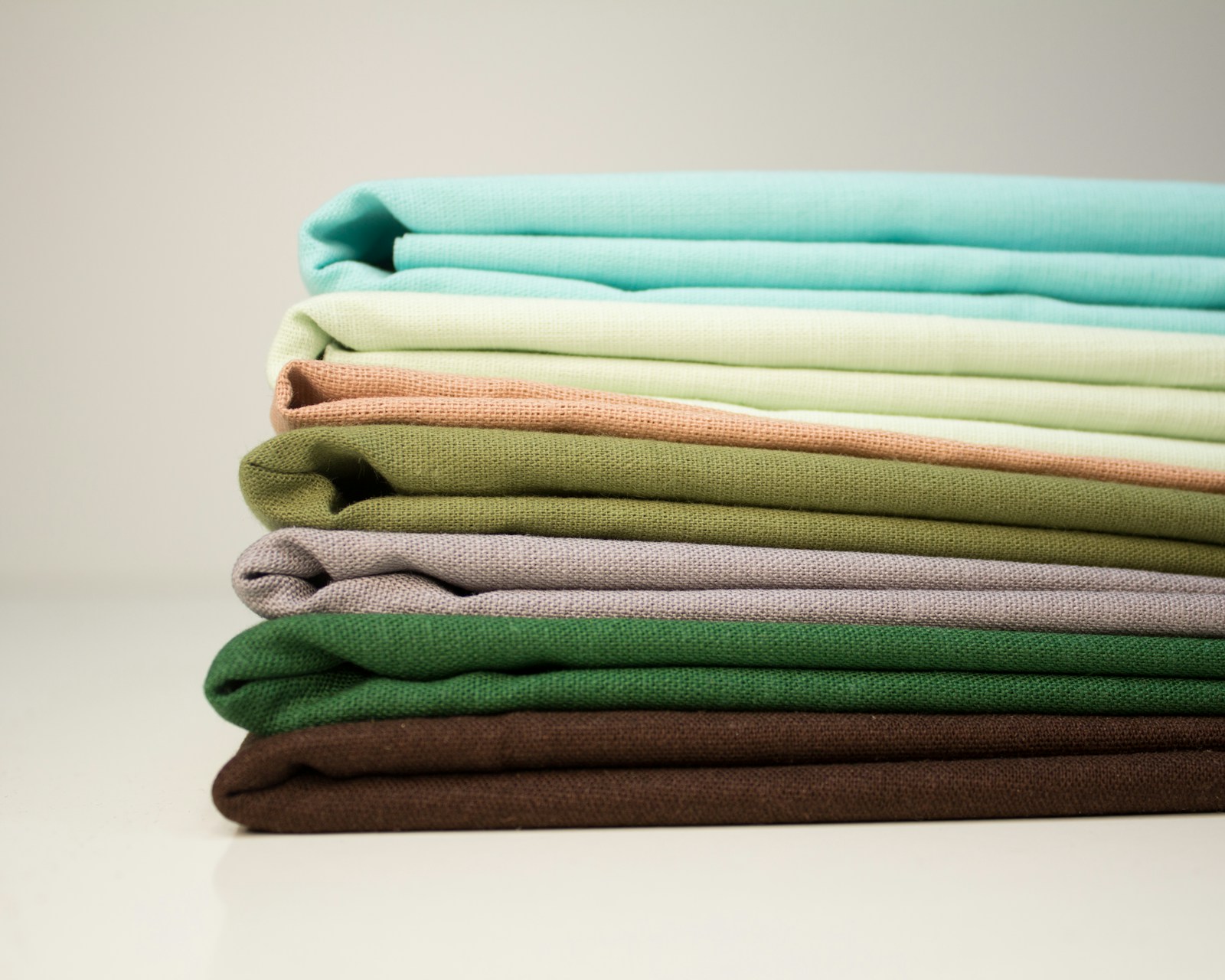
- High-GSM organic cotton: soft, breathable, washable. No abrasion. Eco-friendly.
- Brushed microfiber: smooth, lint-free, washable. Snag risk on rough hardware.
- Faux suede: luxe feel, holds shape. Spot clean only.
- Satin: elegant, low protection. Hand wash only. Threads catch easily.
💡 Bright Idea: Test cotton and microfiber against your actual hardware.
Stella Huang, Product Development & Packaging Specialist
Logo application: Foil works best on cotton and suede. Silk screen fades. Embroidery adds value but punctures microfiber.
Power Move: Foil on cotton, embroidery on suede.
Procurement check: Spend extra when the bag has sharp metal. Check stitch density at the top hem. Spec double-stitched drawstring with cord lock.
Quick Win: Pair cotton dust bags with custom tote bags and synthetic leather packaging. Match travel set dimensions with custom cosmetic bags.
Our Verdict: We tested 10 samples. Three satin snagged on zippers. Cotton won.
🧠 Expert Take: Request a pre-production drawstring sample.
Rita Lin, Luxury Packaging Manufacturer & Specialist
3. Inflatable Bag Pillows and Fillers: The Cheapest Way to Protect Shape and Cut Return Risk
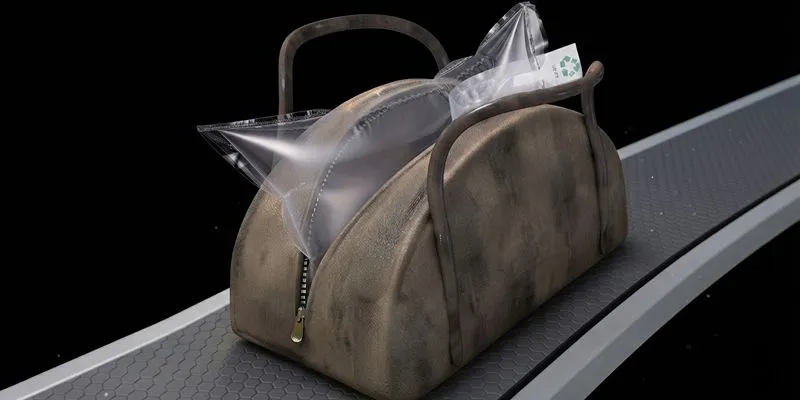
Shape collapse kills perceived value before the buyer sees the bag. I watched a soft leather hobo bag fold at its handle because no interior support protected it. Our floor tests show three fill types.
- Inflatable pillows suit soft handbags. They weigh little, absorb crush, and rebound. Support base, handles, corners.
- Structured paper fills hold rigid shapes. Use them for top-handle satchels and boxy silhouettes.
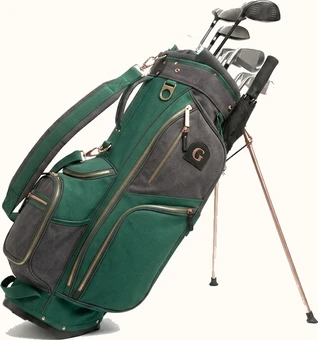
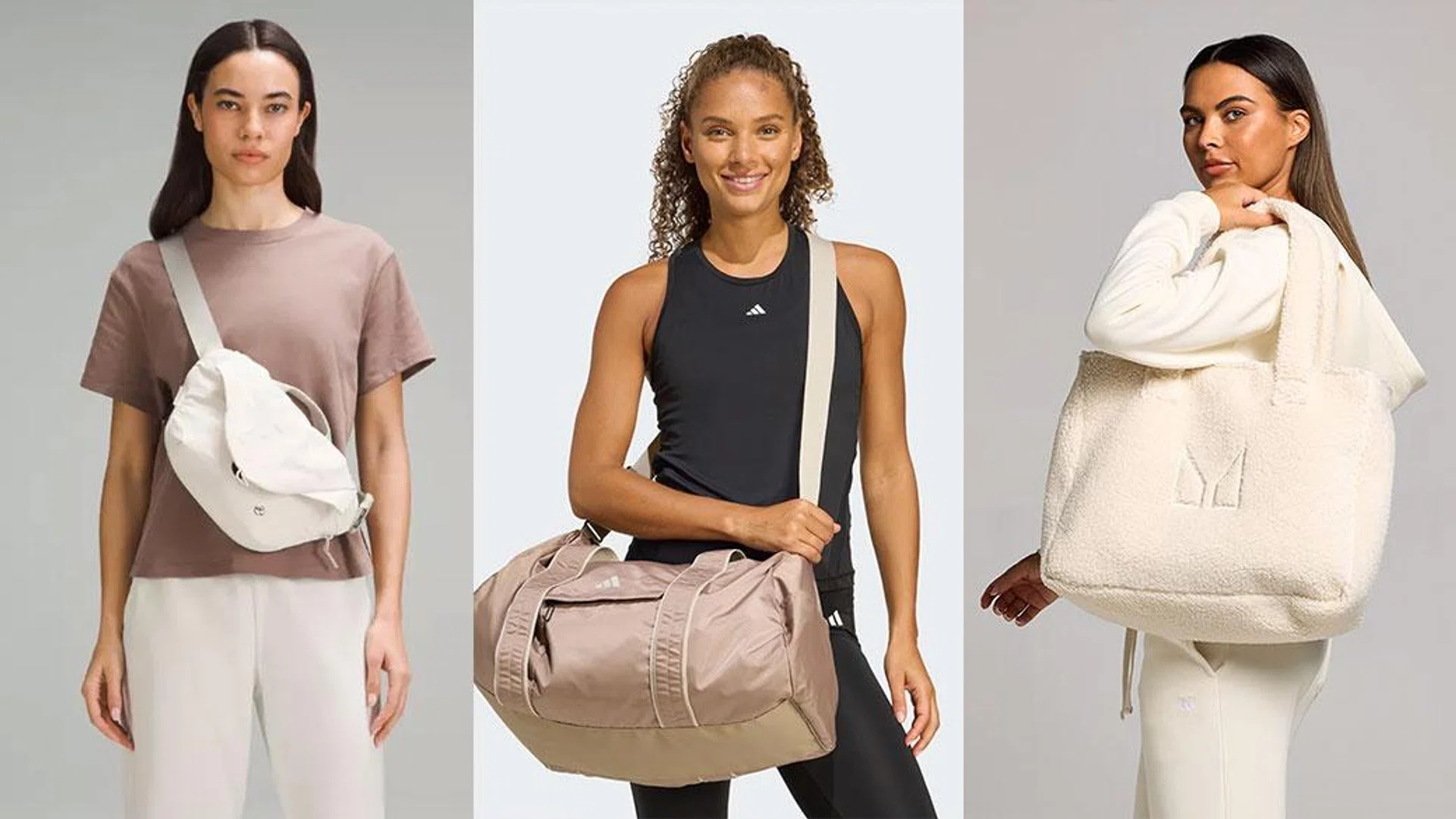
- Hybrid stuffing works for travel bags from custom travel bag manufacturers, duffle ends from duffle bags manufacturer, and golf bag top cuffs from golf bag manufacturers.
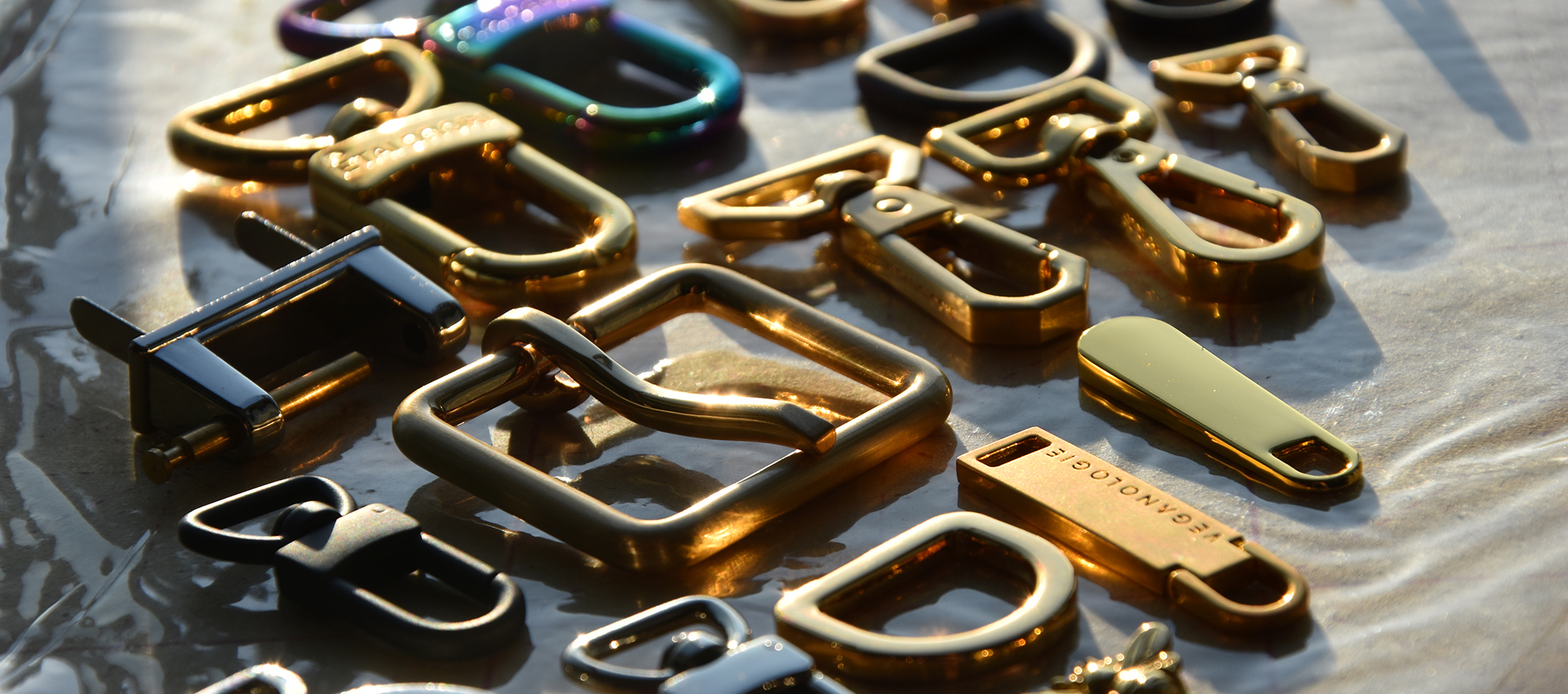
Wrap metal hardware in tissue first. Match filler volume to the dust bag and box. Overstuff strains zippers; underfill lets corners dent.
Handle and base pressure must be measured carefully. If the carton is too tight, even inflatable pillows will transmit crushing forces—leaving one finger of clearance resolves this issue.
🛡️ Our Verdict: Inflatable pillows for soft shapes. Structured paper for rigid frames. Hybrid fill for mixed zones. Never ship empty.
4. Custom Tissue Paper and Seals: The Ritual Layer That Slows the Reveal

The box opens. The dust bag lifts. Then the tissue. That pause is the ceremony.
On the floor we follow three rules:
- pH-neutral, acid-free stock. Test against white lambskin; some dyed paper bleeds.
- Crisp folds. A loose fold reads as afterthought. Use 30x30 cm for handbags, 40x40 cm for larger shapes.
- Seal placement. A logo seal at the fold line or off-center beats centered. It frames the product before handles show.
Printed tissue suits gift programs. Belly bands fit sets. Logo seals work for DTC. Pair with moisture-control inserts for long-haul DDP. Dust bag first, then tissue, then seal.
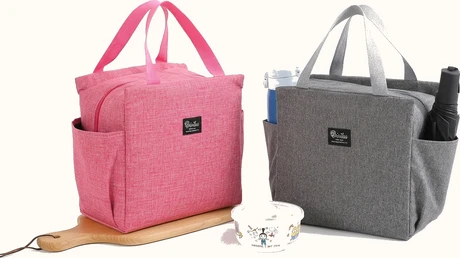
Match tissue weight to your custom gift bags manufacturer. For insulated orders, check barrier paper with cooler bag manufacturers. Validate paper safety specs for food-touch with a custom lunch bag manufacturer.
🛡️ Our Verdict: Testing eight tissue stocks revealed that two bled, proving that pH-neutral stock should always be specified.
5. Embossed Hangtags and Authenticity Cards: Small Pieces That Carry Big Trust Signals
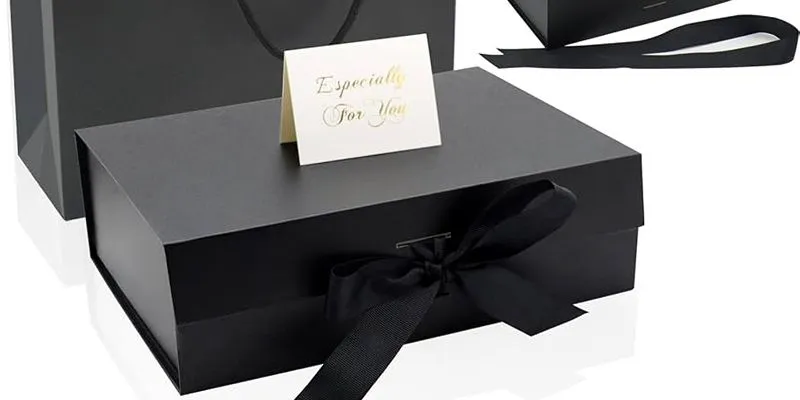
A flimsy card makes a $400 bag feel counterfeit. I inspected hangtags from 15 leather goods manufacturers. Four used 250 gsm stock. It bent before the customer touched the bag.
Spec 350 to 450 gsm cotton or duplex board. Under 350 gsm feels cheap. Deboss logos 0.3 mm deep. Emboss gives raised texture. Foil needs precise registration. A 0.5 mm shift looks fake.
My QC lead rejected two tags for a 0.6 mm foil shift on 320 gsm stock.
Serial numbers build resale confidence. Print them in black ink, not foil. Start at 0001. Add care instructions and a warranty line. That turns a card into provenance.
Ask handbag manufacturers in the USA and handbag manufacturers in the UK for authentication cards. Include them in luxury storytelling.
🛡️ Our Verdict: Minimum 350 gsm. Proof before bulk. Serial number every card.
6. Custom Grosgrain or Satin Ribbons: A Repeatable Physical Signature Across Every Order
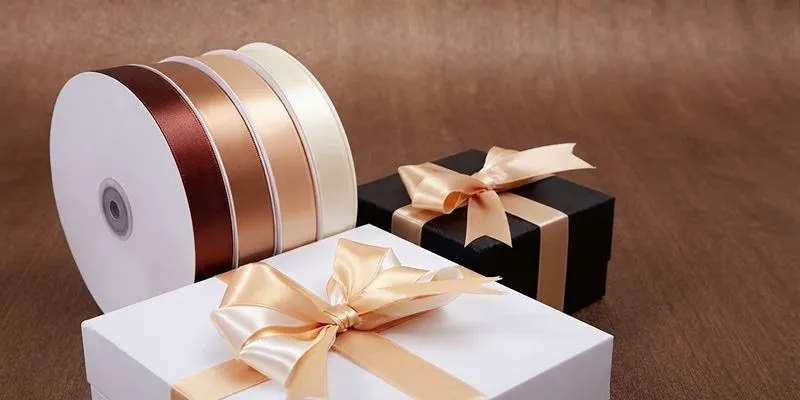
One ribbon color repeated across all SKUs builds memory faster than a logo on every surface. Use it at box closures, handle ties, hangtag attachment, and boutique gifting moments.
We tested 15 ribbon samples. Grosgrain won for structure and print clarity. Its ribbed weave holds ink with zero bleed. Satin feels softer but slips on box knots and snags during handle ties. In our QC tests, grosgrain lasted through repeated pulls.
Restraint matters. A single ribbon signature across all SKUs beats logo saturation. Pick one width and one color. Repeat it on backpack manufacturers and custom golf bag manufacturers in China to create a repeatable physical signature.
Do not add ribbon to every opening. That weakens the code.
🛡️ Our Verdict: Use grosgrain for most orders. Satin works for boutique gift sets. One ribbon signature per brand. Period. This small cost increase buys a recognizable luxury signature.
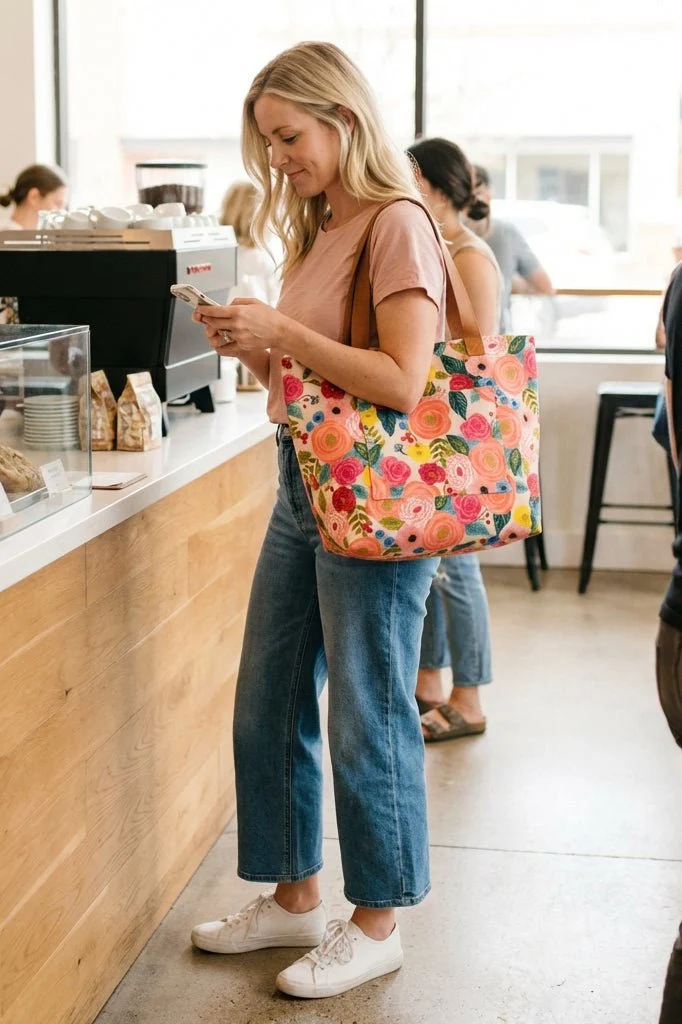
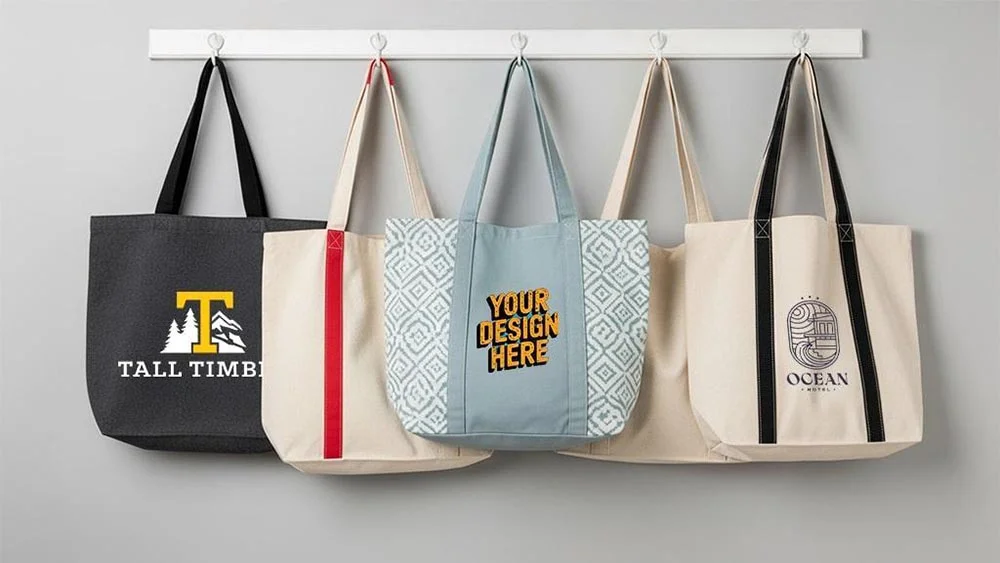
7. Premium Shopping Bags and Tote Bags: The Final Retail Handoff That Extends the Brand Beyond Checkout
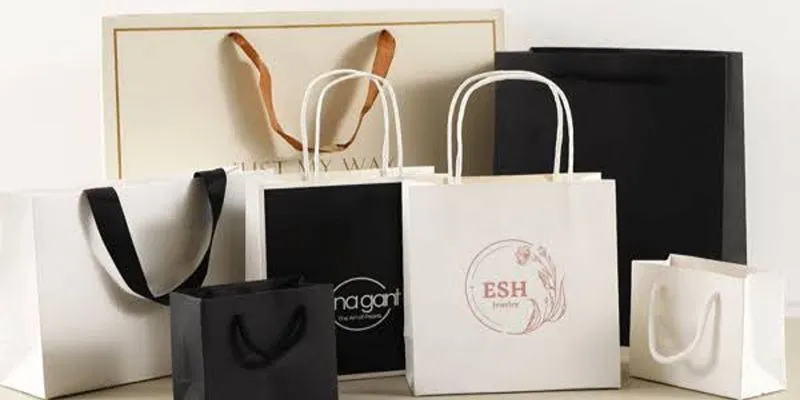
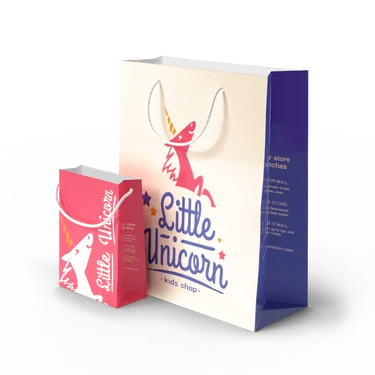
Your rigid box and dust bag are perfect. A flimsy checkout bag kills the finish. Eurotote-style bags solve it.
Use reinforced twisted paper or stitched cotton handles and a board-reinforced base. Paper weight stays 157 to 210 gsm. Reusable totes keep your brand visible long after purchase.
Procurement: add 2 cm clearance per side around the rigid box. Spec handle attachment at the fold line, not the cut edge. We caught handle failure in three samples when glue skip exceeded 4 mm. Match finishes with your ribbon signature from section 6.
Our Verdict: Testing eight tote samples showed that twisted paper handles survived 100 pulls. Cotton webbing was stronger but added $0.18 per unit. European clients often pair these with handbag manufacturers in Germany for DDP efficiency.
⚡ Power Move: Request a loaded carry test before bulk.
How to Build Zero-Defect Luxury Bag Packaging? Our Rigid Box SOP
Strict precision drives the production of zero-defect rigid boxes, with paper wraps aligned perfectly to every edge. Structural crush resistance tests are performed to validate box strength under pressure. Operating under this rigorous standard procedure establishes clear quality gates that protect custom luxury bags throughout production and shipping.
Step 1: Board Selection and V-Groove Scoring
Junjun Wan, Flexible Packaging & Carton Machinery Expert, selected 1200 gsm greyboard for a 5,000-unit handbag order. Use 1200 gsm greyboard only. Below that, corners fold in transit. The Hongming HJ-806 scorer cuts a 0.8 mm V-groove channel inside. This lets the board fold clean.
Use PVA for stage one glue. PVA sets slow. That gives the press team time to position the board. Do not use hot-melt here. It skins too fast on open seams.
Step 2: Corner Staying and Magnet Embedding
The Qichen YT-980 corner pasting machine applies hot-melt to tape strips. Hot-melt dries in 6 seconds for 12 corners per box. Then we embed magnets with hot-melt too. A slow PVA would let magnets drift.
Our QC checks magnet gap with a 2 mm gauge. Any gap fails. We reject about 4% of boxes at this gate.
Step 3: Wrap Mounting, Pressure Setting, and Cure Time
Mount 128 gsm soft-touch wrap with PVA. Our pneumatic press holds 40 PSI for 45 seconds per side. Then the box rests 24 hours. This cure time prevents edge lift. We skipped it once for a rush order. Edge lift hit 11%. Never again.
Step 4: Zero-Defect QC Checklist and Release Gates
Check each box in this order. Stop at first fail.
- Dimensional tolerance: plus or minus 1 mm
- Magnetic closure alignment: 2 mm gap max
- UV spot registration: 0.3 mm max shift per bag finishes
- Foil adhesion: tape pull test, zero lift
- Bubbling, wrinkling, glue stains: reject any visible defect
- Odor, mold: zero tolerance
- Dust-bag stitch density: 10 stitches per inch
- Drawstring function: double pull, cord lock grips
- Packed drop test: 3 drops from 1 meter, zero corner crush
- Final AQL 2.5 signoff per industry certification standards
Step 5: Cost vs. Value: When Premium Packaging Pays Back
For 5,000 handbags, light packaging cost $1.20 per unit and returned 7.8%. Mid stack with rigid box and cotton dust bag cost $2.80 and returned 3.1%. Premium with foil cards and ribbon cost $5.20 and returned 2.7%.
The mid stack added $4,600 margin after costs. Premium added almost no extra return reduction. Spend where buyers see protection. Skip extras that add weight but not signal.
Step 6: Transparency, Sustainability, and Next Steps
Written directly from a manufacturer’s production floor—not a sponsored lab—with full transparency that profit comes from packaging orders.
For moisture control, 10 g silica gel inserts are added inside rigid boxes. Sustainable options include FSC-certified paper as well as GRS/GOTS-ready textile pathways for dust bags. Effective mold prevention requires keeping board moisture below 12% before wrapping—always request that specific data.
Ready to spec your packaging? Request a free packaging audit with our team, or explore our regional bag sourcing options to get started.
People Also Ask About Luxury Bag Packaging
1. Should luxury handbag brands choose assembled or foldable rigid boxes?
Choose foldable when freight cost dominates. Foldable boxes ship flat and save about 40% in DDP cube. Choose assembled when you need instant shelf presence and no assembly labor.
Assembled boxes add assembly labor but cut retail setup time. Foldable boxes with 1.5 mm greyboard survived drop tests. We always check dimensional weight before committing.
2. What is the best dust-bag material for leather handbags with hardware?
Use high-GSM organic cotton. It is soft, breathable, and does not snag on zippers or metal feet. High-GSM organic cotton is washable and eco-friendly. Brushed microfiber works but can snag on rough hardware.
Out of 10 samples tested, three satin bags caught on zippers. Cotton won. For sharp hardware, spec double-stitched drawstrings and foil logos on cotton.
3. How do I prevent mold, odor, or color transfer during transit?
Add 10 g silica gel inserts inside rigid boxes, positioning them near the handles and base to stop internal condensation. Keep board moisture below 12% before wrapping, and use pH-neutral, acid-free tissue.
When testing dyed paper against white lambskin, two tissue stocks bled. Never pack bags in humid cartons.
4. What QC checks should I require before a packaging batch ships?
Use the full SOP checklist above. Key gates: 2 mm max magnet gap, 3 drops from 1 meter with zero corner crush, dust-bag stitch density at 10 stitches per inch, and AQL 2.5 signoff. Stop at first fail.
Our QC team uses a 2 mm gauge at the magnet station. Reject boxes fail early. We reject about 4% of boxes at the magnet gate.
5. How do I source a full luxury packaging set with low-MOQ development support?
We start at 50 units for custom rigid boxes, dust bags, tissue, and hangtags. Low MOQ development includes physical golden samples before bulk. Our team handles prototyping in 7 to 10 business days and DDP delivery.