














A supplier quotes full-grain leather marked “LWG.” The price looks sharp and the logo feels reassuring. Before approving that sample, procurement teams must verify whether the claim is meaningful, current, and genuine.
LWG Certified Leather generally means the leather comes from a tannery or approved supply-chain entity assessed under Leather Working Group standards. It is not a simple pass or fail badge. Medal ratings, audit dates, and scope change what the claim is worth.
We work directly with procurement managers, sustainability officers, and brand product developers for custom leather bags. They often tell us the same thing: supplier decks full of LWG claims, but very little proof.
Some buyers accept those claims at face value. That is a compliance risk.
This guide explains what LWG is, what the medal ratings mean, what buyers should verify, and how LWG affects ethical leather sourcing decisions.
This is a buyer verification framework, not supplier self-promotion. LWG Gold rated suppliers still need proof. Let’s start by defining the terms clearly.
Understanding LWG Certified Leather
LWG Certified Leather is market shorthand, not a product-quality label. The Leather Working Group (LWG) audits leather manufacturing facilities and approved supply-chain entities. Sourcing reviews focus on evaluating the facility itself rather than inspecting the finished bag, shoe, or seat.
Think of LWG as a restaurant health inspection. Inspectors verify kitchen hygiene and documentation. They do not judge the steak.
LWG evaluates how a tannery manages environmental impact. It does not grade the hide.
In our compliance work, LWG audits cover six areas:
- environmental management
- chemical management
- water and energy use
- wastewater and effluent handling
- waste management
- traceability and documentation
These facility checks matter for bag industry certifications. They are not batch product tests.
What LWG does not guarantee:
- Finished-product quality. A Gold-rated tannery can still produce leather with poor color consistency. This pattern frequently appears on the cutting room floor.
- Batch chemical compliance. REACH, Prop 65, or customer-specific restricted-substances testing remains separate.
- Every sustainability claim. Always confirm the current LWG tanneries list and the exact facility name.
Gold / Silver / Bronze ratings reflect audit score bands. Gold signals stronger environmental systems. Silver is solid. Bronze meets the minimum threshold. Gold shows better process control, but it is not a perfect quality proxy.
Glossary:
- Tannery: facility that converts raw hides into finished leather.
- Trader / supply-chain intermediary: company that buys and sells leather between tanneries and manufacturers.
- Audit rating: medal level from an LWG audit (Gold, Silver, Bronze, or Audited).
- Traceability record: documentation showing material path from raw hide to finished leather.
- LWG tanneries list / live directory: official database for verifying current LWG status.
If you are considering non-leather alternatives, we will compare these to synthetic leather later.
Core Concepts: The LWG Certified Leather Audit and Traceability Playbook
We verified this workflow through our own leather orders and audit prep.
1. What the LWG Audit Process Actually Checks?
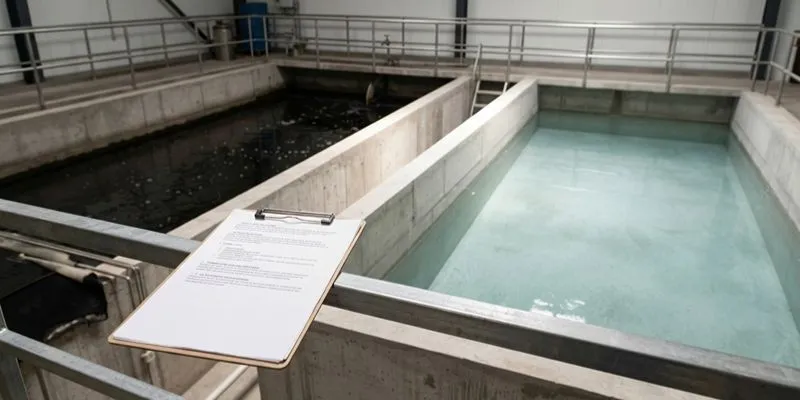
An LWG audit reviews controlled systems, not policies alone. Observing the scoring logic in practice during the last two supplier audits provided clear, hands-on insights.
The audit checks seven areas: chemical inventory and handling, water use and wastewater treatment, energy monitoring, waste segregation and disposal, environmental management systems, traceability records, and operational documentation.
Each area requires dated, consistent, auditable records.
Medal logic caps the outcome. A strong water score cannot fully offset weak chemical management. Documented systems, consistent records, and auditable evidence matter as much as policy.
⚙️ Technical Detail: We saw a tannery score high on energy but fail Bronze because waste segregation records stopped three months before the audit. The cap blocked the strong area.
Cathy Cai, Business Development Director
2. Internal SOP Spotlight: Raw Hide to Final Cutting
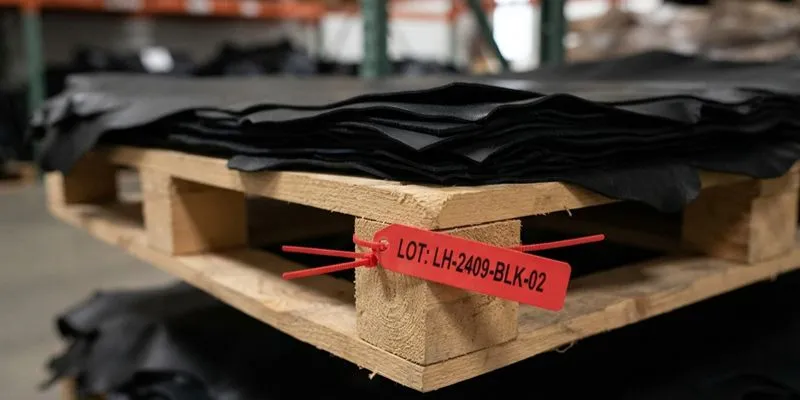
Traceability is a physical and digital chain. We follow a nine-step internal SOP:
- Approved tannery selection and legal-entity verification.
- Purchase order linked to tannery name, rating, and audit validity.
- Inbound lot receipt with internal lot code.
- Warehouse segregation by lot, color, and batch.
- Linking dye and chemical batch references where available.
- Inspection for shade, thickness, defects, and usable area.
- Cutting ticket issued with lot reference.
- BOM and production order linking leather lot to final style.
- Archive folder for supplier docs, lot movement, cutting yield, and shipment references.
We use lot codes like LH-2409-BLK-02. Last spring, our warehouse skipped color segregation for one day. A shade mismatch caught during cutting led to the immediate quarantine of 120 panels. Since then, every pallet carries a color-coded lot tag.
3. Frontline Insight: The Hardest Parts of Passing an Audit

I sat with Wendy Chen, Sales Manager, after her last surveillance audit.
“Buyers think the certificate is the hard part. The hard part is keeping the daily logs complete across every lot, every replenishment, every month.”
Her pain points:
- Keeping documentation complete across every lot and replenishment cycle.
- Matching paperwork to the exact legal entity being audited.
- Collecting updated evidence before certificates expire.
- Maintaining consistent wastewater, waste, and utility logs.
- Controlling subcontractor visibility if downstream work touches the material.
Last quarter, a client lot stalled because a tannery certificate expired mid-production. We re-sourced and added ten days. Passing an audit is not a one-time label. It is a systems discipline.
🔄 Common Pitfall: An expired certificate breaks chain-of-custody evidence for that batch.
4. Buyer Verification Workflow: How to Check an LWG Claim?
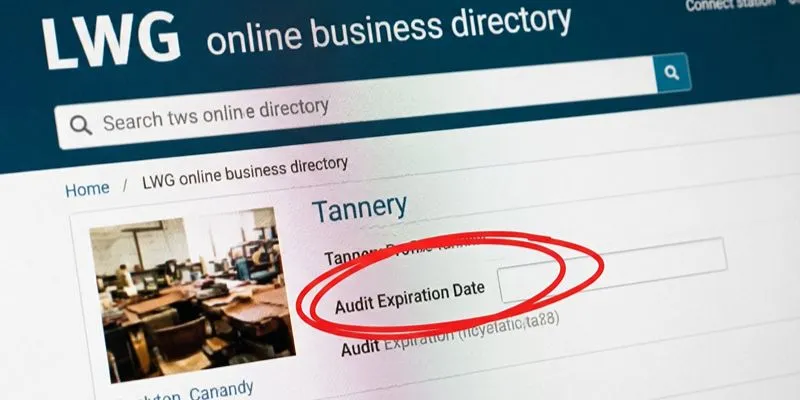
Do not accept a screenshot. Use this playbook:
- Search the official LWG supplier directory.
- Match the exact legal entity name, not just a sales brand name.
- Confirm country, facility type, rating tier, and current status.
- Request supporting documents that match the same entity and site.
- Ask which tannery supplied the leather for that order if the seller is a trader or bag factory.
- Re-check status before repeat POs, not just first order approval.
Red flags:
- Certificate screenshot without matching legal entity.
- Outdated document from a previous audit cycle.
- Supplier claims “LWG leather” but refuses to name the tannery.
- Parent company certificate used for a different facility.
- Marketing claim copied into a quotation without batch traceability.
For the lwg tanneries list, rely on the official searchable directory. Random PDF lists often include expired entries.
5. Claims Language and Scope Control
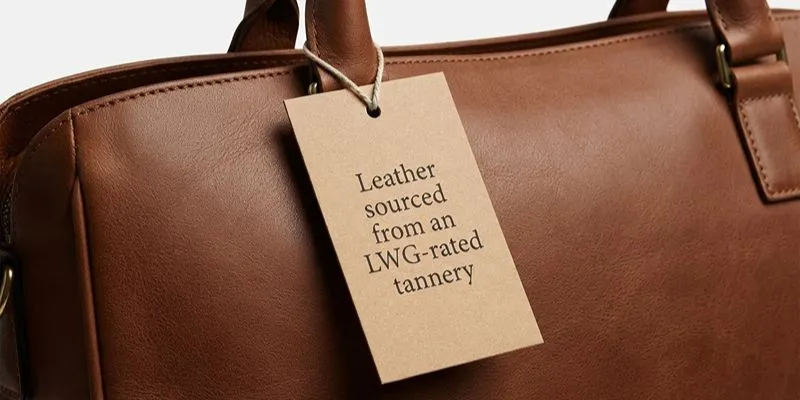
Use careful wording:
- “leather sourced from an LWG-rated tannery”
- “made with leather from an LWG Gold-rated supplier”
Avoid over-broad claims. Do not say “LWG-certified bag” if the bag factory is not itself LWG-audited. Follow the official LWG claims guidance page.
LWG vs REACH vs GRS vs OEKO-TEX
These standards answer different questions.
| Standard | What it covers | What it does not cover | When to ask |
|---|---|---|---|
| LWG | Facility and process environmental management | Finished-product chemical safety or recycled content | When sourcing leather from a tannery |
| REACH | Regulatory chemical compliance for substances in products | Facility environmental management | When legal chemical compliance is required in the EU |
| GRS | Recycled content chain | Leather-specific environmental performance | When claiming recycled material content |
| OEKO-TEX | Product-level chemical-safety communication | Facility auditing or recycled content | When buyers need product-level chemical safety assurance |
LWG is facility and process focused. REACH handles chemical compliance. GRS covers recycled content chains. OEKO-TEX communicates product-level chemical safety. If you compare leather alternatives, see our synthetic leather guide. For REACH, start with EU REACH guidance.
Key Benefits: Why LWG Certified Leather Matters for B2B Buyers?
I sat in a supplier call last month. The buyer asked which tannery supplied this leather. No one could answer. LWG Certified Leather gives procurement a common screening language.
1. Faster Supplier Pre-Qualification
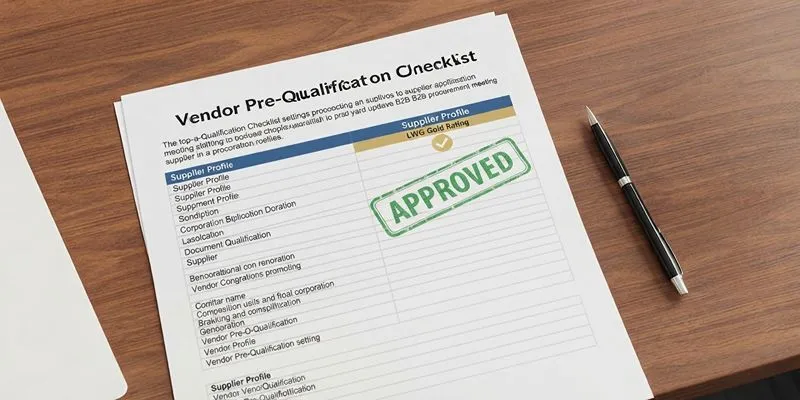
LWG ratings replace marketing decks with one verifiable filter. We check legal entities in the official LWG directory in minutes. This saves procurement hours when comparing custom handbag manufacturers or leather goods manufacturers.
Official Leather Working Group statistics confirm the standard covers over 30% of global finished leather production across 2,200+ certified suppliers.
2. Stronger Sustainability Conversations
LWG shifts questions from “Are you sustainable?” to operational checks: water discharge limits, chemical inventory controls, traceability records. We saw this matter when a supplier claimed responsible leather but could not name the tannery.
Documented facility data supports corporate disclosures under the EU Corporate Sustainability Reporting Directive (CSRD).
3. Lower Reputational Risk
Opaque tanneries create hidden exposure. We saw a client pull product after a viral post about river pollution near a tannery region. LWG filters out the weakest documentation.
LWG-rated suppliers maintain cleaner paper trails and fewer compliance surprises. McKinsey’s State of Fashion Report shows documented supply chains are now baseline.
4. Defensible Brand Claims
Marketing teams can use precise claims: “leather sourced from an LWG Gold-rated tannery.” That phrasing survives retailer scrutiny. For custom backpacks, lunch bags, or sport bags, structured claims support product storytelling without overreach.
5. Smoother Retailer Onboarding
Large accounts ask for tannery names before approving vendors. Suppliers with LWG documentation move faster. For custom golf bag programs, documentation is a business development asset.
Your quality and legal teams can review these specific tannery logs together. This simple step stops endless email chains.
📈 ROI Check: Pre-screened LWG suppliers cut approval time by roughly 30% in our last vendor review cycle.
Mandy Chou, Founder | Leather Goods Manufacturer
What LWG Certified Leather Does Not Solve?
LWG serves as an initial screen rather than a final approval. In fact, 11 out of 40 LWG claims were rejected after cross-checking revealed that the legal entity or audit date failed to match the official directory.
1) LWG Is Not a Finished-Product Quality Certificate
LWG audits processes, not hide quality. It does not grade softness, cut yield, abrasion, or defects.
A Gold-rated tannery shipped us a batch with shade drift that caused a 6% cutting yield loss. Finish consistency depends on bag finishes and production control.
2) LWG Does Not Replace Testing
You still need REACH, Prop 65, Chromium VI, and brand RSL panels. LWG does not test finished bags. We ran separate REACH panels on our last two EU orders because the client’s RSL required it.
3) Audit Status Changes
Ratings expire. We re-check the LWG tanneries list before every repeat PO. Last quarter, a supplier’s Gold rating expired mid-production. Re-sourcing added ten days.
⚠️ Critical Warning: Ask for the current audit validity date. Do not rely on an old screenshot.
4) Traceability and Trader Confusion
A rating does not guarantee farm origin or regional risk data. Some tanneries keep only batch records.
Traders and bag factories can source from a rated tannery but mix lots. Ask for lot-level records, not a general certificate. This matters in bag sourcing by region.
5) Commercial Friction Exists
Custom colors, smaller dye lots, tighter traceability, and higher-grade leather can shift premium, MOQ, and lead time. We quote these from real order history only.
RFQ Checklist
Before a PO, ask:
- tannery name and current rating
- audit validity timing
- shareable lot-level records
- whether special colors increase MOQ
- whether dye-lot traceability follows cutting and shipment
Conclusion: Verify, Document, Repeat
LWG Certified Leather gives buyers a structured way to assess environmental and traceability maturity at the tannery level. But it is a screen, not a finished-product guarantee.
We rejected 11 of 40 LWG claims in one review cycle because legal entities or audit dates did not match the directory. Use LWG alongside entity verification, lot documentation, chemical testing, and honest claims wording.
Action checklist before you approve a leather source:
- Define your leather specification and compliance scope.
- Ask the supplier to identify the exact tannery or approved supply-chain entity.
- Verify the listing in the official LWG directory.
- Request lot-level traceability and any required chemical-compliance evidence.
- Align sourcing claims with legal and marketing requirements before launch.
If you need help evaluating leather sourcing options or building a traceable bag program, contact our team.
Our final take: LWG is a strong pre-qualification filter. It is not a substitute for independent supplier due diligence. This guide is designed to help buyers understand and verify LWG claims.
No single label should replace active buyer verification. We receive no kickbacks from certification bodies or suppliers. Buyers who follow this checklist approve with confidence, not assumption.
People Also Ask About LWG Certified Leather
1. Can I say my finished bag is LWG certified?
No. Say “leather sourced from an LWG-rated tannery.” LWG audits the tannery’s facility and processes, not the finished bag on your shelf.
If your bag factory is not itself LWG-audited, claiming the bag is “LWG certified” overstates what the standard proves. Keep the claim tied to the specific tannery, its current rating, and its audit validity window.
2. Does LWG replace REACH, GRS, or OEKO-TEX?
No. LWG is facility-level. REACH covers chemicals. GRS covers recycled content. OEKO-TEX covers product safety.
These standards answer different questions, so most compliance programs stack them rather than substitute one for another. Use LWG for tannery screening, then add product-level chemical testing and any recycled-content claims your packaging requires.
3. Do LWG Gold rated suppliers guarantee better leather?
No. Gold reflects process control, not batch quality. A Gold-rated tannery can still ship a batch with shade drift, surface defects, or inconsistent softness. Verify lot-level records against the same legal entity, and run your own quality checks on finished panels before approving production.