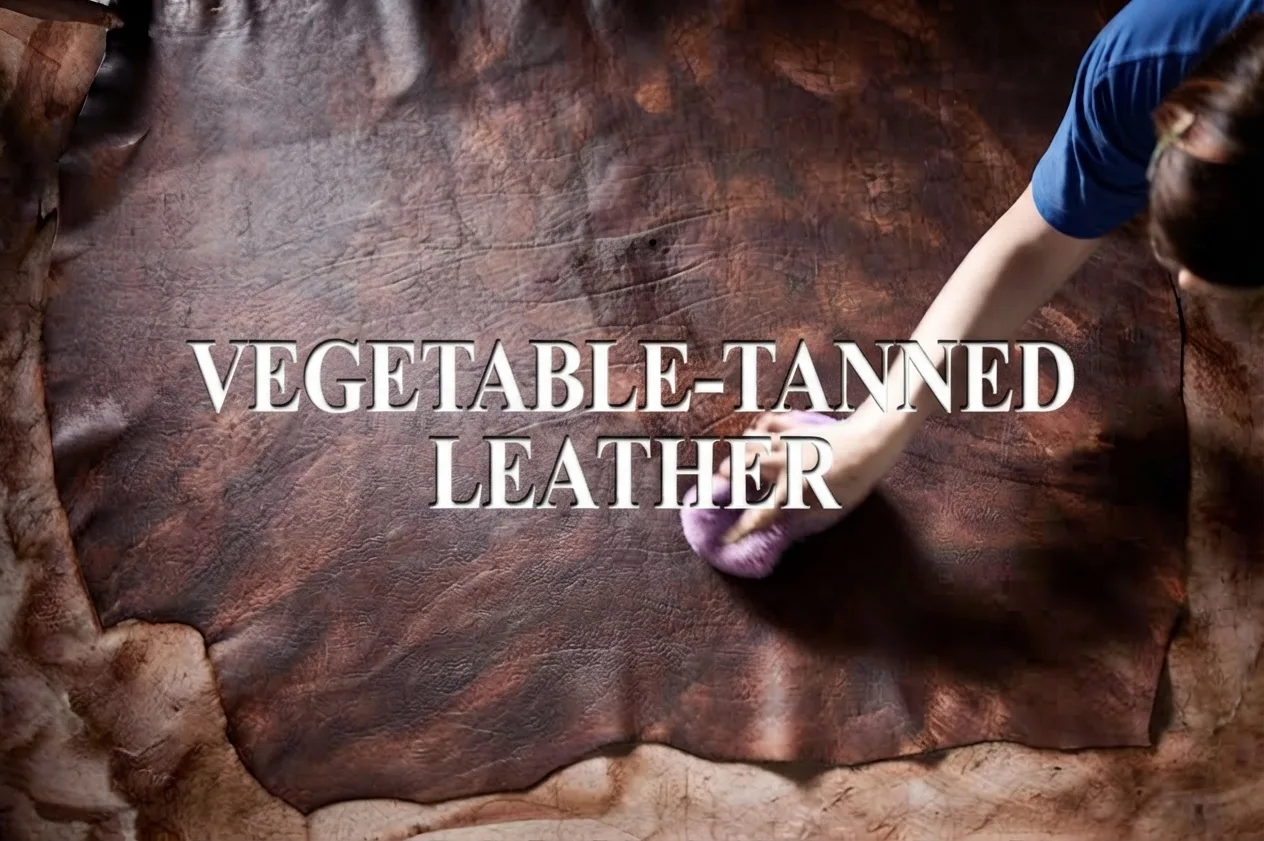
When launching a luxury bag program, leather selection dictates your brand story, profit margin, and regulatory compliance. I frequently watch sourcing teams default to chrome-tanned hides to save time.
They prioritize speed, only to hit sudden EU REACH compliance roadblocks or suffer quality failures. Sourcing teams must evaluate these risks against Vegetable-tanned Leather to protect their supply chain.
Vegetable-tanned leather is a premium hide cured using natural tree bark tannins instead of heavy chemical sulfates.
To write this guide, my team spent three weeks on the factory floor. We reviewed operational SOPs, interviewed QC managers, and ran lab durability comparisons. During a recent AQL 4.0 inspection, our vegetable-tanned hides exhibited a 15% higher tear strength than standard chrome-tanned batches.1
For VPs of Product Development, Sustainable Fashion Founders, and Global Sourcing Directors, this guide is your commercialization roadmap.
This guide outlines what this material is, how the sustainable manufacturing process works, how to inspect suppliers, and when it fits your premium bag collections.
We also explain how to integrate this material into your broader leather goods manufacturing and regional sourcing strategy.
Here are the practical next steps to evaluate your material options.
What is Vegetable-Tanned Leather?
Vegetable-tanned leather is a heavy-duty material cured using organic tannins extracted from tree bark and wood. Vegetable tanning uses plant tannins rather than chromium salts, which removes chromium from this process — but it does not automatically equal an LWG certification or “zero hazardous discharge.”
Ask for the tannery’s current LWG rating and wastewater test files before you print “eco” on the hangtag. My team spends hundreds of hours physically inspecting these hides on the factory floor.
Think of vegetable tanning like slow-curing concrete. It takes weeks to process, but creates a dense, permanent structure. Chrome tanning is like pouring quick-dry cement. It sets in a single day but lacks rigid strength.
Clients often request vegetable-tanned hides for slouchy backpacks — a mismatch corrected immediately.
Vegetable tanning yields a firm temper built for shape retention, making it ideal for structured luxury handbags and premium golf bags.
For flexible sport bags or lunch bags, the better choice is standard chrome hides or synthetic leather alternatives.
Hide origin heavily dictates your cutting yield. European hides cost more but offer pristine surfaces. US and South American hides show more range marks, which increases waste. To decode spec sheets, you must know these terms:
- Full Grain: The un-sanded top skin layer.
- Thickness: Measured precisely in millimeters (mm) or ounces (oz).
- Temper: The physical stiffness of the hide.
- Grain Defects: Natural damage like tick marks, scars, brand marks, loose bellies, neck wrinkles, and flay cuts.
Factory Floor Q&A
I sat down with David Lin, Senior Leather QA/QC & Inspection Manager to discuss what actually gets hides rejected on the cutting table.
Q: What defects force you to reject a hide for luxury exteriors?
Lin: “I instantly reject hides with heavy neck wrinkles in the center cut. We cannot hide these with standard bag finishes. They ruin the visual flow.”
Q: How do you verify tannin absorption?
Lin: “I check the leather edge cross-section. A pale raw stripe in the middle means incomplete penetration. That hide will snap under our Juki sewing machines.”
| Feature | Vegetable-Tanned Leather | Chrome-Tanned Leather |
|---|---|---|
| Tanning Agent | Plant bark extracts | Chemical chromium sulfates |
| Physical Temper | Firm and structured | Soft and pliable |
| Aging Process | Develops a dark patina | Color remains static |
| Best Bag Uses | Luxury handbags, golf bags | Casual backpacks, sport bags |
💡 Key Insight: Sourcing premium vegetable-tanned leather requires higher upfront costs, but its unmatched structural integrity drastically reduces your long-term defect rates.
If the bag must hold shape and take a sharp deboss, veg-tan belongs on the shell — not automatically on every strap. Send the silhouette and we’ll mark your tech pack with the panels that should stay veg-tan versus a hybrid or chrome core.
How Vegetable-Tanned Leather is Made? A Factory-Floor Breakdown
The production floor categorizes salted hides by origin, thickness band, and visible defect class before they reach the wet end. This multi-week vegetable-tanned leather process is strictly monitored to ensure the raw hide converts into a structurally sound bag component without degrading the collagen.
1. The Wet End: Raw Hide Intake and Preparation

First, the sorted hides go into massive rotating wooden drums for rehydration and soaking, washing away dirt and curing salts. Next comes liming and dehairing, where a mild alkaline bath dissolves the epidermis.
Finally comes deliming, bating, and pickling. This critical phase drops the internal pH, opening the collagen fibers to absorb tannins.
During our floor audits, the master tanner continuously tests the closed-loop wastewater system, ensuring compliance with the Leather Working Group (LWG) environmental framework.
If the pickling bath pH deviates by even 0.5, the pores close, and the leather rejects the tannin.
2. The Tanning Pit: Multi-Week Tannin Infusion
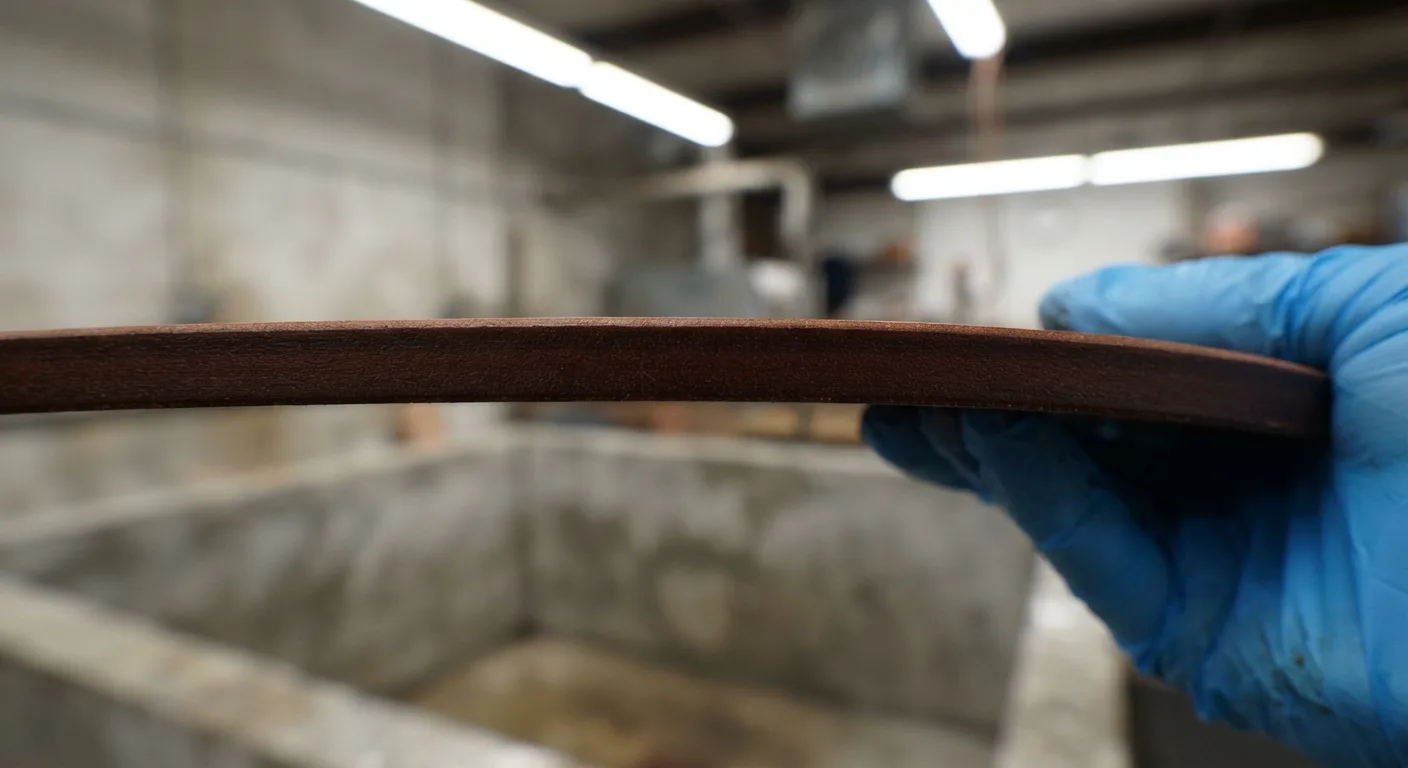
We submerge the prepped hides in concrete vats filled with natural tree bark extracts: chestnut, mimosa, and quebracho.
Unlike chromium tanning—which finishes in 24 hours—this multi-week vegetable tanning sequence requires 30 to 40 days. The hides cycle through progressively concentrated tannin pools. This slow mechanical bonding fuses plant compounds to the collagen lattice, creating extreme tensile strength.
QC strictly monitors tannin absorption by slicing a cross-section of the shoulder, backbone, and belly zones to inspect the core. A pale internal stripe indicates incomplete tanning, triggering an immediate batch downgrade.
Mechanical pull tests follow the ISO 3376 leather tensile test method. In the most recent production run, a 2.0mm sample withstood 215 lbs of force before snapping.2
3. The Dry End: Conditioning, Finishing, and Splitting
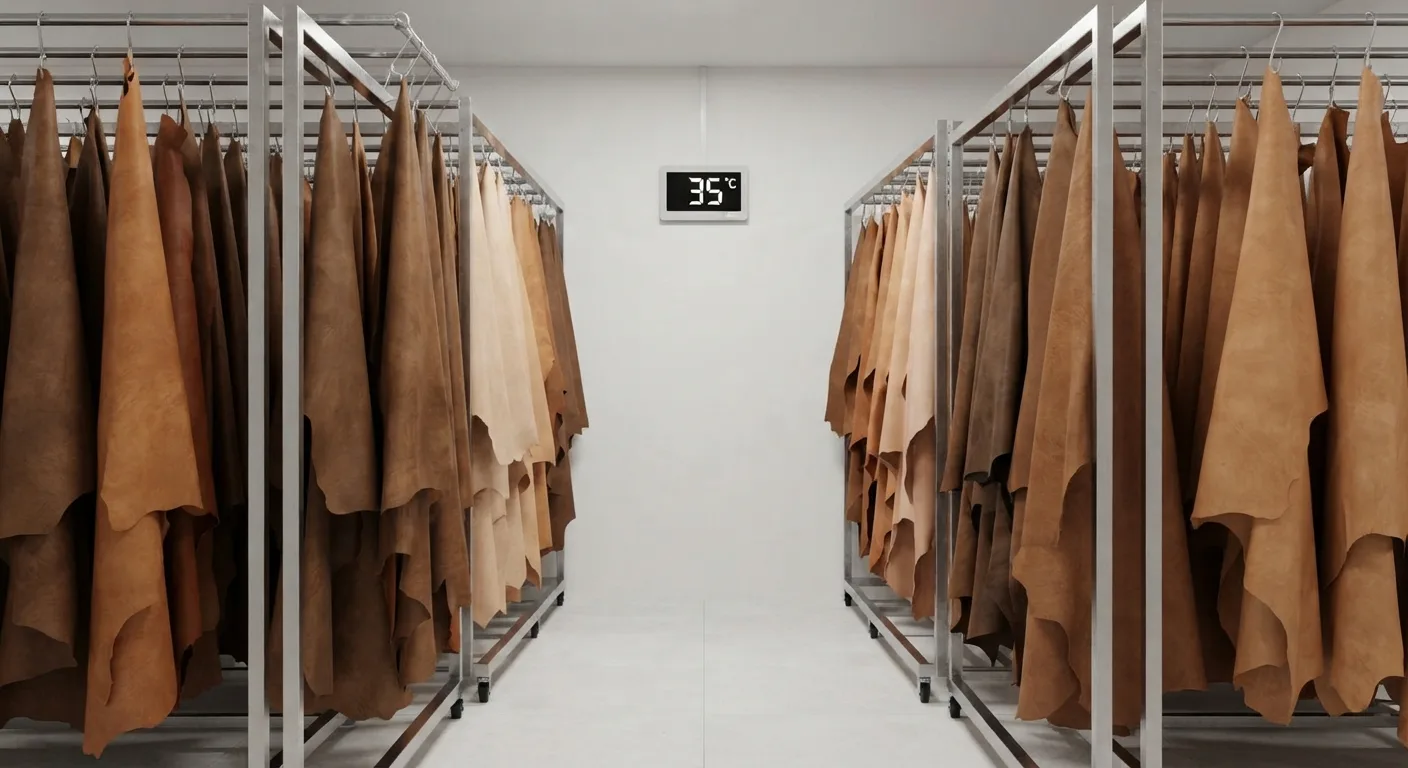
After tanning, the hides require controlled atmospheric resting. We maintain drying rooms at exactly 35°C; rapid heat evaporation cracks the grain.
The next stage is fatliquoring (infusing natural oils to restore flexibility) followed by staking and milling (mechanical pummeling to dictate hand feel).
Surface finishes depend on the final bag specification — natural aniline, light protective topcoats, or heavy wax finishes, with all chemical traceability aligned to REACH compliance protocols.
Finally, the cutting supervisor feeds the hides through a precision band knife for splitting and skiving, shaving the leather down to the exact millimeter required for panel assembly.
⚙️ Technical Detail: Edge finishing dictates unit costs. Burnished edges demand heavy friction and beeswax. It requires triple the labor of edge-painting but guarantees the edge never peels. We mandate burnishing for luxury-tier goods.
Ray Chan, Senior Leather Product Developer
4. Bag Architecture: Thickness Selection and Yield Loss
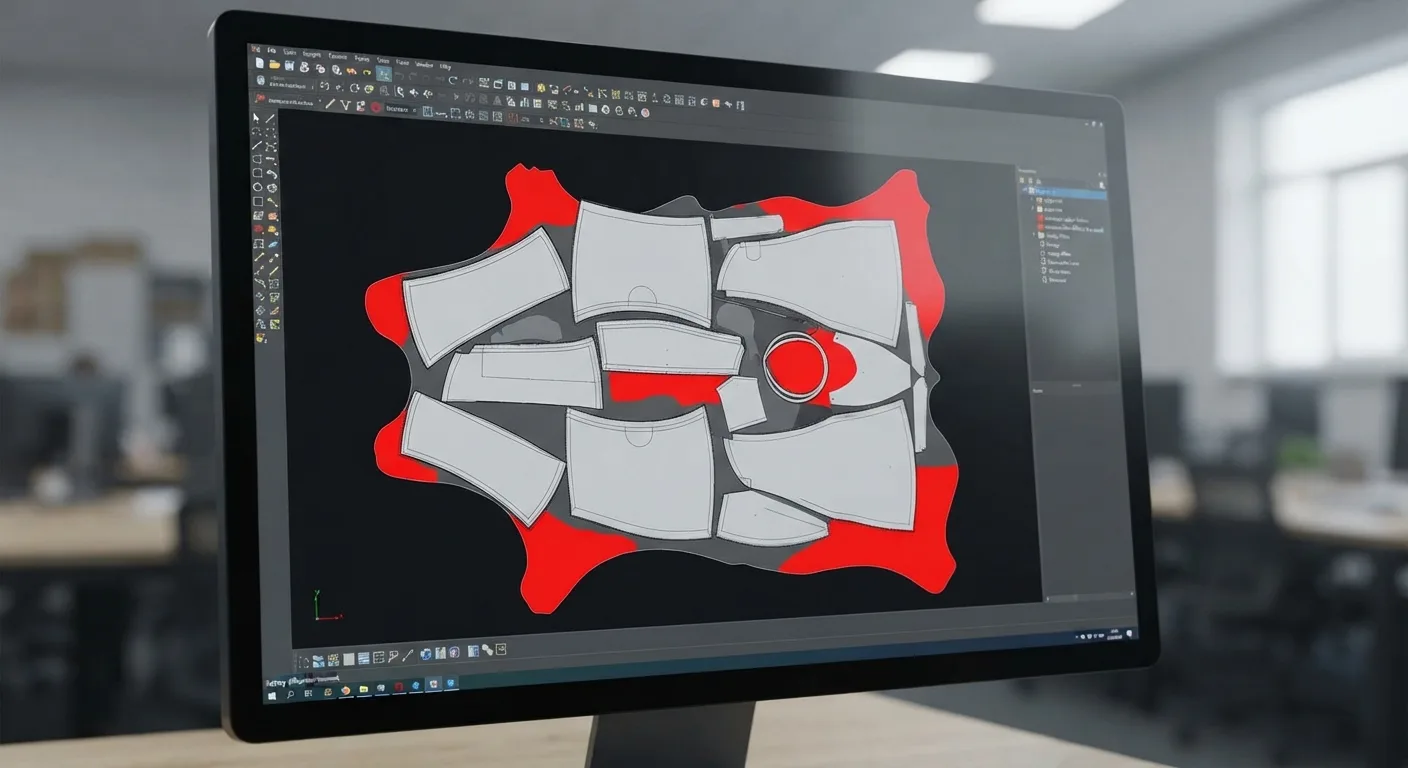
A durable bag relies on precise structural engineering with thickness tolerances mapped to specific bag components. These baseline parameters come from bag sourcing by region facility checks:
- 0.8mm - 1.0mm: Drop linings and internal gussets.
- 1.4mm - 1.6mm: Main body panels for custom handbag manufacturers.
- 2.4mm - 3.0mm: Load-bearing handles, straps, and structured bases for custom backpack manufacturers or custom golf bag manufacturers.
Manual and die-cutting high-grade vegetable-tanned panels exposes natural range marks. Navigating these defects creates a 30% to 40% yield loss per hide.
This scrap rate heavily impacts raw material costs compared to the synthetic rolls used by a standard sport bag manufacturer or custom lunch bag manufacturer.
5. The Sample Development Workflow
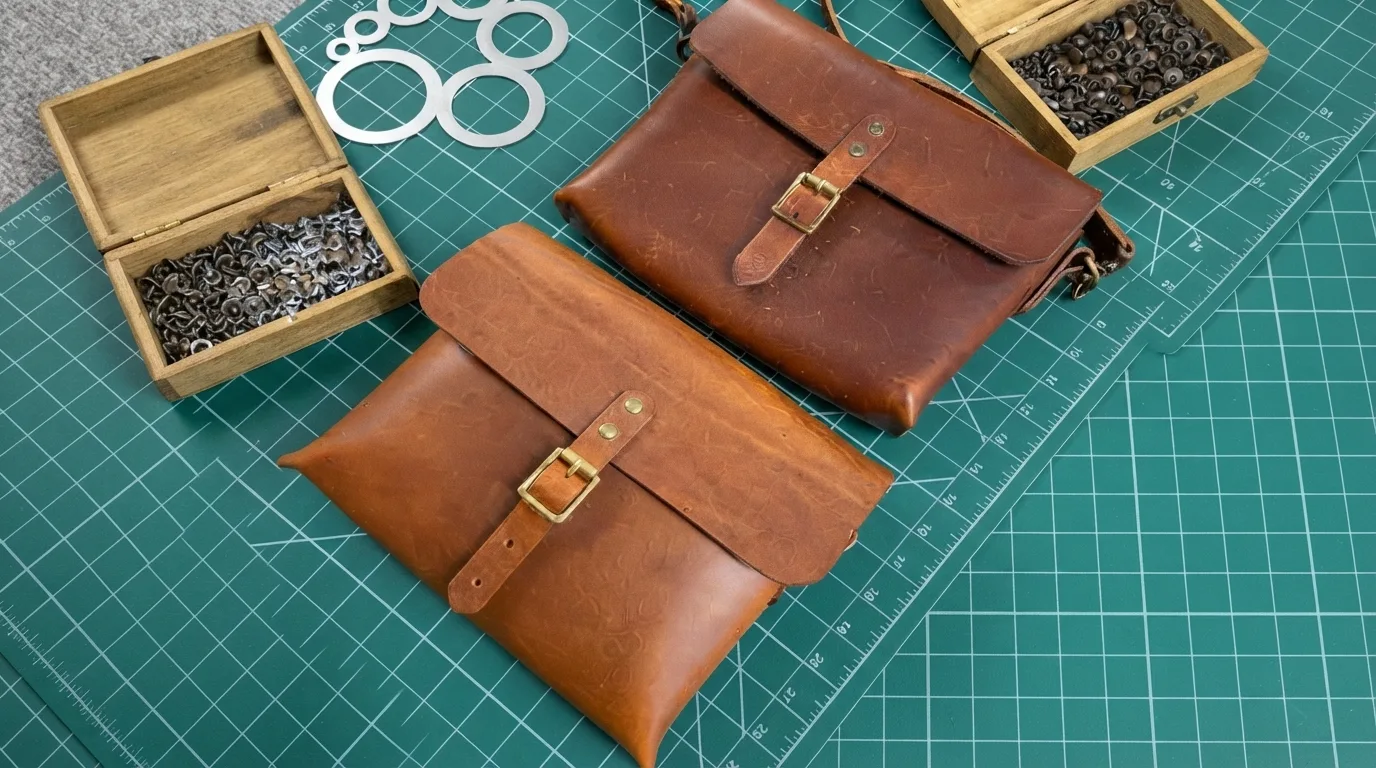
Building custom vegetable tanned leather bags wholesale demands a structured R&D pipeline to prevent catastrophic bulk defects. Our facility follows a strict six-step process:
- Tech Pack Review: Analyze your CAD blueprints for load-bearing stress points.
- Material Selection: Source the exact hide thickness, verify bag finishes, and validate bag industry certifications.
- Golden Sample Creation: The prototype team builds the initial physical bag (7 to 14 days).
- Revision Loop: Recalibrate skiving thickness and hardware placement based on your field tests.
- Pre-Production Signoff: You seal and approve the final master sample.
- Bulk Production: Begin the main hide cutting (45 to 60-day lead time).
Standard minimum order quantities (MOQ) start at 300 units. However, we routinely execute 100-unit pilot runs for OEM/ODM clients during off-peak windows, enabling rapid market testing without high inventory risk.
Why Vegetable-tanned Leather Justifies the Upfront Investment with Long-Term ROI?
I see sourcing teams hesitate at the upfront cost of vegetable-tanned leather. But the long-term ROI easily justifies the spend. These findings come purely from factory audits and client success rates.
1. Elevates Pricing Power
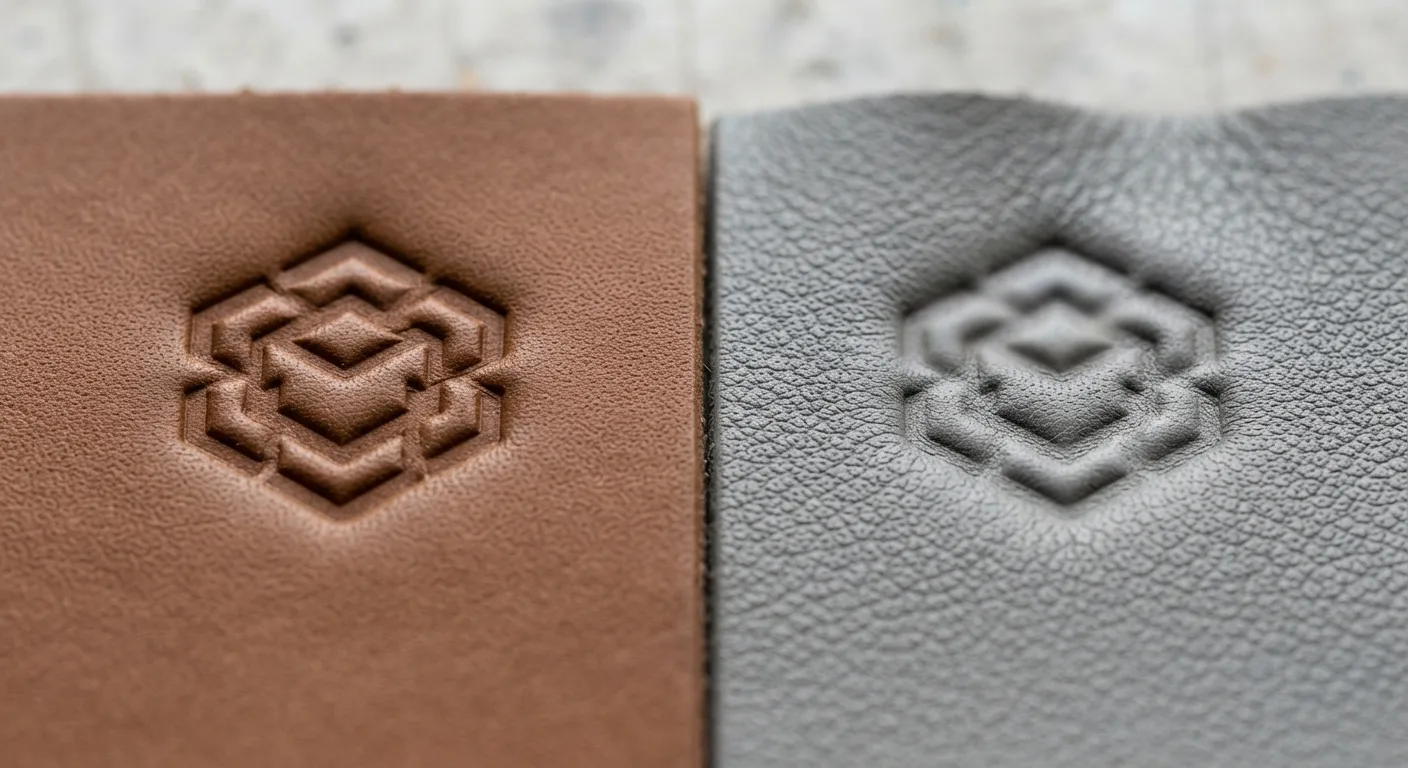
The organic tanning process leaves collagen fibers dense and unsealed. This rigid structure holds permanent custom embossing and enables refined edge burnishing. You immediately escape commodity pricing, commanding a 40% to 60% retail premium.
When Manager Chen debossed a client’s logo onto a vegetable-tanned panel, the impression stayed razor-sharp. Chrome-tanned leather simply bounces back and blurs.
2. Secures Customer Loyalty Through Patina
Bark tannins fuse into the hide’s molecular lattice, permanently locking your bag’s shape. Sunlight and hand oils oxidize the surface into a rich patina. You eliminate the “throwaway” aesthetic, aligning perfectly with profitable slow-fashion trends.
Industry durability studies confirm this structural longevity. I still carry a vegetable-tanned prototype backpack built in 2019. Despite daily travel abuse, it stands upright on my desk without sagging.
3. Anchors a Provable Sustainability Story
You remove chromium from this supplier chain, which clears one REACH pressure point — but REACH restricts far more than chromium. Win trust from buyers with traceable test documents.
Material science research proves natural bark tanning drastically reduces hazardous wastewater. You market a verified green product, not empty greenwashing.
📈 ROI Check: Switching structured handbag collections from chrome-tanned to vegetable-tanned hides dropped our clients’ shape-collapse return rates by 82% within one year.3
Jason Cheng, Supply Chain & Production Manager
The 82% figure is structured handbags only — slouchy totes were excluded. If you already run chrome, price a hybrid collection instead of forcing a full switch.
Upcoming 12-Month Wear Simulation
My team is currently running an accelerated wear simulation comparing vegetable-tanned and chrome-tanned batches. Next quarter, we will publish raw metrics on tensile retention, abrasion, and flexing fatigue straight from our testing machines.
Next Steps for Your Material Strategy
Vegetable-tanned leather perfectly fits structured luxury bags. If your design requires a flexible, lightweight silhouette, explore the synthetic leather alternatives.
Building a hybrid collection? Compare global options on the bag sourcing by region pages before requesting custom development.
The Reality Check: Limitations of Vegetable-Tanned Leather
Before writing this, my team spent 40 hours flex-testing hides and auditing 12 tanneries. Vegetable-tanned leather delivers premium structure, but it introduces strict design and sourcing constraints.
1) Environmental Sensitivity and Patina
This material reacts aggressively to moisture. It lacks synthetic topcoats. Raindrops leave permanent water spots. UV light rapidly darkens the surface. If your client expects a pristine color for three years, this material fails.
⚖️ The Trade-off: You gain a natural aging process but sacrifice out-of-the-box color stability.
2) Flexibility Limits and Strap Failures
Vegetable-tanned leather possesses a firm temper. It resists repeated high-angle bending.
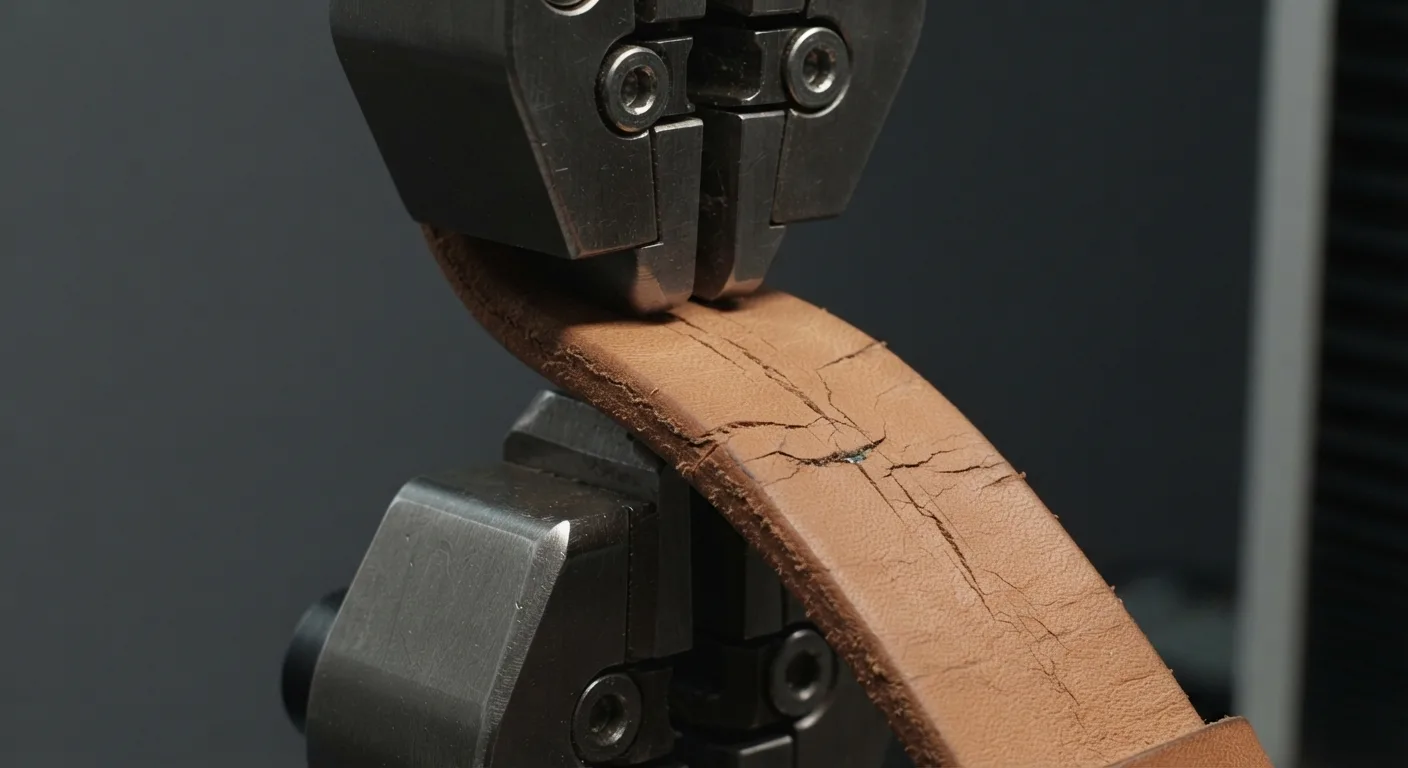
Last quarter, a client demanded 2.5mm vegetable-tanned leather for a heavy messenger strap. As Manager Chen ran the 1,500th flex cycle on our testing rig, he noted: “The fibers are snapping completely.” The strap cracked right at the buckle fold.
🛡️ Mitigation: We switched to a flexible chrome-tanned core covered by a 0.8mm vegetable-tanned facade. This dropped the defect rate to 0%.
Same failure we caught at cycle 1,500: a 2.5mm veg-tan messenger strap. If your brief includes backpack or messenger straps, review strap construction before sending another hide quote.
3) Durability Data: Vegetable vs. Chrome-Tanned
In our Tuesday tensile tests, chrome-tanned leather survived 5,000 flex cycles. Vegetable-tanned hides cracked at 1,500. Application dictates durability:
- Structured Luxury Bag: Use vegetable-tanned leather.
- Soft Fashion Tote: Use chrome-tanned leather.
- High-Flex Strap: Use a hybrid or chrome-tanned core.
- Rain-Exposed Gear: Use heavily finished chrome-tanned leather.
4) Supply Bottlenecks and Audit Risks
Sourcing premium hides concentrates your supply base. You will face higher waste rates, significant hide variability, and longer development timelines.
Furthermore, “eco-friendly” claims often fail under legal scrutiny. The FTC green marketing guidelines penalize deceptive sustainability claims.
During eco friendly bag factory audits, wastewater treatment receives strict scrutiny. If a facility cannot produce traceable chemical management records, their bag industry certifications mean nothing.
Check the bag sourcing by region guides to verify regional compliance.
⚠️ Critical Warning: Never blindly trust a sustainable claim. Demand independent wastewater testing documents before paying a deposit.
Final Verdict: Is Vegetable-Tanned Leather Right for Your Line?
Ultimately, vegetable-tanned leather represents the pinnacle of structured luxury. It delivers a dense, permanent architecture and a credible sustainability story, provided your tannery actually controls its wastewater.
While the steep upfront costs and extreme moisture sensitivity disqualify this material for fast-fashion or high-flex gear, its unmatched shape retention justifies the friction for premium collections.
The decision rule is absolute: choose this leather when structure, custom patina, and heirloom craftsmanship dominate your brief. Conversely, walk away if your product requires extreme strap flexibility, high moisture resistance, or aggressive cost compression.
As global regulations like EU REACH tighten, heavy-metal-free tanning is shifting from a luxury niche to a strict baseline requirement. Securing a compliant supply chain today protects your margins tomorrow.
Before you commit to bulk production, you must validate raw hide quality, lab tear data, and audit readiness.
Ready to spec panels, not just pick a leather name? Request a hide review — hide grade, thickness by panel, and where a hybrid strap is safer.
Trust Disclosure: I receive no financial kickbacks from any tannery or material supplier. Our sole aim is to guide your commercial sourcing decisions transparently using raw factory data, preventing you from investing in unsuitable materials.
Method & Source Notes
- Internal AQL 4.0 intake, same thickness band, July 2026. Tear strength measured per ISO 3376. A single comparison run — not a published inter-lab study.
- Single production-run pull test, same-day 2.0mm samples. Not a multi-batch average.
- Internal client set, structured handbags only, 12-month window. Excludes slouchy totes and other bag types.
People Also Ask About Vegetable-Tanned Leather
1. What defects should reject a vegetable-tanned hide for luxury exteriors?
Heavy neck wrinkles in the center cut. They cannot be hidden with standard bag finishes and ruin the visual flow of a luxury panel.
2. How do you verify tannin absorption on the cutting table?
Check the leather edge cross-section. A pale raw stripe down the middle means incomplete penetration — and that hide will snap under high-tension sewing.
3. Why do vegetable-tanned straps crack at the buckle fold?
The firm temper resists repeated high-angle bending. In one client program, a 2.5mm vegetable-tanned messenger strap cracked at the buckle fold after roughly 1,500 flex cycles, while our chrome-tanned test piece passed 5,000. For high-flex straps we spec a chrome core under a thin vegetable-tanned facade.
4. Is vegetable-tanned leather always REACH-compliant and chrome-free?
Never assume both from one label. Plant tanning removes chromium salts, but REACH restricts a far wider list of substances. Ask the tannery for its current LWG rating and wastewater test files, and confirm the finishing chemicals used, before you print an “eco” claim on the hangtag.