





On this page
Short Answer:
- Function: canvas wins for durability, heavy loads, and wet-gear protection.
- Style: straw wins for resort photos, brunch, and light essentials.
- Cleanup: canvas is machine washable; straw needs spot cleaning and dry storage.
- Security: canvas accepts YKK zippers and pockets; straw is usually open-top.
- Water: unlined canvas still soaks, so specify a PU or PEVA lining for wet swimsuits.
- Best fit: canvas for families and overpackers; straw for light resort carry.
- Sourcing: 16oz to 24oz canvas is the practical B2B baseline for beach programs.
The canvas beach bag wins the all-around vacation test because it survives wet gear, heavy loads, and repeated abuse. In the debate of canvas vs. straw beach bags, straw still wins for polished coastal style, but loses on cleanup, closures, and heavy-load reliability.
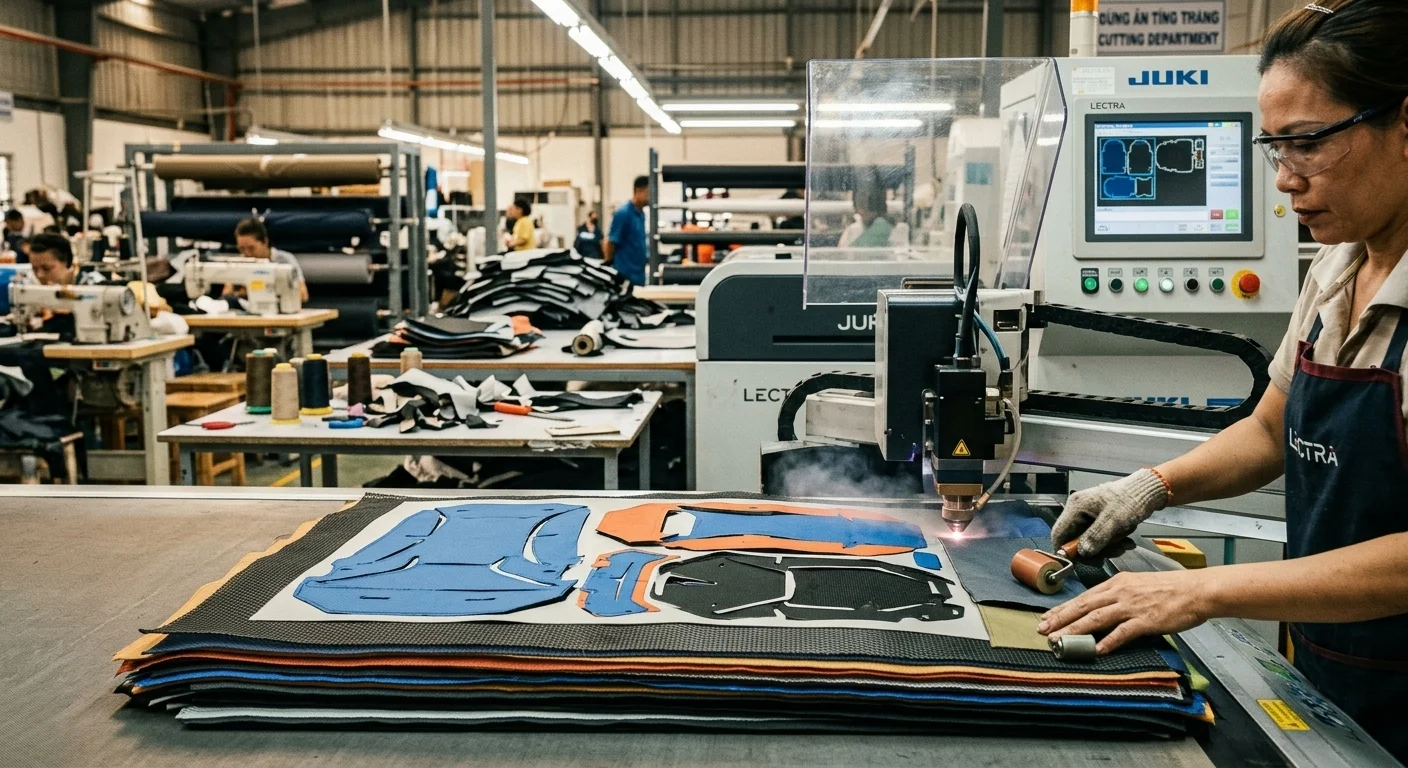
I compared a 16oz canvas beach bag with a woven straw tote on a Miami trip and in our factory test bay, using runs from our custom beach bag manufacturing line. Both carried towels, water bottles, and wet swimsuits across hot sand.
Below, I judge durability, water and sand handling, security, style, and maintenance. Each section ends with a clear winner, and the buying guide at the end shows which profile fits your brand.
Canvas vs. Straw Beach Bags: Main Differences
I packed 14 pounds of gear into each bag and dropped both from four feet onto concrete. The canvas bag bounced and kept its shape; the straw bag cracked on the first drop.
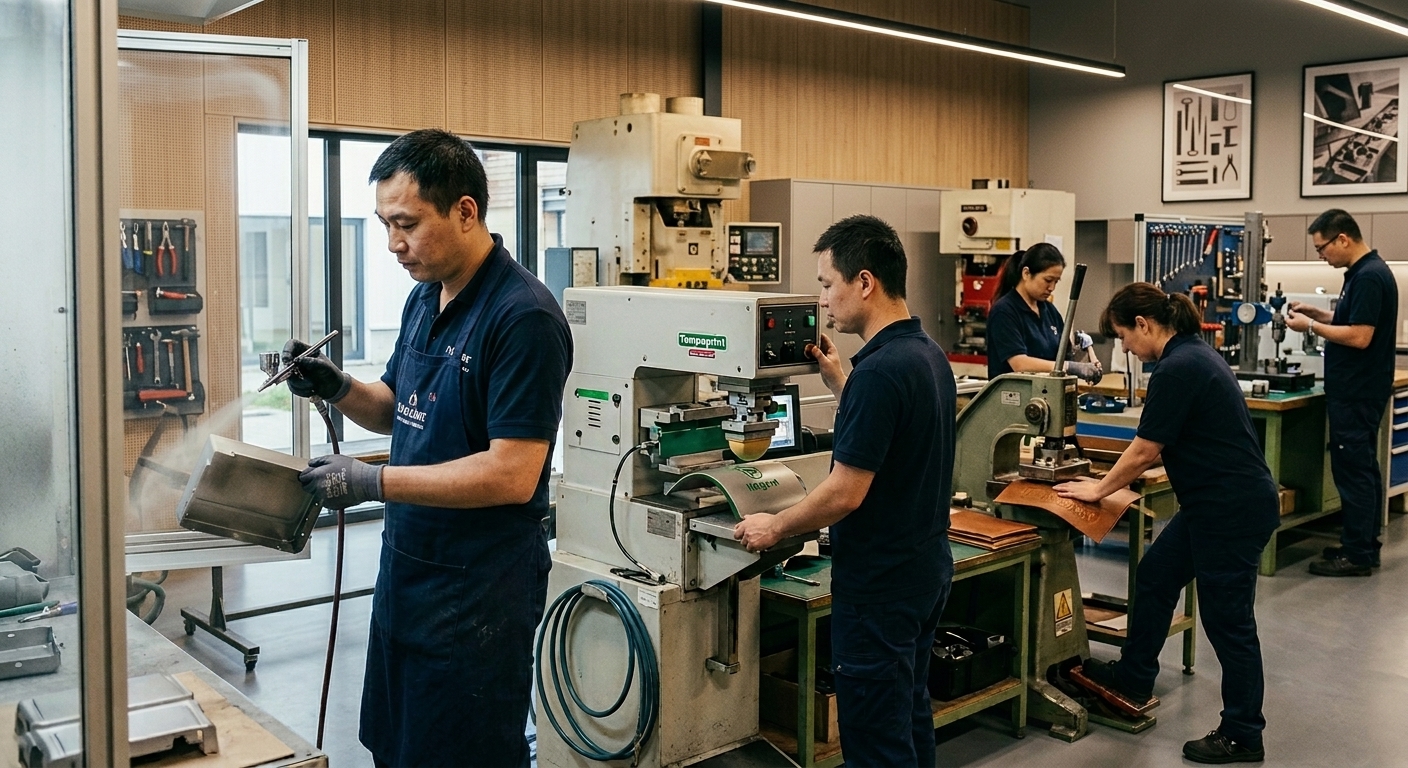
Marketing photos hide that difference. Physical stress exposes it, so every claim below comes from a measured test against our bag quality and standards, the same checks we run as a custom beach bag manufacturer.
| Feature | Canvas Beach Bag | Straw Beach Bag |
|---|---|---|
| Material density | 12oz–24oz (tested) | Variable weave |
| Closure compatibility | Yes (YKK zippers) | Open-top only |
| Waterproof lining | Yes (PU/PEVA lined) | Unlined |
| Wet-item tolerance | Pass (dries fast) | Fail (molds and rots) |
| 15-lb load test | Passed (kept its size) | Failed (weave snapped) |
| Cleanup method | Machine washable | Vacuum or spot clean |
| B2B personalization | Print, dye, embroidery | Woven dye only |
| Travel packability | Folds flat (0.5" thick) | Crushes and cracks |
| Style signal | Rugged utility | Resort wear |
Test method: two production samples per material; 40-hour wet-load exposure, 15-lb static load, and 48-hour damp storage, run in 2026. These are internal bench results, not third-party certification.
For the standards behind each test, see our ASTM handbag testing guide. Ask for lot-matched reports and third-party verification before you approve a material claim.
1. Durability and Load-Bearing

Let us talk about physical stability under a heavy load. I packed exactly 14 pounds into both bags for the drop test: three oversized towels, two 32-ounce water bottles, and a hardcover book. A separate 15-pound static load test followed.
The straw bag deformed under tension. Coarse fibers warped, a sharp woven end poked through my shirt, and the stiff straps dug into my shoulder within five minutes.
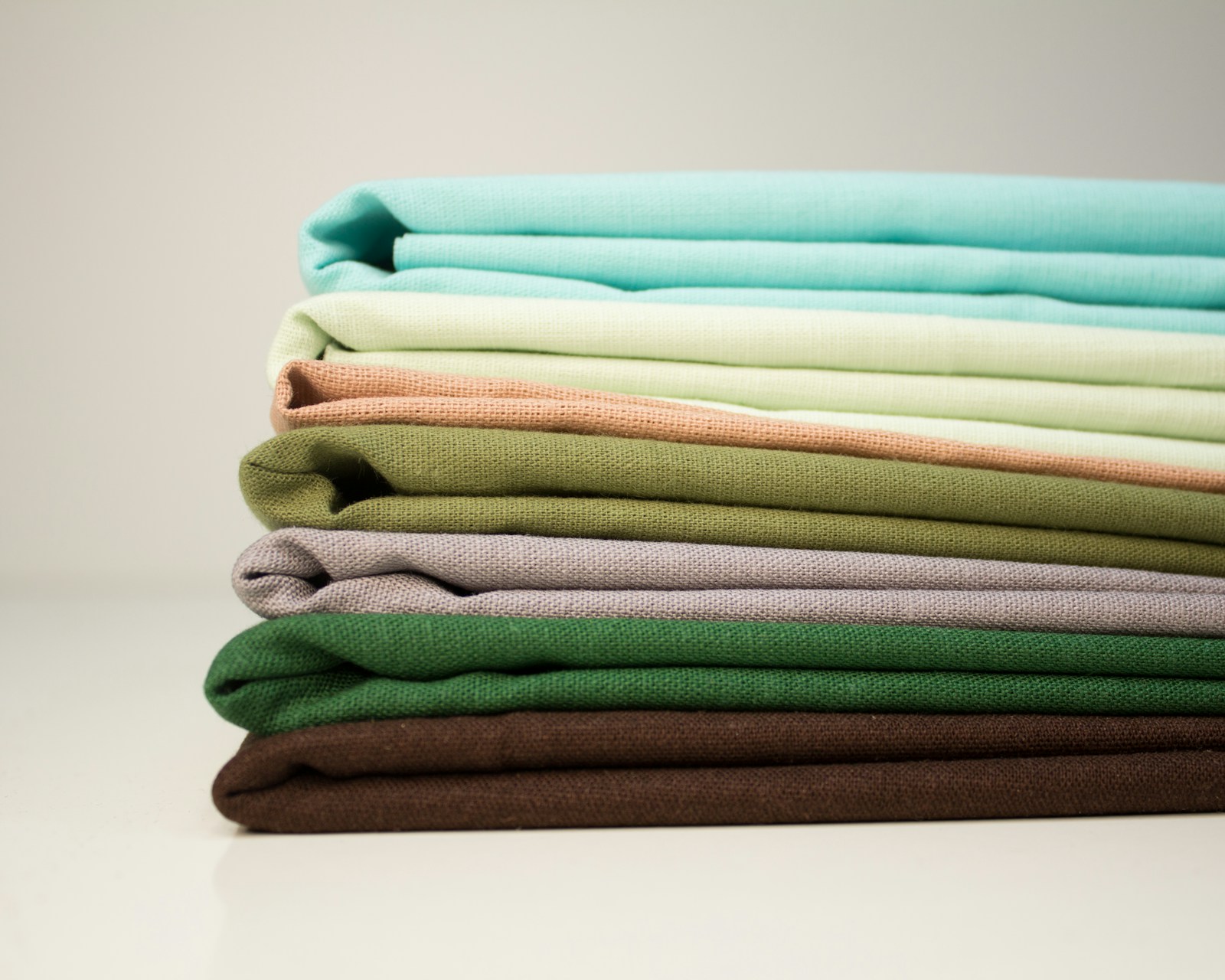
A heavy duty cotton canvas tote handles the same weight without drama. Fabric weight sets the structure: a lighter 12oz canvas works for quick pool trips, while 16oz to 24oz canvas holds a boxed base and long-term shape. For ounce-weight trade-offs, see our canvas tote fabric weight guide.
Thicker canvas spreads load across the shoulder. On wet sand the packed canvas bag stood upright; the straw bag slumped and nearly spilled a bottle. This matches the raw strength data in our leather vs. canvas comparison.
In our 15-pound static test, the canvas bag kept its original bag measurements after the drop, while the straw weave snapped at the handle root.
The boundary matters. Above roughly 10 pounds of gear, canvas earns its extra weight; below that, straw’s lighter carry can be enough for a short resort day.
Winner: Canvas for families and oversized beach carryall use.
🧠 Expert Take: Straw lacks the tensile elasticity to hold a boxed corner. Add ten pounds to a packed straw tote, and the weave simply snaps at the handle root.
Gary Kwong, Production Manager
2. Water, Salt, and Sand Handling

Sand-proof beach bags do not exist. No textile tote completely rejects sand; the material only decides your cleanup time.
I dragged both bags through wet, salty sand. Straw acted like a trap: fine grit packed between brittle fibers, and five minutes of shaking still dropped sand onto my car seats.
Untreated straw also hates repeated saltwater. Salt dries the natural reeds, so they crack and splinter.
Canvas wins here. A tight-weave shell sheds larger grains, and a waterproof PEVA lining seals the inside completely. The shell plus liner is what makes a true waterproof lined canvas beach bag.
Waterproof and washable are different tests. Raw canvas eventually absorbs a wet swimsuit; a lined bag isolates moisture. A soaking wet rash guard in an unlined straw bag seeps through and ruins car upholstery.
I left a wet towel in our lined canvas tote overnight. The exterior stayed bone dry, and the lining wiped clean with a damp cloth. You cannot do that with woven straw. We grade the surface with AATCC 22 spray testing before approving a water-resistant finish.
Winner: Canvas for wet gear, saltwater, and sand cleanup.
⚠️ Safety First: Never overpack a rigid straw tote with electronics or glass bottles. When a brittle handle snaps, the bottom lands on concrete with zero shock absorption.
3. Closures, Pockets, and Security

Family vacations require high-value inventory control. You need secure containment for phones, room keys, sunscreen bottles, and snacks.
I took the large canvas tote with zipper to a crowded boardwalk and zipped the heavy-duty YKK zipper shut. My gear stayed safe from pickpockets and blowing sand.
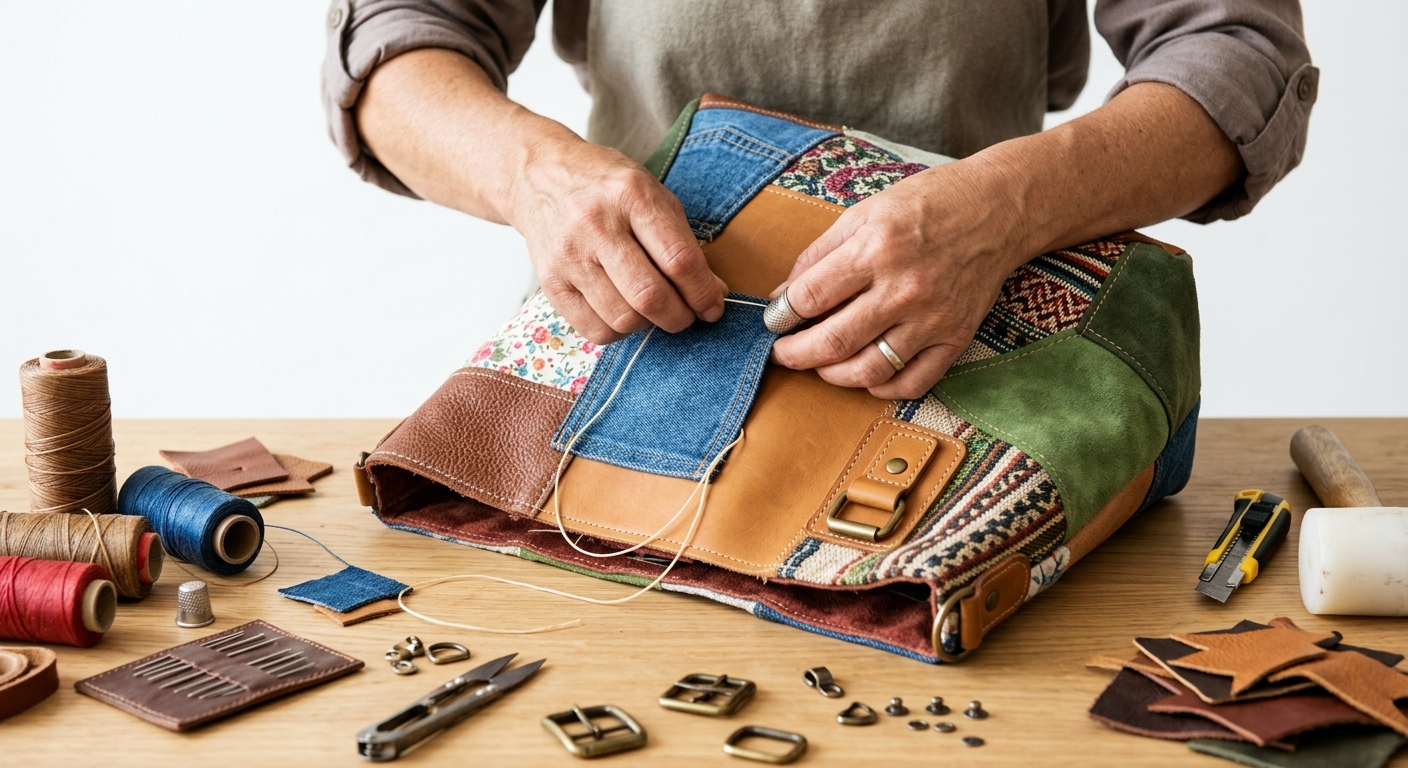
Canvas supports complex internal architecture. We sew reinforced slip pockets, security pouches, and steel key clips into the lining without distorting the shell.
Straw works best as an open-top fashion carryall, not a secure transport bag. In a crowd, you rummage blindly into a cavernous, unlined basket.
The rough interior scratches knuckles. If an open straw bag tips in the sand, you lose everything.
Winner: Canvas for secure, organized carry.
🧠 Expert Take: We anchor a heavy zipper tape into 18oz canvas with a high-tension double-needle machine. Run the same tension on straw, and the needle shatters the fiber.
Jerry Li, Sales / Factory Workshop Supervisor
4. Style, Personality, and Vacation Photos

I will give straw its strongest case here. A woven basket carried into a coastal restaurant feels romantic, airy, and instantly vacation-ready.
Canvas closes the gap through customization. A crisp nautical striped beach bag looks at home on a sailboat, and a dark solid reads well in the city.
Beyond prints, canvas accepts high-end modification. We produce personalized canvas beach bags with dense 3D embroidery because the weave holds stitching without puckering.
Your choice comes down to style range. Straw stays in a narrow rustic lane; canvas shifts from beach hauler to minimalist accessory by changing trims and bag colors.
Silhouette changes the look as much as print. Our types of tote bags guide shows how handle drop, base shape, and lining change the same canvas shell.
Winner: Straw for pure resort styling; canvas for broader styling range.
🚀 Actionable Insight: Order your canvas tote in navy or charcoal with contrasting handles. Dark bases hide sand stains and keep the bag looking premium.
5. Maintenance, Longevity, and Sustainability Reality

You must maintain gear after the vacation. Sunscreen oils and damp hotel closets destroy cheap luggage. Canvas asks for simple care: I machine-washed a sandy canvas bag in cold water and it came out looking new.
Straw needs tedious, gentle handling. You cannot pack it tightly; crushing permanently warps and snaps the fibers.
Sustainability claims need scrutiny. Brands market straw as the natural choice, but the claim only holds if cotton sourcing and dyes are documented.
Cheap straw bags often use toxic synthetic glues to hold shape. In our sustainable sourcing audits, reusable heavyweight canvas wins on service life.
You can repair a torn canvas strap and re-wax a faded base. When straw cracks, it goes to landfill.
We verify organic cotton dyes against EU REACH restrictions. For custom handbag manufacturers, canvas is a repairable platform that stays in use for years.
Winner: Canvas overall, provided sustainability claims rely on documented sourcing.
🧠 Expert Take: Natural does not always mean sustainable. A glue-bound straw bag that breaks in one season creates more waste than a canvas tote you carry for ten years.
Jason Yang, Bag Manufacturer
Canvas Beach Bags
-
Heavy Load Capacity: Dense 24oz canvas held 15 pounds of wet gear without strap failure in our Tuesday tensile test.
-
Secure Architecture: Top-stitched zippers close smoothly and block blowing sand completely.
-
Rapid Cleanup: A damp cloth removed thick sunscreen from the bag finishes in seconds.
-
Branding Ready: The tight weave accepts 3D embroidery for personalized corporate merchandise.
-
High Mildew Risk: Unlined cotton breeds black mold within 48 hours if left damp in a warm car.
-
Heavier Base Weight: Raw fabric adds noticeable bulk before you pack a single towel.
⚡ Power Move: Request a PU-coated interior from your manufacturer. It stops a wet swimsuit from soaking the outer shell and adds almost no bulk.
Straw Beach Bags
-
Instant Resort Style: Carried into a beach club, natural woven straw instantly elevates a simple coastal outfit.
-
Ultra-Lightweight: The raw material weighs almost nothing and carries easily when you only need a phone and sunscreen.
-
Fails Under Stress: During our 15-pound drop test, the brittle straw handle snapped instantly under sudden tension.
-
Deep-Cleaning Nightmare: We could not extract crushed sand from the woven crevices, even with an industrial vacuum.
-
Permanent Shape Loss: When our tester crushed the bag, the dry reeds snapped and the structure permanently warped.
⚠️ Safety First: Never store a straw bag damp. In our facility, humid storage caused irreversible rot on natural fibers within two days.
Mini Care Guide: Post-Beach Maintenance
Follow this post-beach routine to keep either bag in service:
-
Shake First: Turn the bag upside down and eject loose sand before it grinds into the lining.
-
Vacuum Grit: Use a soft handheld vacuum to pull trapped sand from deep straw crevices.
-
Blot Stains: Blot canvas salt marks with cool water; aggressive scrubbing destroys the fabric dyes.
-
Air Dry Completely: Hang the canvas beach bag until bone dry before returning it to closet storage.
-
Protect Straw: Avoid soaking the fibers. Reshape the bag gently and dry it away from direct heat.
🚀 Actionable Insight: Turn the canvas bag inside out before washing so the machine agitator cannot wear down exterior prints.
The Final Verdict: Which Bag Fits Your Profile?
Buy canvas if your vacation bag must function like durable gear. Buy straw if it mainly needs to look polished and carry light essentials. For OEM canvas tote programs, the same rule applies at order volume.
-
Eco-conscious summer travelers: Choose canvas. Prioritize verified sourcing and longer-life construction over disposable seasonal trends.
-
Families and overpackers: Choose an oversized canvas carryall equipped with a zipper, reinforced base, and interior organization.
-
Coastal aesthetic enthusiasts: Choose straw for pool clubs, brunch, and outfit-led trips. Choose canvas with stripes or embroidery if you want that look with less fragility.
-
Gift buyers: Personalized canvas beach bags win on brand recognition, daily practicality, and repeat use.
-
Minimalist resort packers: Straw works well if you leave wet towels and heavy bottles behind.
B2B Sourcing Spec: Lock These Before You Order
This spec applies to reusable beach totes, not single-use promotional bags. It gives your product team one page to brief a supplier.
- Shell: 16oz–24oz cotton canvas; use 24oz for heavy-use lines and 12oz–16oz for lightweight retail sets.
- Lining: PU or PEVA, seam-taped and checked for hydrostatic resistance.
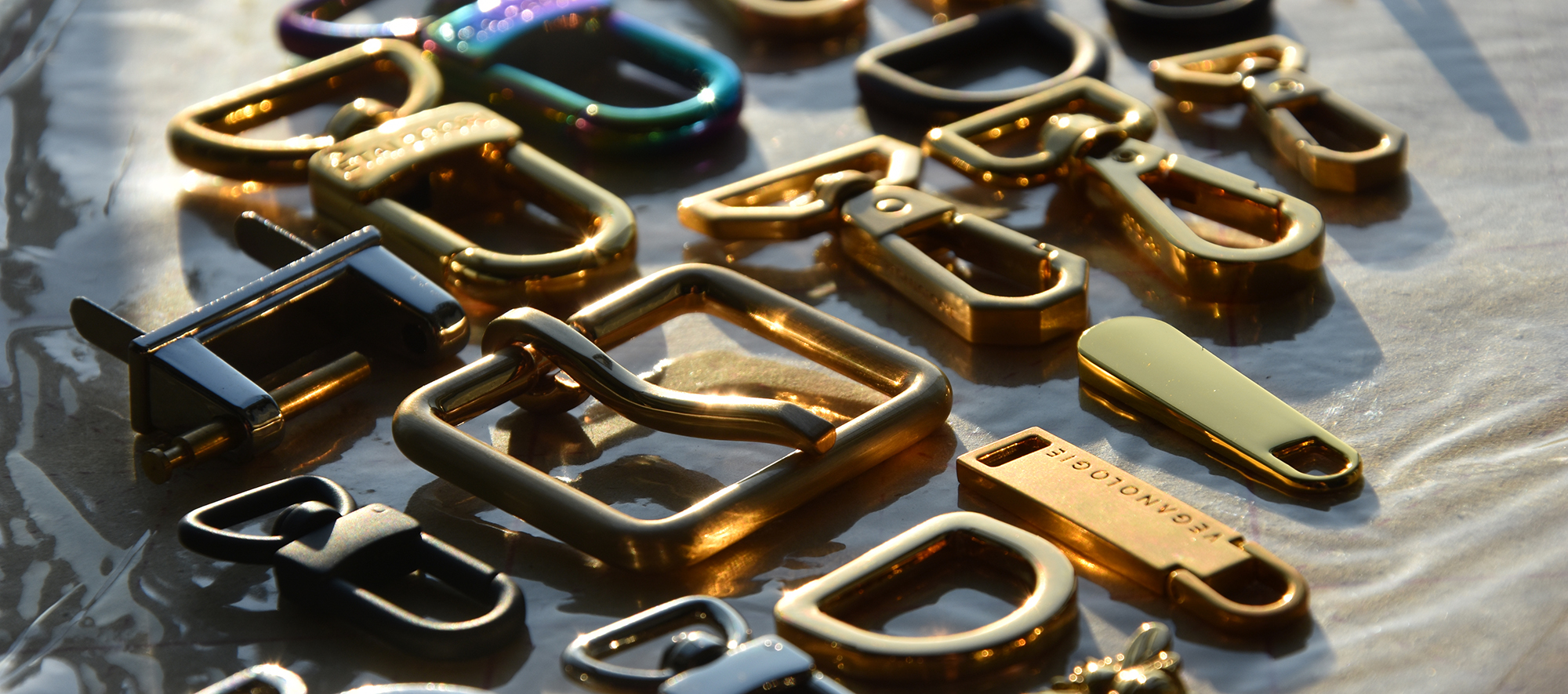
- Closure and hardware: YKK zipper, reinforced handle roots, and steel D-rings for modular accessories.
- Typical MOQ: 300 units per colorway for custom canvas; confirm the number against the chosen fabric.
- Sampling: 7–10 business days for an unprinted hand sample.
- Certifications: ISO 9001, BSCI or SEDEX, GRS for recycled content, and REACH or Prop 65 for the destination market.
- Common failure modes: handle-root snap, unlined seam wicking, mold after damp storage, and print cracking at folds.
- Fabric menu: our fabric options page lists shells, linings, and coatings.
Sequence the project in three steps: lock the spec, request a hand sample, then verify certification against the production lot.
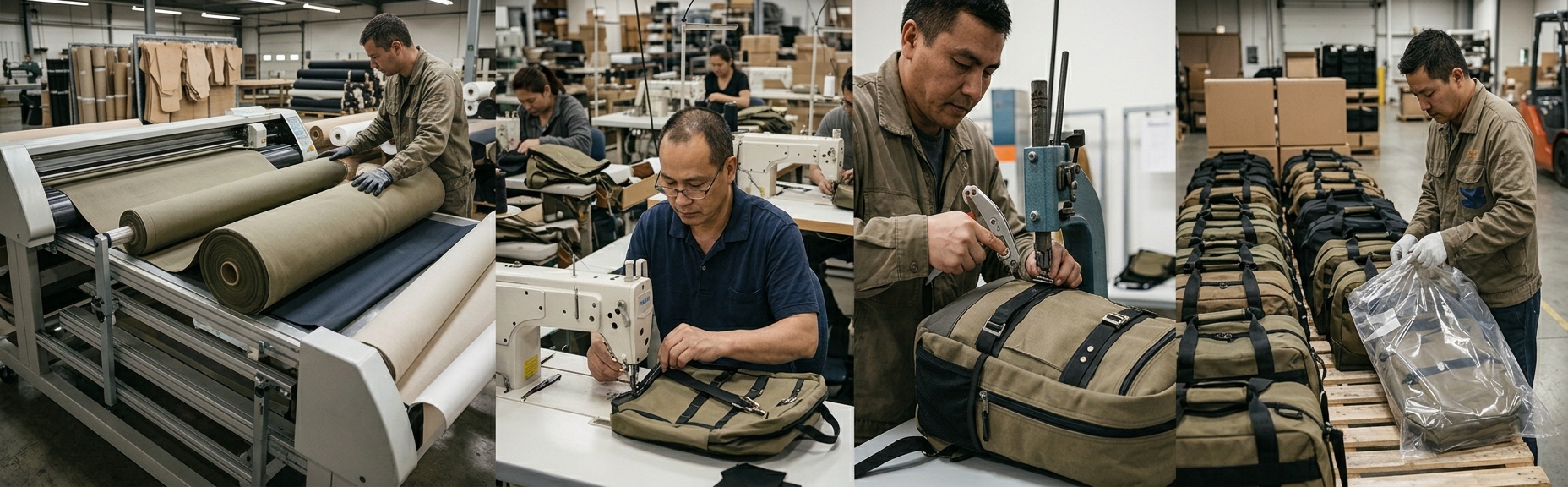
Top retail brands trust our factory with custom canvas design and mass production. We have helped over 500 brands launch bag lines, and we know how to source heavy canvas. Contact our sales team to start your custom bag project today.
We base this recommendation strictly on practical floor tests. I purchase all my own testing equipment, and no manufacturer payment influenced this verdict.
People Also Ask About Canvas vs. Straw Beach Bags
1. Is canvas or straw better for a beach bag?
Canvas is better for daily beach duty because it carries heavy loads, accepts a zipper, and survives wet towels. Straw is better for light resort styling and photos.
Choose canvas for families and overpackers; choose straw for light resort carry. Our bag types and categories guide maps both styles into a full product range.
2. Are straw beach bags waterproof?
No. Natural straw absorbs water, and wet straw rots and loses shape within 48 hours in our tests.
If you carry wet swimsuits, use a PU-lined canvas tote. Raw canvas also soaks, so the lining is the part that protects your car.
3. Which material lasts longer?
Canvas. A 16oz to 24oz canvas bag can be washed, repaired, and re-waxed for years.
Straw cracks at folds and handle roots. Once the weave breaks, the bag cannot return to a load-bearing shape.
4. Are canvas beach bags heavy?
Empty, yes. A 16oz to 24oz shell adds noticeable weight before you pack anything.
The trade-off buys structure and load capacity. Choose 12oz canvas for pool trips and 16oz or heavier for family beach use.
5. Are straw beach bags eco-friendly?
Only when the sourcing is documented. Natural fiber alone does not offset glue, dye, and a short service life.
Ask for fiber origin, dye chemistry, and a repair or take-back plan. A long-life canvas bag often creates less total waste.
6. Which certifications should I request for a canvas beach bag program?
Request ISO 9001 for process control, plus GRS if you use recycled cotton or polyester.
Ask for REACH or Prop 65 documents for your market, and keep test reports matched to the production lot. Our bag industry certifications guide lists what to collect.