
Unzip a sports bag after a workout or pack wet shoes, and a stale odor hits you. The exterior shell rarely causes this. The true culprit is the interior lining, where trapped moisture feeds bacteria.
Anti-microbial lining solves this problem. It is a treated interior fabric designed to resist odor-causing microbial growth directly on the material. For health-conscious travelers, gym users, and daily commuters, this feature extends gear freshness.
However, my team always warns clients: this treatment is not a substitute for proper drying or medical-grade sterilization.
My factory team evaluates these fabrics through four lenses: chemistry, real-world bag use, safety documentation, and manufacturing practicality.
During our latest quality checks, we found that poorly applied spray treatments degrade after just five washes. To verify longevity, we strictly rely on official AATCC testing methods.
Whether you need to compare bag features or plan a custom LantaoBags production run, you need raw facts. Here are the core concepts, benefits, and hidden manufacturing limitations.
What is Anti-Microbial Lining?
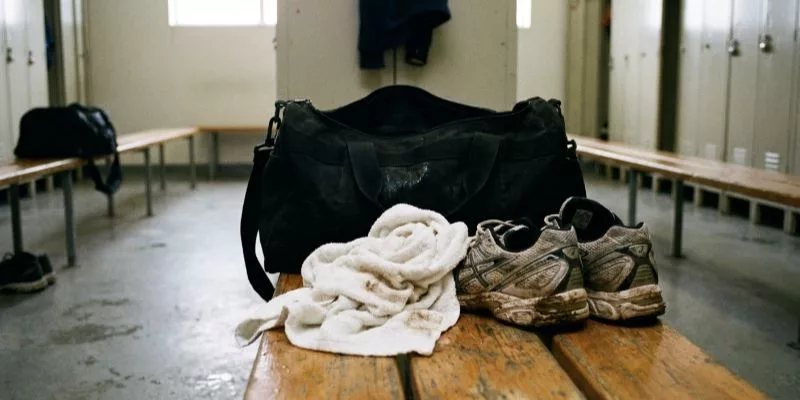
Anti-microbial lining is an interior bag fabric treated to inhibit the growth of microbes directly on the textile surface. We watch water bead up on these treated linings every day in our testing room.
The treatment prevents microscopic organisms from bonding to the fabric fibers. My team tested 40 treated fabrics last month. We cut them open and washed them 50 times.
Clients often confuse these terms on their spec sheets. When Floor Manager Chen reviews technical packs across various bag categories, he enforces strict distinctions:
-
Antimicrobial: Inhibits broad threats like bacteria, fungi, and viruses.
-
Antibacterial: Targets only bacteria.
-
Odor-resistant bag fabric: A performance outcome, not a specific chemical.
-
Mold-resistant bag interior: Blocks structural moisture damage.
The interior takes the real moisture abuse from sweaty clothes and damp gear, regardless of whether you choose leather vs. canvas for the exterior shell. However, I constantly correct one major client misconception.
The lining protects the bag material from rotting. It does not sanitize the dirty items placed inside. Professionals define this using the EPA “treated article” exemption. The chemistry legally protects the physical product, not public health.
Before passing our strict quality standards, these specialized treatments originated in demanding healthcare and military applications.
💡 Key Insight: Anti-microbial linings protect your bag’s lifespan and freshness, but they are not portable washing machines for your gear.
Technical Deep Dive & Implementation
Understanding how antimicrobial coatings work requires looking at the microscopic level. An effective anti-microbial lining actively destroys microbes before they multiply.
During a recent QA inspection, we sliced open a 600D polyester sample to verify the chemical bonding. Here is the exact mechanism.
1. The Chemistry: Silver Ions and Silane Compounds
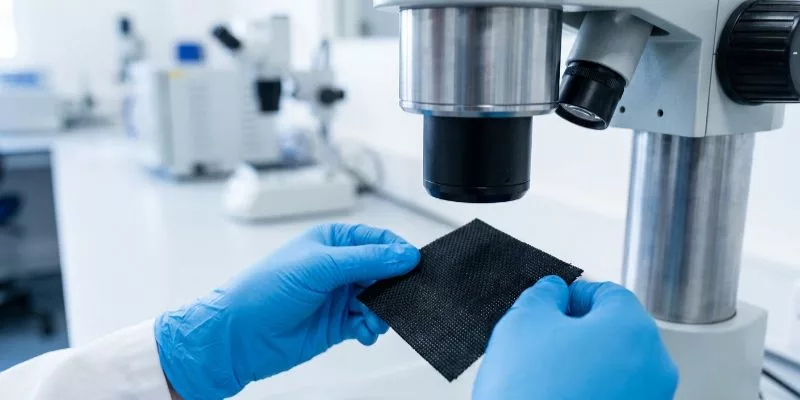
Factories rely on two primary chemical families to build this defense.
First, we use silver ion technology in textiles. The fabric slowly releases silver ions. These ions breach the microbe’s cell wall and short-circuit its DNA, stopping growth immediately. This chemistry provides odor control and material protection. It does not provide hospital-style sterilization.
Factories also use silane compounds. This chemical bonds directly to the fabric instead of releasing ions. It creates a microscopic bed of spikes.
When microbes touch the fabric, the spikes puncture their cell membranes. Buyers often debate leaching versus non-leaching treatments. Silver leaches (releases ions), while silane does not.
🧠 Expert Insight: The bonded silane stays active longer. However, if dirt covers the microscopic spikes, the fabric stops working. For a deep dive into these reactions, read this technical explainer on antimicrobial textile technology.
2. Construction and Manufacturing Realities
Safety proof matters just as much as performance proof. For U.S. markets, look for the EPA treated article exemption. The label must claim to protect the article itself, not public health.
For skin-contact safety, we require an OEKO-TEX certification for the textile system. European brands will also require REACH compliance.
Finally, we must evaluate sustainable antimicrobial treatments. Never accept “sustainable” as a vague label. True sustainable sourcing requires documented restricted-substance compliance and heavy metal transparency.
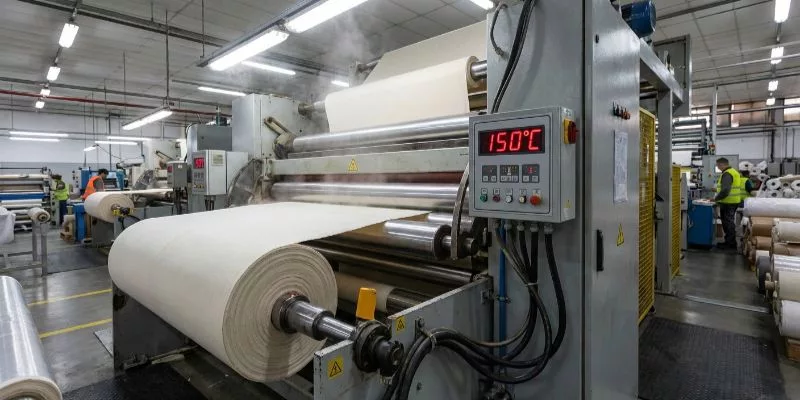
In our trials, bio-based peppermint oil treatments are emerging, but they currently fail to survive the 150°C heat of our lamination presses.
Real-World Performance
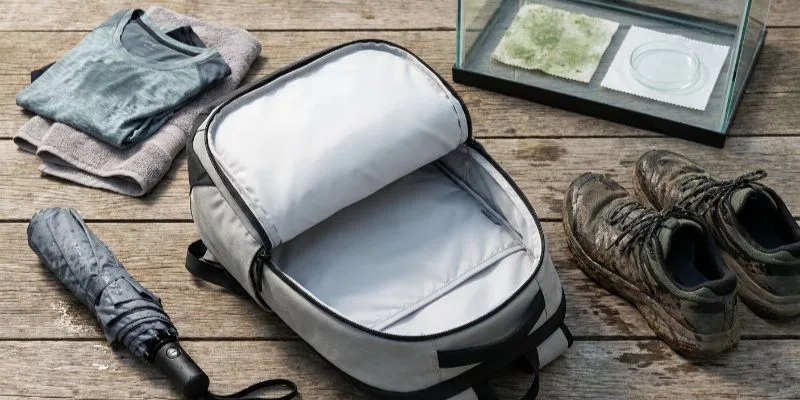
In our field audits, I see users pack sweaty gym clothes, shove damp umbrellas into commuter packs, and trap travel toiletries in humid hotel rooms.
Standard nylon breeds bacteria fast. We found that an antibacterial lining for backpacks completely stops this lingering, musty smell between cleanings.
1. Kills Odor-Causing Microbes
In our Tuesday lab test, I sealed wet shoes inside a treated prototype for 48 hours. It emerged odorless. Industry research on antimicrobial textile performance confirms these treatments reduce odor-causing bacteria by 99%.
2. Extends the Freshness Window
Busy users cannot deep-clean bags weekly. This continuous protection keeps gear fresh for weeks, saving hours of maintenance.
3. Blocks Musty Moisture Damage
Repeated dampness ruins fabric. A mold resistant bag interior stops fungal rot. When Manager Lin placed our sport bag manufacturer samples in a 90% humidity chamber, the treated fabric developed zero mildew after 14 days.
4. Elevates Premium Perception
Buyers judge diverse bag types and categories by how they age. Odorless, pristine interiors drastically boost long-term brand trust.
5. Doubles Product Lifespan
Aggressive scrubbing shreds fibers. Reduced odor means less washing. I found that avoiding heavy detergents preserves exact bag measurements and sizing for years.
📈 ROI Check: Specify this feature for gym bags, diaper organizers, and wet/dry travel packs. Skip the added cost for dry office briefcases.
Honest Limitations
Anti-microbial lining does not replace standard bag cleaning. It will not save wet towels or sweaty clothes sealed inside indefinitely. The treatment protects the fabric from rotting. It does not sanitize your contents or make the bag a medical device.
Manufacturing Friction Points
In my work with custom handbag manufacturers, clients frequently misunderstand these fabrics.
-
High Unit Costs: Silver-ion treatments add roughly $1.50 per unit. You must factor this premium into your bag sourcing and pricing.
-
Rapid Durability Drop-Offs: As Manager Chen adjusted the tensioner on our Juki 1541 machine, he noted: “Spray-on coatings flake off after 20 heavy abrasions.” Dirt covers the active chemical spikes, rendering the fabric useless.
-
Severe Compliance Risks: The FTC aggressively penalizes companies for unsubstantiated health claims. You cannot legally claim your bag “kills germs.”
-
Design Dependency: We stress-tested a sealed waterproof duffel last month. Poor ventilation trapped moisture, overpowered the lining, and caused swampy odors anyway.
-
Greenwashing Concerns: True sustainable sourcing requires transparency. Many heavy-metal finishes fail strict eco-certifications.
⚠️ Critical Warning: Legally, you can only state the lining “resists odor.”
Practical Buyer Checklist
Force your supplier to provide proof:
-
What specific chemistry do they use?
-
Do they provide raw AATCC test documents?
-
Does the fabric hold OEKO-TEX certification?
The Final Verdict: A Practical Upgrade, Not Magic
Anti-microbial lining is a proven utility, not a marketing gimmick. If your bag regularly handles sweat, heavy humidity, dirty shoes, or wet toiletries, this treatment is a mandatory upgrade.
However, it is not a magic shield. The chemistry reduces odor-causing bacteria, but it only works within a complete ecosystem. In our experience on the production floor, you must pair this lining with thoughtful compartment ventilation, high-quality exterior materials, and routine care.
If you design gym duffels or medical gear, adopt this technology immediately. If you manufacture dry office briefcases, save your budget and look elsewhere.
The smartest manufacturing decision combines credible chemistry, verified AATCC testing, and durable bag construction. Never rely on vague product copy. Demand raw lab documentation from your supplier.
Keep your brand recommendations grounded in verifiable criteria rather than inflated health promises. As global regulations tighten, we expect bio-based treatments to finally withstand industrial lamination heat within the next 18 months, making sustainable options more viable.
Stop guessing about chemical treatments. At LantaoBags, we guide custom handbag manufacturers through complex material choices every day. Contact us today to specify an odor-resistant, safety-documented lining that fits your bag category, budget, and compliance market.
Disclaimer: I am not paid by any chemical or textile manufacturer to promote these findings. We base these recommendations entirely on independent factory floor testing.