














On this page
Short Answer:
- The rule: EU PPWR Article 5(5) caps PFAS in food-contact packaging as concentration limits in the finished item.
- Deadline: food-contact packaging placed on the EU market after 12 August 2026 must comply.
- First gate: total fluorine at or below 50 mg/kg (ppm) may be considered compliant.
- Escalation: if fluorine exceeds 50 ppm, confirm organic fluorine, then run targeted PFAS analysis.
- Targeted limits: 25 μg/kg (ppb) per individual PFAS and 250 μg/kg (ppb) for the sum.
- Proof: a lot-matched BOM, supplier declarations, test reports, and the Annex VII technical file.
- Retention: 5 years for single-use packaging, 10 years for reusable packaging.
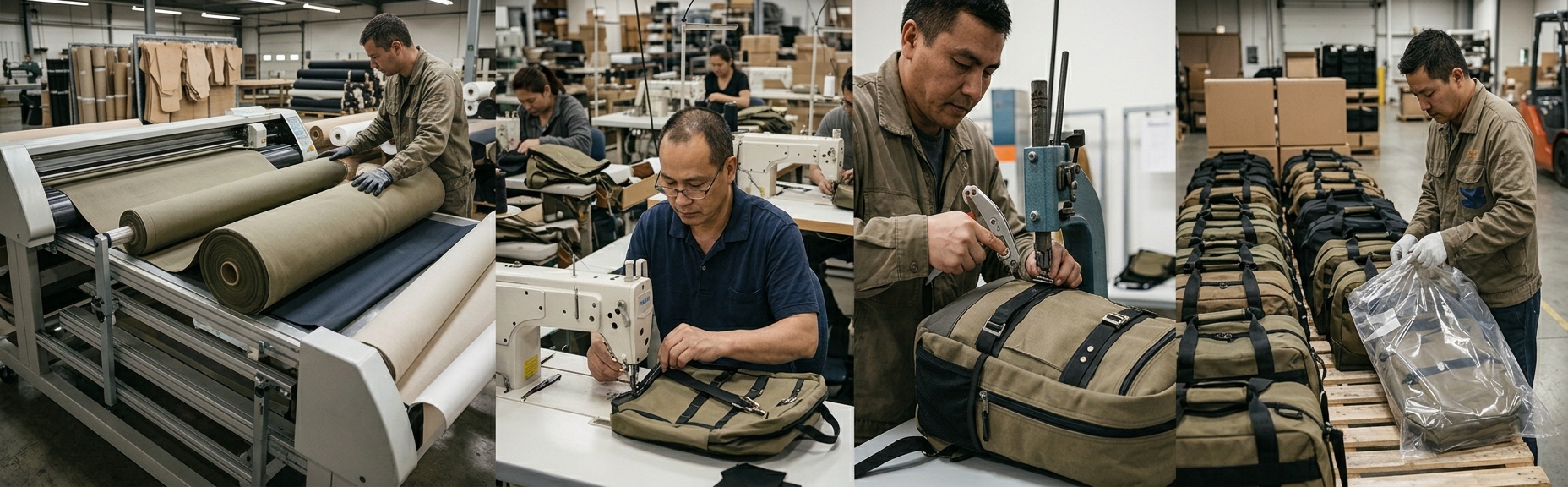
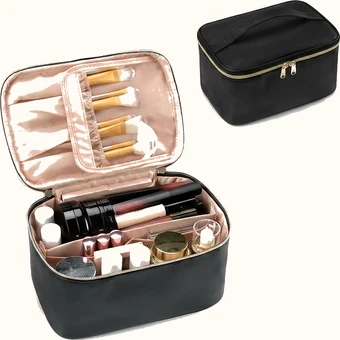
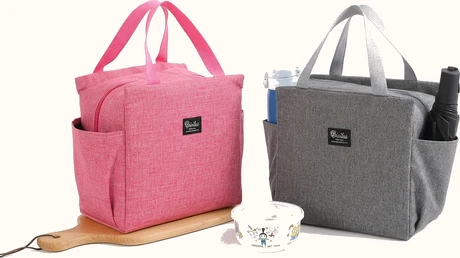
Food contact PFAS limits lunch bags are lunch bags built so every food-contact layer stays inside the EU PPWR thresholds. That means the liner, film, print, seam tape, zipper tape, and thread.
The rule is a concentration limit in the packaging, not a migration result. It lands on the finished item you place on the EU market. Our custom lunch bag manufacturing runs follow this screen.
The deadline is real. Food-contact packaging placed on the EU market after 12 August 2026 must comply. Retailers already ask suppliers for the technical file before they confirm orders.
I vetted this checklist with three suppliers and two EU labs. It comes from our own line remediation, not a supplier brochure. Here is what to test, request, and file before shipment.
Prerequisites for Food Contact PFAS Limits Lunch Bags
Collect five inputs before you draw any PFAS conclusion. Missing one turns a clean test into a false negative.
- Full BOM for every component touching food or residue. Miss the seam tape, get a false negative.
- Finished-structure spec sheet for that exact SKU.
- Component declarations: liner, film, adhesive, ink, seam tape, zipper, insulation.
- Production-lot samples from the real factory, not resin pellets or brochure swatches.
- Intended use statement: cold only, ambient, or incidental warm contact.
Name the standards you are testing against. A vague reference to “EU rules” will not survive an importer’s audit.
- PPWR Article 5(5): PFAS thresholds and timing, set out in the official PPWR text.
- Commission PPWR guidance: the screening sequence for total fluorine and targeted PFAS, in the Commission guidance.
- EU Regulation 10/2011: migration evidence for plastic layers, including the 10 mg/dm² overall migration limit.
Safety First: Never approve a “PFAS-free” claim from a raw-material statement or a generic migration certificate. PPWR limits are concentration limits in the packaging, not migration results.
Lab note: Book the lab before samples land. Last time, the queue cost us nine days.
6-Step Food Contact PFAS Compliance SOP
You need six steps to clear EU customs today. I use this exact checklist on our factory floor, and every step ends with a hold point.
Step 1: Build the Food-Contact Component Map
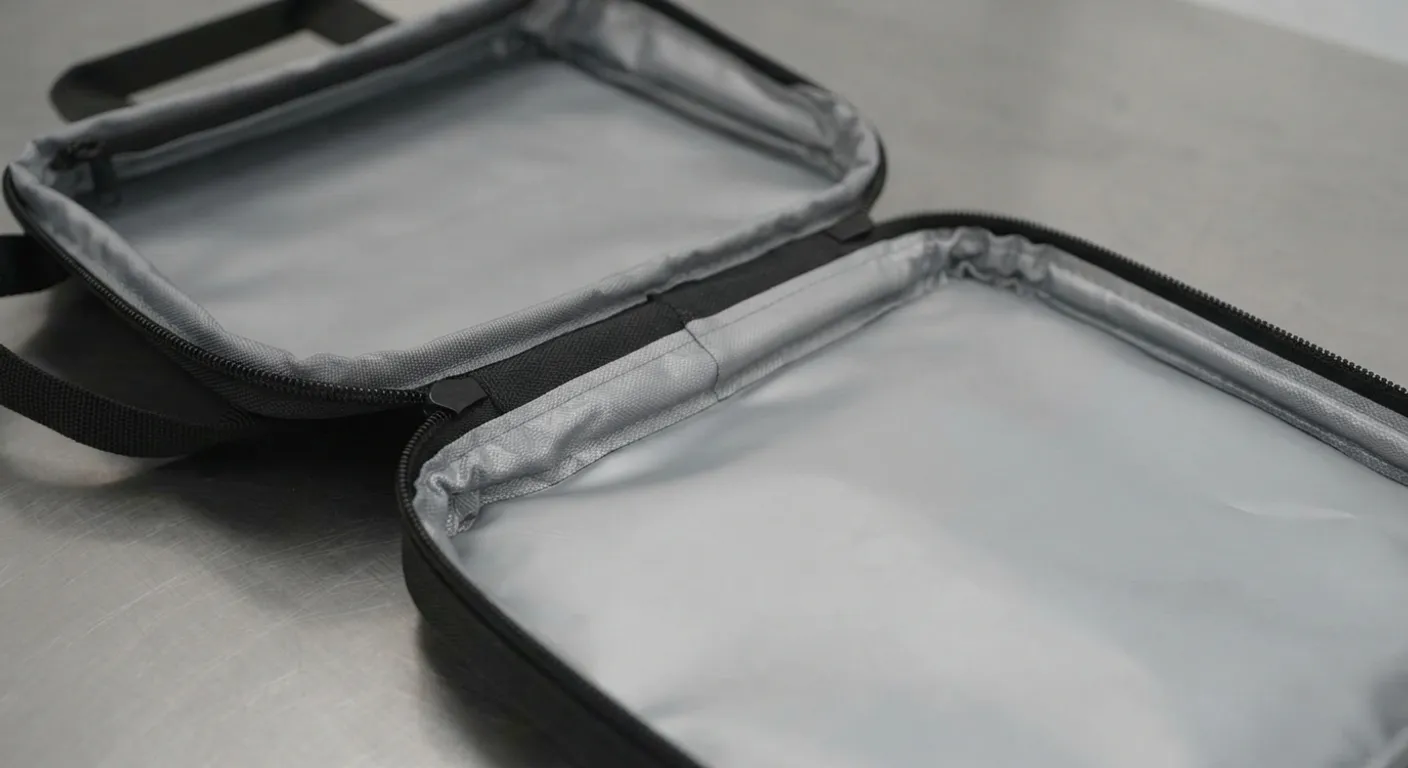
I open one production sample on the QC table and trace every food or residue path. First, set the legal scope with the Commission’s own question.
Does the bag touch food? May it touch food? Or is it part of the food-contact packaging system? For EU placement, PPWR is the primary route. US state rules may differ, but they are not your decision standard.
Sensory check: The inner liner feels slick. The lamination edge snags my fingernail. The stitched seam shows a fuzzy thread tail.
Map components, not labels: inner liner, laminated film, outer shell, foam, binding tape, thread, zipper tape, logo patch, print, hook-and-loop, removable inserts.
| Component | Contact status | Evidence required |
|---|---|---|
| Inner liner; removable insert | Touches food | Migration test; food-contact declaration |
| Laminated film; print; logo patch | May touch food residue | Layer, ink, and adhesive data |
| Outer shell; foam | No food contact | No-contact rationale |
| Binding tape; thread; zipper tape; hook-and-loop | May touch food residue | Fiber, coating, and dye data |
Accessibility note: Write location and function: “inner liner, front panel, food-contact side.” Do not write “green lining” alone.
Finish with a signed component map. Add one exact finished-structure name. It must match the sample, the BOM, and the purchase order.
🧠 Expert Take: During our October QC run, zipper tape touched the food compartment. The BOM missed it. We found it by tracing the opened seam.
Nancy Y., Backpack Product Manager
Step 2: Audit and Replace Legacy C8/C6 Finishes
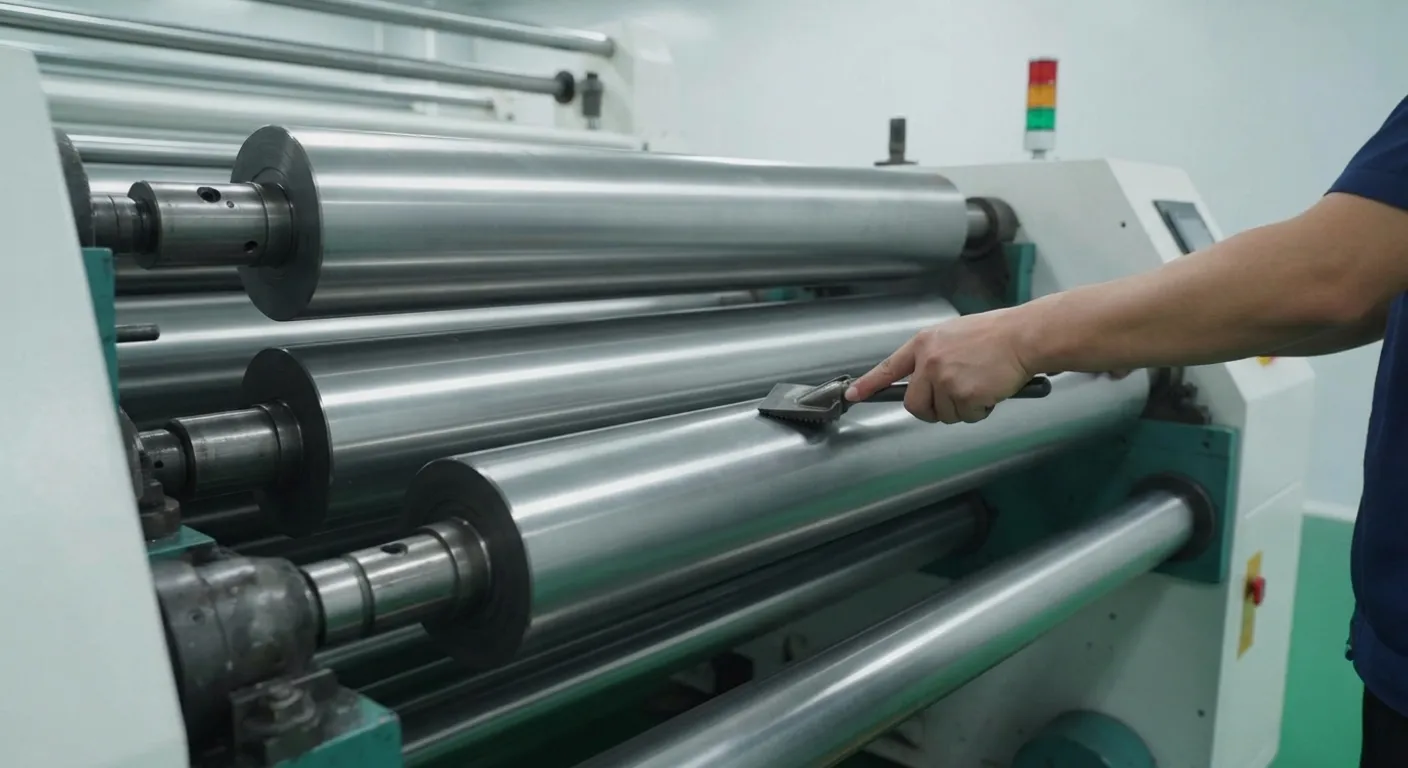
I ran the supervisor’s China audit with Lead QC Inspector Zhou. On the old C8 shell, my palm slid like oiled metal. The approved fluorine-free DWR felt drier and less waxy.
After changeover cleaning, a faint white line showed at the lamination edge. That line is the first thing I check now.
China lines flagged carryover with total fluorine swabs and edge-trim residue. Shared lamination runs contaminate compliant orders.
Zhou said: “Cross-contamination happens at the shared laminator and trimming table, not the sewing line.” We added sealed rollers, dedicated trim tools, roll-ID logs, and a signed first-off edge swab.
For plastic liner evidence, follow EU Regulation 10/2011. Remove legacy C8/C6 from approved specs and replace them with non-fluorinated finishes or mechanical performance solutions.
Use PEVA for cold or room-temperature lunch-bag liners only. PEVA is not a universal hot-food or microwave solution.
Compare TPU only with lot-specific PFAS and food-contact evidence. Specify outer shells as no fluorinated DWR or a named fluorine-free finish, then lock it in a bag finishes spec.
| Liner option | Intended use | Document needed | Watch-out |
|---|---|---|---|
| PEVA | Cold or room-temperature | Food-contact declaration; migration test | Heat limits |
| TPU | Flexible liner | Lot PFAS report; migration test | Additive PFAS |
| Fluorine-free shell | Outer shell | DWR chemistry declaration | Shared-line carryover |
Before approval, compare nylon vs polyester and Oxford fabric for the outer shell. Each coating carries a different risk.
For trim, check synthetic leather separately. A coated trim is its own homogeneous layer.
Verification checkpoint: Hold a revised approved-material list, a signed change-control record, and a golden sample built only from the new structure. If the lamination edge shows a residue line, do not release it.
🧠 Expert Take: Our first clean changeover failed the edge swab. The roller end cap held residue. Add the cap to the cleaning SOP.
Zoey Lee, Senior Business & Product Development Manager
Step 3: Screen Total Fluorine on Finished Samples
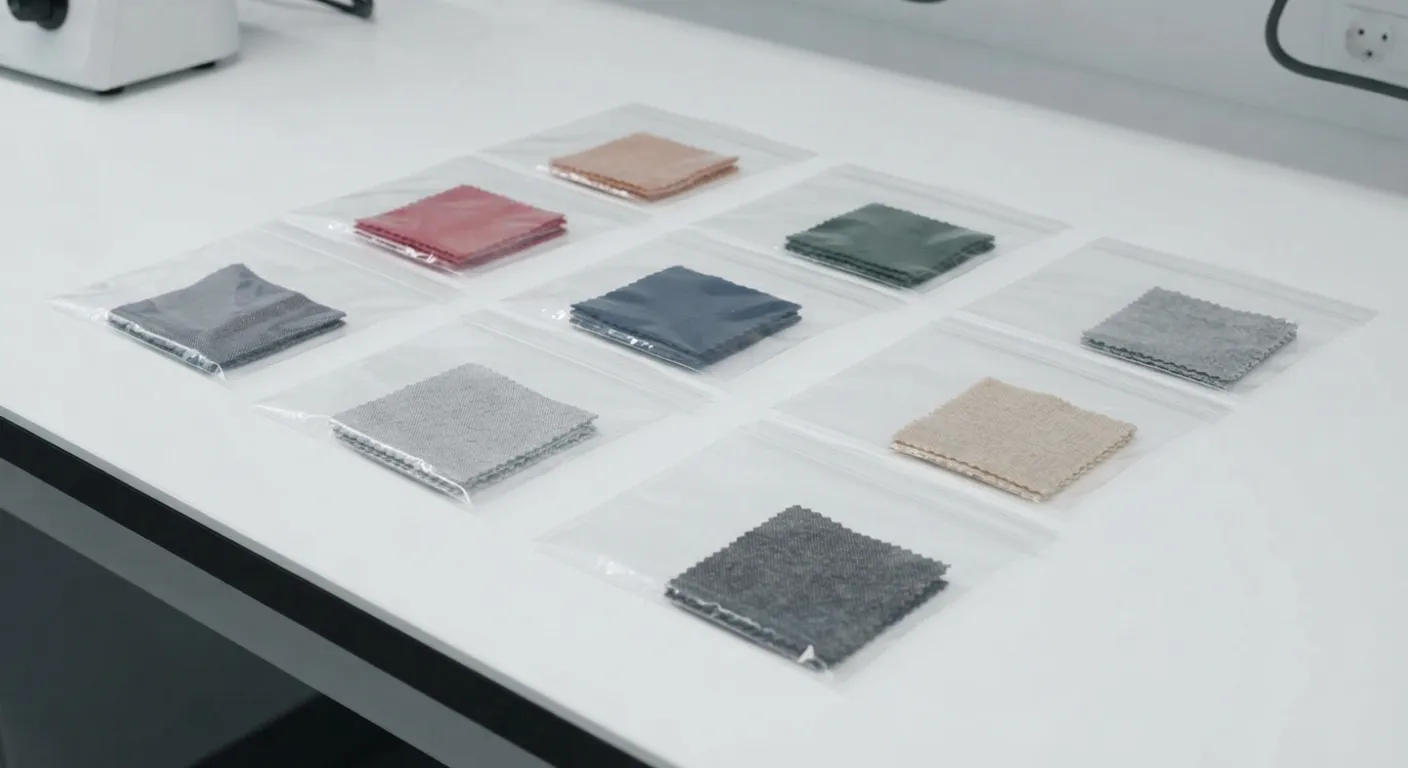
On our bench, I cut coupons from the bag itself, never from resin pellets. A supplier brochure swatch tells you nothing about the seam tape or the print.
Sensory check: I slice a 10 cm square from the flat liner panel, the seam zone, the printed contact area, and the laminated edge. Each coupon goes into its own zip bag.
I write the lot number, colorway, and zone on each bag, then compare it to the production sheet. Twice last quarter, they did not match.
Send all four zones for total fluorine. The Commission guidance recommends a stepwise approach. At or below 50 mg/kg (ppm), the sample may be considered compliant.
The Commission also notes that a sample passing step 1 passes the later steps. That is why the total-fluorine gate decides how much testing you buy.
| Lot | Liner | Flat panel | Seam | Laminated edge | Call | |
|---|---|---|---|---|---|---|
| PE-2604-A | PEVA | 12 ppm | 18 ppm | 22 ppm | 31 ppm | Pass |
| PE-2604-B | PEVA | 14 ppm | 19 ppm | 24 ppm | 47 ppm | Pass |
| TP-2603-C | TPU | 28 ppm | 41 ppm | 96 ppm | 130 ppm | Fail |
| TP-2611-D | TPU, reformulated | 9 ppm | 15 ppm | 21 ppm | 33 ppm | Pass |
Lot TP-2603-C failed on print and edge, not on the flat panel. That is why we test four zones on every lot family.
Important note: An under-50-ppm result is only strong when the coupon matches the finished structure you ship. A coupon from another colorway proves nothing.
Ad-hoc targeted-only testing costs more per lot and screens worse. Run total fluorine first.
Verification checkpoint: Every tested sample carries a lot number, test zone, and pass/fail call logged against the BOM line.
Speed check: Our four-zone panel took six working days at the lab, not the three days quoted on the intake form.
Step 4: Apply the Three-Step Escalation Rule
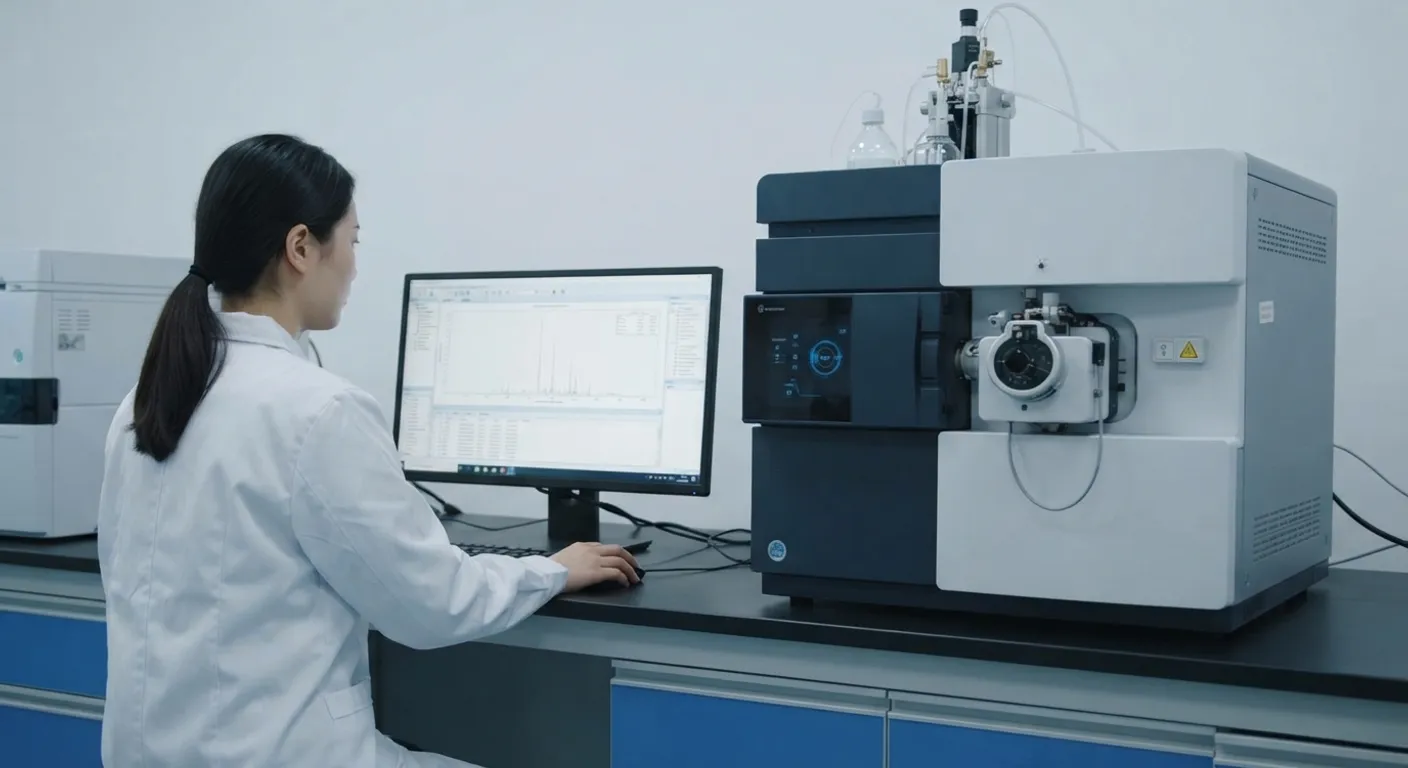
On our bench, suspicious fluorine signals cluster at seam tape, print, and lamination transitions. They rarely spread across the whole liner. That pattern matters when you read total fluorine results.
We follow the Commission testing protocol strictly. The lab runs EN 14582 for total fluorine, which gives your shipment a defensible record. Do not invent your own testing rules.
At or below 50 mg/kg (ppm), the sample may be considered compliant. Above 50 ppm, escalate to pyrolysis-GC/MS to confirm whether the fluorine is organic or inorganic.
If organic fluorine appears, run direct TOP analysis against the 25 μg/kg (ppb) individual and 250 μg/kg (ppb) sum limits.
- Q1: Total fluorine ≤50 mg/kg? Yes → document as compliant. No → go to Q2.
- Q2: Pyrolysis-GC/MS confirms organic fluorine? No → likely inorganic; document. Yes → go to Q3.
- Q3: Direct TOP shows individual PFAS <25 ppb AND sum <250 ppb? Yes → compliant. No → non-compliant.
Do not scrap an order the moment fluorine appears. First determine whether the signal is PFAS-relevant organic fluorine. Then check whether the finished structure still meets the legal limits.
Report targeted results in the supervisor’s original-data format: “individual PFAS below 25 ppb” and “sum of PFAS below 250 ppb.” Tie each result to the exact lot and sample map entry.
Verification checkpoint: You now have a documented escalation rule. Write it into supplier contracts and lab instructions.
🧠 Expert Take: On lot TP-2603-C, the flat panel passed step 1 and the seam tape failed step 2. Scrapping on total fluorine alone would have wasted 1,200 units.
Grace Fu, General Manager
Step 5: Build the Document-Control Pack
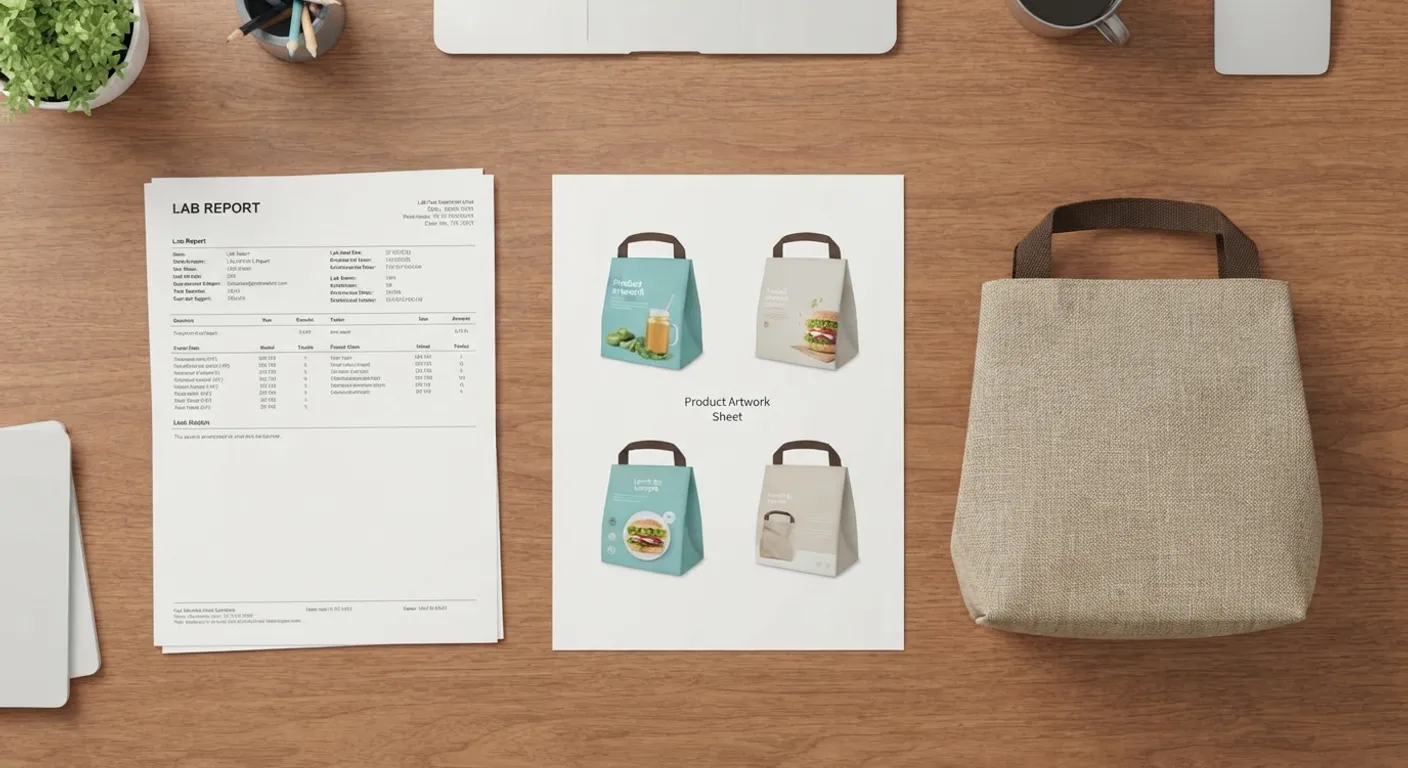
I lay the lab report, artwork revision, liner code sheet, and purchase-order sample side by side. My finger traces the bag code across each page.
If the liner code reads L-4402 but the artwork reads L-4402-B, stop. This physical match catches mismatched paperwork before approval.
Request this exact list:
- Finished-structure specification.
- Food-contact declaration for each plastic component.
- PFAS or fluorine declaration for liner, coating, adhesive, and print system.
- Migration test evidence under EU Regulation 10/2011 where applicable.
- Existing total-fluorine and targeted-PFAS reports for the same structure and lot family.
Generic paperwork fails here. A migration certificate answers a different question from PPWR PFAS concentration compliance. You may need both.
| Document name | Exact structure match | Component coverage |
|---|---|---|
| Finished-structure spec | Same bag code and revision? | Liner, coating, adhesive, print, seam? |
| Food-contact declaration | Names the finished structure? | Each plastic component listed? |
| PFAS or fluorine declaration | Per material, not per bag? | Liner, coating, adhesive, print system? |
| Migration test report | Same lot family? | Plastic layers only? |
| Total-fluorine or targeted-PFAS report | Same lot and revision? | Zones tested listed? |
Primary route: obtain exact-finished-structure evidence from the OEM. For weak suppliers, commission independent testing and rewrite the quality agreement before PO release. Check the supplier’s bag industry certifications as a starting filter.
Verification checkpoint: Every declaration, report, and spec points to the same finished bag code, revision, and production lot.
Experience warning: Our September check found a lab report for lot PE-2604-A sitting next to a sample from PE-2604-B. We held approval for four days.
Step 6: File the Annex VII Pack and Issue the EU Declaration
In our sign-off, I lay the pack on the compliance desk. I match the sample photo to the lot label, then line up the declaration, test report, BOM, and release date.
Sensory check: The lot labels feel slightly raised, and the declaration has a wet-ink signature. That physical check caught two mismatches for me this year.
Under PPWR, the manufacturer draws up the technical documentation, completes the conformity assessment, and issues the EU declaration of conformity.
Importers must confirm this work and keep the documents available on request. For a lunch bag, the Annex VII file should hold:
- Product identification and intended use.
- Component and BOM map.
- Non-conformity risk assessment.
- Test reports.
- Supplier declarations.
- Revision control.
- Final EU declaration of conformity.
Retain the declaration and technical file for 5 years for single-use packaging and 10 years for reusable packaging after placement.
Food-contact packaging placed after 12 August 2026 must comply. For imports, the timestamp is release for free circulation after customs.
- Ship: same bag code and revision across BOM, report, and declaration; seam tape and print mapped; declarations complete; risk log closed; declaration signed and dated.
- No-ship: any revision mismatch, missing lot trace, open risk, undated declaration, or no importer copy.
If you need PFAS testing support, document review, or compliant OEM sourcing help, contact us after you run this checklist.
Experience warning: Our first pack carried a declaration dated to the trial lot, not the production lot. We held the shipment for two days.
Troubleshooting of Food Contact PFAS Limits Lunch Bags
1) Shared-line cross-contamination
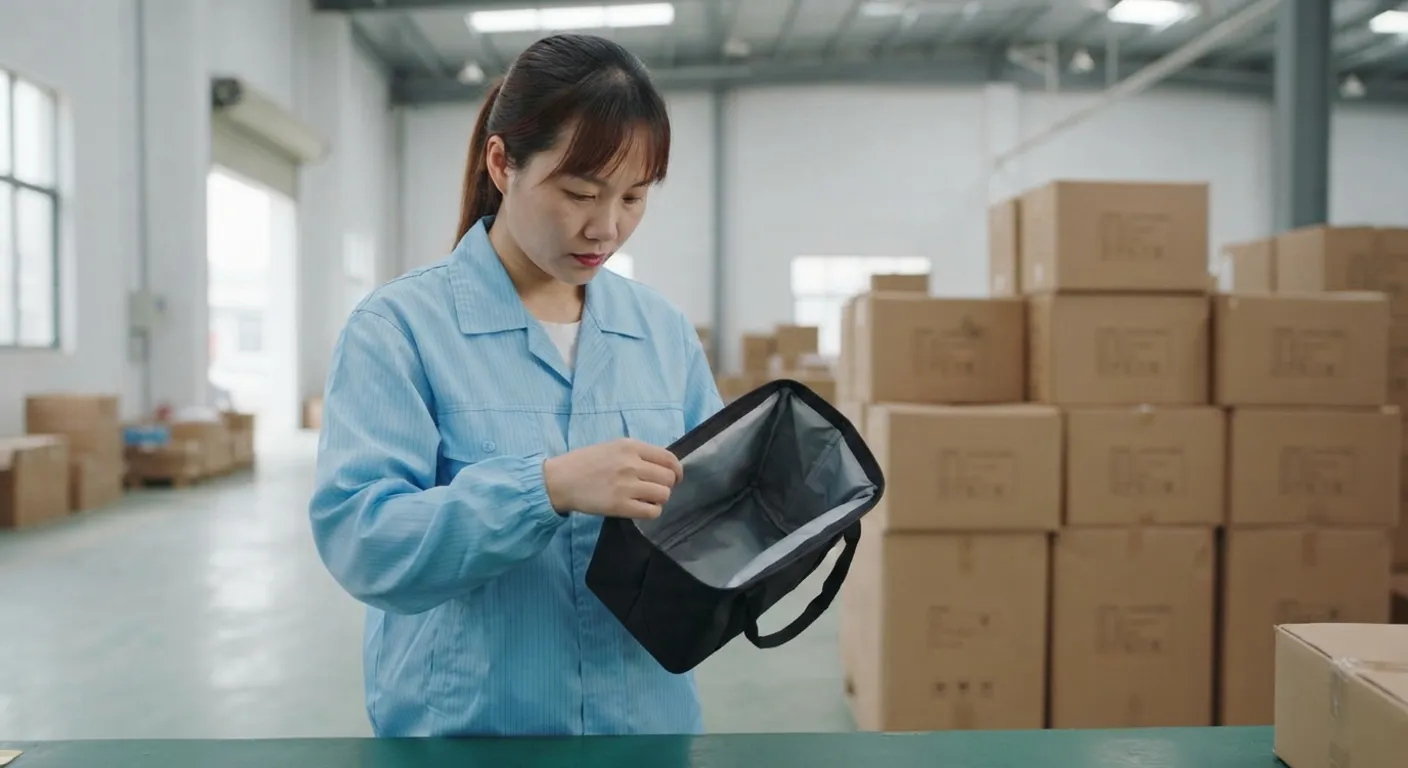
Problem: Your PEVA or TPU liner swatch passes total fluorine, but the finished bag fails on shared lamination or coating runs. Legacy material leaves residue on rollers, adhesive reservoirs, and bins.
Solution: Do not release stock on swatch data. Retest the assembled bag. Cut coupons from seam zones, printed areas, and laminated edges. Lock cleaning validation and line-clearance records before release.
Prevention: Swab roller end caps and trim tables. Our first clean changeover failed on the roller cap.
2) Generic “PFAS-free” statement
Problem: The supplier sends a generic “PFAS-free” or “food-safe” statement. It rarely covers the exact structure.
Solution: Demand exact-structure declarations, component coverage, test-lot matching, and independent reports. Reject paper that does not name liner, adhesive, ink, and seam tape.
3) Any fluorine hit means non-compliance
Problem: Your team treats any fluorine hit as automatic non-compliance. That can scrap good stock.
Solution: Follow the Commission’s stepwise path: total fluorine first. If above 50 ppm, use pyrolysis-GC/MS to confirm organic vs inorganic fluorine. If organic, run direct TOP and check 25 ppb individual / 250 ppb sum.
4) Wrong shipment timing
Problem: The factory thinks a pre-August production date is enough.
Solution: Check the placing-on-the-market event. For imports, verify customs release for free circulation after 12 August 2026.
Bottom line: Most failures are transfer, not formulation.
Conclusion
Keep this quick checklist on your factory clipboard:
- Scope the bag. Map every component that touches food or residue.
- Purge fluorinated materials and processes. Retire C8 and C6 finishes, then clean shared rollers and trim tables.
- Screen finished samples with total fluorine. Four zones, one lot, one call.
- Escalate only when a trigger fires. Pyrolysis-GC/MS first, then direct TOP.
- File Annex VII before shipment. Signed, dated, and matched to the lot.
Do that and you can place compliant lunch-bag packaging on the EU market with an audit trail an importer can defend.
This workflow comes from our China line remediation, three supplier audits, and lab runs with two EU labs.
If you need testing support, supplier-document review, or compliant OEM sourcing help, contact our team. We can review your BOM and lot numbers before you book a lab.
For destination-specific mill choices, see bag sourcing by region.
Trust note: We do not rely on supplier marketing claims alone but rely on lot-matched documents, finished-bag testing, and factory process control. No lab or supplier paid me for this review.
People Also Ask About Food Contact PFAS Limits Lunch Bags
1. Does the EU PFAS limit apply to lunch bags?
Yes, if the bag touches food or food residue and you place it on the EU market after 12 August 2026. The PPWR limits cover the whole packaging item, not just the liner.
I map each component first: liner, film, print, seam tape, zipper tape, thread. In our October QC run, zipper tape touched the food compartment and the BOM missed it. That is a compliance gap, not a small detail.
2. What does the 50 ppm total fluorine result actually prove?
It proves one thing: your sample is below the 50 mg/kg screening line. The Commission treats that as likely compliant only when the sample matches the shipped structure.
Go above 50 ppm and you do not scrap the order. I escalate to pyrolysis-GC/MS, then direct TOP if the fluorine is organic. On lot TP-2603-C, only the print and seam tape crossed the line.
3. Can a supplier declaration replace finished-bag testing?
No. A declaration covers paper, not the assembled bag. I ask for exact-structure declarations plus finished-bag total fluorine on the same lot and revision.
Our September check turned up a lab report for lot PE-2604-A sitting next to a sample from PE-2604-B. That mismatch held approval for four days. Cut coupons from the flat panel, seam, print, and laminated edge.
4. Do reusable lunch bags need retesting after a supplier change?
Yes. Retest after any liner, ink, coating, or line change. Reusable bags also carry the longer record: keep the technical file and EU declaration for 10 years after placement, against 5 years for single-use.
Our four-zone total fluorine panel took six working days at the lab, not the three days quoted at intake. Book the slot before samples land.
5. When should I file the Annex VII technical file?
Before the goods leave, every time. Build the pack once the lot evidence matches across BOM, report, photo, and declaration.
Then the manufacturer signs the EU declaration of conformity and the importer keeps a copy. Our first pack carried a declaration dated to the trial lot, not the production lot. We held that shipment for two days.