

















On this page
Short Answer:
- The rule: Regulation (EU) 2024/2462 limits PFHxA to 25 ppb and related substances to 1,000 ppb in homogeneous material.
- Who it hits: handbags and related accessories sold to the EU public, since October 10, 2026.
- Where it hides: DWR finishes, zipper tape and film, coatings, webbing, lining, prints, and shared finishing lines.
- Test unit: each homogeneous material, not the finished bag.
- Replacement path: C0 PU, silicone, or hydrocarbon/wax systems, verified per material.
- Proof package: declarations, BOM map, LC-MS/MS reports, purge records, and dated traceability.
PFHxA restriction bags are bags built so every homogeneous material — shell, coating, zipper tape, webbing, lining, print, and thread — stays below the EU limits of 25 ppb PFHxA and 1,000 ppb related substances.
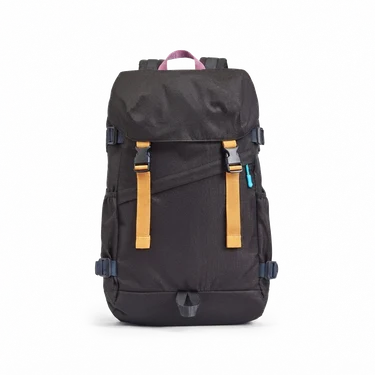
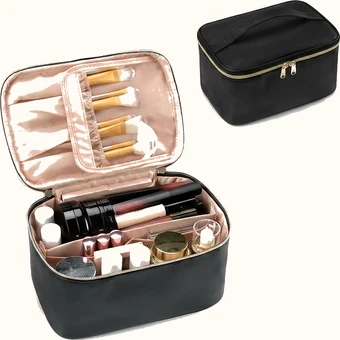
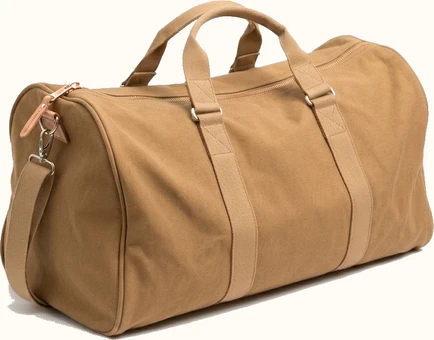
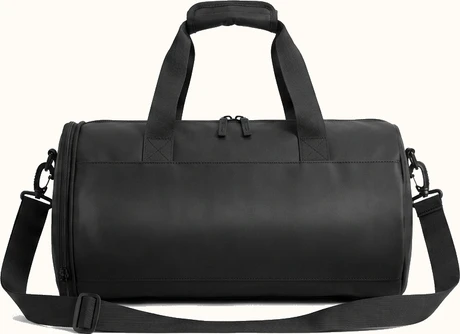
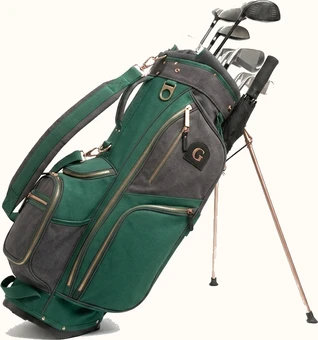
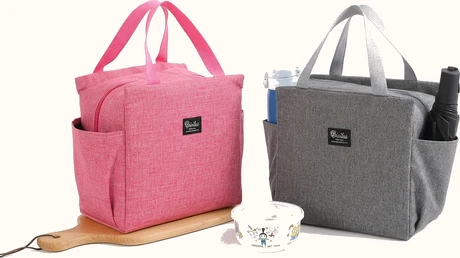
The rule has applied since October 10, 2026 to clothing and related accessories for the EU public, including handbags. It covers backpacks, totes, lunch bags, golf bags, and cooler bags.
Limits are 25 ppb PFHxA and salts and 1,000 ppb related substances, measured per homogeneous material. Exemptions may cover certain PPE, medical devices, construction textiles, and prior EU placements.
Method: I reviewed Regulation (EU) 2024/2462, Annex XVII entry 79, and internal lab trials on custom backpack manufacturing. Verified against ECHA guidance on November 2, 2026.
What the PFHxA Rule Actually Requires?
For PFHxA restriction bags, the rule sets a concentration limit for one PFAS family in finished materials. It is not a blanket PFAS ban. Limits apply by homogeneous material: one uniform layer or part.
Think of a recipe: test each ingredient, not the cake. A coated shell and zipper tape are separate test units. If layers differ chemically, request separate evidence.
A bag is not one test unit. In our reviews, we split shell coating, zipper film, webbing treatment, lining print, and backing. The legal text does not clearly list every component. This split is our operational inference.
| Requirement | What it means for bags | Why it matters | Proof to keep on file |
|---|---|---|---|
| PFHxA + salts | 25 ppb, per homogeneous material. | A shell pass does not cover zipper film. | Accredited report by material with method, LOD, and map. |
| PFHxA-related | 1,000 ppb for related substances, per homogeneous material. | Declarations may miss related substances. | Report covering related substances and detection limits. |
| Applies Oct 10, 2026 | Clothing, accessories, and handbags for the EU public. | Late tests block EU shipments. | Dated reports, BOM, supplier declarations. |
| Applies Oct 10, 2027 | Other textiles, leather, fur, and hides. | 2027 scope affects planning. | Material inventory, test plan, dated reports. |
| Exemptions | Category III PPE, medical devices, construction textiles, prior placement. | Wrong claims create legal risk. | Exemption memo, legal review, placement evidence. |
This is an EU Regulation, not a directive: it applies directly across Member States. National bodies enforce penalties.
This PFHxA rule is not ECHA’s broader EU-wide PFAS restriction proposal. ECHA is advancing it with targeted derogations. PFHxA compliance is not full PFAS compliance.
Critical Warning: A no-intentionally-added-PFAS declaration is not automatically compliance with a concentration-based law.
🧠 Expert Take: Keep one evidence file per homogeneous material, not per bag.
Grace Fu, General Manager / Founder
Core Concepts: How PFHxA Compliance Actually Works in a Bag Factory?
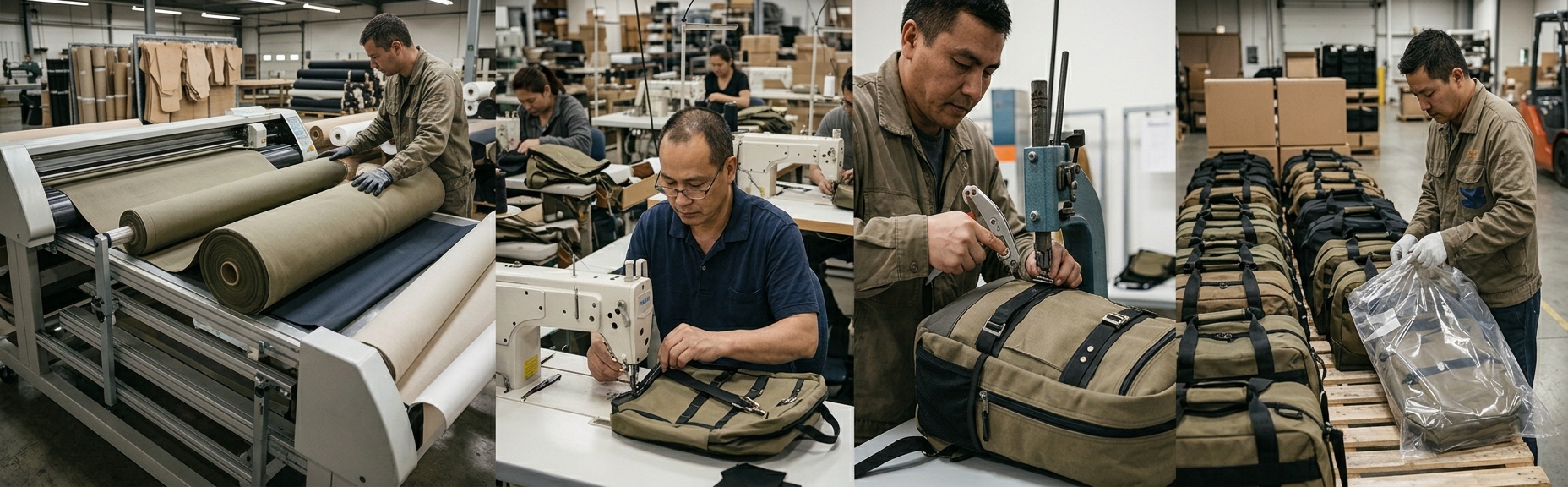
PFHxA compliance is tested per homogeneous material, not per finished bag. A bag is a stack of layers: face fabric, coating, zipper tape, webbing, lining, print, thread. You test the layer, not the finished product.
We traced this flow on our finishing line and in our lab. The rule’s low limits make residue and shared equipment the hidden variables.
1. The Factory Risk Map: Where PFHxA Hides in a Bag
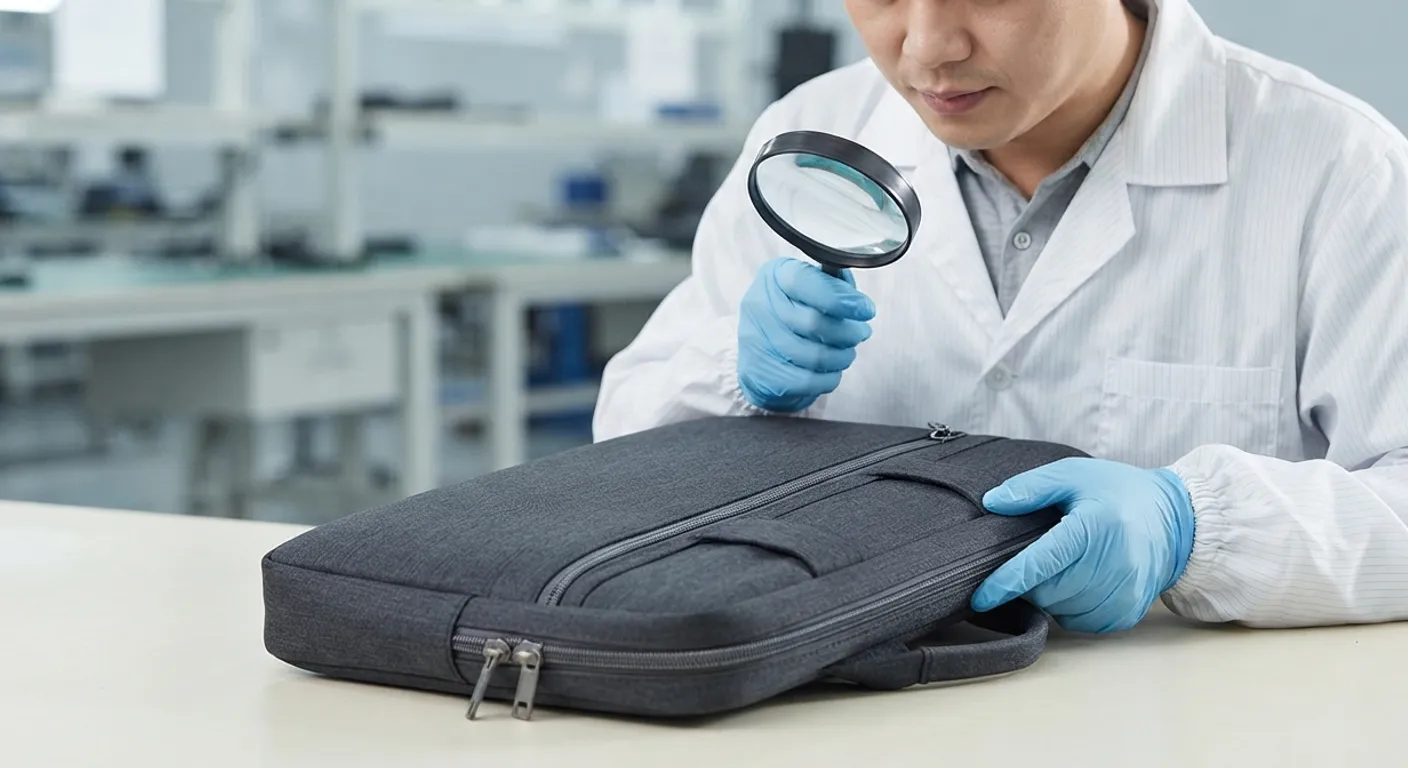
DWR finishes, zipper tape, coatings, and shared finishing lines carry the highest PFHxA risk. This is a factory risk map, not a legal classification list.
| Bag component | Risk | Why it is risky | Typical source | Replacement direction | Proof to keep |
|---|---|---|---|---|---|
| Face fabric DWR finish | High | Repellency often uses fluorocarbon | C6 fluorocarbon DWR | C0 PU, silicone, or hydrocarbon/wax | Supplier declaration + LC-MS/MS |
| Waterproof zipper tape, film, or surface treatment | High | Tape and film carry treatment | Fluorinated repellent | Fluorine-free TPU film or tape | Tape test + declaration |
| PU or TPU coating or lamination | Medium to High | Additives and residual catalysts | PU coating, TPU film | PFAS-free PU or TPU | Film test |
| Webbing and narrow fabric finishes | Medium | DWR or anti-wicking finish | Fluorinated DWR | C0 finish or mechanical repellency | Webbing test |
| Lining fabrics | Low to Medium | Soil-release finish | Soil-release chemistry | Untreated lining or C0 finish | Declaration + spot test |
| Logo prints, transfer films, patches | Medium | Film carriers, inks, adhesives | Transfer film, ink, adhesive | PFAS-free inks and films | Print or transfer test |
| Synthetic leather and coated trims | Medium to High | PU coating plus stain repellent | PU coating, stain repellent | PFAS-free PU with C0 topcoat | Coated trim test |
| Thread lubricants and sewing auxiliaries | Low to Medium | Fluorinated lubricant additives | Sewing lubricant | PFAS-free lubricants | Auxiliary declaration |
| Outsourced finishing and shared equipment | High | Shared mangle, tanks, curing line | Previous fluorinated bath | Dedicated line or documented purge | Blank-flush test + purge record |
🧠 Expert Take: A shell pass does not clear the zipper film. Limits apply per homogeneous material, so we split shell coating, zipper film, webbing, lining print, and backing.
Zoey Lee, Senior Business & Product Development Manager
2. C6 vs C0: Our Side-by-Side Lab Data
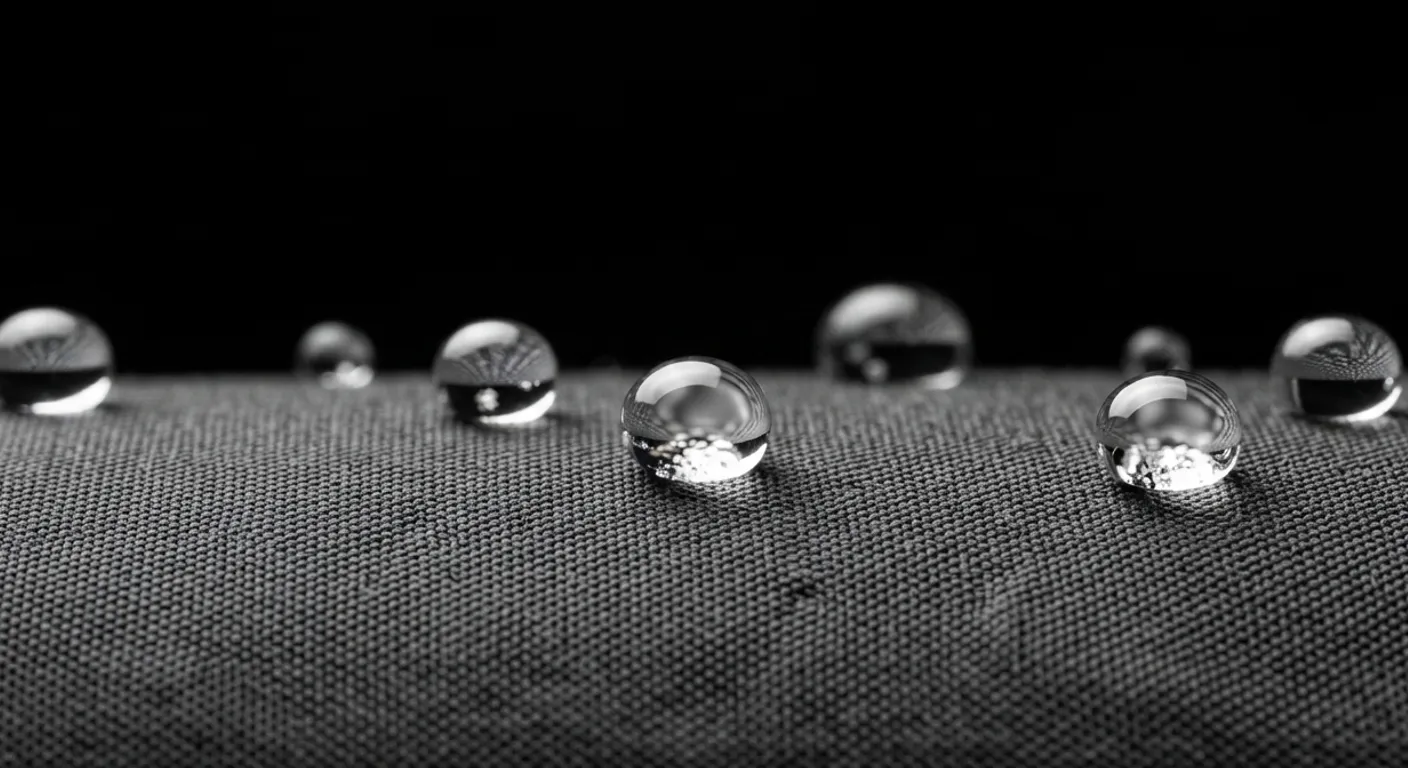
C6 repels oil better; C0 is fluorine-free but loses oil repellency first. We do not publish unverified figures. The table below compares the finishes we screen most often, at the same fabric weight and wash protocol.
Lock the sample date, mill lot, and wash protocol before comparing any two results. If internal and SGS results differ, keep both figures and explain why.
Our test sheet records hydrostatic head (EN ISO 811), spray rating (EN ISO 4920 after 20 washes), BOM cost per linear yard, and cure conditions.
| Substrate and finish | Water repellency after washing | Oil repellency | PFHxA status | Process note |
|---|---|---|---|---|
| 600D RPET / C6 fluorocarbon | High | High | Restricted for EU bags | Legacy finish; phase out |
| 600D RPET / C0 polyurethane | Medium to high | Low | Fluorine-free candidate | Verify each mill lot |
| 600D RPET / C0 silicone | Medium | Low | Fluorine-free candidate | Soft hand; slower cure |
| 600D RPET / C0 hydrocarbon/wax | Medium | Low | Fluorine-free candidate | Best for matte finishes |
| 420D nylon / C6 fluorocarbon | High | High | Restricted for EU bags | Lightweight; high risk |
| 420D nylon / C0 polyurethane | Medium to high | Low | Fluorine-free candidate | Common backpack route |
| 420D nylon / C0 silicone | Medium | Low | Fluorine-free candidate | Check seam tape separately |
| 420D nylon / C0 hydrocarbon/wax | Medium | Low | Fluorine-free candidate | Re-test after abrasion |
Seven fully fluorine-free waterproof material systems, from TPU film to silicone-coated ripstop, are compared in our workshop guide.
3. Production Line Purge: The 10-Step SOP
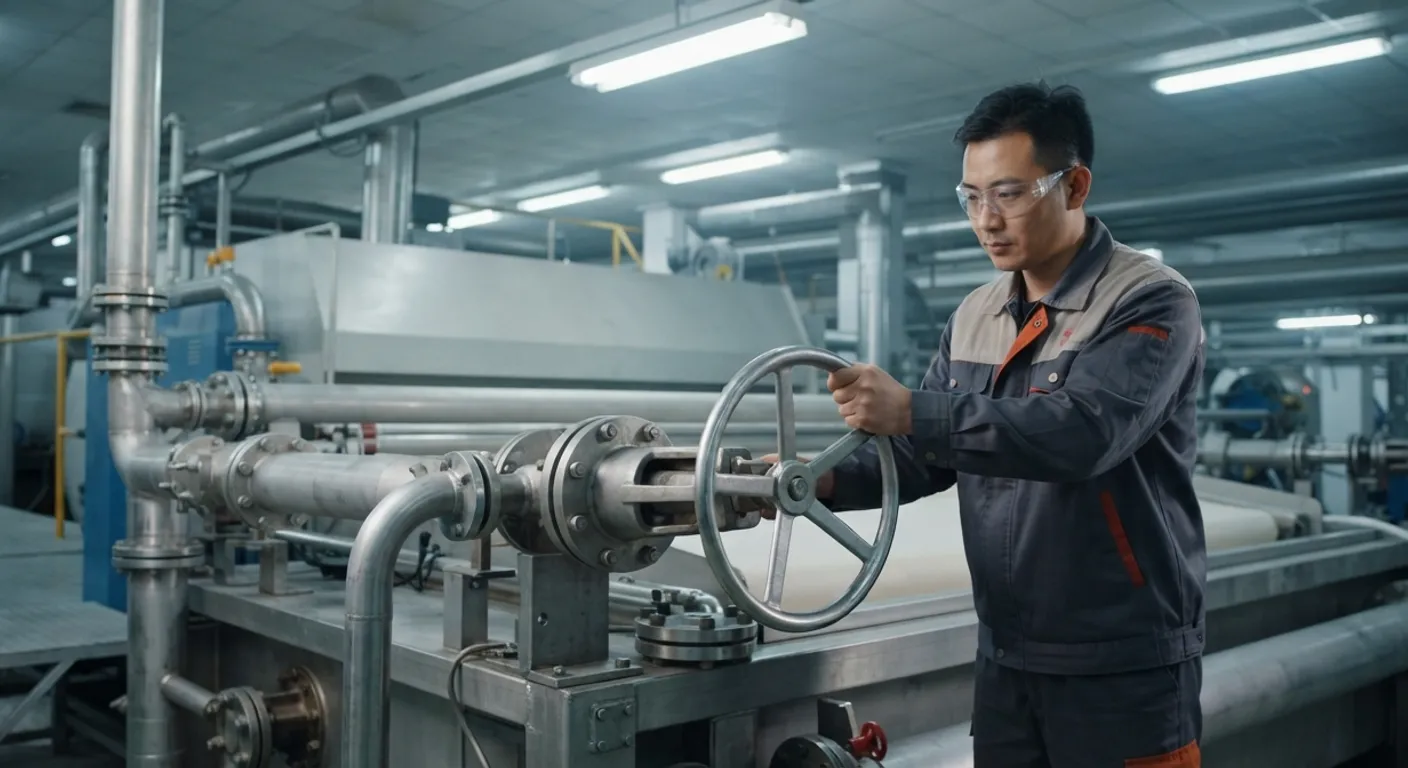
Shared finishing lines can contaminate a fluorine-free order. We treat them as contamination sources because the limits are very low and apply per homogeneous material.
Residual chemistry on a mangle or feed line can create non-obvious compliance risk even when the new order is written fluorine-free. That is our operational inference from the rule’s low-threshold structure.
- Freeze the BOM for the EU-bound order.
- List every fluorinated chemistry in the previous run.
- Isolate shared assets: padding mangle, tanks, feed lines, rollers, squeeze system, curing line.
- Drain residual bath and record lot numbers.
- Run the documented tank flush sequence.
- Run blank-flush material or sacrificial fabric.
- Batch-test the rinse or blank sample before production release.
- Approve the EU run only after QA sign-off.
- Retain pre-run, in-run, and post-run samples.
- Archive supplier declarations, batch IDs, internal records, and third-party reports.
⚙️ Technical Detail: Our release record captures flush volume, rinse cycles, clean-down chemical, hold time, and sign-off. Three managers sign. If the blank sample exceeds the limit, we hold the line and re-flush.
Expert Q&A: Performance, Omission, and Failure Points
Brands ask the same questions before they approve a C0 switch. Our Export & Compliance Coordinator, Angela, answers them below.
Q1: Why do C0 DWR systems underperform on oil repellency?
A: C6 fluorocarbon lowers surface energy, so oil beads. C0 polyurethane, silicone, and wax repel water well. Oil repellency drops.
Q2: Why can a bag still perform in rain if oil repellency drops?
A: Rain is water. Oil repellency is a separate test. Hydrostatic head, seam design, and coating still shed rain. Oil stains remain possible.
Q3: When should a brand shift performance to structure?
A: When oil repellency is not critical. Move the load to TPU lamination, high-density PU kiss-coating, seam sealing, denier choice, and construction changes.
Q4: Which bag categories can move fastest?
A: Promotional tote bags and lunch bags move fastest, followed by laptop bags and non-technical retail bags. Test first.
Q5: Where do most compliance failures come from?
A: Supplier opacity and shared-line residue surprise us more than the finish itself.
Terms in plain English:
- PFHxA-related substances: the chemical family around perfluorohexanoic acid.
- DWR: durable water repellent.
- C6 vs C0: fluorocarbon vs fluorine-free.
- Hydrostatic head: water pressure resistance in mmH2O.
- Oil repellency: AATCC 118 rating.
- TPU lamination: a thermoplastic film bonded to fabric.
- PU kiss-coating: a thin polyurethane layer on one side.
🧠 Expert Take: Most compliance failures come from supplier opacity and shared-line residue, not the finish itself. Test the layer, not the bag.
Angela Xu, Sales / Export & Compliance Coordinator
Testing Workflow and Customs Readiness

The law sets no single test method. We recommend a compliance stack: supplier declaration, BOM mapping, targeted lab testing, and retained traceability records.
Targeted PFAS analysis usually relies on LC-MS/MS after validation, as ECHA’s PFAS topic page explains.
Flowchart: BOM review -> supplier declaration -> incoming fabric risk ranking -> targeted testing -> purge validation -> finished-goods file.
Customs detention is a realistic business risk and a document-readiness issue, not a guaranteed legal outcome. Keep the file current.
Key Benefits: Turn PFHxA Compliance Into a Sourcing Advantage
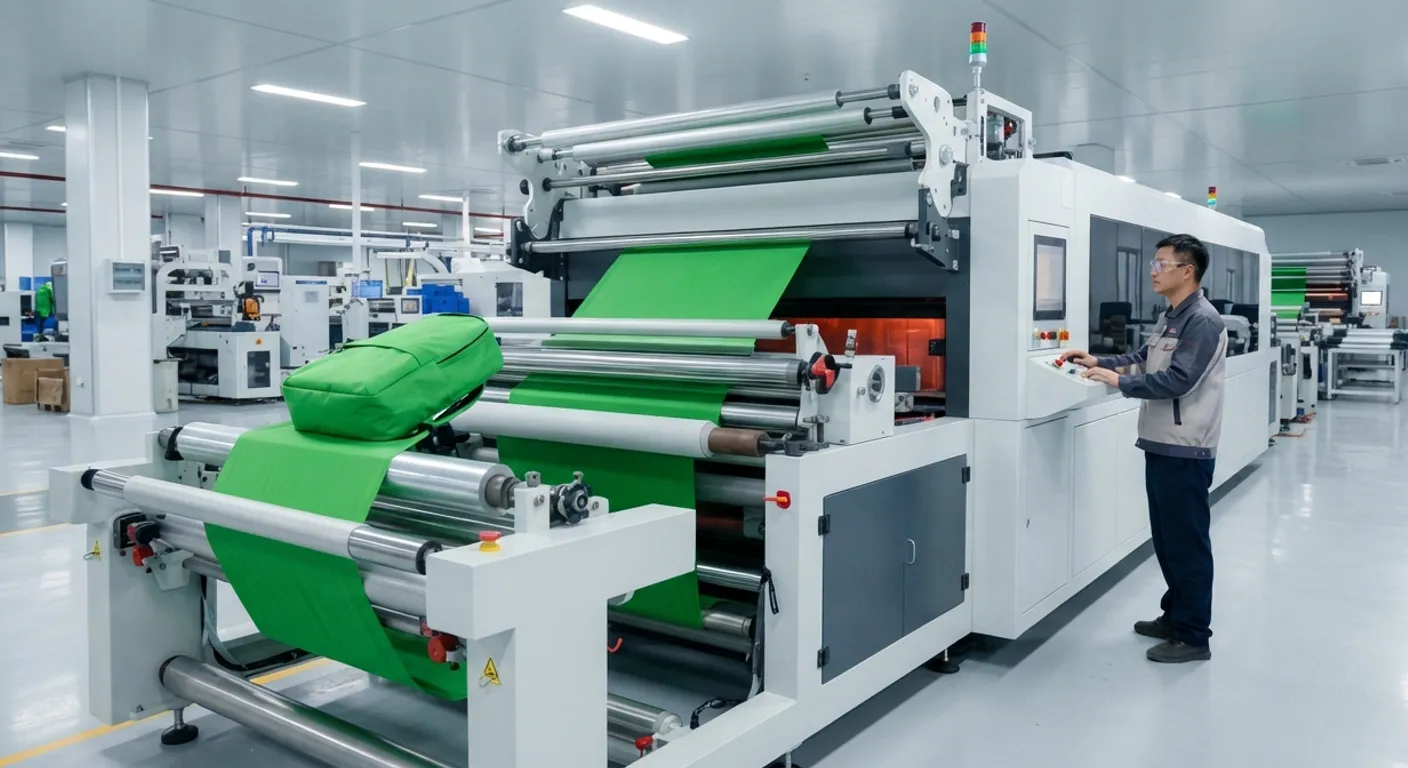
1. Cut Shipment and Launch Risk
A documented PFHxA restriction bags program kills last-minute blockers. We map each homogeneous material, collect declarations, and file test reports beside the BOM.
When EU buyers ask for evidence, your team sends one packet, not a scramble. Missing zipper-film data caused more delays than shell-fabric failures. Log the file under bag industry certifications.
2. Speed Material Approval Cycles
Standardize the BOM, approved mills, declarations, and test cadence. Repeat orders then move faster. We fixed the stall by locking a bag finishes spec and a shared test calendar.
Compare nylon vs polyester and Oxford fabric before you lock coatings. Use one accredited lab’s methodology note or an SGS report excerpt as your evidence base.
3. Build Cross-Market Readiness
Treat the EU PFHxA rule as one piece of a wider PFAS tightening trend. ECHA’s committees backed a broader PFAS restriction with targeted derogations in 2026. Brands that redesign now may avoid serial reformulations later.
Build a market matrix: EU first, then other regions with emerging PFAS rules. Use bag sourcing by region to match mill choices to destination risk.
4. Strengthen Product-Engineering Discipline
Fluorine-free systems force rigor. We tightened fabric selection, backing structure, seam construction, and performance claims. Test TPU coating as a structural water barrier. Move oil-repellency claims only with data.
Split ownership:
- Brand owns: intended markets, claim language, performance spec, cost delta, risk tolerance, substitution approval.
- Factory owns: raw-material mapping, supplier chasing, purge SOP execution, batch traceability, test coordination, escalation.
- Shared: claim review, sampling sign-off, inventory disposition.
🚀 Strategic Insight: Build one evidence packet per homogeneous material. It cuts buyer escalations and protects EU accounts.
Challenges & Limitations: What PFHxA Compliance Does Not Solve?
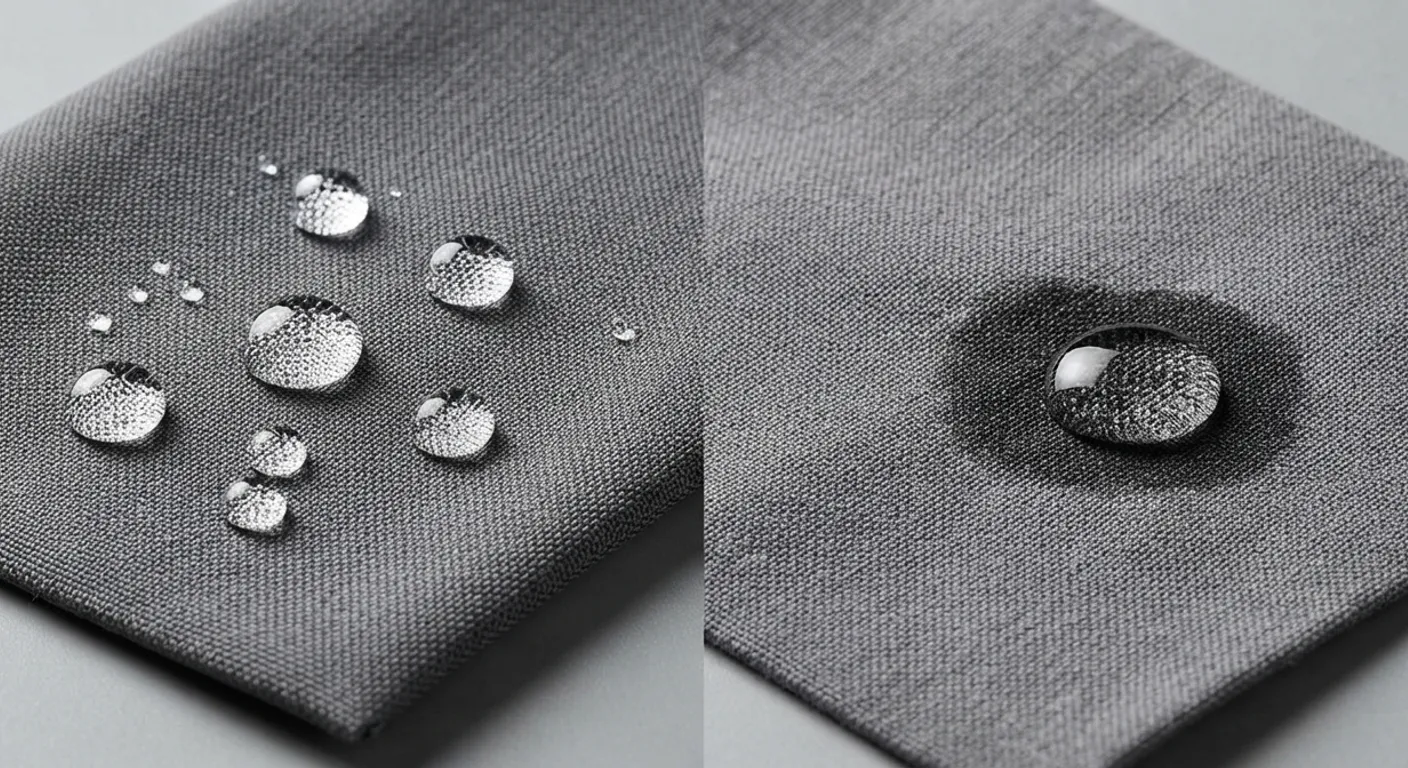
C0 finishes lose oil repellency first, and PFHxA compliance is not full PFAS immunity. PFHxA restriction bags face three trade-offs and one legal trap.
1. Fluorine-Free DWR Loses Oil Repellency First
C0 cuts PFAS risk but raises surface energy. C0 kept water beading while oil beading faded faster than C6. That weakens stain resistance and premium oil-repellent claims.
🛡️ Mitigation: use TPU lamination, denser weave, and seam sealing for oil-critical bags such as cooler bags.
2. Testing Has No Single Button
The rule prescribes no single analytical method. We use BOM maps, supplier declarations, targeted LC-MS/MS, and purge records. Lab methods vary, so two labs can produce different files. Missing zipper-film data delayed reviews more than shell fabric.
3. Inventory Decisions Hurt Before They Heal
Write a policy for produced goods, goods in transit, and goods placed on the EU market before the date. Placement facts matter, not warehouse location. Have legal review the exact facts.
4. PFHxA Compliance Is Not Full PFAS Immunity
The legal target is narrower than all PFAS. The policy direction is broader. ECHA is advancing a wider PFAS restriction. Track EU PFHxA first, then other markets.
Final Thoughts
For consumer-facing bags sold into the EU, PFHxA review is a current sourcing and compliance requirement, not a future watch item. The relevant accessory rule has applied since October 10, 2026.
Your action order: map the BOM by homogeneous material -> identify fluorinated exposure points -> validate replacements with real performance data -> purge shared finishing lines -> retain proof files.
The winners won’t be the factories that simply say “PFAS-free” first. They will be the ones that can prove the chemistry, maintain weather performance, and document every batch.
Ask my sourcing team for a low-pressure review of your current bag lineup. We offer PFHxA risk-component assessment, non-fluorinated alternatives, and sample development with internal and third-party test support.
For category-specific support, see our custom golf bags and custom travel bags manufacturing pages. Every claim above should match a verified report.
Disclosure: No chemical supplier paid for inclusion. All performance claims should match verified in-house and third-party reports.
People Also Ask About PFHxA Restriction Bags
1. Are TPU and PU coatings banned?
No. Neither TPU nor PU is banned by name. The rule restricts PFHxA and related substances above the concentration limits in each homogeneous material.
A coating can pass or fail depending on additives, catalysts, and residual chemistry. Ask for a per-material LC-MS/MS report and declaration, not a generic PFAS-free claim.
2. What is the difference between C6 and C0?
C6 uses fluorocarbon chemistry, so it repels both water and oil. C0 covers fluorine-free finishes such as PU, silicone, and hydrocarbon/wax.
C0 sheds water well but loses oil repellency first, so coffee and sunscreen can stain. For EU bags, C6 is the finish to phase out; C0 is the replacement path, subject to per-material verification.
3. What about already produced inventory?
Placement facts matter more than warehouse location. Stock already placed on the EU market before the application date may use transition provisions.
Goods still in production, in transit, or in a warehouse need legal review before you allocate them to EU orders. Keep dated invoices, shipping records, and batch IDs with the file.
4. How do you verify a fluorine-free claim?
Start with a BOM map by homogeneous material, then collect supplier declarations and an accredited LC-MS/MS report with detection limits.
Add a total-fluorine screen such as CIC if the supply chain is opaque, and keep purge records for shared finishing lines. Declarations alone are not proof; the file needs test data and traceability.
5. Are waterproof bags banned in the EU?
No. The rule restricts specific PFHxA substances; it does not ban waterproof bags or waterproof finishes.
A bag is compliant when every homogeneous material stays below 25 ppb PFHxA and 1,000 ppb related substances. The practical risk is a coated shell or zipper tape that fails screening, not the waterproof function.
6. What should I ask my supplier for?
Ask for five items: a BOM by homogeneous material, a per-material declaration, an accredited LC-MS/MS report with detection limits, purge records, and batch traceability.
A generic PFAS-free certificate is not enough. Match every document to the material and lot you are buying.