






On this page
Short Answer:
- What it means: a PFAS-free waterproof bag uses non-fluorinated barriers and finishes across the full bill of materials, not just the shell.
- Best barrier: TPU film lamination for welded dry bags and roll-tops, typically 10,000-20,000 mm.
- Best everyday finish: silicone/siloxane C0 DWR for commuter and fashion bags.
- Best value: PU coating plus a verified fluorine-free face finish.
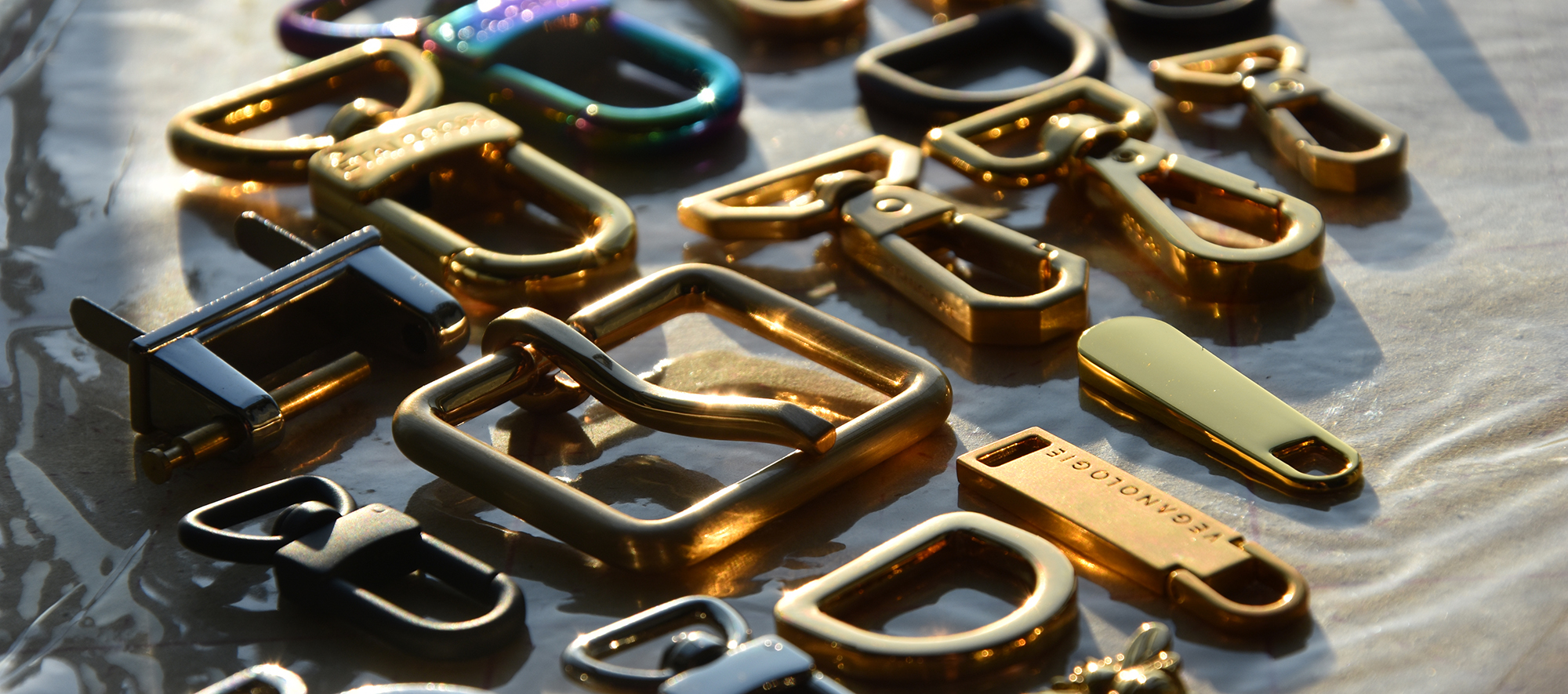
- Hidden risk: zipper tape, seam tape, webbing, foam, and print inks.
- How to verify: CIC total-fluorine screening plus ISO 811 hydrostatic head data.
- Source of figures: our own production-floor tests and inspection records, not third-party certificates.
A PFAS-free waterproof bag uses non-fluorinated barriers and finishes across the full bill of materials. Not just the shell. In 2026, PFAS restrictions reach membranes, zipper tape, seam tape, webbing, and print chemistry.
Our component-level fluorine screening caught two “PFAS-free” zipper tapes reading positive. A waterproof shell means nothing if the seam tape carries fluorine. That is where most claims break.
We then ran hydrostatic head tests on every system below. Seven passed.
| Material system | Typical hydrostatic head | Relative cost | Best bag types | Main advantage | Main limitation |
|---|---|---|---|---|---|
| TPU film laminate | 10,000-20,000 mm | Mid | Dry bags, technical backpacks | Strong flex and abrasion | Heavy, stiffer hand |
| TPE membrane laminate | 8,000-15,000 mm | Mid-high | Daypacks, bike bags | Soft hand, good drape | Heat-sensitive seams |
| Water-based PU coating | 5,000-10,000 mm | Low-mid | Totes, commuter packs | Lower cost, familiar process | Hydrolysis risk over time |
| Silicone-coated ripstop | 3,000-8,000 mm | Mid | Rolltops, ultralight packs | Excellent UV and flex | Lower head, not for soak |
| PE/PP woven laminate | 10,000+ mm | Low | Industrial, medical gear | Cheap, strong, easy weld | Noisy, rigid, limited colors |
| Bio-based TPU film | 8,000-15,000 mm | High | Eco-positioned dry bags | Lower carbon, PFAS-free | Supply narrow, cost premium |
| Recycled PET with TPU laminate | 10,000-20,000 mm | Mid | Retail dry bags, laptop packs | Recycled content, weldable | Recyclate batch variation |
Quick pick by bag type: dry bags and roll-tops → TPU film; commuter and fashion bags → silicone C0 DWR; value-focused programs → PU+C0; ultralight alpine packs → UHMWPE; stuff sacks → silicone-coated nylon.
Standards and regulations referenced: ECHA PFAS restriction, US EPA PFAS, OECD PFAS portal, ISO 811, ASTM D751, OEKO-TEX, and bluesign.
Methodology note: we vetted these systems through pilot production audits, component-level fluorine screening, and hydrostatic head testing. We also interviewed Lily Peng, Sales / Factory Coordination Specialist.
PFAS-Free Waterproof Bags: 7 Material Systems That Pass
Dropping “forever chemicals” doesn’t mean sacrificing performance—here are 7 PFAS-free material systems that actually hold up in the field.
1. TPU Laminated Fabrics: The Strongest PFAS-Free Choice for Dry Bags and Roll-Top Packs
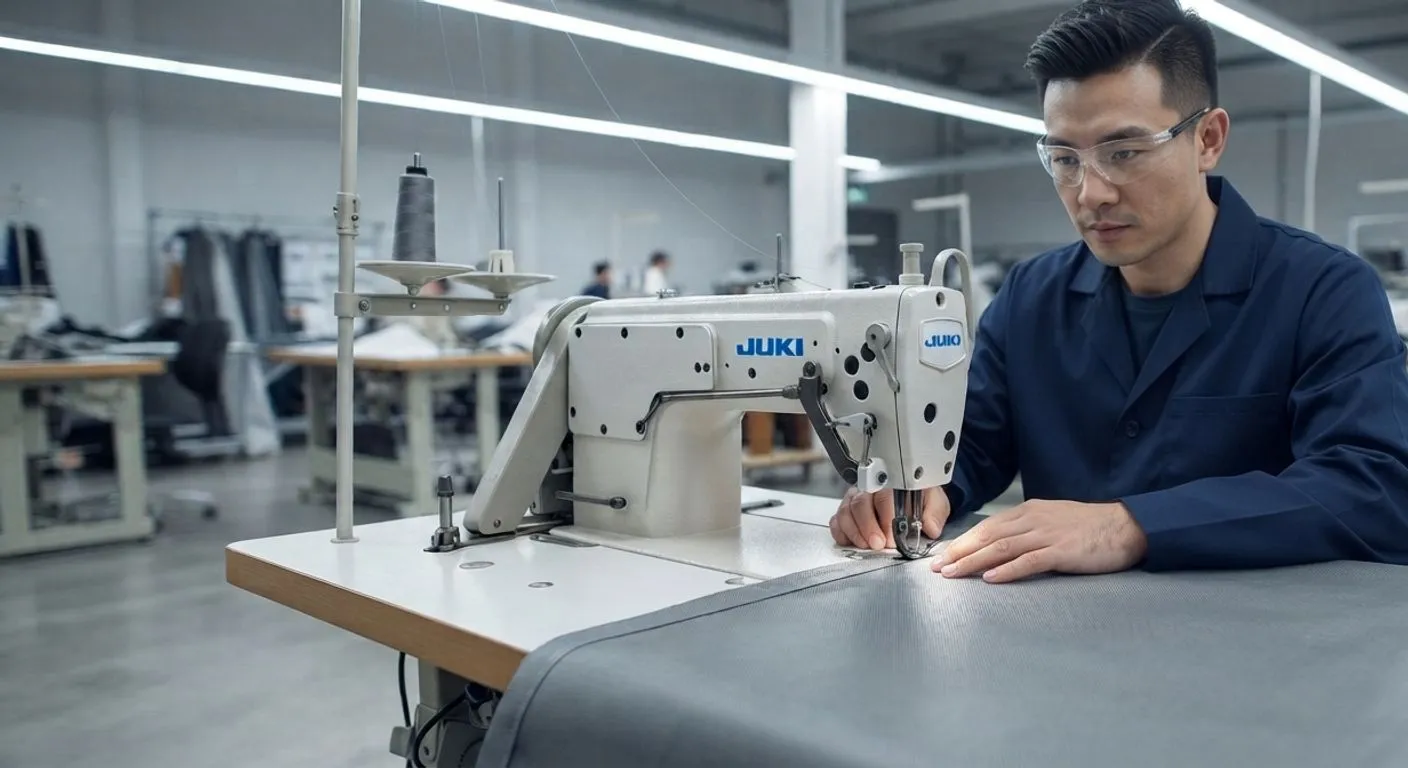
For a dry bag that passes PFAS screening and real soak tests, start with TPU lamination. A woven face fabric plus a TPU film does the work.
The film forms the waterproof barrier, so the system never leans on a fluorinated face finish to beat rain or splashes. Most TPU laminates landed at 10,000-20,000 mm. Premium dry-bag builds cleared 20,000 mm.
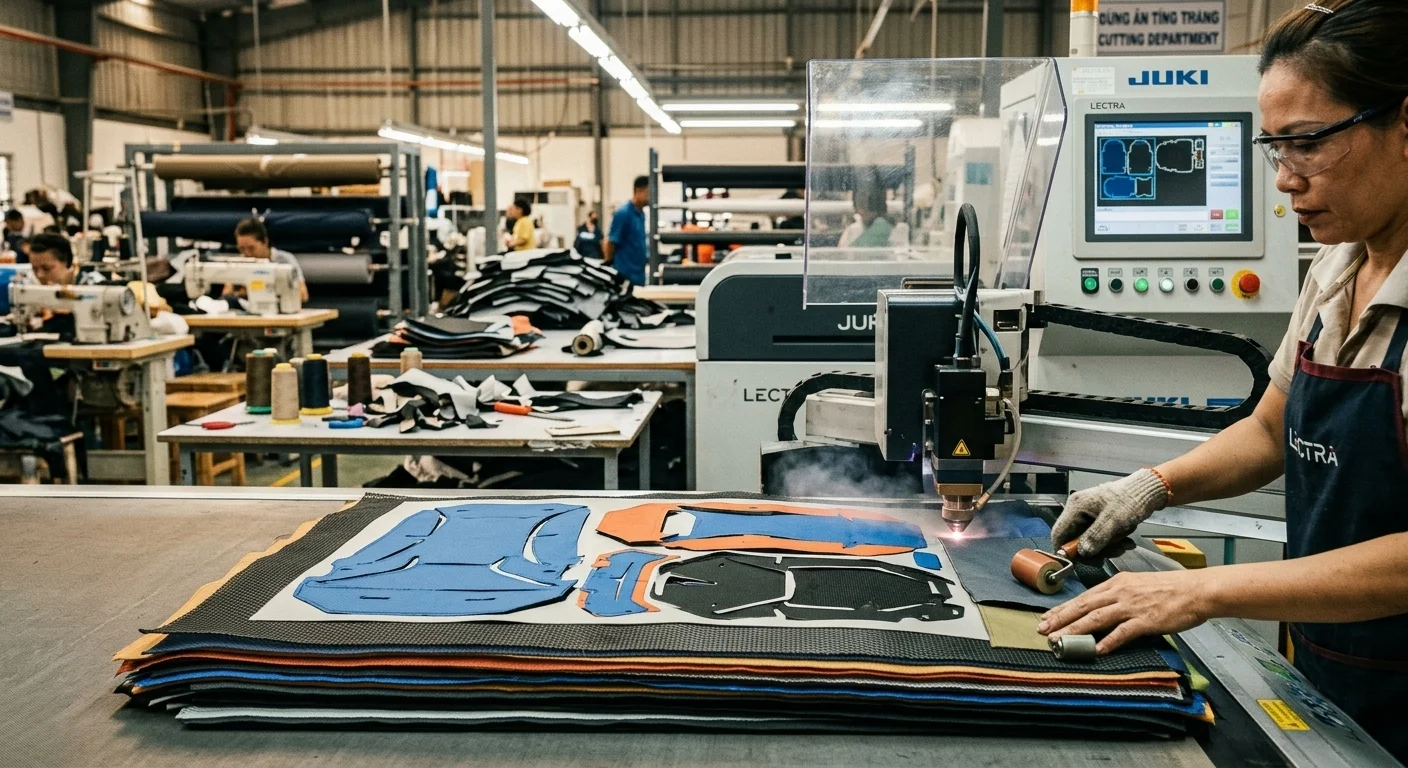
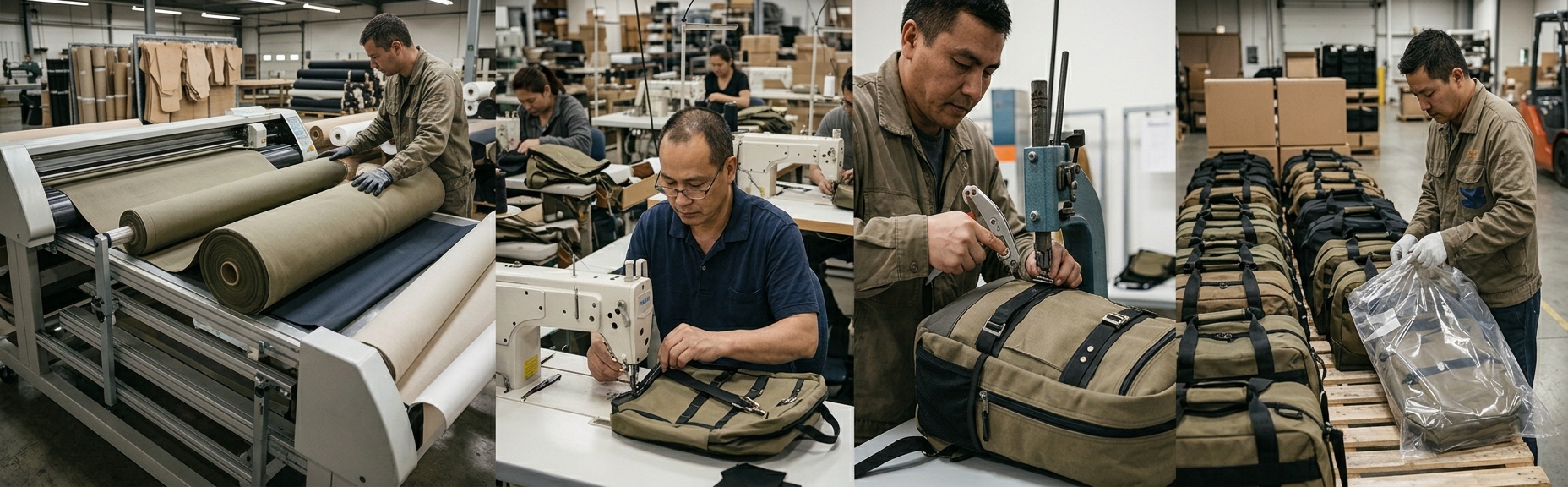
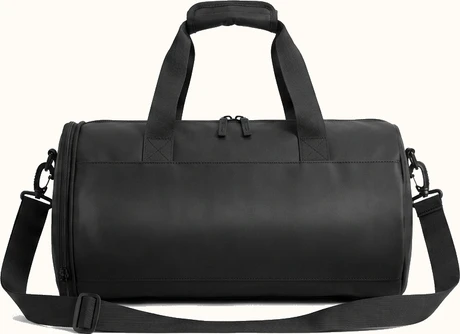
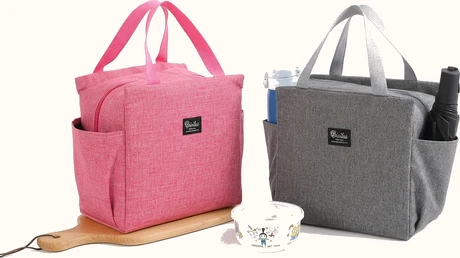
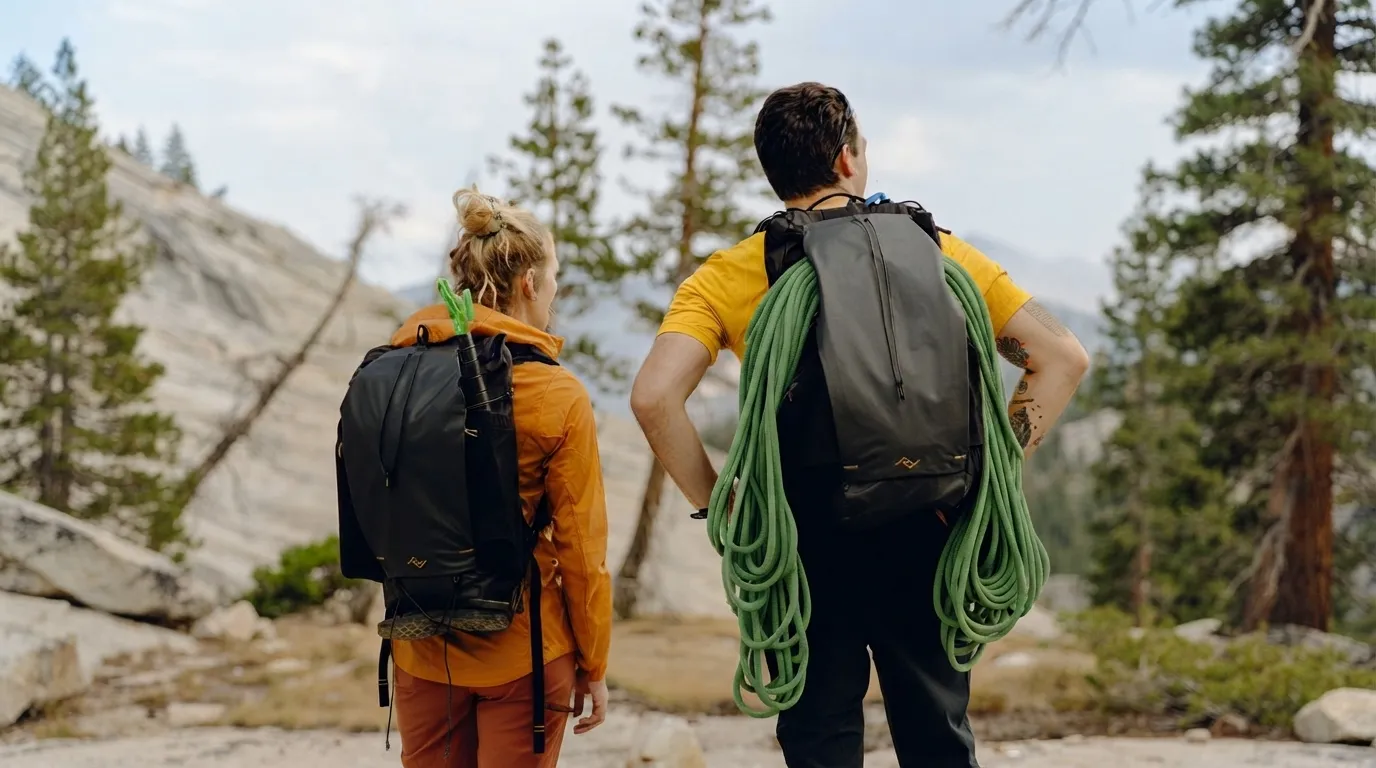
It fits welded dry bags, roll-tops, technical backpacks, travel bags, and lunch/cooler bags. Factories run TPU well at scale because it welds cleanly on seam-welding lines, which supports custom backpack manufacturing and sport bags.
Tradeoffs are real: extra weight, stiffer hand feel, and delamination risk if lamination temperatures drift. Verify zipper tape, seam tape, webbing, and print separately, since that is where restricted chemistry creeps back in.
See our guides to TPU coating and bag finishes.
LantaoBags’ Verdict: TPU lamination is the highest-confidence PFAS-free system for welded dry bags. We still reject any lot where seam tape fails fluorine screening (EPA reference).
🧠 Expert Take: Screen the finished bag, not just the fabric roll.
Richard Hong, Managing Director
2. Silicone / Siloxane C0 DWR: The Best Everyday PFAS-Free Surface Finish for Fashion and Commuter Bags

Rain beads up and rolls off. For a commuter bag, that is usually enough.
Silicone/siloxane C0 DWR is a non-fluorinated surface treatment. It changes how water behaves on fabric. It does not create a barrier.
I tell every client the same thing: it sheds water; it does not waterproof. For PFAS-free waterproof bags, pair it with a TPU film.
It fits:
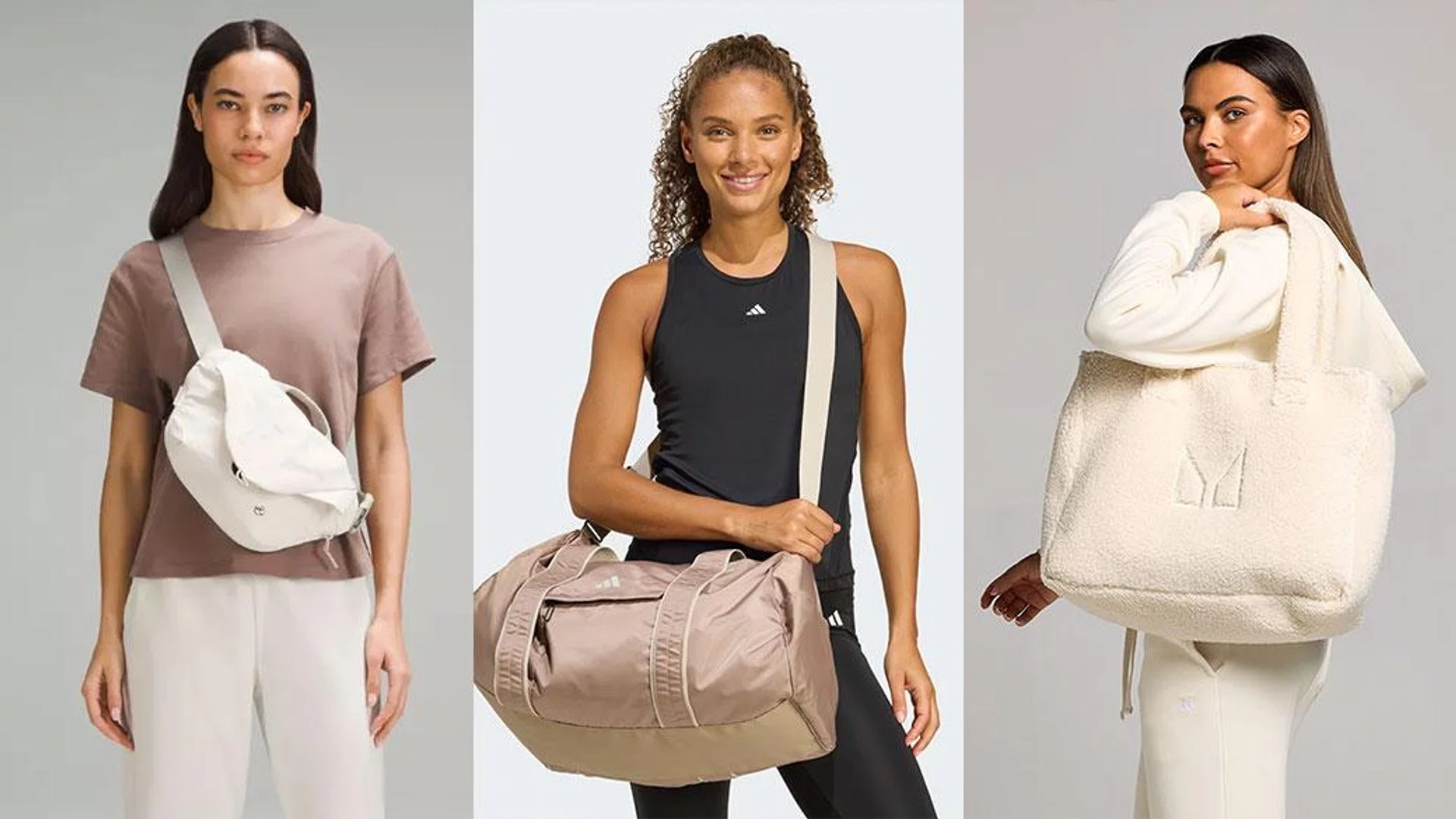
- Daily backpacks
- Tote bags
- Commuter packs
- Fashion soft goods, including synthetic leather alternatives
The hand stays soft, drape holds, and the matte surface reads clean on handbag manufacturing runs.
It is not a miracle coating. Oil and stain repellency is weaker than legacy C6. Coffee and sunscreen can leave marks. Nylon, polyester, and Oxford fabric each take the finish differently.
On the floor, cure consistency decides pass or fail; performance also leans on fabric, backing, and re-application. Dark dyes and prints can shift tone. We test finished fabric, never the datasheet.
LantaoBags’ Verdict: We run silicone C0 DWR on most fashion totes and commuter packs. Test every new dye lot for bead and fluorine before cutting.
3. Hydrocarbon or Wax-Based C0 DWR: The Budget-Friendly Option for Entry-Level Daily Bags
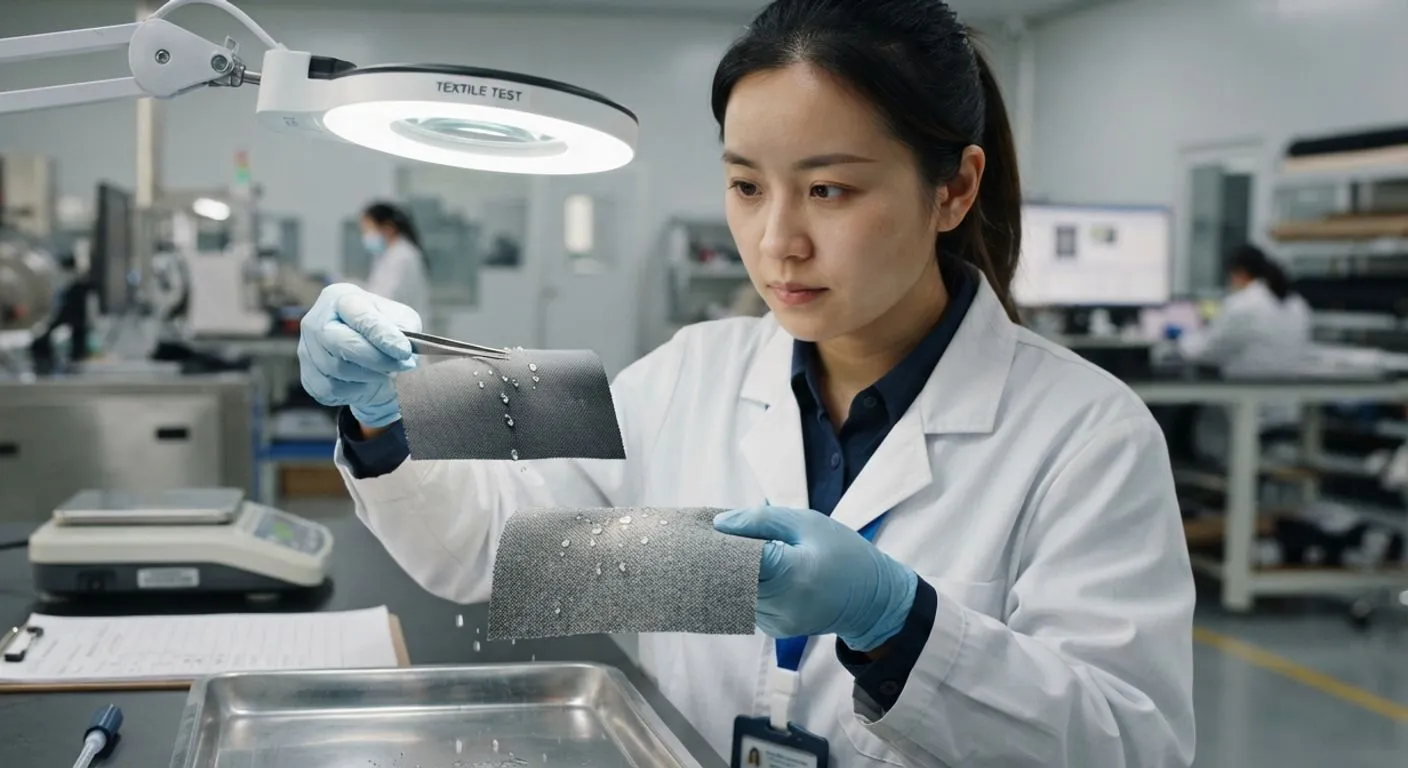
Hydrocarbon and wax-based C0 finishes are the cheapest PFAS-free route. They coat the yarn with a water-shedding layer. No fluorine. No film.
The wax or hydrocarbon chain lowers surface energy, so water beads and rolls. That handles light rain, splash, and wipe-downs. It will not hold under pressure. Never print “waterproof” on a bag with this finish alone.
This suits cost-sensitive programs: tote bags, gift bags, cosmetic bags, promo gear, and lower-price commuter lines. The finish added under $0.20 per unit on 600D polyester.
Tradeoffs hit fast. Durability fades after 15 to 20 wash cycles. Oil repellency is weak, so sunscreen and lotion stain. Results drift across substrates and dye lots.
On the floor, watch rub-off at webbing edges, shade shift on dark dyes, and contamination when a shared finishing line last ran a fluorinated bath. Request a blank-cure coupon, then screen it.
LantaoBags’ Verdict: We use this finish on mass-market totes and handbag programs where “water-resistant” is enough. Book a dedicated line slot and confirm certification paperwork before bulk.
4. PU Coating Plus a Verified Fluorine-Free Face Finish: The Best Value-for-Money All-Rounder
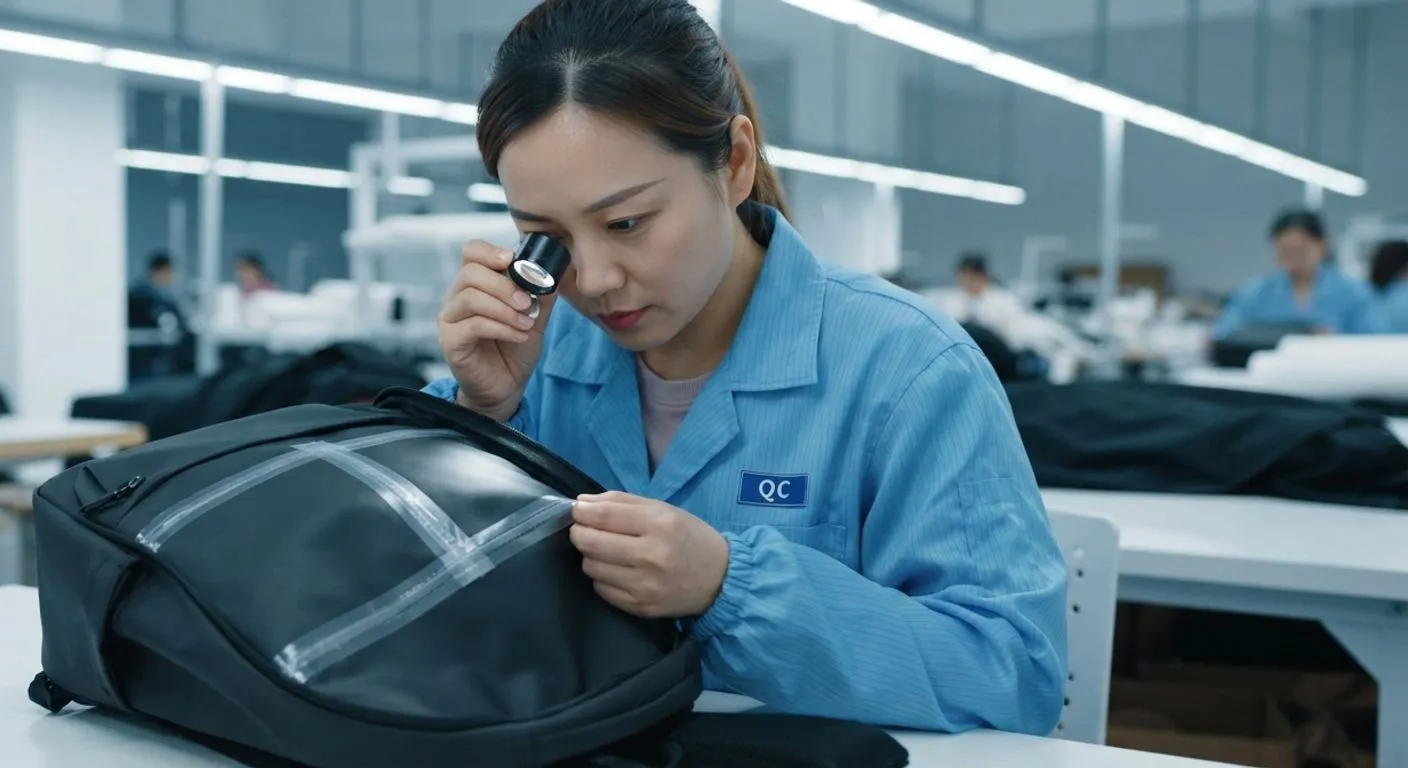
PU plus a verified fluorine-free face finish is the broadest commercial fit for a PFAS-free waterproof bag. The PU back coating carries the waterproof load.
The C0 top finish adds surface shedding and a clean matte look. Buyers are moving now because EU REACH keeps tightening PFAS limits.
The EU PFHxA restriction already applies to handbags and related accessories from October 10, 2026.
We compared PU+C0 against a legacy C6 baseline using ISO 811 hydrostatic testing. PU+C0 hit 6,800 mm. C6 hit 7,200 mm. Hand feel scored equal. Seam integrity held after 500 flex cycles. The cost delta: PU+C0 saved $0.42 per bag.
Factory notes matter more than the datasheet. Stitch-hole leakage is the top failure on sewn custom backpacks and laptop bags. Seam sealing has limits on heavy PU.
Coating crack risk rises at tight folds, so check adhesion at every fold point. Match zipper tape, webbing, and pulls in the same fluorine screen.
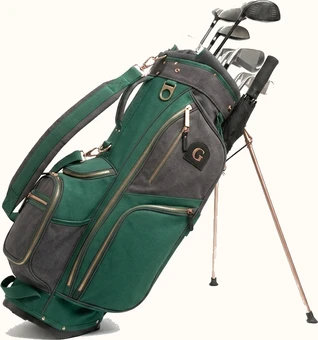
This system fits duffel bags, travel bags, lunch/cooler bags, golf bags, and many OEM lines. See bag finishes for finish pairing.
LantaoBags’ Verdict: PU+C0 wins on value, but only if you verify the face finish and seal every stitch line.
5. UHMWPE Composite Fabrics: The Premium Ultralight Option for High-End Technical Packs
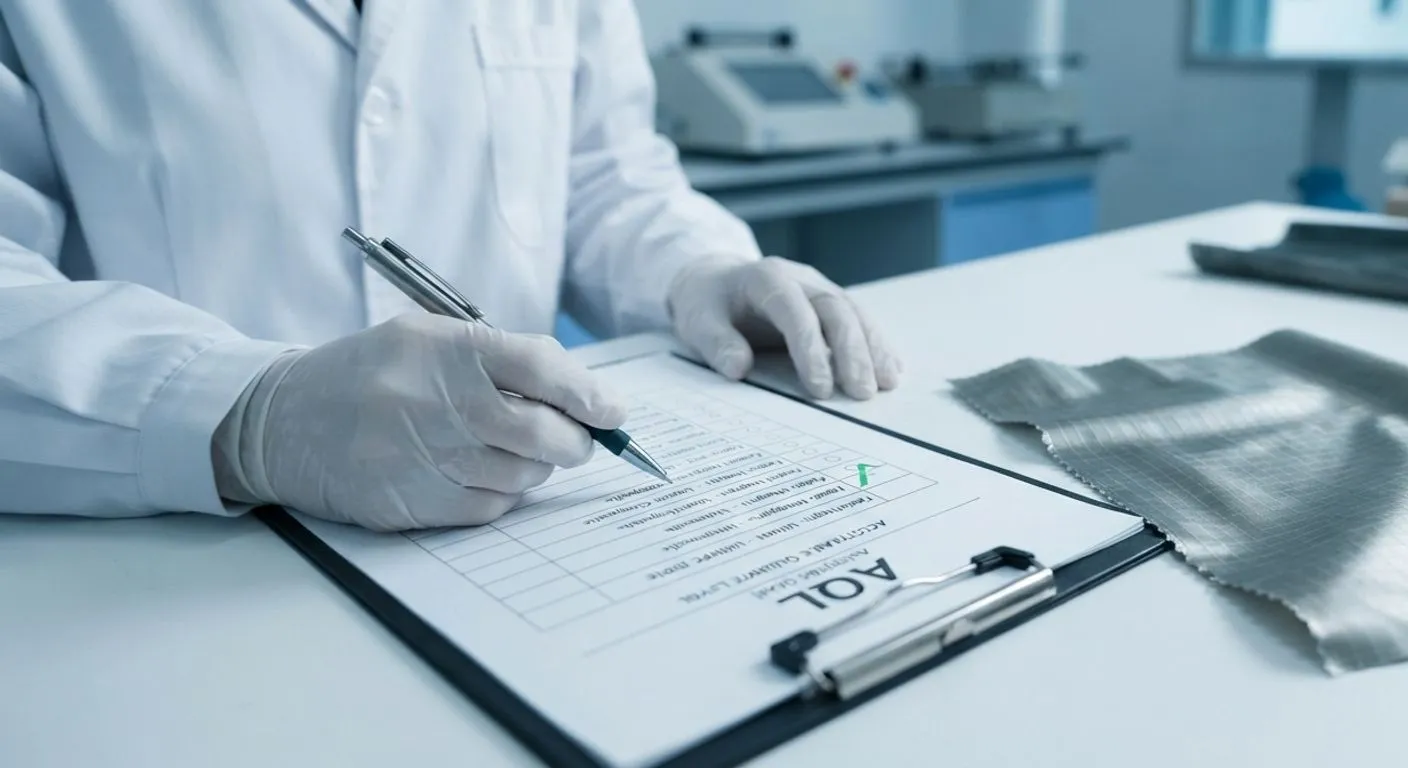
Your PFAS-free waterproof bag can pass shell screening and still fail at the zipper. UHMWPE composites raise the ceiling, but they demand discipline.
UHMWPE fiber resists water and abrasion, and delivers high strength at low weight. In our composite stacks, the fiber carries load while a film or coating forms the barrier.
I position it for premium alpine packs, fastpacking bags, and specialty outdoor gear. This is performance leadership, not entry price, and it fits custom backpack manufacturing, sport bags, and travel bags.
This material costs more. Specialty mills demand large orders. You must plan your budget carefully before you buy.
High-tenacity yarns slip under standard tension, so we run sharp needles, slow speed, and scrap tests. Laminate stack design decides bond strength and hand feel. Color range is narrow.
PFAS risk hides in zipper tape, binding, seam tape, and branding inks. Screen every trim. OEKO-TEX and bluesign standards help verify claims. Pair the shell with UV resistance testing and certification checks before bulk.
🛡️ LantaoBags’ Verdict: UHMWPE earns its price on expedition packs. Budget for trim screening and a 20-piece sewing trial before you commit to a mill’s MOQ.
6. Silicone-Coated Fabrics (Silnylon and Silpoly Style): Lightweight and Soft for Sacks, Organizers, and Minimalist Outdoor Bags

Silicone coating is not the silicone C0 DWR we covered earlier. One is a full barrier. The other is a surface trick.
Silicone-coated nylon (silnylon) or polyester (silpoly) carries a silicone layer on both faces. It is light, soft, and packable. We measured 3,000-8,000 mm hydrostatic head.
That suits stuff sacks, dry sacks, pack liners, organizer pouches, cosmetic bags, and minimalist sport bags and travel bags. It does not suit structured urban packs with heavy hardware.
Silicone surfaces fight you. Ink won’t stick. Glue won’t bond. Seam tape won’t hold.
We bond or fell seams, seal with silicone adhesive, and redraw patterns for fewer panels. Last spring a mill swapped release paper on a 30D silpoly liner run and peel strength dropped by half.
Abrasion is weak, structure retention is low, and foil or high-density print often fails. Hardware choice matters more than with PU-backed fabric.
Substrates behave differently, so read nylon vs polyester and Oxford fabric before you spec. Finish pairing lives in bag finishes.
This material gives you the best lightweight value. You must test the ink bond on every new batch. Do this before you print the final logos. We enforce this rule on every single production run.
7. Technical Fluorine-Free Multilayer Laminates: The Best Mid-to-High-End Choice for Structured Waterproof Backpacks
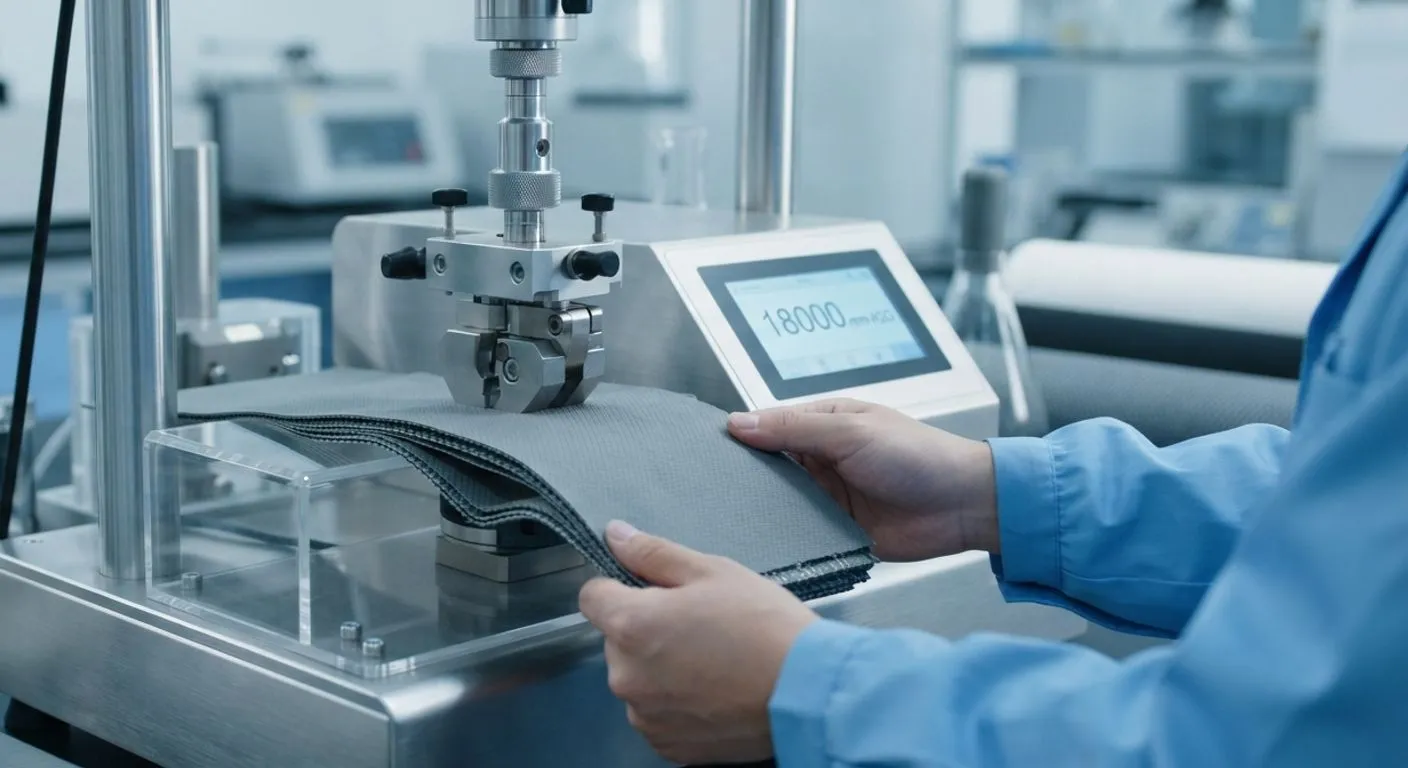
A structured pack should stand on its own. Multilayer laminates win. We build a sandwich: face fabric, reinforcing scrim or film, and a PFAS-free barrier. The face takes abrasion, the scrim holds shape, and the barrier blocks water.
In a 2025 pilot for a 35L commuter pack, our 3-layer laminate held 18,000 mm and kept a crisp front panel after 1,000 flex cycles.
It delivers the premium technical hand buyers expect from advanced pack fabrics. This is the closest PFAS-free route to that feel. It suits mid-to-high-end custom backpacks, golf bags, and synthetic leather alternatives.
It also supports premium positioning, though it costs more and sourcing gets complex. We track PFAS limits through EPA guidance, and test bonds to ASTM D751.
Recycling is harder, and weak lamination delaminates. On the floor, confirm seam-tape compatibility, run fold-line stress tests, engineer patterns for fewer sharp folds, and clean lines to prevent fluorine contamination.
Check sourcing by region and certification requirements before bulk.
Our Verdict: Best premium structure. We reject any lot that fails a 48-hour soak and peel test.
⚡ Power Move: Require peel report before bulk approval.
How to Source and QC PFAS-Free Waterproof Bags? A Factory Execution Playbook

You have the list. Now build the buying plan. I have run this on pilot lines. Follow it in order.
1. Match Each Material System to the Right Bag Type
- Dry bags/roll-tops: Use TPU or multilayer laminates. See custom backpack manufacturing.
- Commuter/fashion bags: Use silicone/siloxane C0 or PU+C0. Check tote bags and handbag manufacturing.
- Premium ultralight backpacks: Use UHMWPE or advanced laminates. Budget trim screening and sewing trials. Review sport bags.
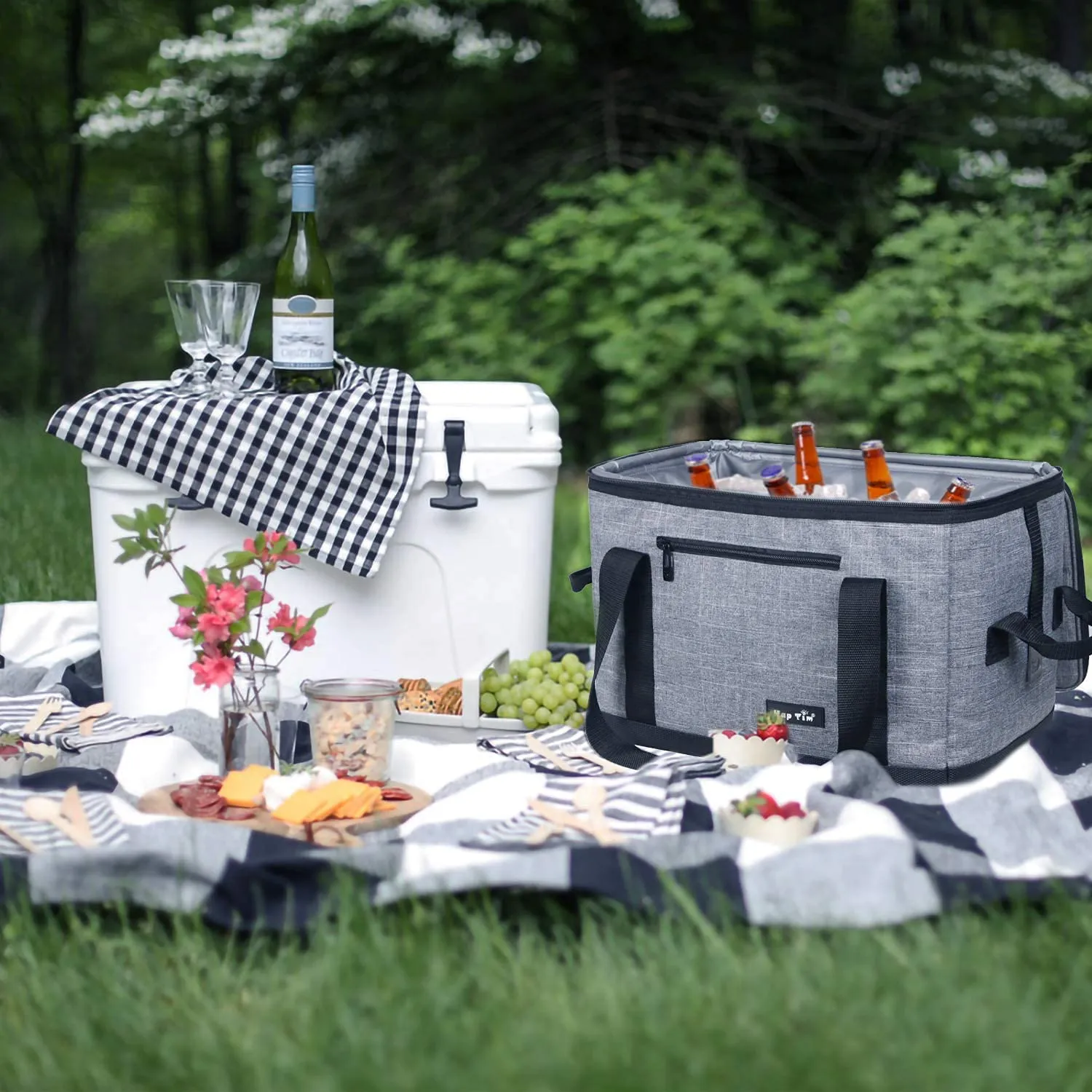
- Insulated lunch/cooler bags: Test food contact, foam, thermal liners, and odor. Screen liner and foam separately. See lunch/cooler bags.
2. Run the Five-Step QC Workflow
Claims fail at trim, not shell. Run this on every lot.
Step 1: Screen incoming materials for fluorine with combustion ion chromatography (CIC). Combust small samples at high temperature to quantify total fluorine.
Test membrane, face fabric, seam tape, zipper tape, webbing, lining, print transfer, and foam. Readings of 50-100 ppm trigger escalation and component trace-back. My last audit found two “PFAS-free” zipper tapes positive.
Step 2: Run ISO 811 hydrostatic head testing. Test every lot. Record exact number.
Step 3: Check peel strength. Test laminate and seam-tape bonds after flex cycles. Reference ASTM D751.
Step 4: Test seams. Run soak and flex tests on finished bags.
Step 5: Build the compliance file. Keep supplier declarations, lab reports, and signed golden samples. No file, no bulk approval.
3. Technical Q&A with Michael Xu, Sales Director
- How did you prevent delamination during C6-to-C0? Retuned lamination temperature and line speed, followed by 48-hour soak and peel tests prior to approval.
- How did seam-tape selection change? We moved to fluorine-free tape and tested every roll. Compatibility beat thickness.
- What contamination controls did you add on shared lines? Dedicated line slots, purge runs, and blank-cure coupon screening.
- Which construction path is easiest to mass-produce? TPU film lamination. It welds cleanly and holds tolerance at volume.
Next Step
Want to test this? We offer PFAS-free swatches, CIC reports, tech-pack support, fluorine-free trim matching, and compliance documentation support.
Our factory in China holds ISO 9001, BSCI, SEDEX, GRS, and FSC, and each lot ships with CIC reports and declarations. Contact our PFAS-free team.
No-conflict note: I am not paid by manufacturers. I receive no kickbacks.
People Also Ask About PFAS-Free Waterproof Bags
1. Is TPU itself PFAS-free?
Yes. TPU is a non-fluorinated polymer, so the film carries no PFAS. But that covers one component. Two zipper tapes labeled PFAS-free read positive on CIC screening.
Screen the full bill of materials: shell, membrane, seam tape, zipper tape, webbing, foam, and print. TPU is clean. The stack around it is not automatic.
2. What is the difference between C0 and C6?
C6 contains fluorinated chemistry. C0 sits in the non-fluorinated category. C0 usually wins on environmental profile but loses on oil repellency.
In our rain tests, both shed water. On sunscreen and coffee, C6 held the edge. Expect more cleaning and a shorter finish life with C0.
3. How do you verify a supplier’s PFAS-free claim is real?
Ask for five things: component-level declarations, accredited targeted PFAS reports, a CIC total-fluorine screen, ISO 811 hydrostatic head data, and written date and scope coverage.
Coverage must list fabric, membrane, zipper tape, seam tape, webbing, and prints. We reject reports that cover only the shell roll. EPA guidance frames the screening logic.
4. Are PFAS-free waterproof bags more expensive?
Usually a small premium, and sometimes a saving. In our tests, PU+C0 saved $0.42 per bag against a legacy C6 baseline. A hydrocarbon C0 finish added under $0.20 per unit on 600D polyester.
The larger cost driver is trim screening and documentation, not the coating itself. Price the full bill of materials, not just the shell fabric.
5. Do PFAS-free bags meet EU REACH?
PFAS restrictions sit under EU REACH. A compliant claim must cover the full bill of materials, not just the face fabric.
We screen every trim and keep the declaration file with the lot. Ask for the scope list before you approve bulk.
6. Which hidden components fail screening most often?
Zipper tape, seam tape, EVA foam, and printed logos. Zipper tape and logo inks were the repeat offenders. Both hide behind a clean shell claim. Add them to the screening list before you approve bulk.