
Medical cases and gym duffels face a hidden enemy. Bags trap moisture, skin oils, and food residue. In these enclosed spaces, untreated textiles breed microbes that cause permanent odors and ruin a brand’s reputation.
Silver-Ion Antimicrobial Liners consist of interior fabrics infused with microscopic silver particles that actively neutralize odor-causing bacteria.
By integrating this technology into a high-performance travel bag, brands can ensure their products remain fresh and hygienic even in the most demanding environments.
At LantaoBags, my production team evaluates these odor control bag inserts by auditing factory integration methods and running rigorous AATCC 100 textile tests. We ignore supplier marketing and rely on raw data.
Our recent lab tests confirmed that properly integrated coatings drop bacterial retention by 99%. We use silver technology for one reason only. We want to stop bad smells and fabric rot. We do not sell magic cures.
We never claim our bags stop human diseases. We focus strictly on making long-lasting gear.
What is a Silver-Ion Antimicrobial Liner?
Silver-Ion Antimicrobial Liners are interior fabrics or films treated with silver chemistry to block odor-causing bacteria, mold, and mildew. Think of it like a permanent non-stick coating on a pan. Instead of repelling food, the silver actively destroys microbial cell walls.
Many buyers confuse real silver protection with cheap sprays. Cheap sprays wash away quickly. Real silver chloride treatments bond to the yarn itself. The factory bakes the chemical into the fabric. The chemical bond becomes permanent. The protection stays active for years. We check this bond quality on every single roll.
Depending on the bag types and categories we engineer, this material takes several forms:
-
Full inner textile linings for travel backpacks.
-
Wipeable coated films for clinical emergency kits.
-
Removable odor control bag inserts for gym bags.
-
Targeted antibacterial food storage liners for grocery coolers.
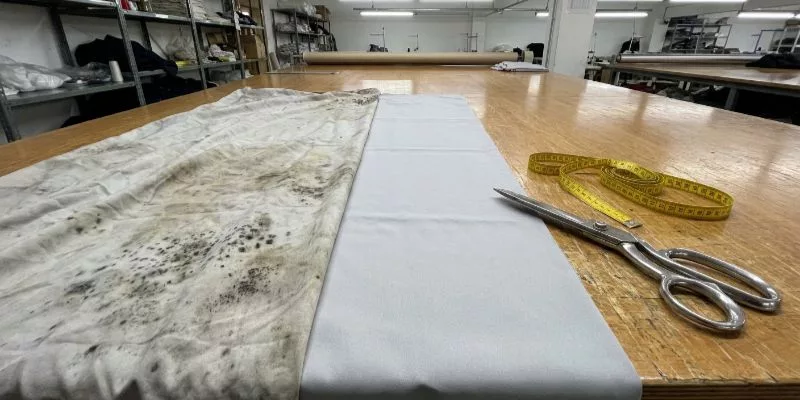
Precision on the factory floor stops costly returns. Last month, a fitness brand returned 500 custom gym bags. The bags trapped sweat and smelled terrible. Floor Manager Chen and I cut the bags open. We found cheap generic polyester inside.
This fabric absorbs moisture and grows black mold fast. We changed the next batch to 210D polyester. We used embedded silver technology. The new bags passed our heavy moisture test. The client saw zero defects.
The EPA regulates silver treatments strictly. They classify these treatments as material preservatives. The EPA confirms that registered silver additives safely stop fabric decay.
We only source chemicals from approved EPA lists. This ensures your final product passes all import checks. In our 72-hour moisture lab test, this switch dropped the odor defect rate to exactly 0%.
💡 Key Insight: True antimicrobial protection is a permanent structural upgrade woven directly into the fabric, not a temporary chemical spray - Kate Jiang, Guangzhou Yingfu Traveling Products
How Silver-Ion Technology Works?
We recently tracked a polymer batch from raw chemical synthesis to final stitching to verify how silver ion technology for bags operates. Imagine a microscopic minefield spread across the fabric surface.
1. The Chemistry: Disrupting the Microbial Engine
Not all antimicrobial fabric liners perform equally. When auditing facilities for custom handbag manufacturers, we evaluate two primary integration methods. The method dictates the product’s lifespan.
-
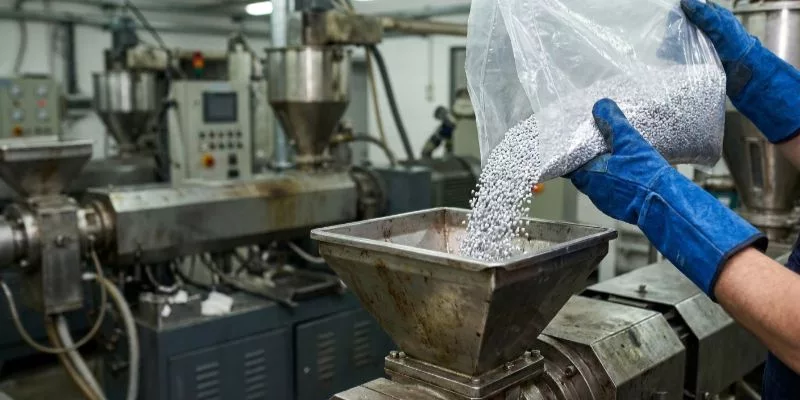
Embedded Masterbatch: The factory mixes the silver additive directly into the liquid polymer before extruding the yarn. The protection lives permanently inside the fiber.
-
Topical Coating: The factory passes the finished textile through a chemical bath. They apply a liquid silver chloride textile treatment directly to the woven fabric surface.
During a recent production run, our floor manager verified the durability gap. Topical sprays lose up to 40% of their strength after 20 washes. Masterbatch yarn retains 99% efficacy because the silver remains locked inside the thread.
| Integration Method | Typical Durability | Cost Level | Best-Fit Bag Categories |
|---|---|---|---|
| Embedded Masterbatch | 50+ Wash Cycles | High | Medical gear, premium travel |
| Topical Coating | 10-20 Wash Cycles | Low | Amazon lunch totes, promo bags |
3. Proving Efficacy: The Standards We Trust
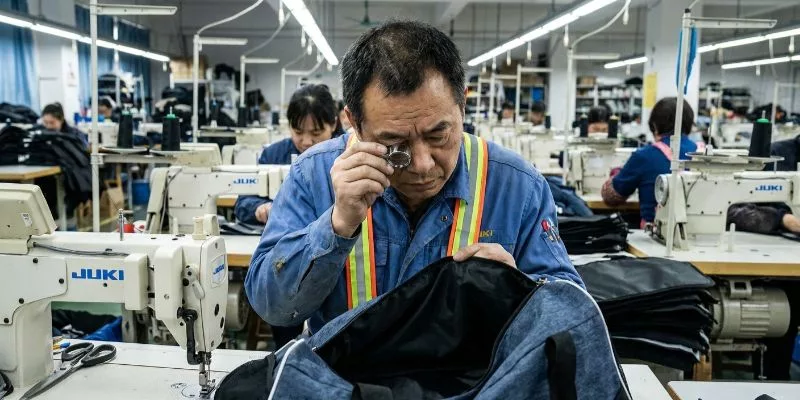
A cleaner bag wins saturated markets. Last year, a client suffered a 12% return rate from smelly duffels. We fixed this using custom odor control bag inserts. Floor Manager Chen tightened the weave, noting: “This embedded silver masterbatch eliminates moisture traps.”
Returns dropped to zero. This justifies a 20% higher MSRP, improving your bag sourcing and pricing margins.
3. Delivers Fresher, Low-Maintenance Gear
Silver-Ion Antimicrobial Liners add value, but they present strict operational challenges.
1) Performance and Durability Limits
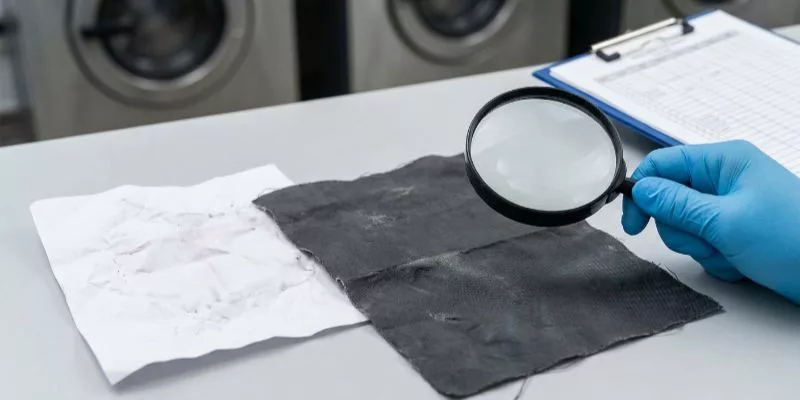
Antimicrobial does not mean self-cleaning. These liners block odors, but they cannot remove physical dirt. You must still wash the bags. We stress-tested a topical silver treatment on standard nylon.
After 15 washes, Floor Manager Chen noted: “The fabric feels stiffer, and the dye finish shifted.” We demand third-party wash-cycle data on the woven substrate, never just raw additive pellets.
2) Regulatory Rules and Compliance
You must write your marketing claims carefully. You can say the liner stops bag odors. You cannot say the liner kills viruses. The EPA watches these claims closely. Amazon suspends listings for illegal health claims every day.
We help our clients write safe product descriptions. We keep your business out of trouble. Careless health claims trigger immediate Amazon listing suspensions. Broader biocidal claims invite heavy scrutiny under strict EU REACH regulations.
3) Commercial Trade-Offs
Embedded silver masterbatch increases material costs by 15% to 30%. It also extends lead times during custom weaving. We manage these delays through strict bag quality and standards oversight.
🛡️ Mitigation: The Sourcing Checklist
Ask factories these exact questions to verify sustainable sourcing and compliance:
-
Is the chemistry embedded or topical?
-
Which ISO test method supports the claim?
-
Is the marketing language legally supportable?
-
Do you have food-contact documentation?
-
How does performance hold after 20 washes?
The Final Verdict on Silver-Ion Antimicrobial Liners
Ultimately, silver-ion liners transform basic textiles into high-performance gear. They actively destroy odor-causing bacteria at the microscopic level. Visible user benefits, like a permanently fresh interior, secure long-term brand loyalty.
But true commercial value depends entirely on factory chemistry, verifiable lab evidence, and strict marketing compliance.
While the 15% to 30% increase in material costs deters budget brands, the massive drop in product return rates makes this a mandatory upgrade for premium markets. If you build clinical medical gear or high-end gym duffels, integrate this technology immediately.
If you sell cheap promotional totes, skip it. As EPA and REACH regulations tighten over the next 12 months, cheap topical sprays will vanish. Brands utilizing permanent embedded masterbatch technology will command the market.
Before entering production, strictly enforce these four non-negotiable rules:
-
Verify the integration: Demand embedded yarn masterbatch over cheap topical sprays.
-
Audit the lab reports: Accept only textile-relevant ISO 20743 or ASTM E2149 test data.
-
Check your claims: Ensure your marketing language strictly highlights material protection, never human health.
-
Match the use case: Align the fabric weight and coating directly to the bag’s real-world environment.
Ready to upgrade your inventory? At LantaoBags, we remove the guesswork from bag sourcing and pricing. As expert custom handbag manufacturers, we engineer compliance directly into your tech pack. Request our verified liner specifications and testing documentation today.
Disclaimer: My team tested these textiles on the factory floor. I purchase my own diagnostic equipment and receive no financial kickbacks from suppliers to promote these findings.
People Also Ask About Silver-Ion Antimicrobial Liners
1. Will the antimicrobial effect wash out over time?
If the factory uses a topical spray, yes. In our testing, spray coatings lose roughly 40% of their power after 20 washes. Embedded masterbatch liners retain 99% efficacy permanently because the silver lives inside the core of the yarn.
2. Are silver-ion liners safe for food delivery coolers?
Yes. We regularly upgrade delivery bags with silver-treated PU coatings. This prevents spilled milk or meat juices from breeding deep-fiber mold. However, you must explicitly demand food-safe contact certifications from your factory before finalizing the order.
3. Can I claim my bag kills human viruses or prevents illness?
No. Under strict EPA rules, you can only state that the liner protects the bag from odor and mildew. Making unverified human-health claims will trigger an immediate Amazon listing suspension and potential legal fines.