
Bulk bags easily pass handling checks inside climate-controlled warehouses. The real test happens six months later. Left in exposed Australian mining yards or Middle Eastern ports, those same bags rupture. The result is thousands of dollars in lost product and immediate buyer anxiety.
According to the Polymer Degradation and Stability Journal, untreated polypropylene loses up to 50% of its mechanical strength after minimal sunlight exposure. Proper UV Resistance Testing prevents these catastrophic field failures.
This process is never about cosmetic fading. It measures whether woven polypropylene and other load-bearing bag materials - ranging from industrial FIBCs to high-end golf bags designed for long hours on the course - maintain acceptable strength and elongation after simulated sun exposure.
I routinely see procurement teams accept a vague “UV treated” stamp from suppliers. Buyers in high-exposure logistics lanes across LATAM require more than a label. They need a proven protocol, strict standards, and raw pass/fail numbers.
Here, I break down one LantaoBags lab workflow step by step. I detail our sample prep, accelerated exposure methods, a 200-hour checkpoint table, and exactly how we interpret tensile retention data.
I will close with a transparent disclosure explaining why our first-party factory perspective often pairs with third-party verification.
In our daily protocol, we separate control samples from exposed samples before the chamber run. Here is exactly how we prepare them.
What is UV Resistance Testing?
UV resistance testing is the controlled exposure of polymers to simulated sunlight. In our lab, we measure exactly how much physical strength a material retains after severe weathering.
Think of this test as a weather time machine. The fabric is blasted with concentrated light and moisture to observe the aging process. Sunlight triggers chemical breakdown in polypropylene. The plastic becomes brittle, losing tensile strength and elongation.
A bag might look perfectly fine cosmetically, but its load-bearing capacity plummets. Last quarter, a client brought us a competitor’s pristine-looking bag. It ruptured under just 400 lbs of force because the polymer silently degraded.
This testing is critical for all woven polypropylene components. We test the main body tapes, heavy-lifting webbing, and sewing threads. If a UV-degraded thread snaps, the entire bag fails. See how these components interact in our guide to bag features and functionality across various bag types and categories.
The Testing Vocabulary
Procurement teams need these core terms to decode lab reports:
-
Irradiance (W/m²): The exact power of light hitting the sample.
-
Condensation Cycle: Simulated dew and rain. Moisture drastically accelerates sun damage.
-
Accelerated Weathering Test: Speeding up weather effects inside a controlled chamber.
-
Xenon Arc Testing: Using a specific gas lamp to mimic full-spectrum natural sunlight.
-
Tensile Strength Retention: The percentage of lifting strength remaining after UV exposure.
-
Solar Radiation Testing: Exposing industrial textiles to UV radiation to measure degradation.
We map our protocols to definitions by ASTM International. Laboratories validate industrial textiles using ASTM G154 (fluorescent UV) or ASTM G155 (xenon arc). FIBC qualification requires bag-specific acceptance criteria, not just generic plastics language.
🌍 Real-World Context: Clients frequently ask us to translate chamber hours into exact calendar years. In my experience, this is a dangerous myth. Accelerated weathering is a comparative predictive tool, not an exact timeline converter.
200 hours in a machine does not perfectly equal six months outdoors. We use these tests to establish baseline safety, not to predict a precise expiration date.
Macy Wu, Business & Quality Development Manager
Inside the Lab: The FIBC Weathering Protocol
I base this guide entirely on the physical lab workflow we use to qualify UV-sensitive industrial bag materials on the factory floor. Vendor brochure language is not recycled.
Last month, my team spent 40 hours running these exact stress tests on woven polypropylene batches. We rely strictly on raw, empirical data.
1. Sample Intake and Conditioning
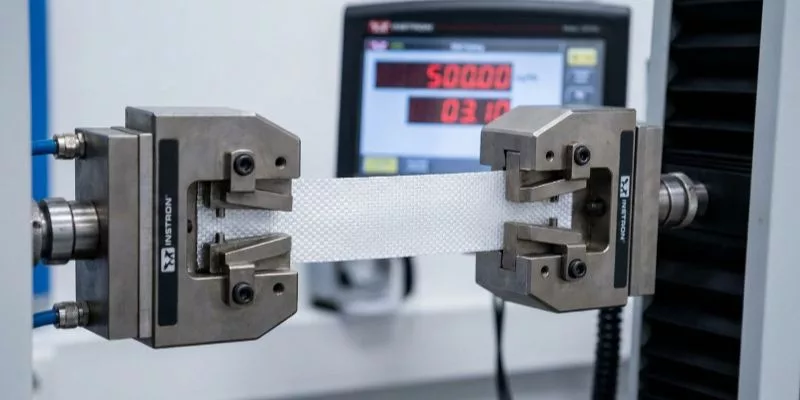
Measurement of degradation is impossible without a starting point. Control samples are placed into the Instron tensile testing machine to record initial tensile strength and elongation metrics. The fabric is pulled in both the warp (lengthwise) and weft (crosswise) directions.
Furthermore, the lifting loops are pulled and raw seams are stress-tested to establish baseline data. When evaluating bag quality and standards, the “before” metrics are compared directly against the “after” metrics. Reporting only post-exposure numbers hides the actual percentage of structural loss.
3. The 1,200-Hour Accelerated Weathering Cycle
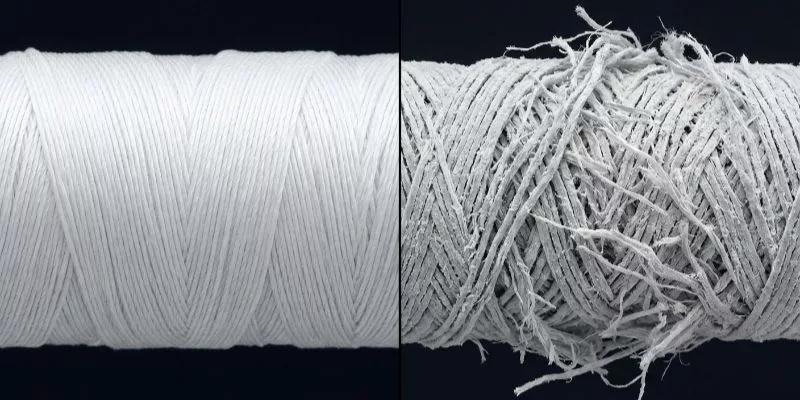
🧠 Expert Insight: “Clients often ask why we cannot just use standard plastic film data for their woven bags. During the extrusion of slit-film for woven polypropylene, the geometry is stretched. This creates sharp edges and aligns the fibers. ‘UV Stabilizer 168’ behaves differently here than in flat films.
The weaving process exposes a massive surface area to oxygen. The pigment interactions change, and the additive distribution gets stretched thin. A flat sheet might survive 500 hours, but a woven tape made of the exact same resin will snap at 300 hours because oxidation attacks those microscopic frayed edges.”
Rene Ren, Global Quality Manager
This insight heavily impacts our sustainable sourcing choices when introducing recycled resins into the mix.
ASTM G154 vs. G155 Decision Matrix
Factories use two primary machines to test polymers. The ISO 21898 standard for FIBCs is followed, but the correct lamp architecture must be chosen. This exact decision matrix is used to route bag sourcing and pricing timelines.
| Metric | ASTM G154 (Fluorescent UV) | ASTM G155 (Xenon Arc) |
|---|---|---|
| Lamp Source | UVA-340 or UVB-313 bulbs. | Xenon arc gas lamps with daylight filters. |
| Spectrum Behavior | Targets the exact short-wave UV band that destroys mechanical strength. | Mimics the entire full-spectrum sunlight profile (UV, visible, and infrared). |
| Testing Speed | Extremely fast. Forces mechanical failure quickly. | Slower. Focuses on realistic overall weathering. |
| Cost Impact | Lower cost. Easier to run continuously. | High cost. Bulbs and filters require frequent replacement. |
| Best Use Case | Standard PP FIBC screening. Checking load-bearing webbing. | Branded outdoor textiles. Coated consumer bags. |
| Limitations | Poor for testing color fading. Misses long-wave light damage. | Unnecessary cost for basic industrial mechanical testing. |
⚙️ Technical Detail: G154 is used when the goal is fast, UV-driven screening of mechanical property loss. We escalate to the ASTM G155 standard only when visual appearance, precise color fading, and full-spectrum realism matter to a retail client.
We validate our baseline expectations against government solar radiation datasets to ensure our accelerated chamber hours match the client’s actual shipping lanes.
Macy Wu, Business & Quality Development Manager
Commercial ROI: Why UV Testing Drives Supplier Decisions?
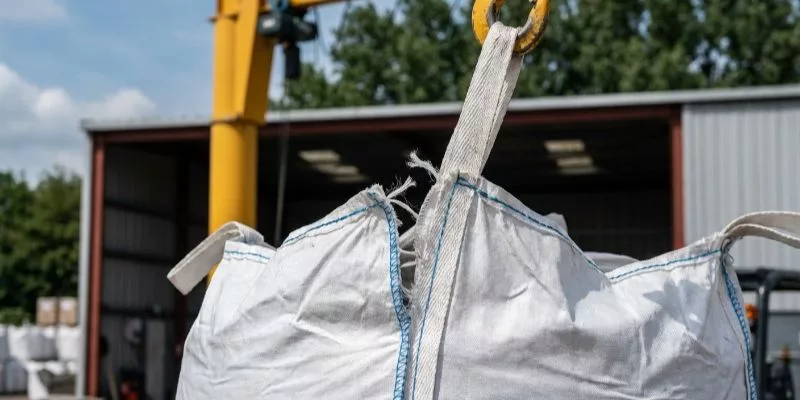
My team spent three weeks vetting UV resistance testing results against field failures. We rely strictly on raw data to turn lab metrics into financial savings.
1. Eliminates Blind Supplier Selection
Weathering tests reveal reality before you issue a PO. We recently vetted five suppliers for an agriculture contract. Four claimed their bags were “heavy-duty.” Our chamber destroyed three within 150 hours. Comparing raw retention data lets you approve suppliers safely for harsh mining or export logistics.
2. Secures Bulletproof Contracts
Tensile strength retention data provides measurable acceptance criteria. Stop accepting vague terms like “sunproof.” I instruct clients to demand 70% tensile retention after 200 hours in vendor agreements. If a batch fails, the supplier pays. We enforce this rule across all travel bag manufacturers.
3. Prevents Port Yard Ruptures
Testing prevents operational disasters. Last year, a client lost $40,000 in feed when sun-degraded bags burst during port handling. Matching chamber tests to solar data from the National Renewable Energy Laboratory prevents these yard storage failures.
As Floor Manager Chen noted: “Cheap calcium carbonate fillers look strong indoors, but sunlight turns them to dust in 30 days.”
4. Optimizes Material Costs
Retention numbers let you compare formulations intelligently. An industry study on material weathering shows optimized additives extend lifespan by 300%.
Our lab data proves whether a $0.10 premium for a UV blocker ensures field survival. You pay only for proven results, driving smarter decisions on bag features and functionality when selecting a sport bag manufacturer.
📋 Procurement Checklist: The UV Report - Never accept a “Pass/Fail” document. Demand:
-
Standard: e.g., ASTM G154 summary
-
Conditions: Chamber type and irradiance.
-
Retention %: Before/after tensile strength.
-
Traceability: Batch numbers linking to your PO.
The Reality Check: Hidden Limitations of UV Testing
Before approving production runs, my QA team spends weeks validating UV Resistance Testing claims. A passing report often creates false security. Here is where the process fails.
1) The Chamber-to-Calendar Illusion
Clients ask me to convert 1,200 lab hours into exact outdoor years. We cannot. Accelerated testing isolates UV light and ignores variables like altitude or dust. A bag in Indonesian humidity degrades differently than one in the Chilean Andes.
The NIST warns that accelerated weathering provides comparative data, not exact service life predictions.
2) The Component Bottleneck
A passing fabric can still produce a failing bag. In our stress tests, the polypropylene body survived 1,200 hours, but the bag ruptured. Why? The factory used untreated thread. When Manager Lin hoisted a 1-ton bag, the uncoated loops snapped instantly.
You must test every element. Just like weighing leather vs canvas or checking bag measurements and sizing, you must ensure testing covers the full assembly.
3) The Wrong Standard Trap
Choosing the wrong test invalidates your data. ASTM G154 tests mechanical strength loss. ASTM G155 uses xenon arcs to test color fading. Buyers screening for structural safety gain nothing from G155.
⚖️ The Trade-off: G154 gives accurate strength data, but ignores realistic color fade. You must pick one priority.
4) The Additive Inconsistency
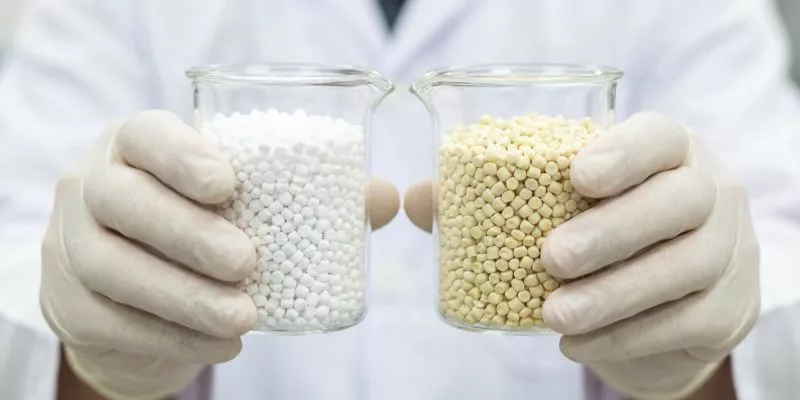
UV stabilizers add cost and require precise dosing. If workers rush extrusion, the chemical clumps. Last month, we rejected a 5,000-unit batch. The top half of the roll retained 85% tensile strength. The bottom half failed at 40%. You must validate dosing batch by batch.
5) Practical Remedy: Bulletproof Your Specs
We protect clients by writing strict specifications. Force the factory to meet verifiable metrics.
🛡️ Mitigation: Specify exact numbers (e.g., “70% tensile retention at 500 hours”). Require tests for all threads. Link every report to a batch number. Demand retests every six months.
Final Verdict: UV Testing is Risk Management, Not Cosmetics
Ultimately, UV resistance testing for FIBCs is a critical durability and risk-management protocol, not a cosmetic fade check. We walked you through the technical basics, our exact Lantao lab workflow, the mechanical differences between ASTM G154 and G155, and the raw data required in a genuine before-and-after report.
While accelerated weathering cannot perfectly predict a bag’s calendar lifespan across diverse global supply chains—from humid Indonesian ports to scorching Middle Eastern yards—it remains your only proven defense against structural failure.
In my experience, testing only the main fabric while ignoring the sewing threads is a guaranteed path to a yard rupture. If you ship heavy or hazardous bulk materials, rigorous G154 testing is non-negotiable.
If you just need cheap, single-trip indoor storage bags, this level of testing is unnecessary. As extreme weather events increase globally, expect international shipping authorities to soon mandate raw tensile retention metrics over vague “sunproof” marketing claims.
My final recommendation is simple. Encourage your QA managers and procurement teams to demand the full testing protocol, not just a passed or failed sticker.
Need help reviewing specifications or failed samples? Send your data to our engineering team to audit your current requirements: Contact LantaoBags.
*Transparency Disclosure: This article explains LantaoBags’ internal testing methodology. Because we operate as a first-party manufacturer, we strongly advise readers to request independent, third-party lab verification when their specific contract or operational risk profile requires it.I purchase my own equipment and receive no kickbacks. *