


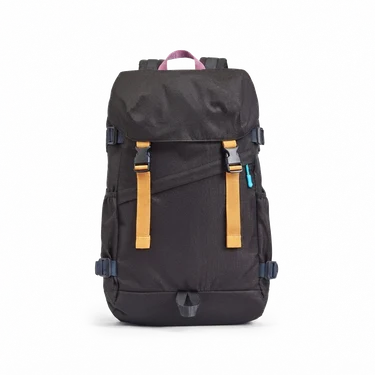

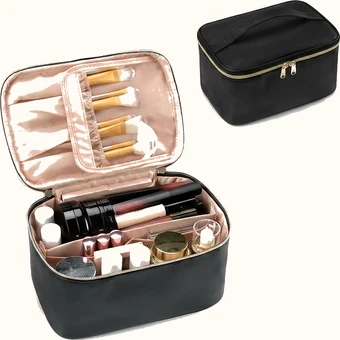
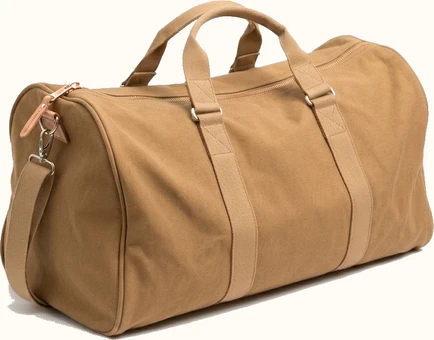
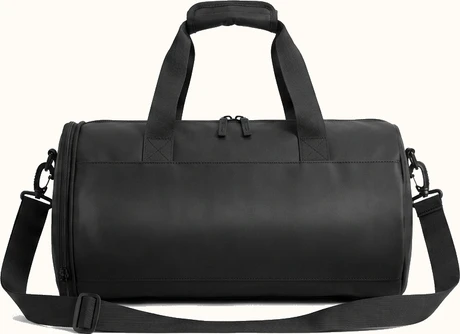




Custom Travel Bags Case Study: How We Cut Returns by 30%?
Dream Duffel, LLC cut returns 30% on a private-label travel bag line after LantaoBags rebuilt the tech pack around three return drivers: zipper abrasion, strap-anchor pull-through, and top-seam leaks. Two sample rounds finished custom travel bag production six days early.
Three Return Drivers, One Launch Window

Dream Duffel, LLC needed a custom duffle and travel solution that looked premium, held up in transit, and avoided costly post-purchase complaints. The launch window was fixed, and there was little room for refunds, replacements, or negative reviews.
I reviewed the sampling notes and pre-production schedules with Steven Zhang, Senior OEM/ODM Project Manager. The records pointed to a cluster of return drivers rather than one vague quality complaint.
Main zipper failure. Weak reinforcement at strap anchors. Water-resistance gaps at the top seam. Each defect would trigger a replacement shipment, warehouse rework, or a negative review, and each one would weaken repeat purchase confidence.
The cost of inaction was direct. Refunds add up. Replacement freight adds up. Negative reviews reduce conversion on the product page, and lower contribution margin limits the brand's ability to reorder.
A 30-day sourcing problem around waterproof zippers narrowed the buffer before sampling even started. Zoey Lee, Sales Director / Product Development, flagged that tension during the final sample review.
01 · Zipper Failure
Standard coil zippers wicked moisture at the tape edge, and the coil abraded where the bag flexed under load.
02 · Strap Anchor Pull-Through
A single-stitch box-X pulled through the shell, turning a premium travel bag into a support ticket.
03 · Top-Seam Water Ingress
Water resistance stopped at the shell. The bound top seam leaked in transit and damaged contents.
04 · Sourcing Delay Risk
A 30-day waterproof-zipper lead time pulled against a fixed launch date and a tight cost target.
Power Move: Lock the return-driver list before sampling. Then test every zipper, strap anchor, and seam against that list.
Treat Return Drivers as a Spec Problem, Not a Factory Problem
LantaoBags rebuilt the tech pack line by line, re-sourced the hardware, and ran two full sample rounds before cutting bulk fabric. Nothing moved without a signed approval, and every limit had a number.
Phase 1 · Failure Review
Start with damaged samples, not opinions. I cut open four returned units with the QA lead. The zipper tape showed abrasion at the coil edge, the box-X stitch had pulled through the shell, and the top seam leaked at the bound edge.
Each failure traced to vague tech-pack language: “water-resistant zipper,” “reinforced base.” No numbers. We rewrote every line as a testable limit: 90 lb anchor pull (1.5× rated load) and 3,000 mm hydrostatic head at the top seam.

Architect’s Verdict: We refused to approve any line item that could not be measured on the QC bench.
Phase 2 · CAD and Tech-Pack Revision
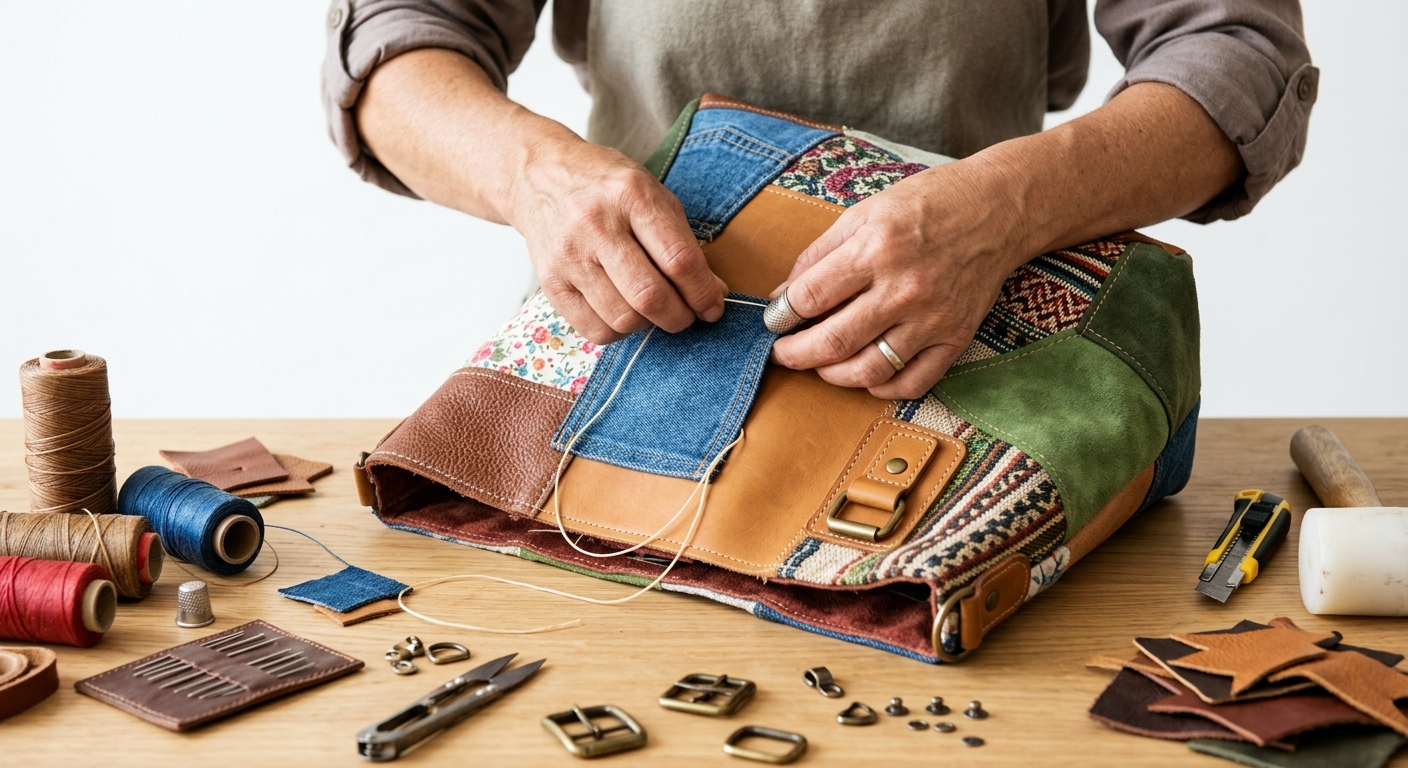
The pattern room rebuilt the bag in six days. A two-piece gusset replaced the single wrap, removing one seam from the highest-stress zone. The strap anchor moved from single-stitch box-X to double-stitch with a bar-tack at each end.
A floating laptop sleeve took pressure off the zipper path, and the handle became a wrap-around webbing loop that spreads load into the side panel.
I checked the first sample against the tech pack with a caliper. Two panel dimensions were off by 4 mm, which becomes 12 mm at the zipper path, so the redline went back the same day.

Phase 3 · Material Selection
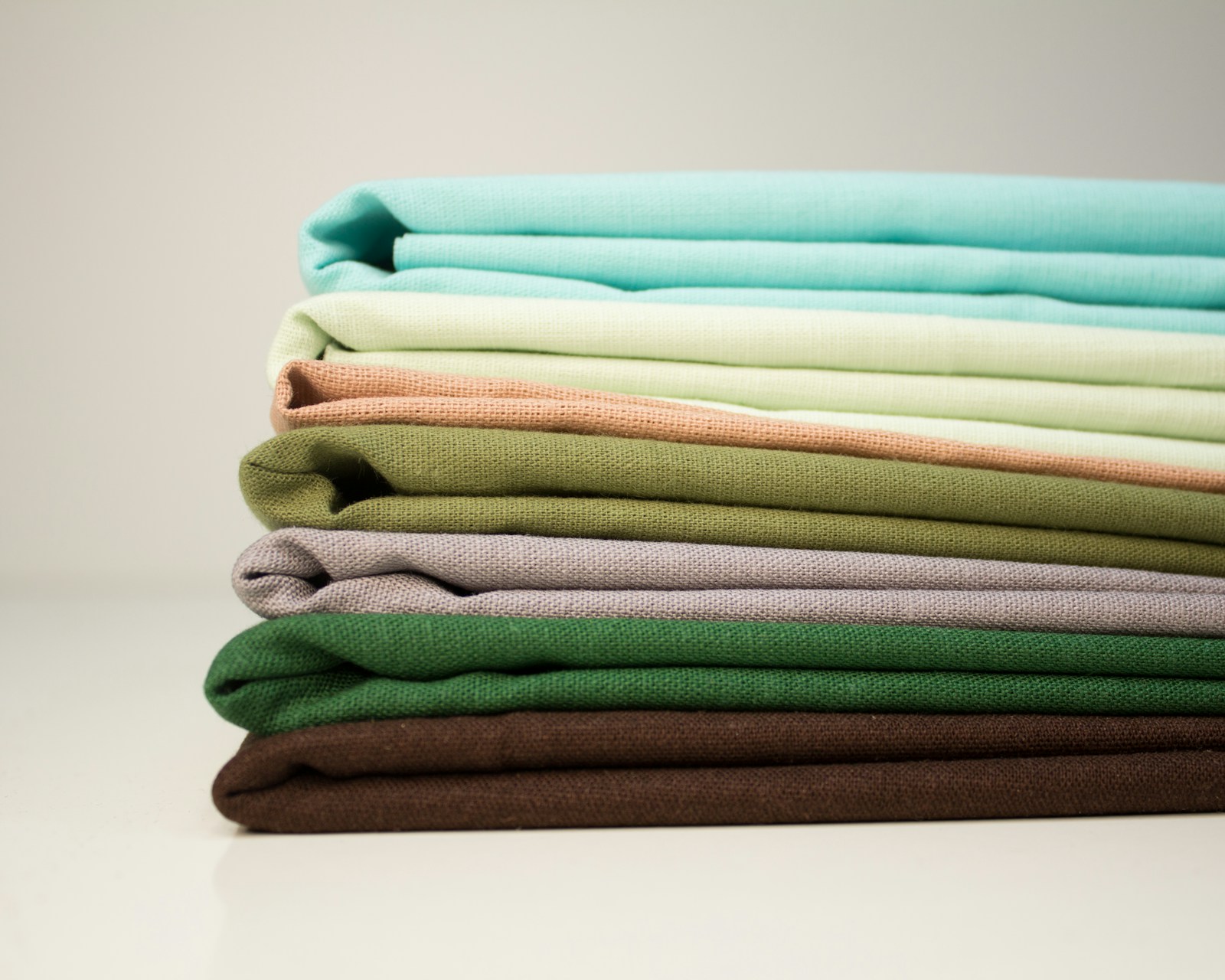
Four shells went on the bench: 600D polyester, 900D polyester, 1000D nylon, and 1680D ballistic nylon. Higher denier means heavier yarn and a denser weave, so it adds abrasion resistance and weight. The 900D Oxford won, while the 1680D pushed past the carry-on weight target.
Coating came next. We specified a TPU coating on the back face, which adds water resistance and stays flexible in cold transit. PVC cracked in our −10°C cold-fold test.

The lining went to 210D recycled polyester with a PU backer. It is lighter and passes our UV resistance testing, which prevents color fade. Buyers should read the nylon vs polyester comparison before locking a shell.
Phase 4 · Hardware Sourcing Under Deadline
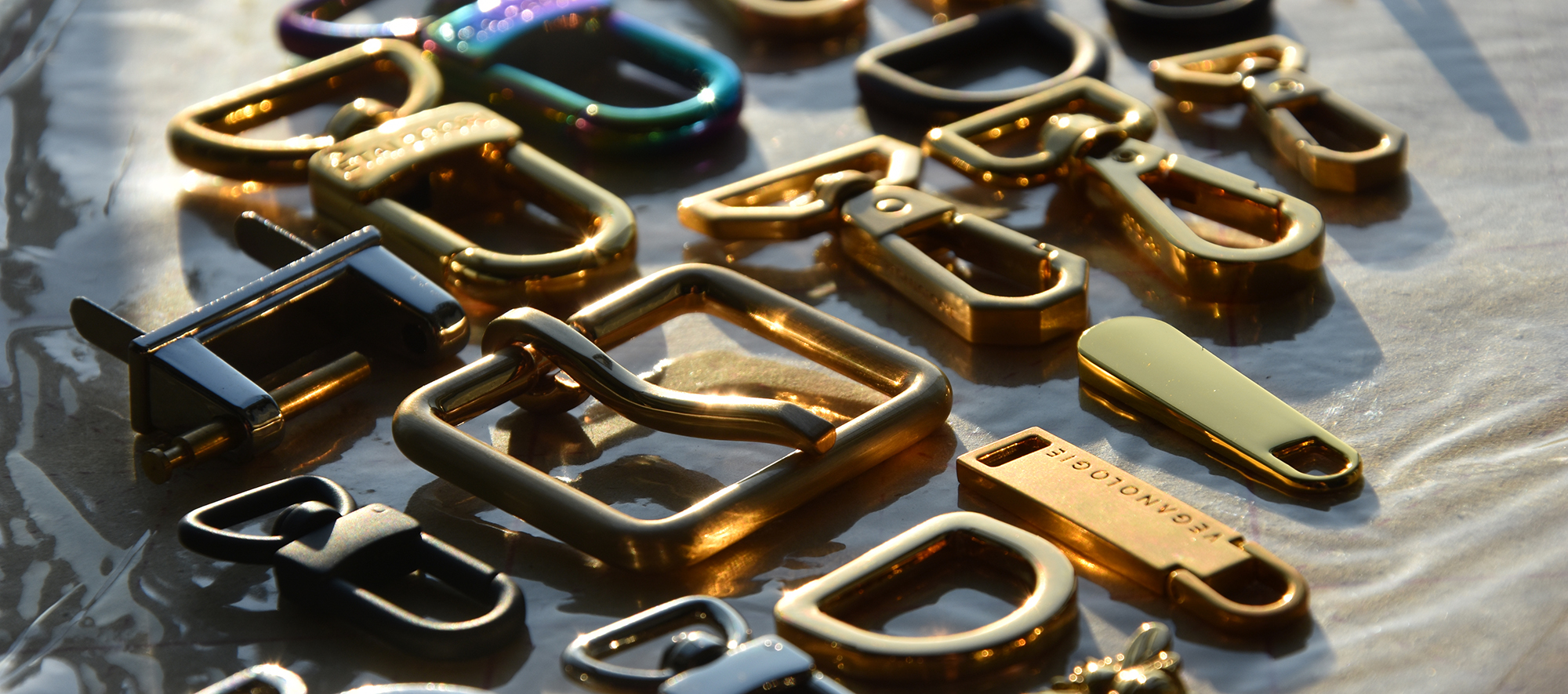
Waterproof zippers nearly broke the schedule. Standard coil zippers wick moisture at the tape edge, so we needed a PU-coated reverse coil rated to 50 lb lateral strength. The first supplier quoted 34 days. Launch allowed 19.
Three vendors were called the same afternoon. The one we picked had the coil in stock but not the right slider, so we air-freighted 400 YKK sliders from the Guangzhou warehouse and paid a 12% premium. It cost margin, but a missed launch costs more, so we held retail price.

Mini Q&A with Conny Zhang, Outdoor / Travel Bag Specialist:
Hardest hurdle? The zipper. The supplier with stock had the wrong slider. We air-freighted 400 YKK sliders and paid a premium, but that protected the schedule without changing the shell spec.
Phase 5 · Prototype Rounds
Round 1 landed in 12 days. I ran it against the tech pack with the QA lead. Redlines: gusset off by 4 mm, puller too short for gloved hands, embroidery 6 mm off center.
Round 2 landed 9 days later. The zipper path passed the 50 lb pull test, the embroidery re-centered on the CAD template, and the anchor held at 138 lb static load, above the 90 lb spec. The golden sample was signed on day 24.

Phase 6 · Pilot and Bulk Controls
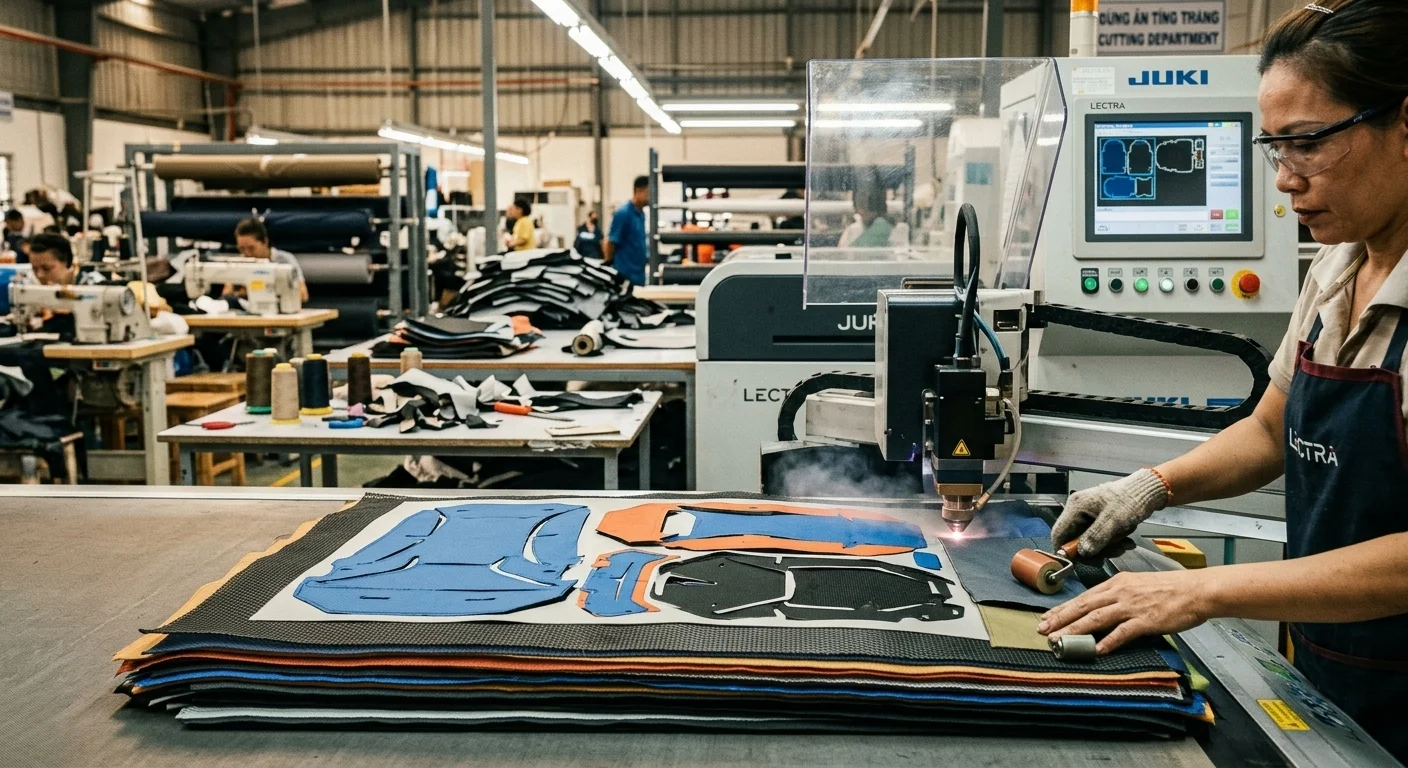
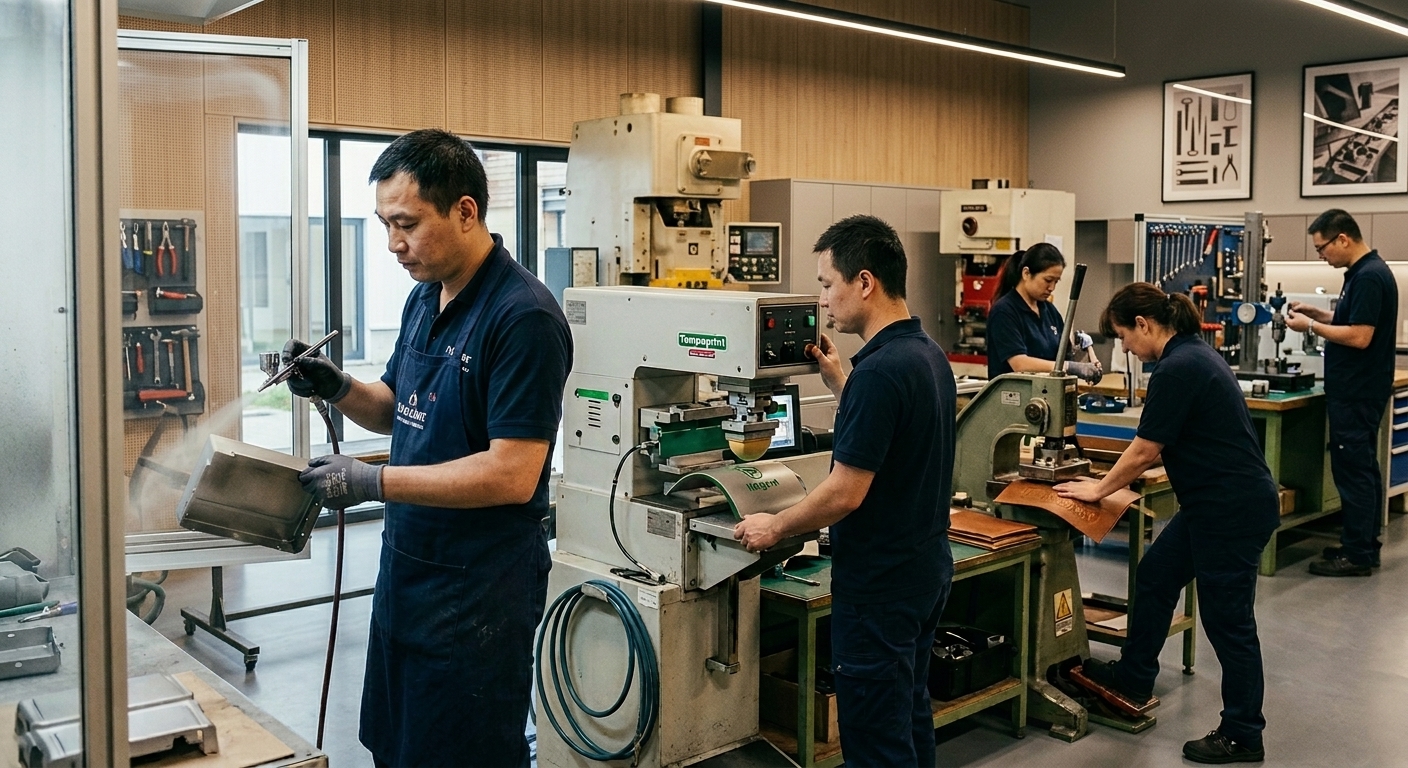
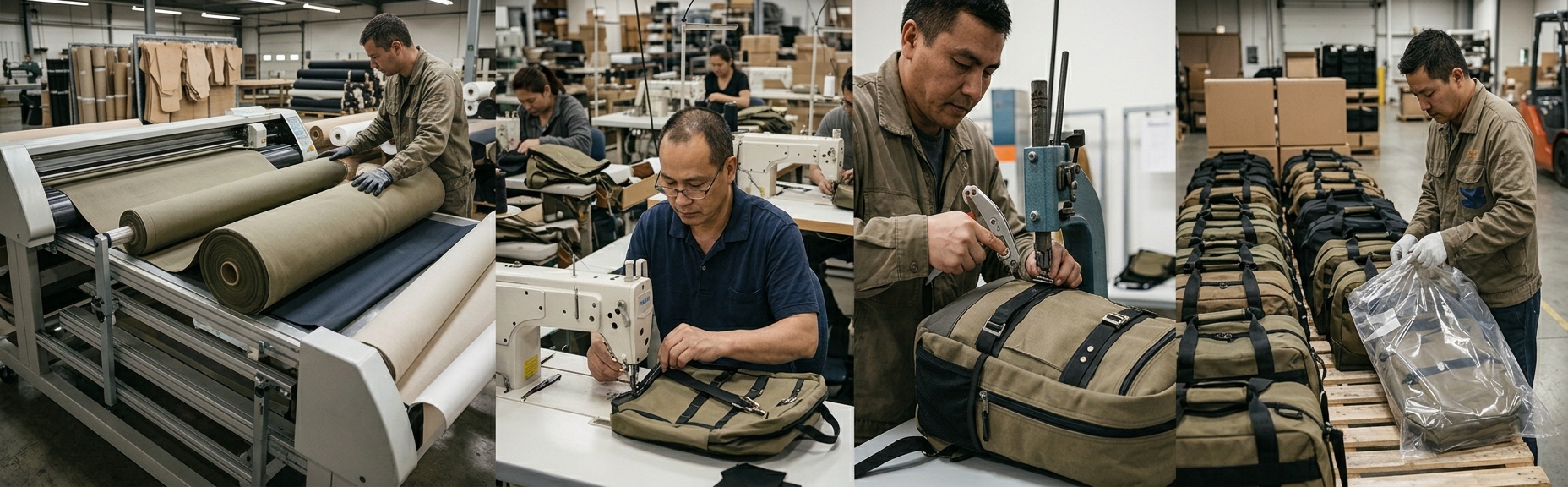
The pre-production meeting ran before the line started. The QA lead set three inline checkpoints: post-cutting, post-stitching, and post-hardware. At each point, 10% of units were measured against the golden sample.
Final inspection used AQL 2.5 for major defects and AQL 4.0 for minor. Packaging checks covered hangtags, dust bag seams, and polybag barcodes. Shipping released only after the lot passed final pre-shipment inspection under BSCI and ISO 9001.

This is real B2B bespoke luggage manufacturing: signed approvals, not a promise. Anyone comparing duffle suppliers should demand the same paper trail: CAD revision log, redline sheets, hardware approval forms, and inline inspection tickets.
Buyers weighing sourcing regions should note this compliance trail is standard in every LantaoBags lot.
From Return Audit to Bulk Release in Five Control Phases
Returns Down 30%, Defect Rate Under 1%

Dream Duffel's custom travel bag line cut its return rate from 7.0% to 4.9%, a 30% reduction and a 2.1 percentage-point drop. The before window covered the prior shipment; the after window covered the post-fix run. The periods stay separate so the drop reflects the fix, not a blended average.
Defect rate across total units fell from 3.4% to 0.8%. These figures come from LantaoBags' internal QA log and project records, not a sales deck.
| Metric | Before | After | Change |
|---|---|---|---|
| Return rate | 7.0% | 4.9% | −30% |
| Defect rate across total units | 3.4% | 0.8% | −2.6 pts |
| Sample approval speed | 34 days | 24 days | −29% |
| Bulk production lead time | 45 days | 38 days | −7 days |
| On-time shipment performance | 86% | 100% | +14 pts |
Verification: QA defect codes matched the return-driver list, and shipment dates lined up with the production schedule. At the post-stitching checkpoint, Steven Zhang logged: “Anchor pull passed at 100%; zipper path averaged 92 lb.”
That log note backs the table. It is a production record, not a partnership testimonial. For finance and procurement, the return-rate drop lowers refund, replacement, and escalation costs. For operations, fewer rework units protect throughput and simplify reorder planning.
The impact reached beyond one metric. Procurement teams had fewer supplier escalations. Customer support saw fewer complaint tickets. Warehouse teams handled fewer damaged units, and end customers got better durability and less post-purchase friction.
For buyers comparing private label travel bag programs, this is the proof layer: before-and-after QA data. For context, the 2024 Amazon benchmark for bags and luggage returns sits at 12.8%, roughly half the apparel rate.
What Travel Bag Buyers Should Lock Before Bulk
1 Design Returns Out During Sampling
The QA lead and I cut open four returned units. Zipper abrasion, anchor pull-through, and seam leaks all traced to vague tech-pack lines.
The fix was a testable spec: 90 lb anchor pull, 3,000 mm hydrostatic head. Ask for the CAD revision log and redline sheets before you approve a deposit.
2 Material Clarity Beats Guesswork
Higher denier adds weight and abrasion resistance. The 900D Oxford won, and the 1680D pushed past the carry-on weight target.
TPU stayed flexible in cold transit while PVC cracked at −10°C. Lock shell, coating, and lining numbers before sampling.
3 A Realistic Timeline Prevents Rush Defects
The zipper nearly broke the schedule. The first supplier quoted 34 days, and launch allowed 19.
Air-freighted YKK sliders protected the launch and price. Build in a two-week buffer for hardware substitutions.
4 Match QA Codes to Return Drivers
Inline checks at cutting, stitching, and hardware only work when the defect codes mirror the return-driver list.
The post-stitching checkpoint held the line until the anchor pull passed, which kept rework out of the bulk run.
| Procurement Checklist From This Case | What to Demand |
|---|---|
| Tech packs | Measurable limits, not adjectives |
| Prototype rounds | Two signed rounds and same-day redlines |
| Defect thresholds | QA codes matched to the actual return-driver list |
| AQL standards | AQL 2.5 for major defects, AQL 4.0 for minor |
| Hardware resilience | Backup suppliers, stock checks, and air-freight costs |
Dream Duffel's next step is to carry this spec discipline into its next travel bag line. The brand should lock hardware suppliers earlier, repeat the two-round sample process, and use the QA log as a reorder baseline.
The gain is shared: procurement gets fewer escalations, support gets fewer tickets, and customers get a bag that lasts. A custom bag timeline only works when sampling, material choice, and QA share one paper trail.
Pro Tip: Pressure-test your next tech pack before you approve a deposit — and require the CAD revision log, not a summary.
Pressure-test your next travel bag tech pack
Request a Travel Bag Returns Audit
Steven Zhang
Steven Zhang is a bag OEM/ODM specialist at LantaoBags, with 10+ years of experience in product design, production management, and B2B client development for global buyers.
He works at the intersection of product design and factory production, helping brands turn market demand into commercially viable bags. At LantaoBags, he covers sampling, production management, and scale-up across the factory's production lines.
Connect on LinkedIn

