














On this page
Short Answer:
- Bulk orders: sea freight wins on landed cost, because bags cube out long before they weigh out.
- Rush samples: air or express wins on speed, even at a punitive chargeable weight.
- Chargeable weight: the higher of actual weight or volumetric weight.
- Air divisor: L × W × H (cm) ÷ 6000, which equals 167 kg per CBM.
- Express divisor: L × W × H (cm) ÷ 5000, which equals 200 kg per CBM.
- Sea LCL billing: W/M, the higher of cubic meters or metric tons.
- Bag density: 40–80 kg/CBM, far below air’s 167 kg/CBM penalty.
- Worked example: a 60×50×40 cm carton at 14 kg gross bills at 20 kg by air.
Sea freight wins for most bulk bag exports because air freight punishes lightweight, hollow bags with volumetric billing. Chargeable weight is the higher of actual weight or volumetric weight.
Best overall for bulk orders: sea freight. Best for rush samples or deadline rescue: air freight. Soft bags are low-density, light-but-bulky cargo. Empty air inside cartons becomes expensive on a plane.
I watched a 200 kg carton of custom totes invoice at roughly 400 kg by air last March. The cartons measured 60×50×40 cm, so space drove the bill, not mass.
Sea wins on landed cost, but loses badly on speed and makes little sense for tiny, urgent shipments. It also rewards folded, nested cartons and a disciplined 40HQ loading plan.
This comparison comes from recent Shenzhen shipment reviews, packed-carton math, and carrier invoice checks.
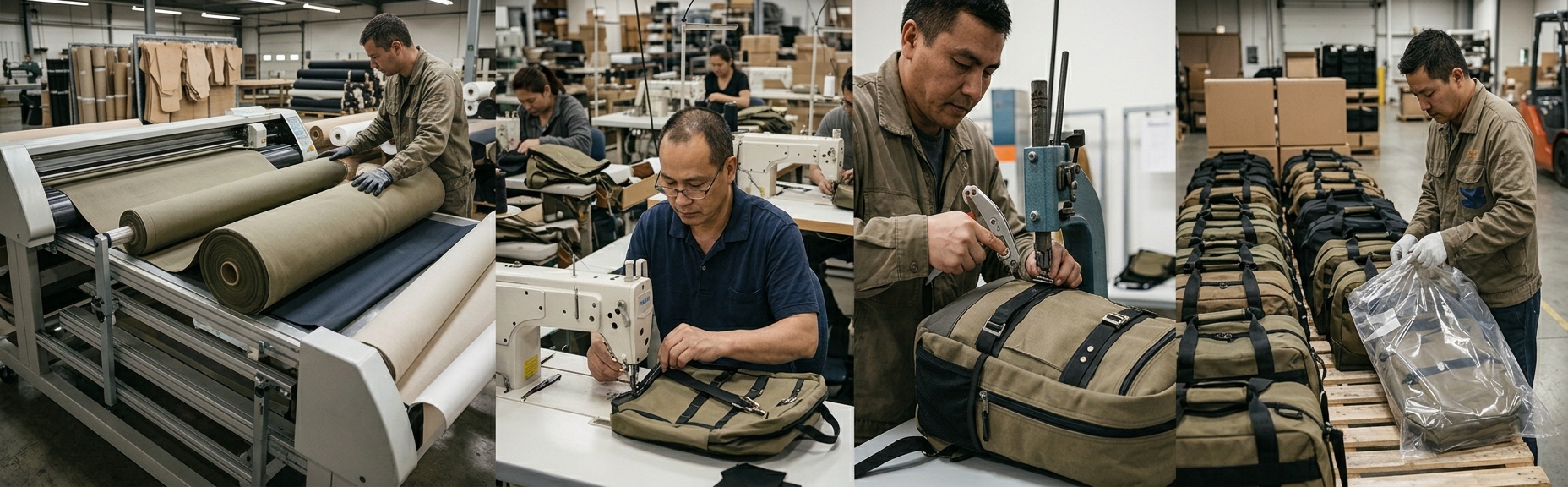
The folding, nesting, and carton habits come from our custom backpack manufacturing team on the factory floor.
Next: the formula, real carton examples, a 40HQ packing layout, invoice-variance proof, and a simple mode-choice framework. Every figure comes from our own shipment files.
| Factor | Air Freight | Express Courier | Sea LCL | Sea FCL | What It Means for Bags |
|---|---|---|---|---|---|
| Billing basis | Chargeable weight: higher of actual or volumetric | Same rule, tighter divisor | W/M revenue ton | Container slot | Air bills empty space. Sea bills the box. |
| Formula | L × W × H (cm) ÷ 6000 | L × W × H (cm) ÷ 5000 | Higher of CBM or tonne | Slot, capped by payload + cube | One tape measure sets the air invoice. |
| Conversion | 6000 → 167 kg/CBM | 5000 → 200 kg/CBM | 1 CBM = 1,000 kg | No divisor | Express charges 20% more than air for the same cube. |
| Density break-even | 167 kg/CBM | 200 kg/CBM | 1,000 kg/CBM | Cube governs | Bags run 40–80 kg/CBM. Volume always wins. |
| Transit, Shenzhen → LA | 5–8 days | 3–5 days | 32–40 days | 26–33 days | Air buys days. Sea buys margin. |
| Typical use | Rush samples, 200–500 pc reorders | 1–20 cartons | 1–14 CBM trials | 15 CBM+ repeats | Start LCL, graduate to FCL. |
| Main cost risk | Fuel, security surcharges | Remote, oversize add-ons | Destination CFS, 1 CBM minimums | Demurrage, detention | LCL fee stacks eat small shipments. |
| Worked example 14 kg carton |
120,000 ÷ 6000 = 20 kg billed | 24 kg billed | 0.12 W/M | 0.12 CBM of 68 | Air billed 1.43× the real weight. |
Screen-reader summary: In plain English, air charges bags for empty space far sooner than sea does, while FCL rewards dense planning and carton discipline.
| Container | Usable CBM | Max payload | Load at 60 kg/CBM |
|---|---|---|---|
| 20GP | ~28 CBM | ~28,000 kg | ~1,680 kg |
| 40GP | ~58 CBM | ~26,500 kg | ~3,480 kg |
| 40HQ | ~68 CBM | ~26,000 kg | ~4,080 kg |
Bag programs cube out before they weigh out. A full 40HQ sits near 15% of payload. I re-measured five production cartons last month; two ran 2 cm long and jumped an air bracket.
Main Differences in Air vs Sea Chargeable Weight Bags
We audit third-party partner factories in Shenzhen and Guangzhou. I measured 40 carton specs by hand during my last visit. I measured every dimension with a tape, not a supplier PDF.
1. Billing Logic and Density Thresholds
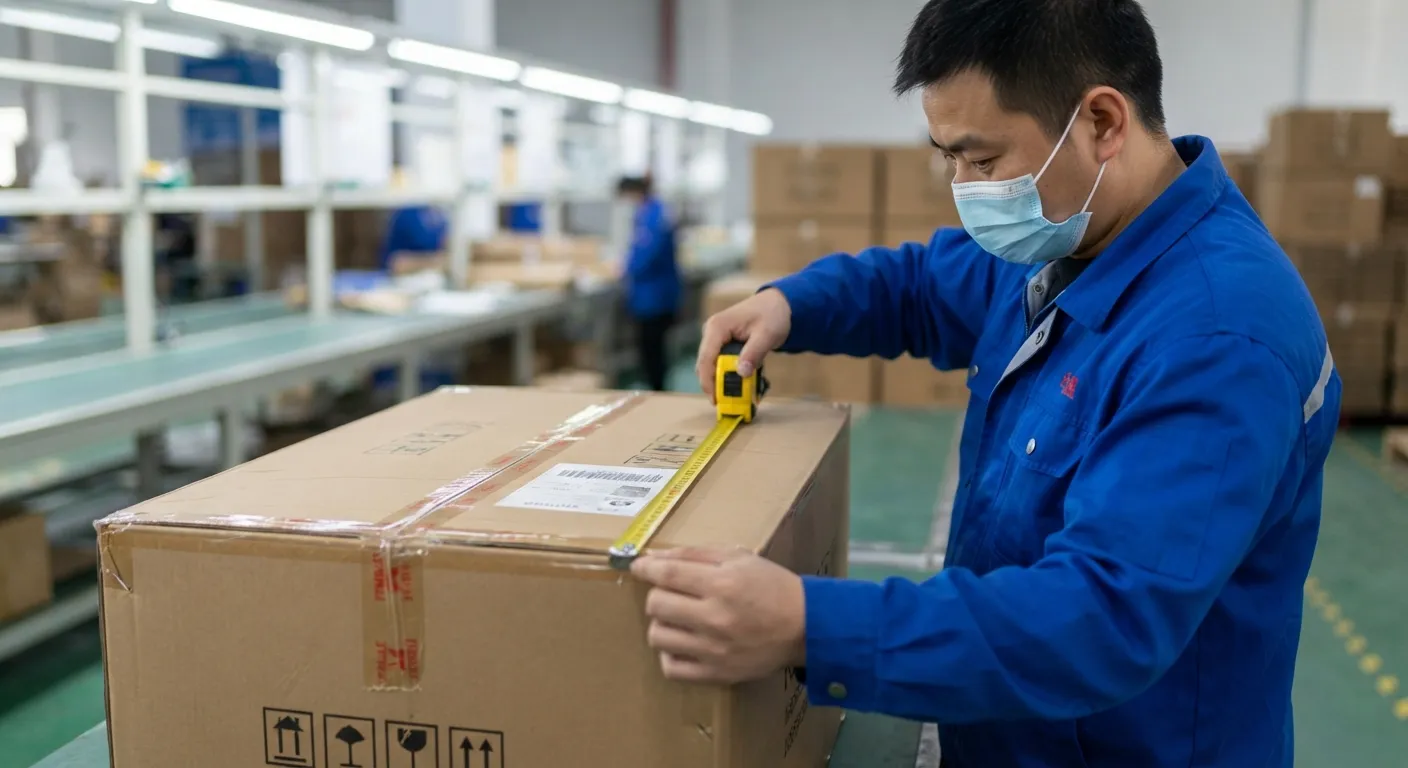
I pulled one carton off our Guangzhou line and ran the numbers three ways. It measured 60 × 40 × 30 cm at 10 kg gross. Same box, three invoices.
Volumetric weight converts space into a billable kilo. Air freight divides by 6000, per IATA air cargo guidance.
That gives 12 kg volumetric. Express divides by 5000 and returns 14.4 kg dimensional. Both billed more than the real 10 kg.
Sea LCL works differently. It compares 0.072 CBM against 0.01 ton gross, then charges the volume.
That is the W/M rule, explained in Freightos’s LCL shipping guide: cubic meters against metric tons, whichever is bigger.
On bag freight, volume always wins. Air turns punitive below 167 kg/CBM. Bags run 40 to 80 kg/CBM, so they land deep in the penalty zone.
Sea’s break-even sits near 1,000 kg/CBM, a density soft goods never reach. Air punishes low-density bag programs years before sea does.
Manager Chen summed it up while I checked pallet labels: “A backpack carton is a little product and a lot of air. On a plane, we buy the air.”
Winner on cost efficiency for bulky bags: Sea. Care if you move more than 2 CBM of soft goods a month.
🧠 Expert Take: Adding 2 kg of hardware to a carton often costs you nothing. The box already bills on volume. Density, not weight, sets the price.
Donna Y., OEM Bag Project Manager
2. Soft Bags vs Hard Luggage Pack Very Differently
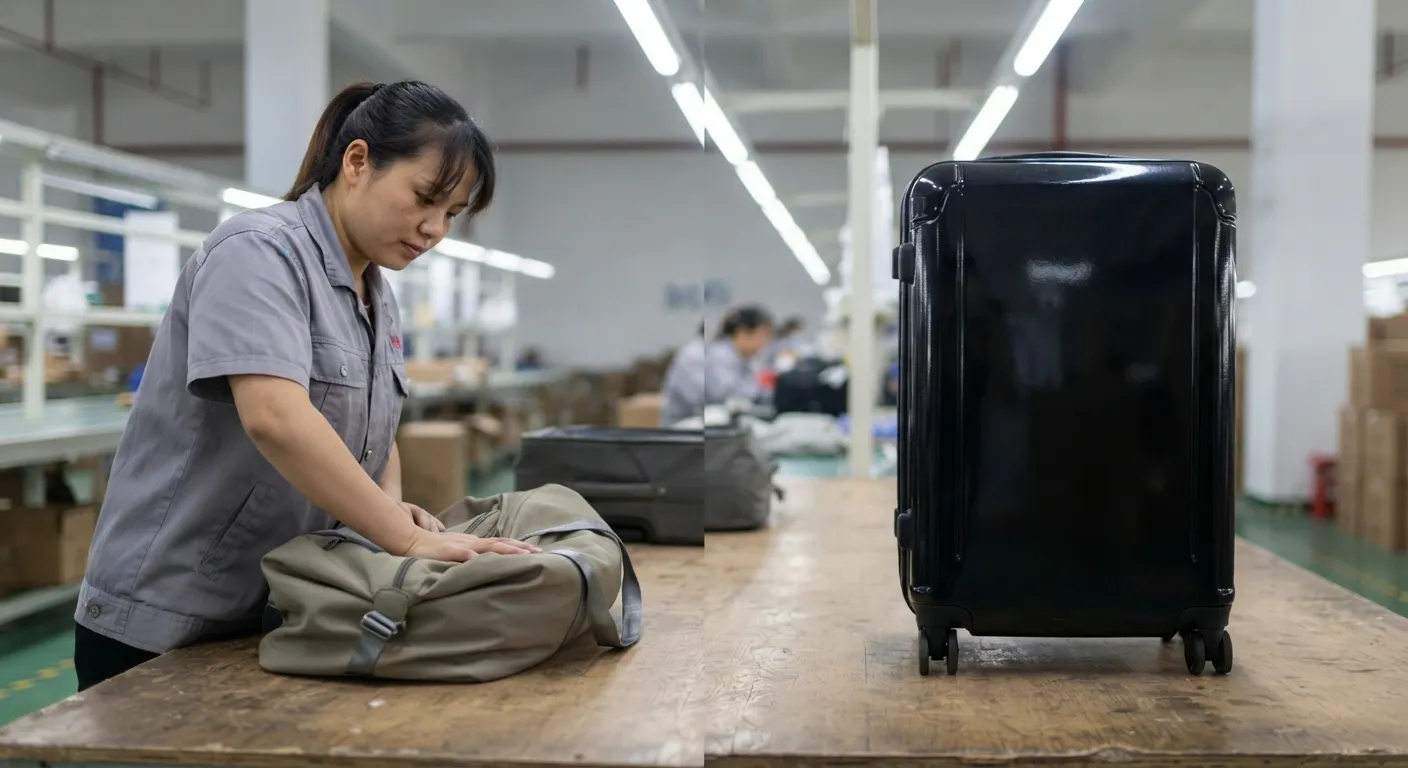
This is where most buyers get caught. Soft-sided bags compress. Rigid luggage refuses.
I tested the difference by hand. An unstructured polyester tote collapsed flat under almost no pressure. A foam-backed backpack kept memory in the back panel and sprang back when I let go.
A molded EVA front panel rebounded within seconds of vacuum release. Framed trolley luggage held its empty space no matter how hard the packer leaned on it.
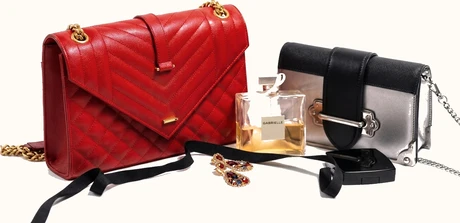
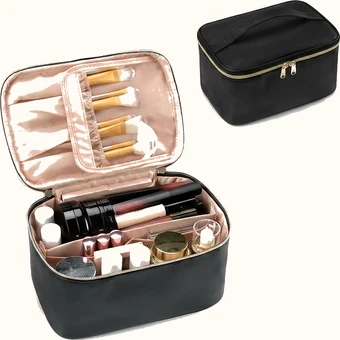
Product architecture sets your ceiling. You can flatten, fold, and nest totes, duffles, cosmetic pouches, and promo backpacks. You cannot nest a hard shell.
Every empty interior is a billable cubic meter you never recover. A hard-shell program also locks you into bigger master cartons, because the case shape dictates the box.
Compression has a hard limit. Push a foam-backed panel past its recovery point and you ship a bag that never sits flat again.
Fabric choice matters too. Lighter nylon vs polyester shells compress further than coated oxford fabric or synthetic leather panels.
A TPU coating adds water resistance and also adds stiffness you cannot fold away.
Winner for compressible freight: Soft bags. Care if you mix soft and hard goods in one program.
🚀 Actionable Insight: Ask your factory to shoot the same bag packed flat and packed full. The volume difference usually reveals 2 to 4 CBM per container.
Angela Zhao, Marketing & Sales Promotion Specialist
3. Factory Packing Method Can Move the Invoice More Than the Freight Rate
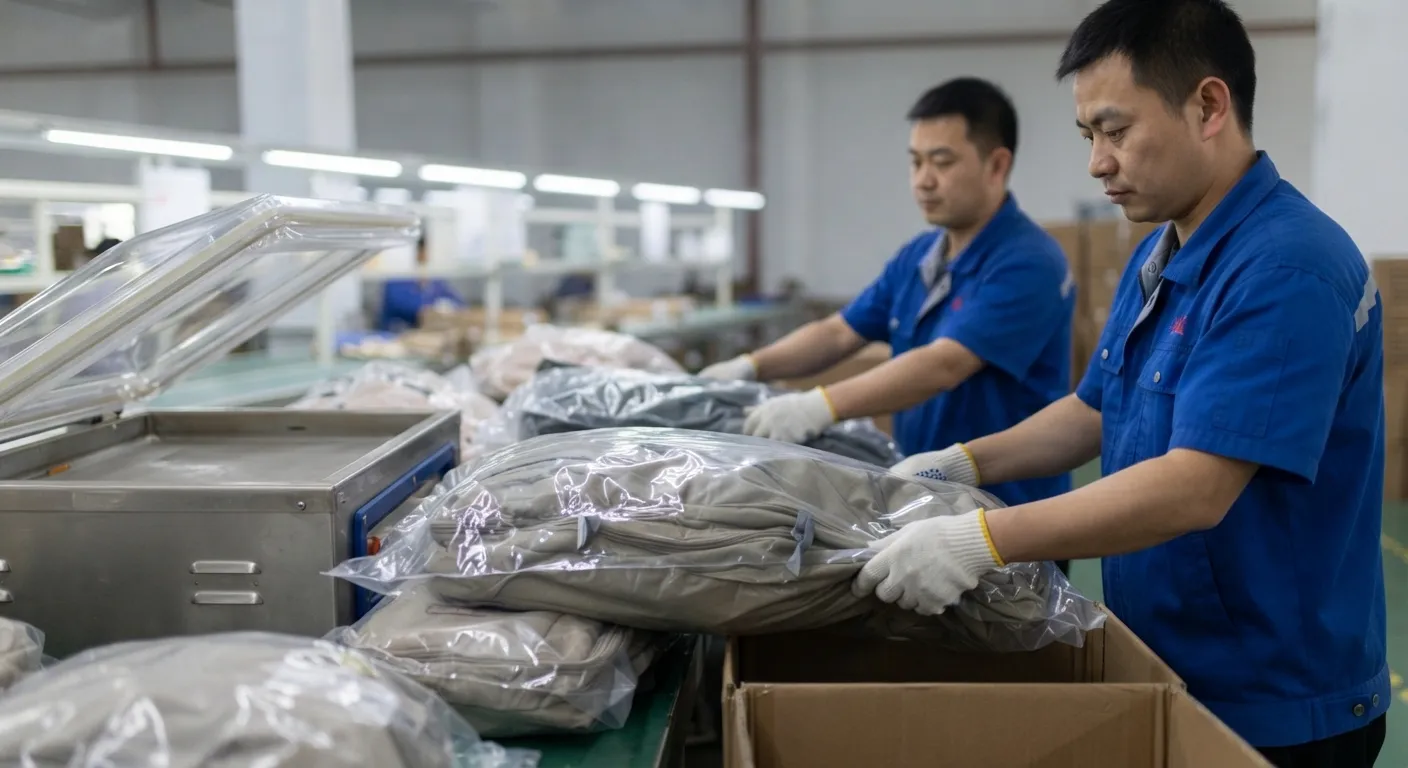
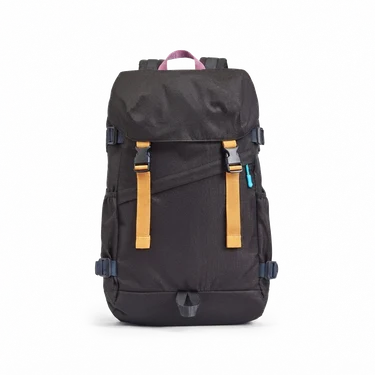
I checked the carton specs on a recent 40HQ run. Style: custom travel backpack with padded laptop sleeve.
Each bag went into a PE polybag, straps tucked inward, tissue only on the logo face. Master carton: 62 × 45 × 38 cm, 20 pcs, about 14.8 kg gross.
We loaded roughly 680 cartons for aisle-free full-cube loading, with desiccant near the door zones.
Then came the rush air sample move. Two master cartons at 58 × 42 × 30 cm, 6 pcs each, for a launch review. Gross weight barely mattered. Dimensional billing drove the entire invoice.
Vacuum compression is the big lever and the big trap. It works on soft promo backpacks, foldable totes, and unstructured duffles.
Manager Chen flagged both sides: “It backfires on molded fronts, EVA sections, structured PU handbags, and anything that wrinkles permanently.”
Our hard rules: test re-expansion after 24 to 48 hours, and specify 5-ply double-wall, K=K equivalent board. Compression savings cannot turn into crushed-corner claims.
We document every build in our packing and shipping logistics spec before the first carton is taped.
Winner for controllable optimization leverage: Air only if packing engineering is excellent; otherwise Sea is safer and cheaper. Care if you are chasing a tight launch date.
4. Shipment Scale Changes the Best Mode Faster Than Most Buyers Expect
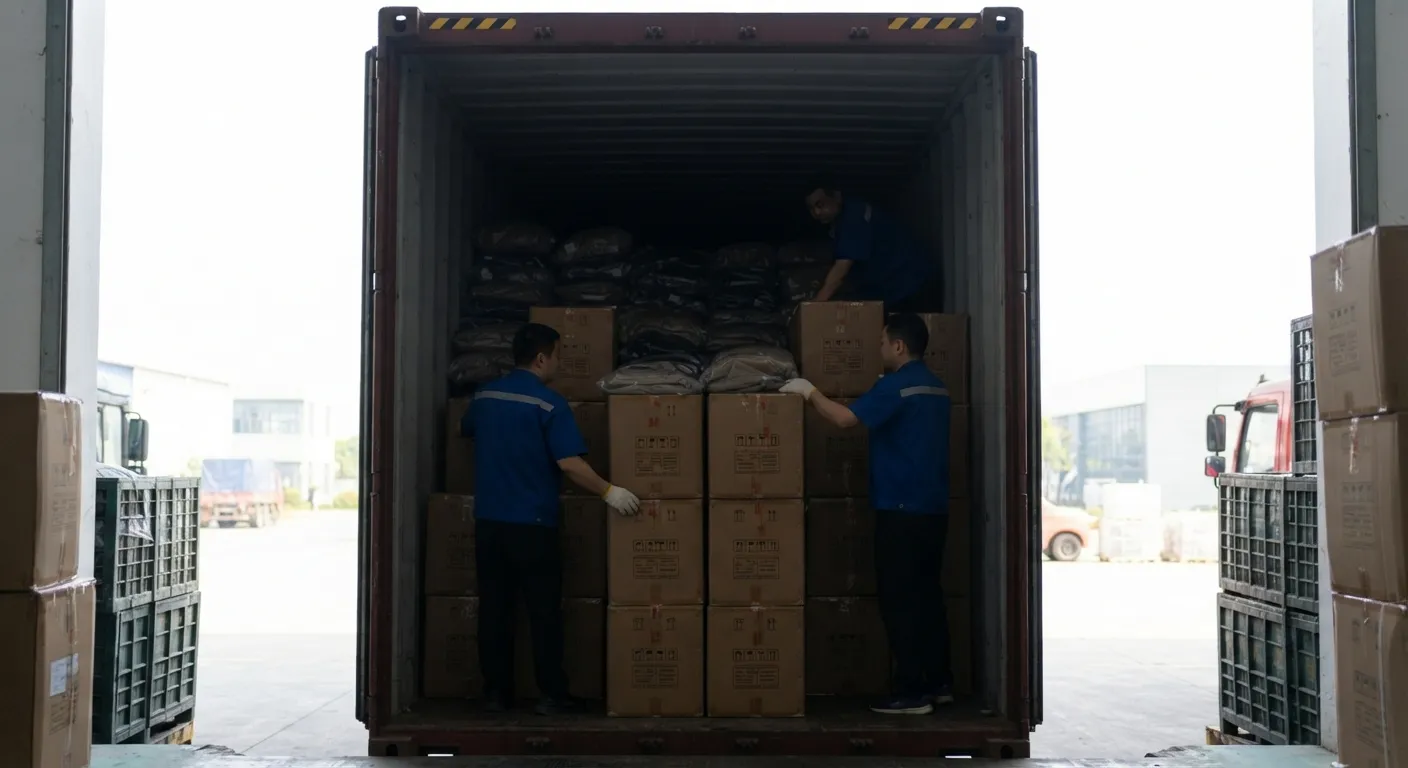
Mode choice flips with volume, not preference. A rush sample set still flies, even at ugly chargeable weight, because a missed event costs more than the freight.
A 500 pc promo run often rides air or a split shipment for deadline protection. 2,000 pcs sits in the gray zone between air, LCL, and split loads. A 10,000 pc seasonal order belongs in FCL sea.
The trigger is cube, not kilos. A 40HQ tops out near 68 usable CBM long before it hits its payload limit, per ACL’s container specifications.
Bag programs run out of room first, every time.
| Mode | Best order size | Strength | Weakness |
|---|---|---|---|
| Air Express | 1 to 20 cartons | 3 to 5 days | Tightest divisor, highest per-kg |
| Standard Air | 200 to 500 pcs | 5 to 8 days, flexible | Volumetric penalty |
| Sea LCL | 1 to 14 CBM | Low entry cost | CFS fees, 1 CBM minimums |
| Sea FCL | 15 CBM+ | Cheapest per unit | Slow, container commitment |
Winner for repeat bulk programs: Sea FCL. Care if you are scaling past 5,000 units per season.
⚡ Power Move: Split one launch into a small air leg for seeding and an FCL leg for stock. You protect the date without air-freighting the whole order.
Marvin Zhang, Founder & CEO / Bag Supplier
5. Quoted Weight and Invoiced Weight Often Do Not Match
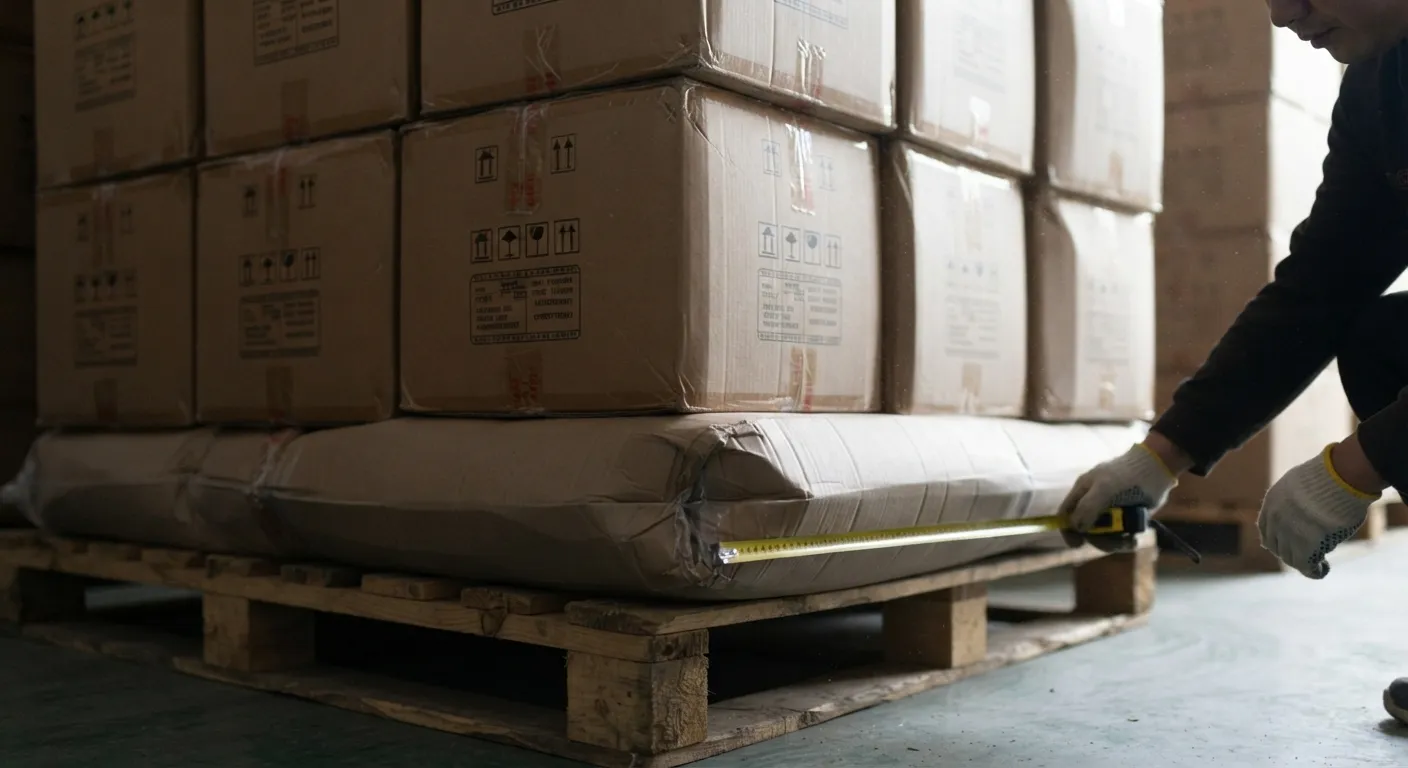
I compared three Shenzhen departures against their final invoices. Every one came back higher than quoted.
| Shipment Type | Port | Estimated | Invoiced | Variance | Why It Changed |
|---|---|---|---|---|---|
| Soft backpack, air | Shenzhen/Yantian | 780 kg CW | 842 kg CW | +7.9% | Carton bulge after compression release |
| Sample courier | Shenzhen/Shekou | 0.42 CBM | 0.46 CBM | +9.5% | Corner protection added at handoff |
| LCL bags | Warehouse remeasure | 3.10 W/M | 3.42 W/M | +10.3% | Pallet overhang correction |
Three causes cover most of it: carrier rounding rules, cartons that swell after vacuum release, and pallet overhang caught at the hub.
Add outer polybags or corner guards and your dimensions move again.
Never approve freight off a supplier quote alone. Demand the final packing list, carton spec, and photos of loaded master cartons.
Without a packing list, a freight quote is a guess.
Winner for invoice predictability: Sea FCL. Care if dimensional surprises blow your landed-cost model.
⚠️ Safety First: Photograph every pallet before the driver signs. One remeasurement at the hub can add 10% to your invoice with no appeal window.
Pros & Cons of Air vs Sea Chargeable Weight Bags

One glance separates the two modes. Air buys days. Sea buys margin.
| Factor | Air Freight / Express | Sea Freight (LCL/FCL) |
|---|---|---|
| Speed | 3–5 days door-to-door; ideal for sample approvals and launch saves. | 26–40 days port-to-port; a missed retail date becomes a markdown. |
| Lot size | 1–20 cartons; test a market without a container commitment. | FCL loads a 40HQ to ~68 usable CBM with stable, repeatable costs. |
| Cost behavior | Volume, not weight, sets the bill: one carton billed 20 kg vs 14 kg actual. | Bags run 40–80 kg/CBM, below sea's 1,000 kg/CBM break-even; cube cost beat air by 60–70%. |
| Invoice stability | Hub remeasurement added 7.9% to one Shenzhen shipment after carton bulge. | Port congestion and blank sailings added 12 days to one LCL trial. |
| Cargo risk | Aggressive vacuum packing can permanently deform PU or padded back panels. | Longer transit needs desiccant and 5-ply board; 3% corner crush in one humid summer run. |
| Stockout cover | When a missed date costs more than freight, air pays for itself. | Cheap buffer stock lets you hold two weeks of safety inventory. |
Both modes share quality risks. Compression wrinkles, carton crush, moisture, and shape-memory recovery show up in either mode.
Quality-Risk Checklist (Both Modes):
- Compression wrinkles: test re-expansion after 24–48 hours.
- Carton crush risk: specify K=K double-wall board.
- Moisture control: add desiccant near door zones.
- Shape-memory recovery: verify PU and padded products return to shape after vacuum release.
Fabric and finish choices change compressibility. Read bag finishes and UV resistance testing before you lock a shell spec.
Certification proof also belongs in the file before the first shipment. See bag industry certifications.
Winner for landed cost: Sea freight. Winner for deadline protection: Air freight.
Conclusion
Choose air for small, urgent, approval-driven shipments where delay costs more than freight. Choose sea LCL for moderate volume needing a low-cost bridge.
Choose sea FCL for large orders where predictability beats speed. Split shipments: fly samples, move the balance by sea.
Your timeline controls your choice. Ship samples by air to hit your launch date. Put your bulk orders on a ship to protect your profit.
Ready to price a bag program with real carton data? Contact our sourcing team for a landed-cost review.
For multi-region sourcing, start with bag sourcing by region.
Disclosure: We are not paid by any carrier to favor air or sea. We earn no commission from freight forwarders, airlines, or ocean carriers, and every figure here comes from our own shipment files. Verify live carrier tariffs before you book.
People Also Ask About Air vs Sea Chargeable Weight Bags
1. How is chargeable weight calculated for bags in air freight?
Chargeable weight is the higher of actual or volumetric weight (L × W × H cm ÷ 6000). We billed a 60×50×40 cm carton at 20 kg versus 14 kg actual.
2. Is sea freight chargeable weight the same as air?
No. Sea LCL uses W/M, while FCL charges per container slot. Bags never hit sea’s 1,000 kg/CBM break-even, so volume governs every quote.
3. Why is my air chargeable weight higher than actual weight?
Because bags are low-density and run 40–80 kg/CBM, far below air’s 167 kg/CBM penalty. Our carton billed 1.43× its real weight.
4. Does FCL use chargeable weight?
No. FCL charges per container slot. Bags cube out before weighing out, so a 40HQ fills near 68 CBM long before it nears 26,000 kg.