














On this page
Short Answer:
- What it is: a compliant PPWR pack label shows the manufacturer and, for third-country packaging, the EU importer name and postal address.
- Traceability: the label must carry a type, batch, serial number, or another identifying element that matches the DoC.
- DoC: the Annex VIII declaration is the signed page backed by the technical documentation.
- Biggest risk: a missing or mismatched DoC is formal non-compliance, not a paperwork warning.
- Fastest check: a two-minute pre-shipment doc check catches most EU port holds.
- Next step: clone this five-step SOP across every packaging SKU before the container leaves.
EU port rejections rarely come from bad bags. They come from labels that fail a two-minute doc check. I built this PPWR dual address label EU DoC SOP with our Compliance & QA Lead from pre-shipment checks and annotated dielines.
At 100% onscreen, audit-ready proof shows crisp type and a scannable packaging ID. On the approval sheet, initials, date, and an ink swatch sit beside every field.
This is advanced work for compliance, sourcing, packaging engineering, and logistics leads. By the end, you can build a dual-address label, assign a traceable packaging ID, and align packaging to an Annex VIII DoC before port.
The core duties are live under Regulation 2025/40. The Commission’s labelling act is still pending, so treat sorting graphics as house standards, not final pictograms. Start with the data map.
Prerequisites for PPWR Dual Address Label EU DoC
We vetted this across three audits. Compliance, packaging engineering, QA, and logistics gather artwork, traceability, and shipping records before sign-off. Stop if any field is missing.
- Artwork and IDs: final vector dieline for the LDPE polybag and woven or paper hangtag; packaging ID logic; SKU-to-packaging map.
- Legal and evidence: manufacturer name and address; EU importer name and address for third-country packaging; material breakdown; PCR support; artwork language by market.
- Owner: one named person for DoC sign-off and document retention.
Use bag industry certifications as a supplier filter, but certificates never replace SKU-level evidence. Hold the artwork, declarations, and owner sign-off together in one pack before you start.
⚠️ Compliance Warning: Confirm the legal manufacturer before artwork approval. They complete conformity assessment and technical documentation before DoC issue.
Mark Huang, CEO / Founder
Manufacturers keep the DoC and technical file for 5 years (single-use) or 10 years (reusable). Importers keep a copy and produce documents within 10 days of a reasoned request.
How to Build a Customs-Ready EU Packaging Label and Annex VIII DoC?
We use this exact pre-shipment SOP to build EU labels and DoC. Each step ends in a hold point, so nothing advances on a guess.
Step 1: Map the Manufacturer, Importer, and Authorised Representative Roles

The markup room goes quiet at the address block. That is when you see whether one block works or a second importer block is required. Open a role matrix before artwork.
Answer four questions:
- Who is the legal manufacturer?
- Is the packaging entering the EU from a third country?
- Who is the EU importer placing it on the market?
- Is the authorised representative document-facing only?
Under PPWR, a party that designs or manufactures packaging under its own name or trademark is generally the manufacturer, even when a factory makes it.
Manufacturers must show name and postal address on-pack or use an allowed fallback. Importers must also show name and postal address for third-country packaging.
For OEM bags, keep the brand owner visible. Then map three rows: factory or manufacturing entity, EU importer of record, and authorised representative. Never merge them into one EU contact row.
| Role | Must appear on-pack | Owns |
|---|---|---|
| Manufacturer | Name and postal address | Conformity assessment; technical file; DoC |
| Importer of record | Name and postal address for third-country packaging | Importer-of-record data; document copy |
| Authorised representative | Document-facing only; not a substitute address | Holding documents; assisting authorities |
The authorised representative can hold documents and assist authority requests. It cannot take over the manufacturer’s duty to draw up technical documentation.
Accessibility note: Name blocks by function — Manufacturer block, Importer block, Packaging ID block. Do not use color alone.
You are done when the matrix has separate rows and no row says EU contact.
⚠️ Experience Warning: I have seen teams add the importer address and delete the manufacturer line. Keep both.
Step 2: Build the Packaging Master Traceability Sheet

In our March audit, the QA lead stopped a carton at the label table. The printed inspection sheet did not match the DoC. Build one Packaging Master table before artwork release.
Use these columns: packaging type name, internal packaging code, supplier or factory, material family, destination markets, label revision, batch or lot rule, linked DoC number, and linked evidence folder.
If you run PLM or ERP, map these fields as required attributes instead of a spreadsheet.
This matters because packaging must bear a type, batch, serial number, or another identifying element. Annex VIII also starts with a unique identification number and a traceable description of the packaging object.
Map the physical ID exactly where it appears on the polybag, hangtag, and carton. Mirror that same identifier in the DoC title, revision log, and attachment naming.
A passing match looks boring. The inspection sheet shows the same code family in the polybag lot, carton lot, and DoC object line.
The PDF filename reads PKG-POLY-..._Rev04_DoC-..., and revision history shows Rev04 against the same code.
Run a teardown every revision. In our defective sample, the polybag read PB-LOT-2409-17, but the DoC object line said Pouch, assorted. Fail.
In the passed sample, polybag, carton, DoC title, and PDF name all aligned.
Keep grouping strict: one declaration workflow per packaging type. Group only when the compliance basis stays identical, and treat grouping as evidence-controlled, not casual convenience. If carton controls matter, follow the anti-mold container shipping SOP.
⚡ Speed Verification: Our first sheet took 38 minutes. Reusing the template cut later revisions to 11 minutes.
Grace Fu, General Manager
Step 3: Annotate the Dual-Address Label and Annex VIII Visual Blocks
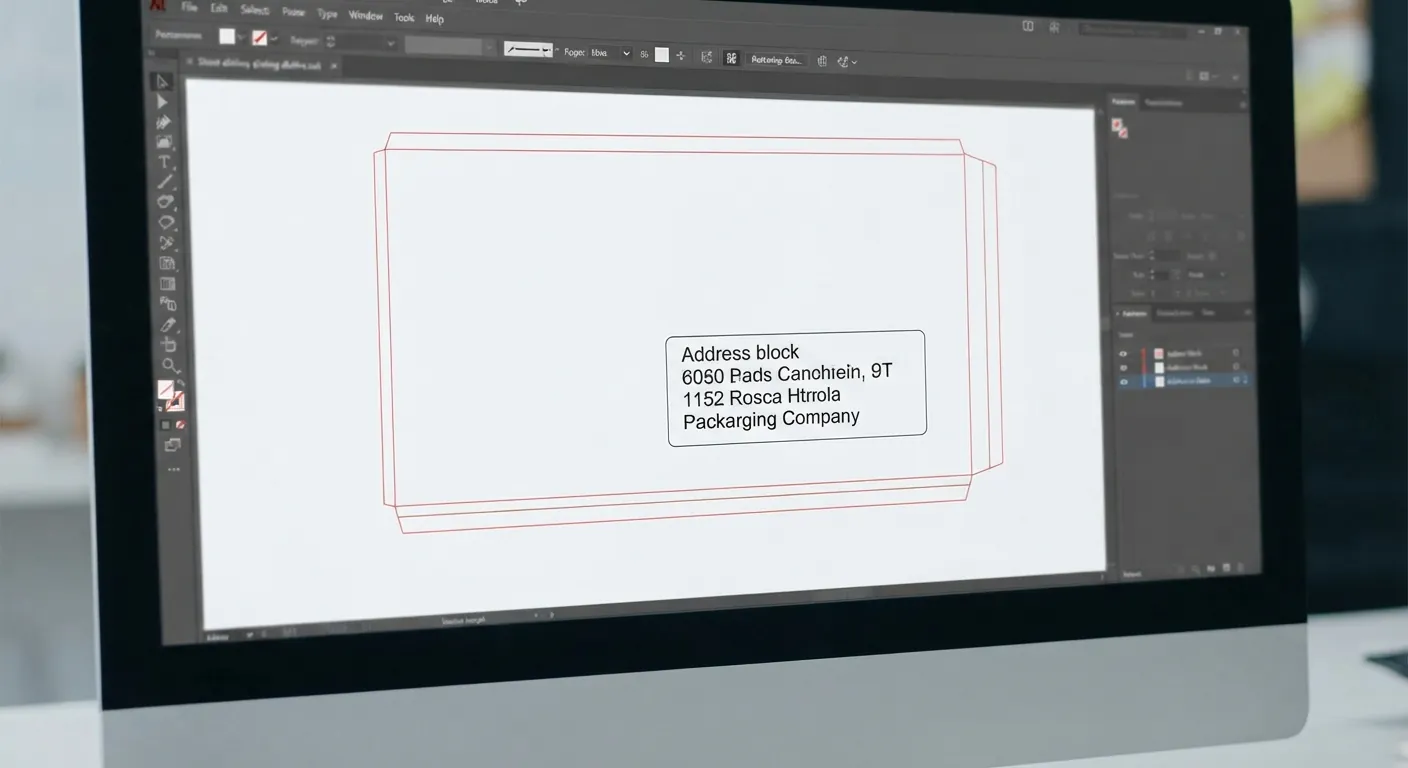
Our last proof failed at arm’s length: the importer line sat 4 mm from the bottom seal. At 100% it read fine. Work on the vector dieline.
Print the manufacturer name and postal address on-pack. Add the EU importer name and postal address when applicable. Both must be clear, understandable, and legible, and must not confuse other labelling.
If direct printing is impractical, use grouped packaging, a permitted digital carrier, or an accompanying document.
House standard: Arial Bold 7 pt addresses, Arial 6.5 pt body, 1.8 mm cap height, 2.3 mm line spacing. Order: dual-address, packaging ID, material callout, sorting or disposal, optional QR.
LDPE bag: lower rear, 15 mm above bottom seal, 10 mm from side seals. Hangtag: reverse top, 5 mm from trim. These are internal controls unless tied to a published legal spec.
Lock blocks to the vector dieline and keep a 3 mm clear zone. I reject proofs when the address block exceeds 38 mm wide. Crowding starts there, and clutter starts when QR or sorting marks enter that zone.
Material copy drives the callouts. Compare nylon vs polyester and Oxford fabric before you fix the outer shell.
Coated and outdoor surfaces change label adhesion, so lock the finish in a bag finishes spec and run UV resistance testing before you print onto the shell.
Do not call LDPE, PAP, or mixed-material art final PPWR pictograms. Treat those files as provisional internal controls or buyer-specific graphics.
The sorting label applies from 12 August 2028, or 24 months after the implementing act, whichever is later. The Commission page says that act is still being prepared.
Name the QR Packaging Info. Write “Click or scan the QR code labeled Packaging Info.” Never say “scan the green square.” Do not use color alone.
Done when a 100% proof shows readable addresses, a matching ID, and the named QR. Resizing a dieline changes empty space, so review PPWR empty space and foldable packaging before you shrink a carton.
⚠️ Experience Warning: Our June proof fit, but the sorting mark touched the clear zone.
Step 4: Audit the Annex VIII DoC Line by Line
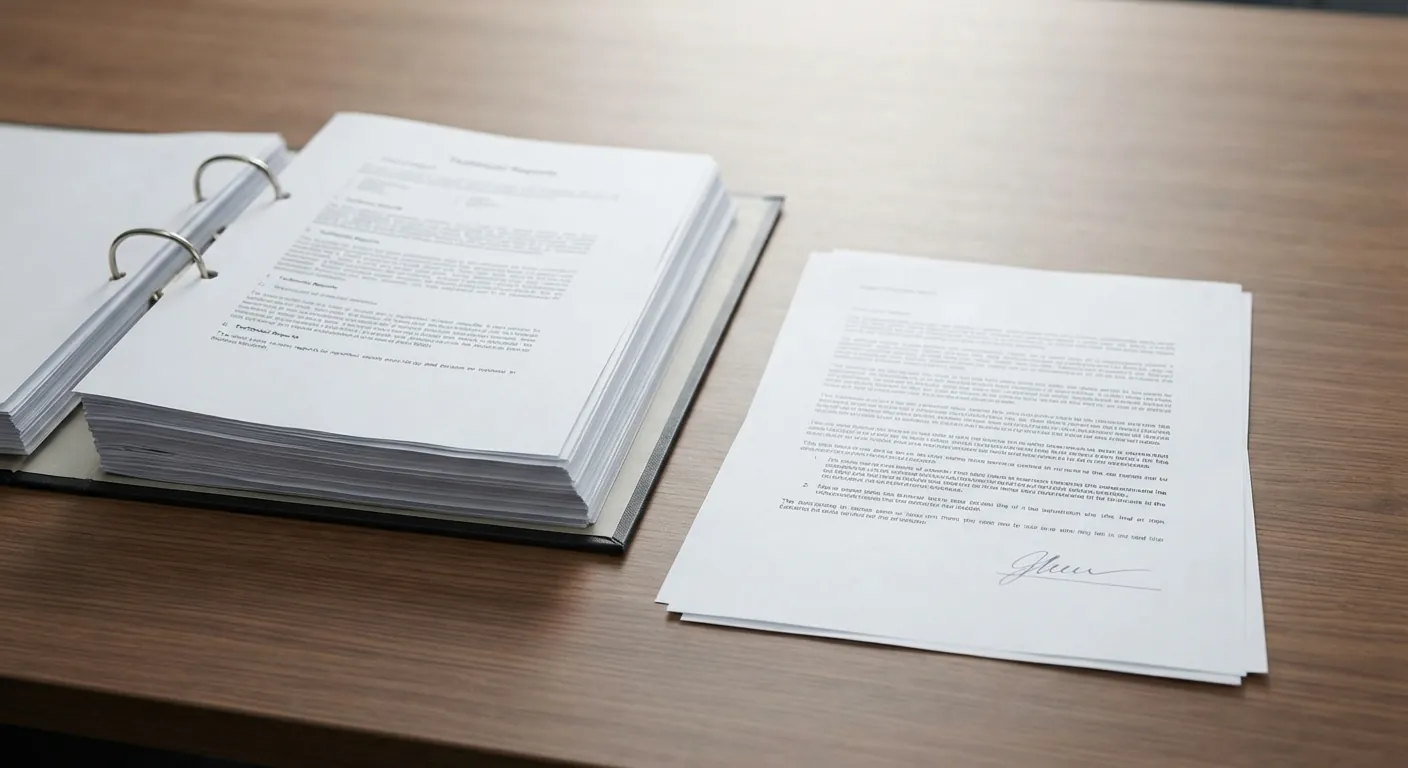
On our 5,000-unit backpack order, I opened both DoC folders at 100% zoom. The passed file feels calm: a signed DoC, revision-controlled attachments, readable test reports, and zero orphan certificates.
The failed file has the same order number but mismatched object lines and missing signatures.
Start with the evidence hierarchy: technical documentation is the proof set, and the DoC is the signed declaration page. Use the controlled folder and template as primary.
A PLM or ERP workflow is acceptable only if it locks revisions and audit trails.
Compare the failed and passed versions line by line:
- Declaration number or unique ID: match it to the packaging ID and folder name.
- Manufacturer name and address: add the authorised representative where applicable.
- Sole-responsibility statement: signed in the passed file, blank in the failed file.
- Object description: write “5,000-unit backpack, LDPE polybag,” not “assorted bags.”
- Union legislation references: complete and current.
- Harmonised standards or common specs: list only what you used.
- Notified-body field: complete only where applicable.
- Additional information: keep traceability notes here.
- Place, date, name, function, signature: all present.
The declaration must be continuously updated and drawn up in, or translated into, the language required by the Member State where the packaging is placed on the market.
Recycled-content caveat: position PCR resin claims or ISO 14021-style wording as evidence practices or internal substantiation controls. Do not present them as the final PPWR verification method.
The Commission’s recycled-content calculation and verification method is still scheduled as a separate implementing act.
For an OEM bag packaging claim, the evidence file should hold supplier declarations, composition data, weight tables, drawings, batch mapping, available transaction certificates, and internal verification notes.
Trim and travel programmes add their own layers to the file. Check synthetic leather as its own homogeneous layer, and review custom travel bag manufacturers controls before you copy this SOP across categories.
🧠 Author’s Take: On the 5,000-unit backpack job, the passed file took 14 minutes to audit. The failed file took 40 because three attachments were orphans.
Step 5: Run the Final Pre-Shipment Release Gate
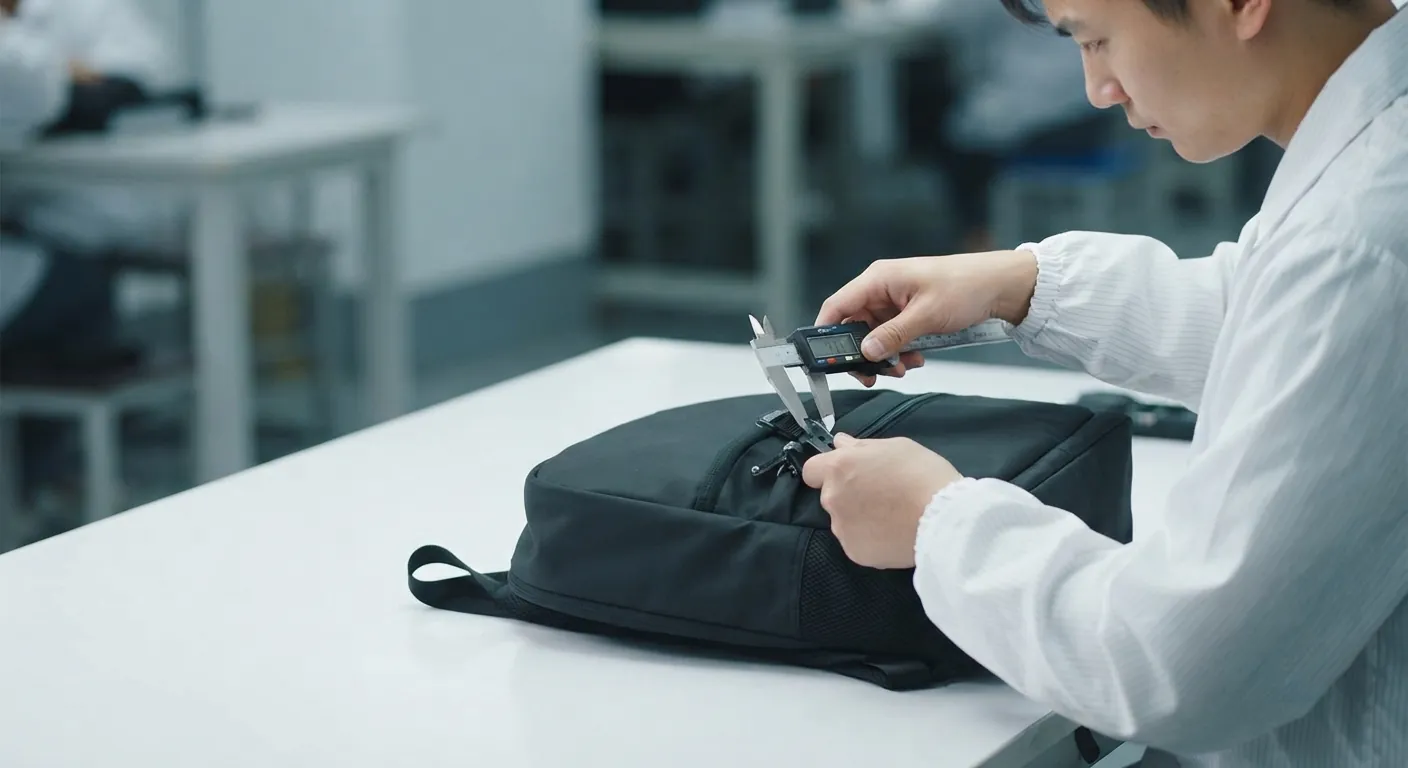
I stand at the QC table with the printed polybag, master carton, inspection sheet, and signed PDF side by side. Our Compliance & QA Lead releases nothing until every line matches.
Run this as an AQL pre-shipment gate. On high-risk launch orders, switch to 100% artwork verification.
Release only when all six checks pass:
| Check | Pass condition | If it fails |
|---|---|---|
| Dual-address block | Manufacturer and importer data match approved artwork | Hold; relabel and re-verify legibility |
| Packaging ID | Matches the DoC object line and batch record | Quarantine; reissue the controlled DoC |
| Importer details | Present and legible at actual print size | Stop release; correct the importer block |
| QR or data carrier | Resolves to current compliance information | Redirect and re-scan at line end |
| Evidence file | Holds the current recycled-content revision | Refresh evidence before release |
| Shipment file | Stores the signed DoC, attachments, and owner | Assign owner; run a retrieval drill |
The legal clock is short. Manufacturers and importers must give national authorities relevant compliance information and technical documentation within 10 days of a reasoned request.
Enforcement is risk-based. Formal non-compliance includes a missing or incorrectly drawn DoC, an incomplete technical file, absent or false manufacturer or importer data, and QR or data-carrier failures.
We saw four repeat gaps across 200+ EU-bound shipments: outdated importer address, packaging ID mismatch, QR opening an old revision, and stale recycled-content evidence.
Treat these as prevention controls. Freeze importer data at PO. Reconcile the ID in the AQL sample. Scan every QR at line end. Confirm the evidence revision before release.
Mini contract: The brand warrants artwork accuracy and claim wording. The factory warrants print, packaging ID, and AQL release. The importer warrants importer-of-record data and updates within 5 business days. Each party names a document owner.
⚠️ Experience Warning: I have seen a clean AQL sample fail release because the QR opened an old label revision.
Louis Cai, Handbag Department Manager
If you ship to fulfilment centres, align the release pack with your Amazon FBA bag shipping file. The same gate applies across bag programmes, from custom backpack manufacturers to handbag, sport, and golf lines.
Troubleshooting of PPWR Dual Address Label EU DoC
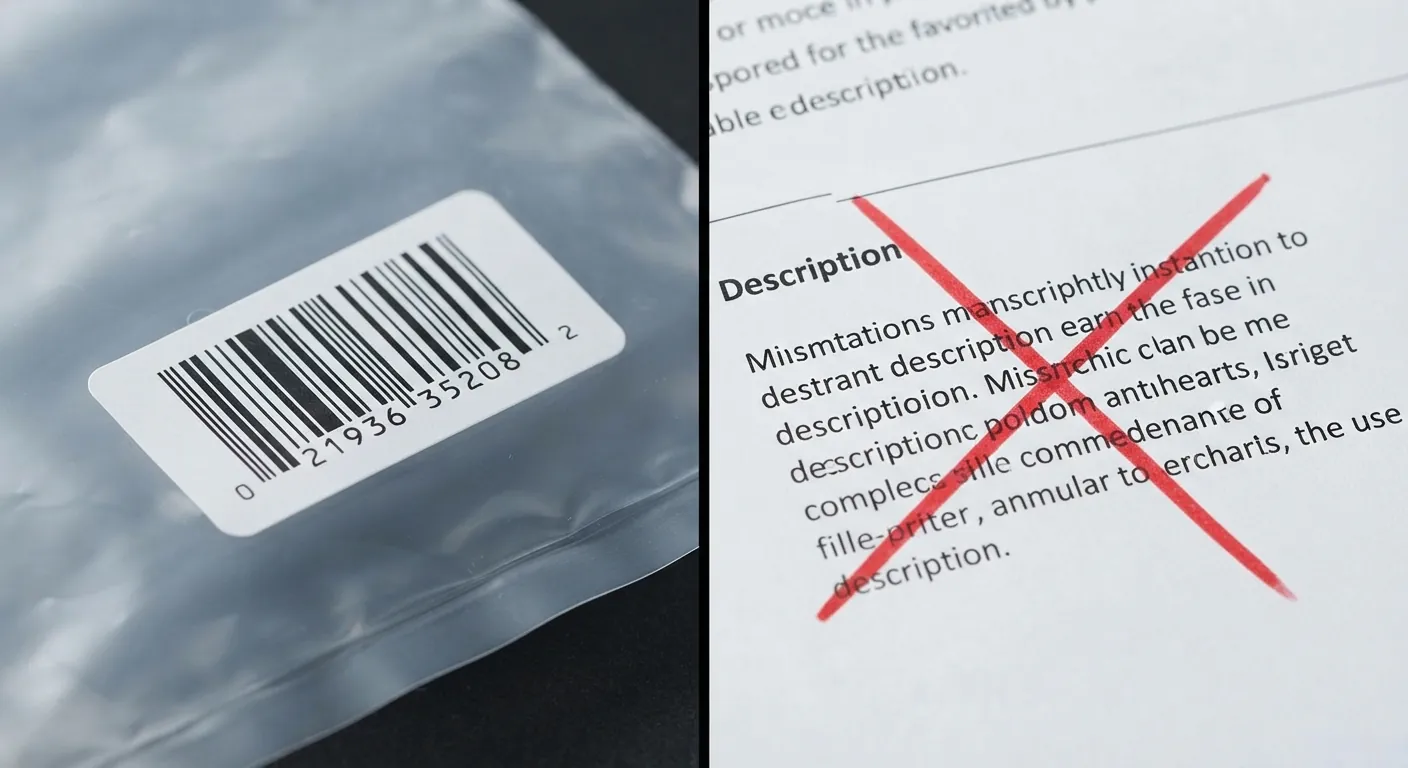
1) Lot or Batch ID Doesn’t Match the DoC
In my file reviews, this is the most common collapse. The polybag reads PB-LOT-2409-17, but the DoC says “assorted pouch.” That breaks traceability.
Quarantine the release. Correct the packaging ID map. Reissue the controlled DoC and log the superseded version. One owner reconciles polybag, carton, DoC, and PDF name every revision.
2) Supplier Says “PPWR Compliant” with No Evidence Pack
A statement is not evidence. Request component-level composition, drawings, weight tables, test evidence, and traceability records.
Block release until the pack is complete. Add a contract clause: no evidence pack, no shipment.
3) Manufacturer or Importer Details Are Missing
A blank importer line jumps out instantly. Relabel before release. Use a PPWR-permitted fallback only where the regulation allows it. Rerun legibility at actual print size.
4) Sorting Graphics Printed as Final EU Pictograms
Teams print LDPE or PAP marks as if the harmonised act is fixed. It is not. Relabel them as provisional internal aids or buyer instructions. The Commission is still preparing the labelling act.
5) Customs Asks for the File and Retrieval Fails
I have watched a clean-looking pack fail this drill. Assign one document owner. Keep a customer-facing export pack plus a full internal pack.
Run a 10-day retrieval drill before peak season. Watch for orphan certificates and QR codes that land on a marketing page.
Formal non-compliance under Article 62 includes missing or incorrect DoCs, incomplete technical documentation, broken QR access, and absent manufacturer or importer details. If issues persist, Member States can prohibit availability or demand withdrawal or recall.
🛡️ Prevention: Run a 10-minute pre-release teardown: match lot code, signature, certificate attachment, and QR destination. I have never regretted this check.
Conclusion
You now hold a repeatable path to align on-pack manufacturer and importer data, traceability IDs, and the Annex VIII DoC. The file feels calm: signed, approved artwork, named owners, and a release-ready order.
Your immediate next step is to clone this SOP across your packaging portfolio, then set change triggers for any supplier, material, ink, importer, or packaging-design change.
Manufacturers must keep series production conformity under review and reassess where conformity could be affected.
Contact us for a packaging artwork review or DoC readiness check.
No-conflict disclosure: I am not paid by any manufacturer, importer, or certification body to promote these findings. My team purchases its own samples and receives no kickbacks.
People Also Ask About PPWR Dual Address Label EU DoC
1. What is the biggest risk in the PPWR dual address label EU DoC process?
The biggest risk is a packaging ID mismatch between the physical label and the DoC object line. In my experience, this single failure accounts for most port holds.
We quarantined a 5,000-unit order because the polybag read PB-LOT-2409-17 but the DoC said “assorted pouch.” You must reconcile the ID across polybag, carton, DoC title, and PDF filename every revision.
2. How do I know if my bag label passes a customs doc check?
It passes when a 100% onscreen proof shows crisp, readable addresses and a scannable packaging ID. Our QA Lead runs a two-minute check: manufacturer name, EU importer address, and a matching traceability code.
If any field is illegible at actual print size, or the ID does not match the DoC, it fails. No exceptions.
3. Can I skip the EU importer address if my factory is overseas?
No. Under PPWR, manufacturers must show name and postal address on-pack. Importers must also show name and postal address for third-country packaging entering the EU.
I have seen teams delete the importer line to save space. That creates a formal non-compliance finding. Keep both blocks separate and legible.
4. Do I need to redo the DoC if I change my bag material or ink?
Yes, you must reassess. Manufacturers must keep series production conformity under review and reassess where conformity could be affected.
When we switched a client from standard nylon to recycled RPET, we reopened the DoC because the material composition changed. Set change triggers for any supplier, material, ink, importer, or design change.
5. What happens if customs requests my technical file and I cannot produce it?
You face formal non-compliance. Under Article 62, authorities can prohibit availability or demand withdrawal.
Manufacturers and importers must provide relevant compliance information and technical documentation within 10 days of a reasoned request. One document owner must hold the signed DoC and attachments.
6. Is a QR code enough for compliance information on the bag label?
A QR code is a permitted digital carrier, but it must resolve to correct, current compliance information. I have seen a clean AQL sample fail release because the QR opened an old label revision.
Name the QR “Packaging Info” and test it at line end. Do not use color alone to signal it. Where direct printing is impractical, a permitted digital carrier or accompanying document may be used.