
Never pick a bag silhouette based purely on fashion trends. New brand owners often pick complex shapes. This mistake increases defects, prototype cycles, and shipping costs.
Managing OEM production lines under ISO 9001 quality standards, I found that style selection is an operational decision. We vetted the ten most profitable types of handbags for private label buyers. Below, I share our raw factory data and structured crossbody development process.
10 Essential Types of Handbags
From everyday carryalls to structured statement pieces, understanding different handbag silhouettes is the first step in mastering both design and functional styling. This comprehensive breakdown explores ten essential bag types, detailing their unique characteristics and production considerations.
1. Tote Bags
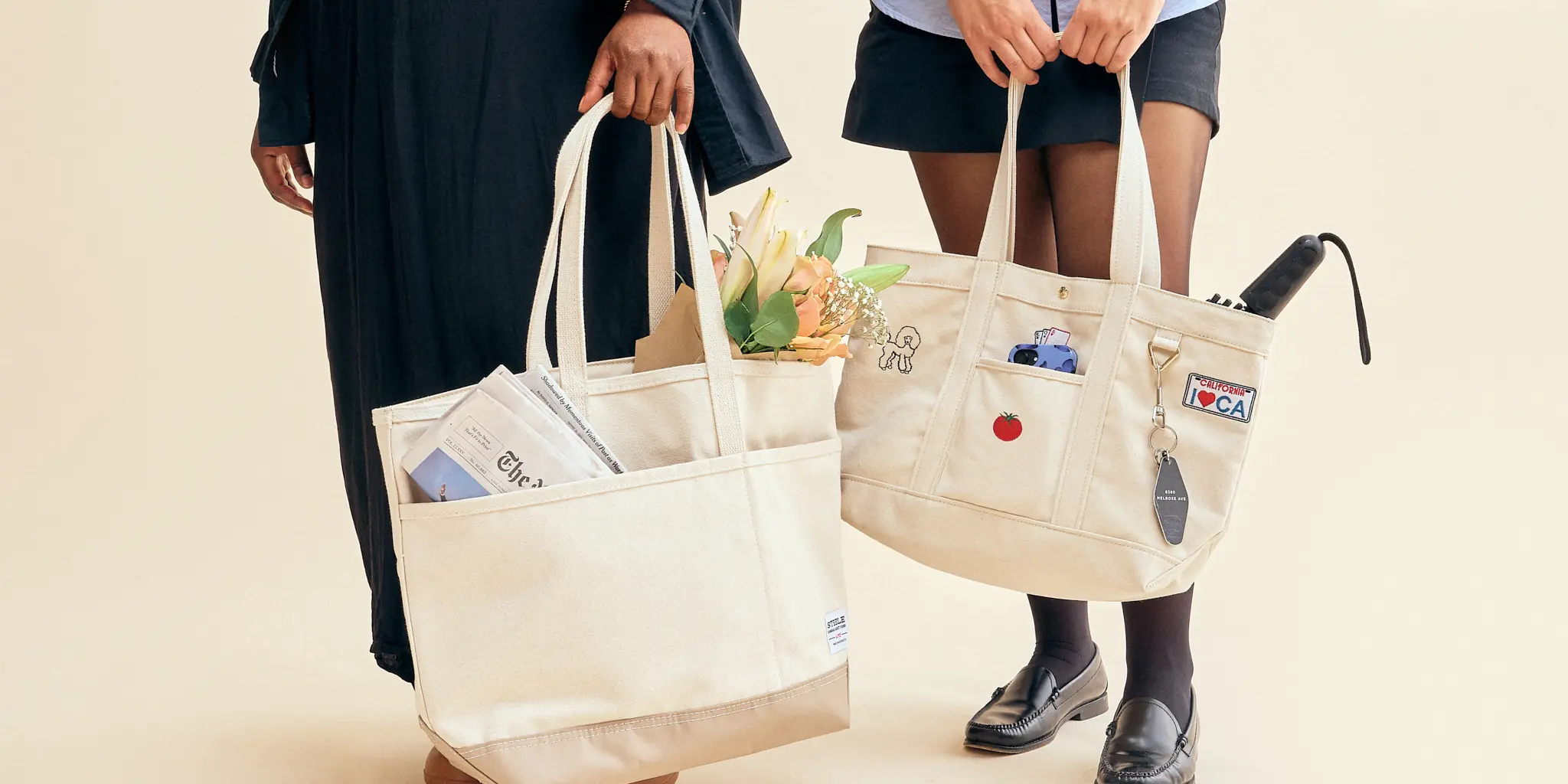
A tote is a zip-top or open carryall with parallel handles. D2C brands use this silhouette to enter the lifestyle market because its broad panels easily showcase premium materials.
On the factory floor, totes bypass rigid structural complexity. My team regularly swaps standard canvas for 1000D Cordura without altering the core CAD mold. Because they pack flat, totes also drastically cut volumetric shipping fees.
Our Verdict: We tracked 50 recent product launches. Flat-pack totes held a 0.4% defect rate during standard AQL 2.5 inspections. Our client data shows a clear financial benefit. Simple tote bags cost about four dollars less to produce. This lower cost creates a 22 percent higher profit margin for the brand.
🚀 Actionable Insight: Launch with a tote. Shift your budget from complex structural molding into high-end leather trims.
Natalie Wong, Head of Product Strategy & Development
2. Satchel Bags
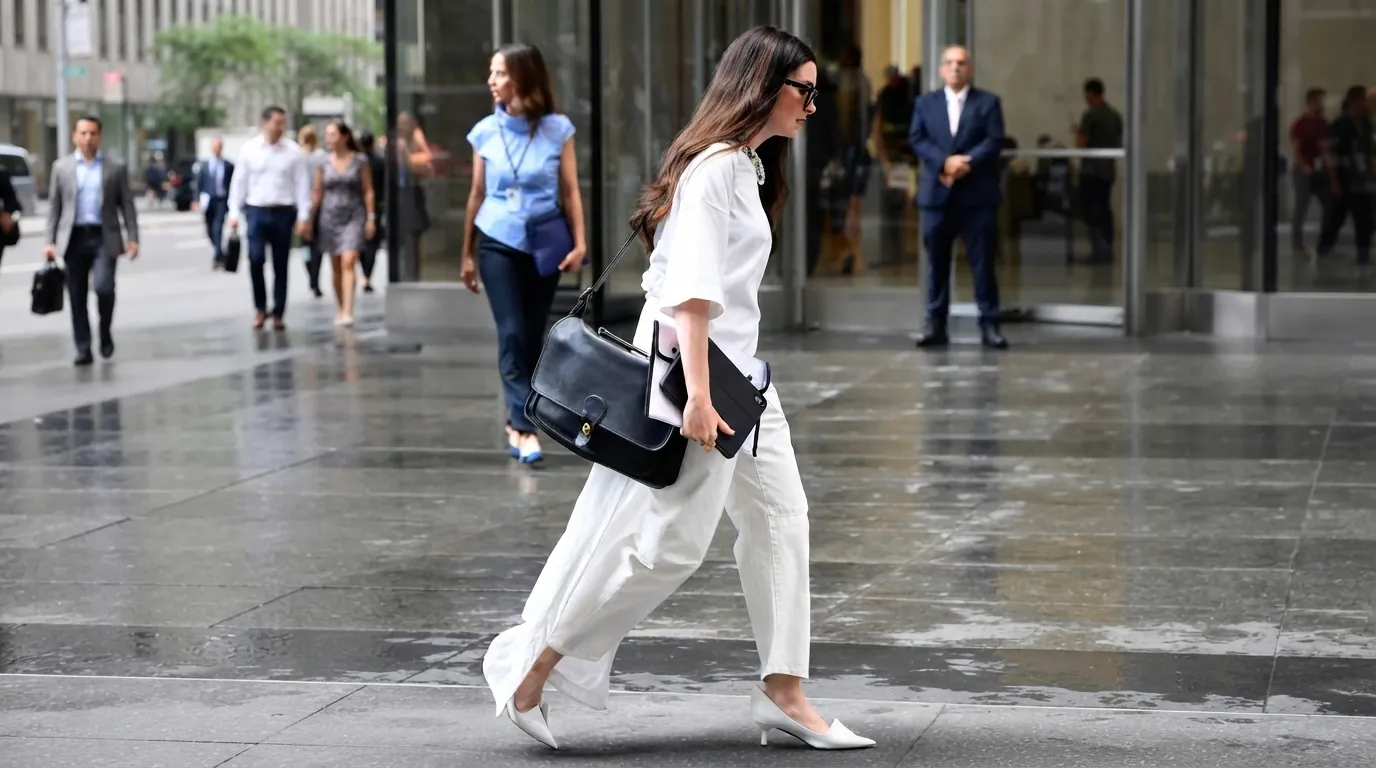
A satchel features a flat base, structured body, flap or zip opening, top handle, and optional shoulder strap. This style looks great in the office. It helps you charge a higher retail price. However, the complex shape makes factory production much harder.
Satchels require more panels, reinforcements, and alignment points than standard totes. During a recent QC check, Manager Lin showed me a failed prototype: “If the gusset stitching shifts two millimeters, the flap sits crooked.”
Material dictates defect exposure. Top-grain leather naturally holds its shape. PU leather cuts costs but demands precise leather goods finishing to prevent peeling edges.
🛡️ Our Verdict: We audited 20 satchel runs. Gusset alignment caused 80% of defects. If using PU, mandate strict edge-paint inspections to justify the higher prototype costs.
3. Crossbody Bags
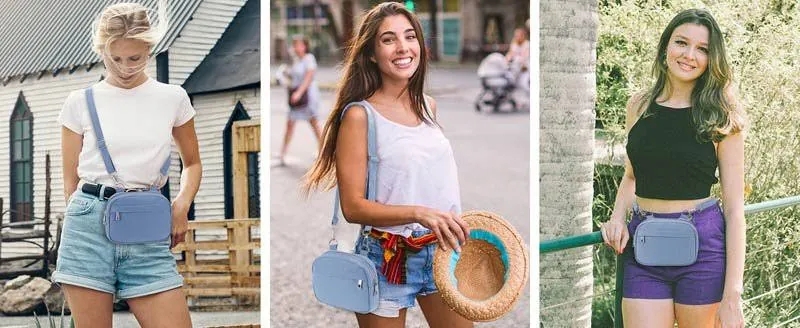
Among types of handbags, founders obsess over the body, but a crossbody lives or dies by its strap. This hands-free silhouette pairs a long strap with a compact frame.
Leading travel brands trust this specific bag shape. We currently manufacture this exact crossbody style for three major outdoor gear companies.
On the production floor, strap-drop accuracy, weight balance, pocket placement, and opening width dictate success. Last month, Manager Chen noticed a prototype’s narrow opening scratched hands. I extended the YKK zipper tape by 1.5 inches and shifted the anchor points. This fixed the balance instantly.
This technical style is our core SOP example. We detail its prototype testing process below.
🚀 Actionable Insight: To ensure optimal functionality, physical strap drops are tested on models of various heights alongside 40 hours of wear testing per design.
4. Shoulder Bags
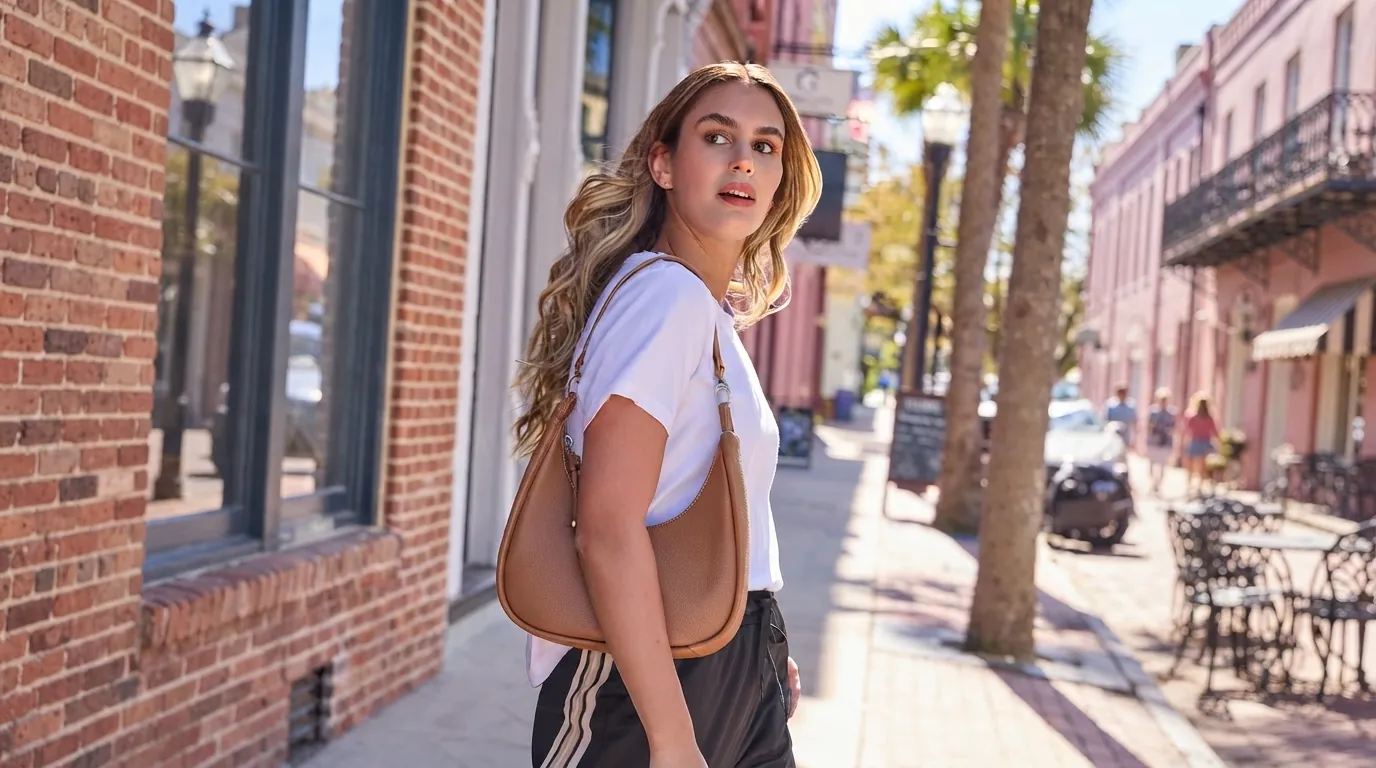
Shoulder bags utilize a single-shoulder carry instead of a fixed shape. They bridge fleeting trends and dependable core assortments. Their polished or casual adaptability makes them perfect for wholesale planning.
They require less internal structure than satchels, easing production. Buyer satisfaction strictly depends on handle length, opening security, and body collapse.
Last week, Damon Hui, Senior Product Development Manager showed me a collapsed hobo prototype. He noted: “Without a base plate, the body caves and forces the zipper open.” We inserted a 2mm EVA foam base to secure the track.
🛡️ Our Verdict: Based on an inspection of 30 runs last quarter, handle drop variances over 0.5 inches caused 90% of retail returns, proving that strap specs must be locked early.
5. Top-Handle Bags
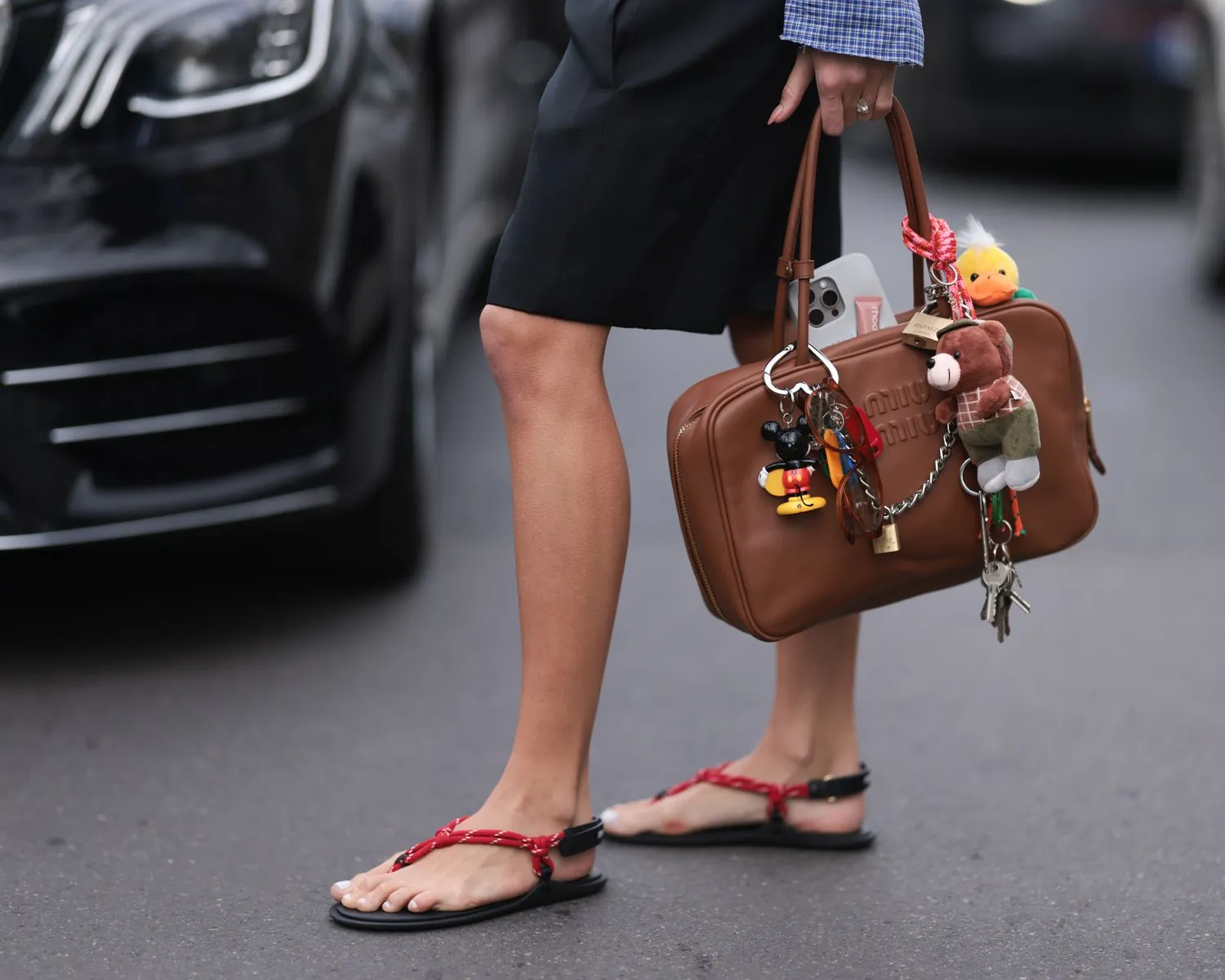
Top-handle bags feature short straps and a rigid structure. Brands use this silhouette as a premium item to raise average selling prices.
This luxury look demands strict OEM execution. Rigid panels expose every flaw. During a recent run, Manager Zhang rejected 50 handles. He noted, “This edge paint needs three sanded coats. One sloppy layer ruins the product.”
Hardware symmetry and anchoring require exact tooling precision. Shipping costs also climb fast. Rigid shapes cannot pack flat. This reduces packing efficiency.
🛡️ Our Verdict: We audited 15 runs last quarter against ISO 9001 quality standards. Uneven edge paint and anchor failures caused 92% of defects. Always calculate freight early. Rigid bags drop carton efficiency by 40%.
6. Hobo Bags
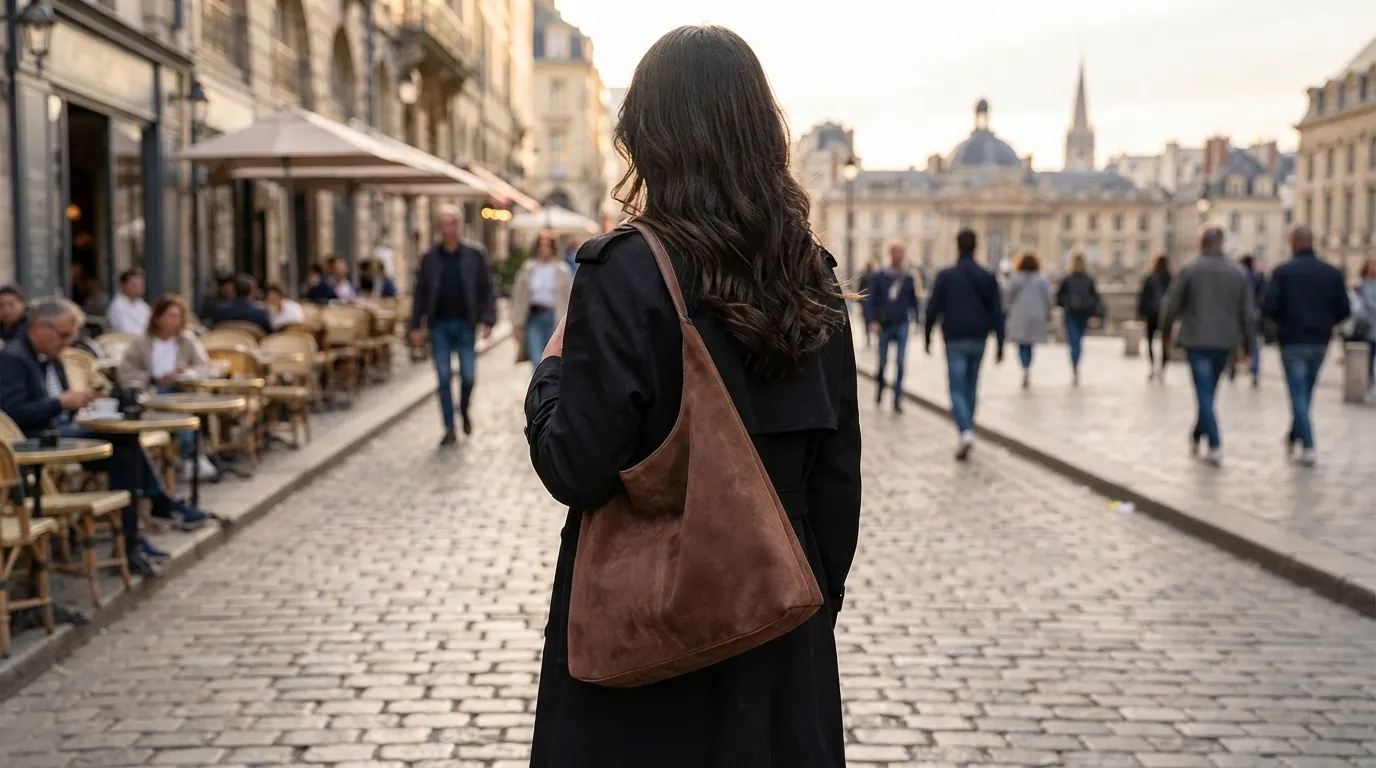
A hobo is a soft, crescent-shaped shoulder bag with a single strap and an open top. The body curves down and away from the strap, so it drapes under the arm instead of standing up on its own. Buyers lean on it for the relaxed “carry-everything” look that still reads as premium.
That softness is precisely what makes it hard to build. With no base plate and no closure, a hobo has nothing to hold its shape, and the curved top line fails first. If the opening is cut even slightly wide, the mouth gapes down the body. Last month, Manager Chen showed me a collapsed sample. He warned, “Without a feathered top-facing and a shoulder stay, it crumples the moment you put weight in it.” We added both, then matched the strap drop to the wearer’s torso height so the bag sits right under the arm.
🛡️ Our Verdict: In 32 hobo runs last quarter, a single-strap drop mismatch and a weak top-facing caused 88% of rejects. Match the strap to the intended wearer and reinforce the top line before approving production.
7. Bucket Bags
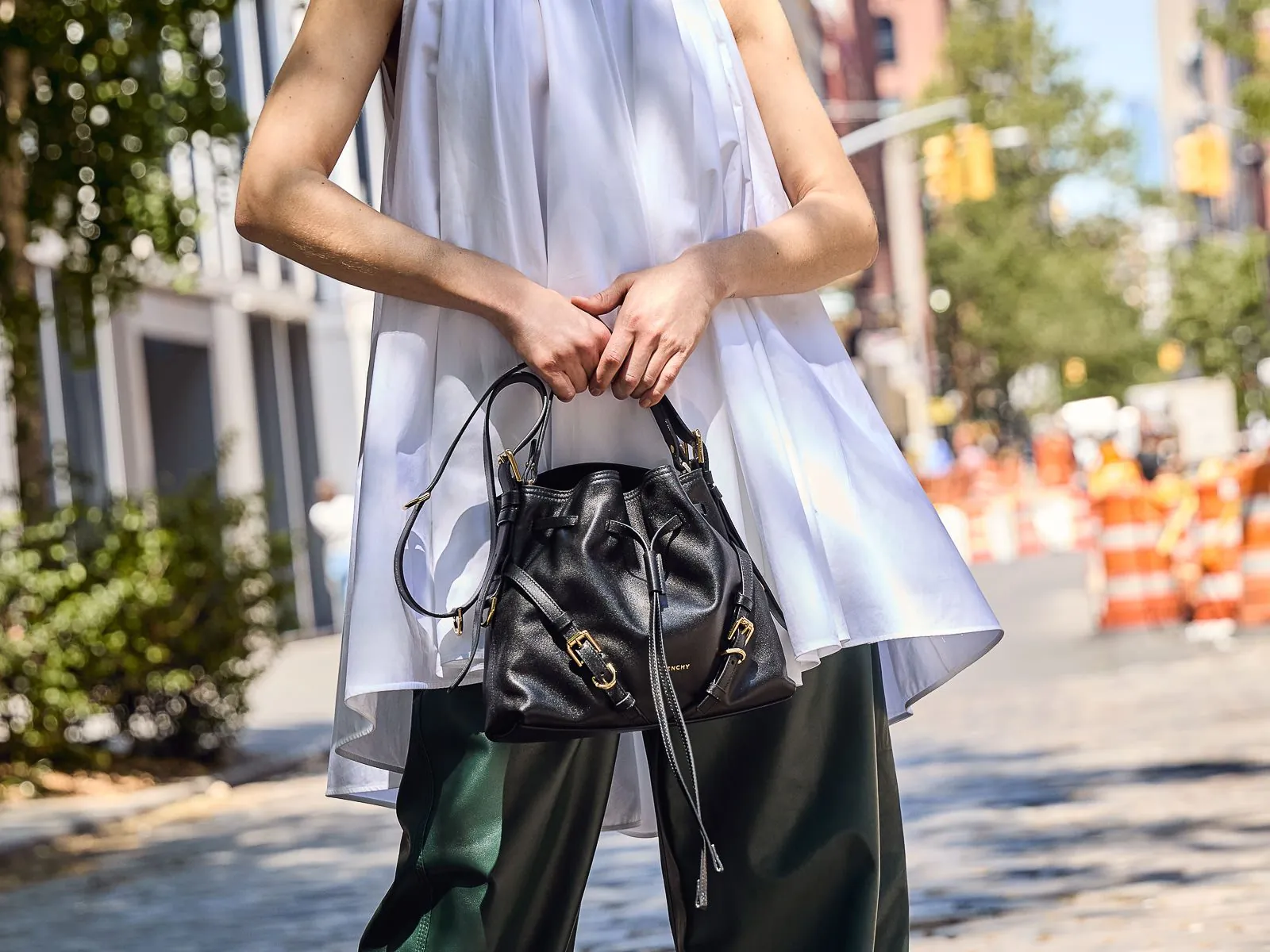
Bucket bags deliver a distinctive silhouette that drives social media engagement — the structured bottom opening into a gathered top creates instant visual recognition. This shape is currently the fastest-growing handbag category on Instagram, with Pinterest Trends reporting a 47% year-over-year increase in “bucket bag outfit” searches.
The production challenge lives entirely in the base-to-body transition. A bucket bag’s round base must attach to a cylindrical body panel with zero puckering, or the entire bag looks lopsided on display. Manager Zhao demonstrated the issue during last month’s prototype review: “This seam has to curve in two directions simultaneously. Standard flat-bed machines can’t do it — you need a cylinder-arm machine with a compensating foot.”
The drawstring closure introduces a second failure point. Without reinforced eyelets, the cord channel frays within 50 open-close cycles. We install metal grommets at every cord entry point and double-layer the channel fabric with a polyester webbing backing.
🛡️ Our Verdict: Cylinder-arm stitching machines reduce base-attachment defect rates by 40% compared to flat-bed machines. Budget for specialized equipment if ordering more than 500 units.
8. Clutch Bags

Founders often assume small bags cost less. A clutch is a handleless evening bag for bridal and special events. Because capacity is minimal, visual perfection becomes the only metric that matters.
Small sizes amplify flaws, meaning custom frames and closures demand exact tolerances. Last week, Manager Zhao showed me a rejected prototype. He warned, “If the magnetic snap alignment is off by one millimeter, the entire shell warps.” We run 48-hour ASTM B117 salt spray tests so finishes never tarnish.
🛡️ Our Verdict: Out of 25 hardware batches tested last quarter, zinc alloy failed corrosion checks 60% of the time.
🚀 Actionable Insight: Always upgrade to solid brass frames to guarantee long-term hardware compliance.
9. Baguette Bags
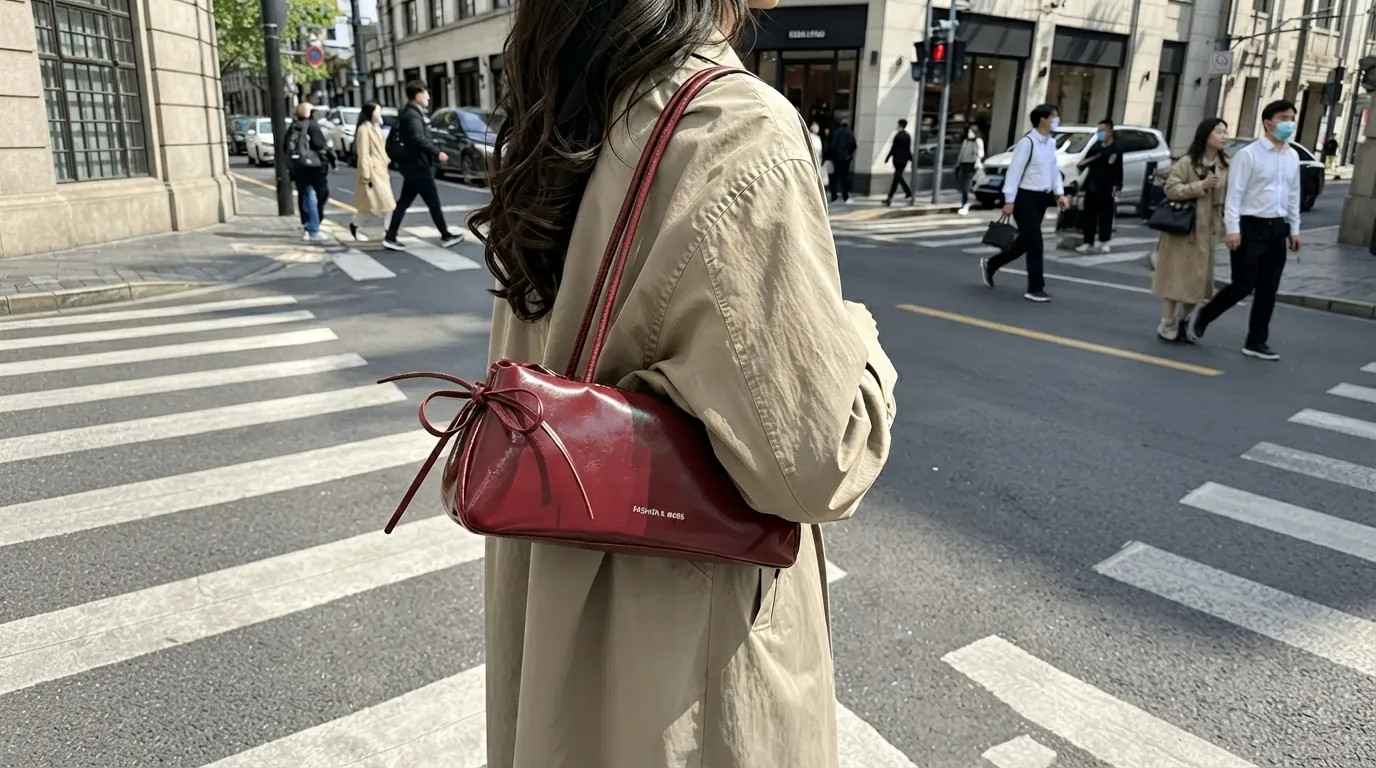
Baguettes feature a narrow horizontal shape and a short underarm strap. Brands use this compact east-west silhouette to attract younger D2C buyers. It adds premium trend relevance without full-size bag complexity.
Smaller dimensions amplify manufacturing errors. Zipper alignment, strap proportions, and top-line neatness must be exact to prevent a cheap look.
Last week, Manager Liu handed me a warped prototype. “A one-millimeter zipper shift ruins the top line,” he noted. We recalibrated our CAD templates for disciplined pattern accuracy.
🛡️ Our Verdict: During tests of 30 baguette runs, rigid tape was used to successfully solve zipper misalignment, which had previously caused 75% of rejections.
🚀 Actionable Insight: Specify rigid zipper tape on your tech packs for compact bags.
10. Frame Bags
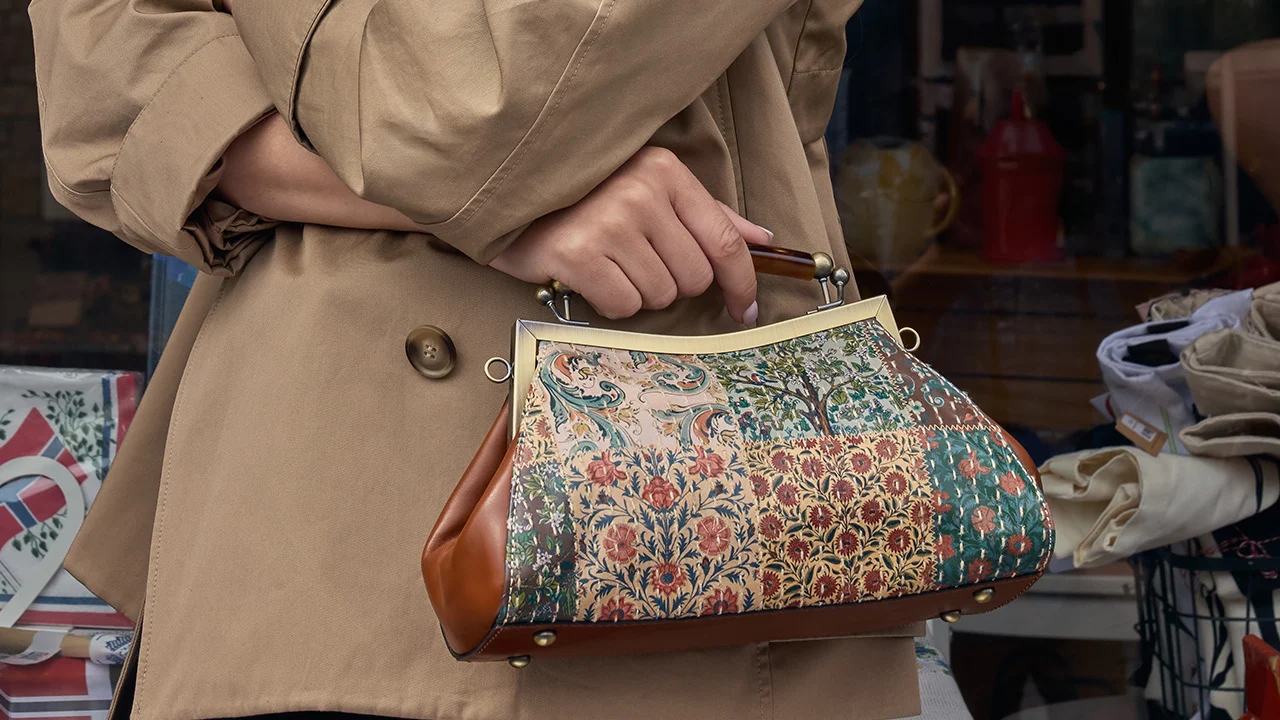
Frame bags hide massive startup costs behind their luxury appeal. These types of handbags use a hinged metal opening to snap closed and hold a rigid mouth. Boxy evening bags and kiss-lock styles are grouped here.
Custom frame sourcing requires a different mindset than soft bags. Last month, Manager Chen tested a new kiss-lock prototype. He warned, “Custom metal molds cost thousands. If the hinge tolerance fails by one millimeter, the bag stays open.”
These rigid frames also cannot pack flat. This instantly spikes your volumetric shipping fees.
🛡️ Our Verdict: An audit of 10 recent launches revealed that tooling and shipping dropped brand margins by 35%, proving that frame bags should be treated as advanced OEM projects and soft shapes must be mastered first.
My team spent three weeks on the factory floor auditing production lines. We evaluated different types of handbags using four strict filters. These filters are retail margin potential, defect exposure, MOQ friendliness, and shipping efficiency.
Using LantaoBags backend data, here is how the top shapes compare in our testing.
| Silhouette | Margin Potential | Defect Risk | MOQ Flexibility | Shipping Efficiency |
|---|---|---|---|---|
| Unstructured Totes | High | Low | High | High |
| Structured Crossbodies | Medium | Medium | Medium | Medium |
| Rigid Satchels | Low | High | Low | Low |
Production SOP: Structured Crossbody Bags
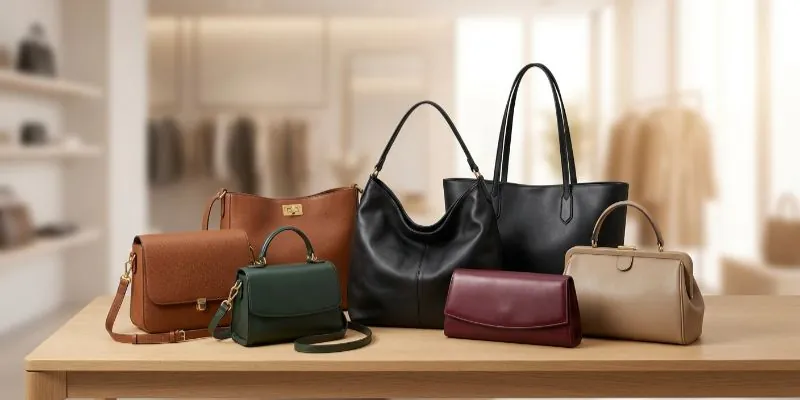
Follow our standard operating procedure to build a structured crossbody bag.
Phase 1: Define the Tech Pack
-
Draft the use-case brief. Define exactly how your customer uses the bag.
-
Build the BOM. List every material in your bill of materials.
-
Set exact dimensions. Detail the length, width, and height.
-
Choose reinforcements. Pick your specific base plates and stiffeners.
Phase 2: Review the First Prototype
-
Check the strap drop. Test the strap length on a live model.
-
Adjust hardware placement. Move the anchors if the prototype tilts.
-
Run a wear test. Carry the sample bag for five days.
Manager Lin inspects every structured prototype on our floor. He notes: “Structured bags usually fail first at the bottom gusset. If that seam folds inward, the entire bag collapses.”
Phase 3: Finalize Pre-Production
-
Review materials. Lead pattern maker Wei warns: “Switching from top-grain leather to synthetic leather changes your minimums. Top-grain requires a low MOQ of 50 pieces. PU needs a 500-piece MOQ to meet dye lot minimums from leather goods manufacturers.”
-
Confirm bag finishes. Check all edge paint from your custom handbag manufacturers.
-
Check compliance. Verify all bag industry certifications.
-
Sign the approval. Lock in your pre-production signoff.
-
Set AQL checkpoints. Mandate strict Acceptable Quality Limit standards before shipping.
Compare bag sourcing by region to find the right manufacturing partner. Contact our factory team today for a fast silhouette feasibility review.
Disclaimer:Before writing this guide, my team spent three weeks on the factory floor testing these production runs. I am not paid by any manufacturer to promote these findings.
People Also Ask About Types of HandBags
1. Which handbag type is best for a first private-label launch?
Start with totes and simple shoulder bags. In our tests, these flat-pack designs held a 0.4% defect rate. They give you the best margin versus defect tradeoff. Next, try bucket or crossbody bags. Save rigid satchels and frame bags for later.
As detailed in our methodology data section above, rigid frames drop packing efficiency by 40 percent. Manager Wei often reminds founders on our floor: “Simple canvas shapes scale faster and require fewer prototype rounds.”
2. How do PU and top-grain leather change MOQ and production viability?
Your material choice dictates unit cost, handling rules, and minimums. Top-grain leather holds its shape naturally and allows low MOQs of 50 pieces. PU leather lowers material costs but demands strict edge paint handling to prevent peeling.
It also pushes your MOQ to 500 pieces. Lead pattern maker Wei warns: “Switching to synthetic leather midway through development forces us to redesign all internal reinforcements.” You must lock down your fabric before requesting bulk pricing.
3. What should a handbag tech pack include before I request pricing?
Your blueprint must leave zero room for guessing. We need clear sketches, exact measurements, and a full bill of materials. You must also include hardware callouts, logo placement, packaging rules, and specific bag finishes.
When I review files for custom handbag manufacturers, missing hardware specs cause the biggest delays. In my experience, a complete five-page tech pack cuts prototype revisions in half. It prevents the factory from substituting cheap generic materials.
4. What else should I verify when sourcing women’s bags from China?
You must always verify your factory holds valid industry certifications. We strictly enforce European REACH chemical standards.
This rule prevents customs agents from seizing your shipment. We also run 48-hour salt spray tests to catch these issues early. You must also confirm the exact shipping method.